CurieOS delivers frontier performance on science and engineering benchmarks at up to 58% lower cost than Claude Code.
Across Terminal-Bench-Science-0.1, Terminal-Bench-4.1, BixBench and Parametric CAD Bench V3, CurieOS matched or beat Claude Code's score and cost less on every one.
We're opening access to CurieOS. Join the waitlist and view the full results here: https://t.co/O1XnJZiVwI
CurieOS has been on a journey from internal tool to enterprise platform, and soon we're opening it up for wider access. Join the waitlist here https://t.co/nMNjmw5K2H
CurieOS has a lot of powerful features built for real science and engineering work, domain-specific tools, context graphs, bespoke apps - but they all build on one foundation: a great agent harness!
Today we're sharing preview benchmark results comparing CurieOS to Claude Code.
CurieOS delivers frontier performance on science and engineering benchmarks at up to 58% lower cost than Claude Code.
Across Terminal-Bench-Science-0.1, Terminal-Bench-4.1, BixBench and Parametric CAD Bench V3, CurieOS matched or beat Claude Code's score and cost less on every one.
We're opening access to CurieOS. Join the waitlist and view the full results here: https://t.co/O1XnJZiVwI
Our specialized harness promotes action batching and denser thinking, reaching frontier performance with far fewer tokens across models and effort levels.
What surprised me most: the gains hold on Terminal-Bench-4.1, a general software benchmark (+1.5 pts, 24% less).
Most of what John has outlined below already ships in CurieOS, our AI operating system for science and engineering: apps and workflows built in chat, listeners on outside events, an approvals inbox, and agents with their own computers.
See how it works: https://t.co/3uj14hCd1T
Neon is a great model but I constantly have to ask it to contextualise its results because everything is so superlative, to the point where it’s “ecstatically” “Discovering the Holy Grail”. It’s a refreshing change from Claudish though
Carve fresh tracks down six real Mont Blanc lines in this first-person Chamonix ski simulator 🏔️
Coded from scratch by Gemini 4 Neon in @Antigravity (~10,000 lines of JavaScript and custom shaders), it runs 120 Hz ski physics, dynamic snow tracks, triggerable avalanches, and spatial audio with zero pre-made 3D models or sound files.
Spent a week dot maxxing and while the results have been generally great, a few oddities: booked me an aparthotel with no reception and fully remote staff and didn’t mention that - not great when I needed early check in, ordered supplements as bulk powders - fine but way less convenient. A lot of value in personalisation at the consumer decision level
@choblin29 Having a sovereign model that we need to serve on non-sovereign infra leaves us in the same pickle. We are sorely lacking in the ability to serve models of any kind due to energy prices and infrastructure, fixing that is how we keep the lights on
interpretability might be the most important scientific problem in the world right now, as I don't think we can solve alignment if we don't know what we're building. I think I have good news about it. I co-authored early work in mechanistic interpretability at OpenAI and came away pessimistic, because neural networks appeared to fold into arbitrary tangled knots. years later, I started openai's first large-scale automated interpretability project, finding about 2% of neurons legible with the primitive tools we had
with modern agentic tools and a much closer look, the picture looks totally different. the vast majority in models up to trillions of parameters are legible, and their circuits beautiful. many famous examples of tangled neurons turned out to be misunderstood. The roadblocks I expected mostly aren't there. I now think ambitious interpretability will be solved by the time we need it most, and possibly quite soon, as automated scientists keep improving. it may be a bitter lesson for interpretability: the simple thing, at absurd scale, works
https://t.co/zHij5zwKGT
Even at the frontier of the most technical fields, AI has created huge information asymmetries around what’s now easy vs. hard. Same story in every field. Everyone reading this already has a lot of alpha
A $50K challenge went out to diagnose a child's rare disease because the organizers thought it was hard.
Gamow Labs founder @danielmckinn0n won it, and says it wasn't:
"They put it out there because they thought it was hard."
"This is a slam dunk for modern AI models. So we won that challenge, and I should say that we won that challenge because we submitted first."
"There are actually many entries that got the correct answer 'cause it wasn't particularly hard, but we're at the top of the leaderboard, so thanks Hugging Face for sorting by submission time."
"What that demonstrates is that there's all of these patients that don't have answers that they could just apply this technology to their situation and get answers."
"We're sitting here in San Francisco. I'm talking to you about Claude Code. You're like, 'Yes, okay, I know this.' This is not the world."
@GamowLabs
@Solvaix Made my own here, not read only, seems to be better than computer use. If you have some test case revit files or tasks would love to try them out
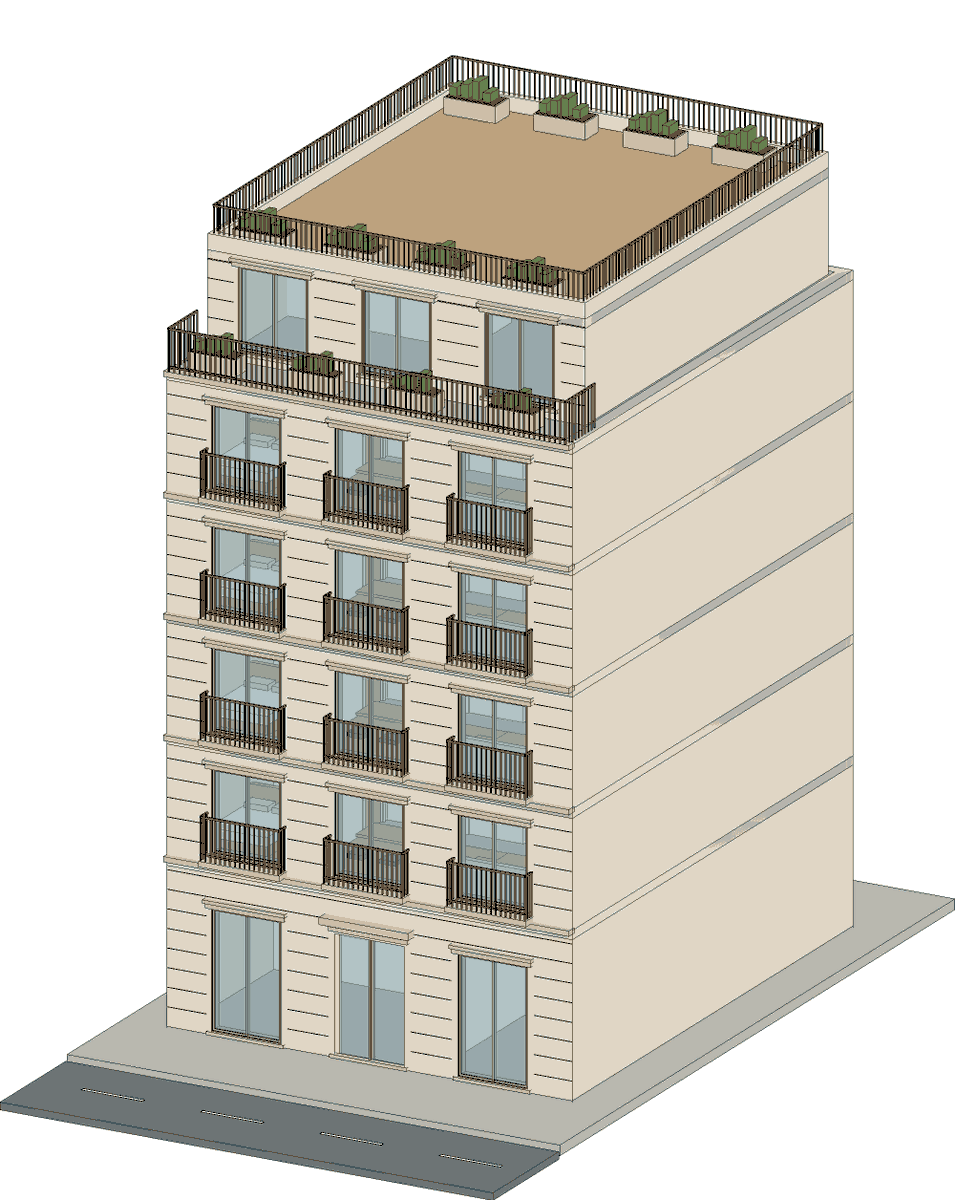
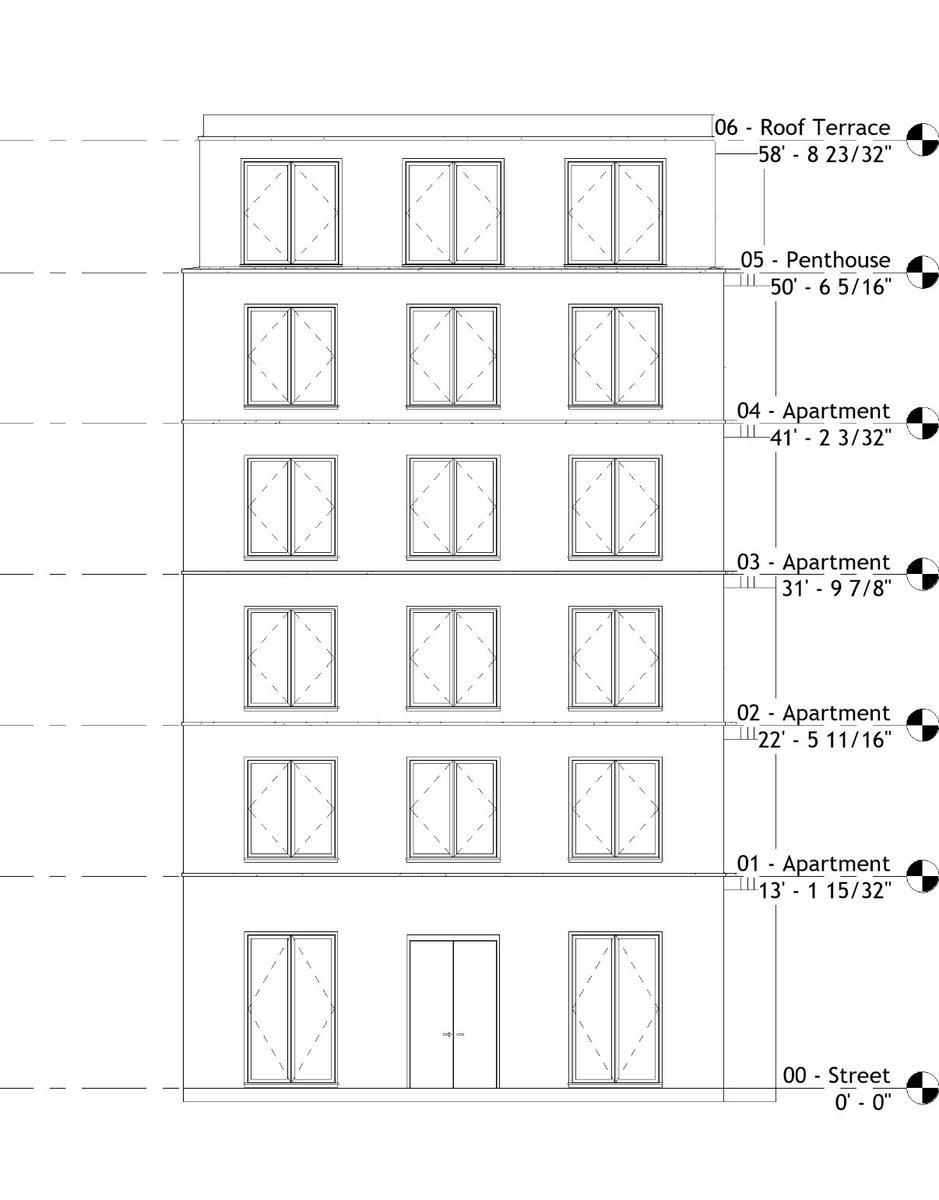
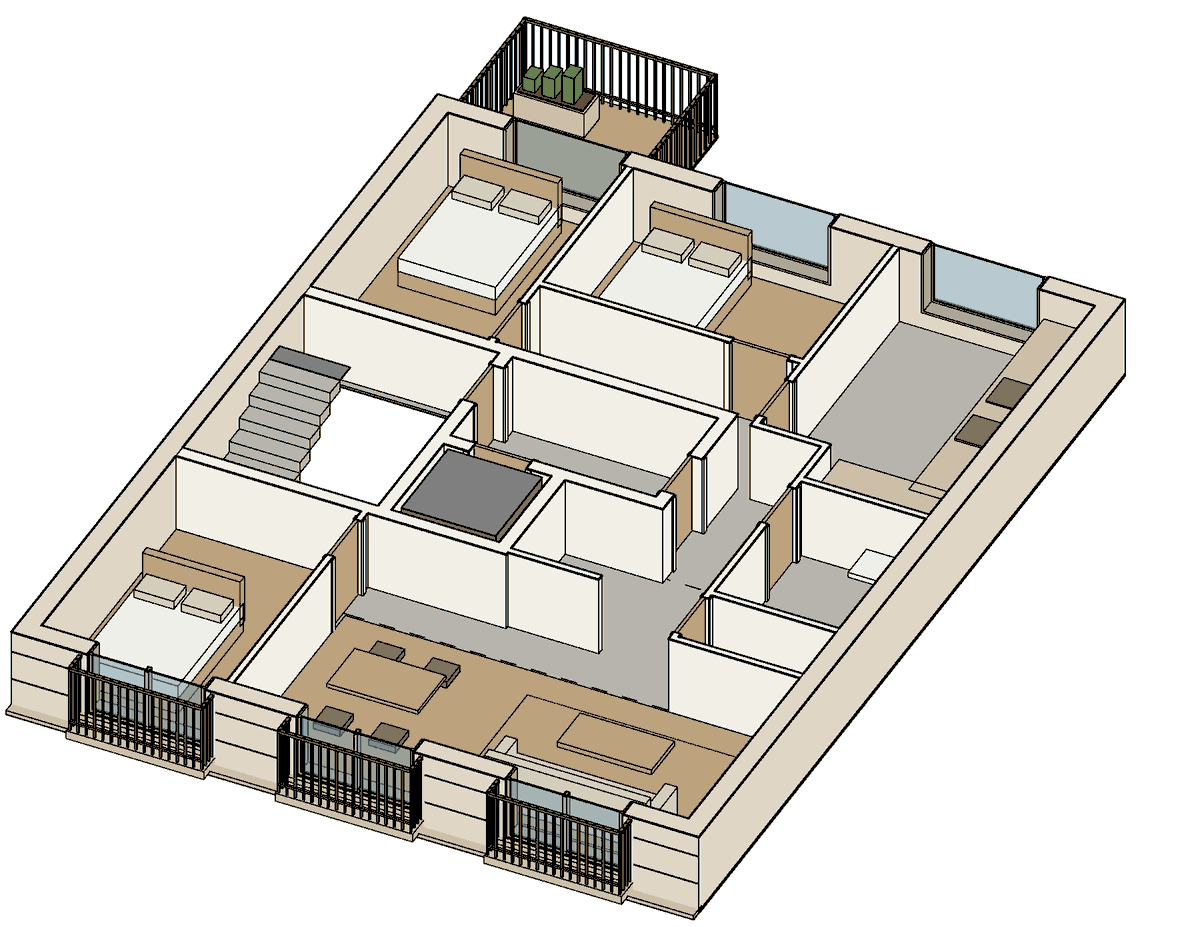
Thought it would be interesting to put these same inputs through a code-mode Revit MCP we developed - would Astra prefer to write C# or be so generally post-trained for computer use that it's better using the UI? I can't gauge the full quality of the model but seems like C# wins
Took 22 minutes vs 1hr+, some rough edges with compilation but that is ergonomics that could be fixed. Astra's final audit: zero Revit warnings. One random extra rear balcony though!
Architecture by VIDA Architecture Visualization by https://t.co/rNb9OygOmu (2023)
Thought it would be interesting to put these same inputs through a code-mode Revit MCP we developed - would Astra prefer to write C# or be so generally post-trained for computer use that it's better using the UI? I can't gauge the full quality of the model but seems like C# wins
with all the ChatGPT Astra hype, it was time to dabble and see if AGI could tackle its toughest benchmark yet: Autodesk Revit. Here’s the initial input and output. 30 minutes in, it’s really struggling with hosted elements (don’t we all), but haven’t run the QA agent yet