Lemme post for you guys screenshots of the list of IEBC Offices across the country in all the 47 Counties. This is where Continuous Voter Registration is taking place.
7/8
But here’s the twist: the recommendation was never implemented.
Instant showers remain common; especially in urban homes.
Kenya's energy challenges still persist.
As population & energy demand grows, the discussion about banning or regulating instant showers may resurface.
6/8
The report recommended:
- Ban import & use of instant hot showers
- Switch to safer, more stable alternatives like Solar Water Heaters (SWH)
- Enforce Minimum Energy Performance Standards (MEPS) for all water heating devices
Saving energy is cheaper than generating more.
5/8
What happens during peak demand?
- Voltage drops
- The power producer has to switch on expensive backup plants
- The cost of electricity increases
- Risk of localized blackouts rises
All because of a few minutes of synchronized showering.
4/8
Two concepts to understand the problem:
- Total power generation (kWh): the electricity Kenya produces
- Peak demand: the moments when consumption suddenly spikes
Even if the total energy is enough, these peaks stress the grid.
3/8
Here’s the key:
These showers draw 3 - 9 kW per unit depending on the model; and millions of households use them at the same time - mainly in the morning/evening.
This creates a massive, synchronized spike in electricity demand.
2/8
What they found was surprising:
Kenyan households, especially in Nairobi, were using electricity very inefficiently.
The biggest culprit?
Domestic water heating - mostly instant hot showers.
1/8
Around 2013, the Ministry of Energy and Petroleum hired a German firm (Lahmeyer International) to plan Kenya’s 20-year energy future (2015–2035).
Their goal?
Make the national grid more reliable and efficient.
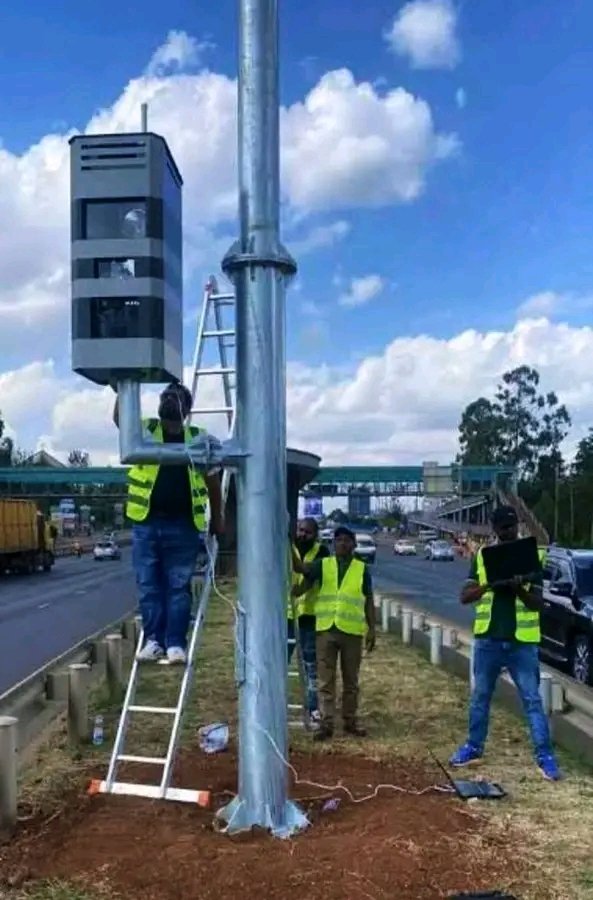
SPEED CAMERA LIMIT in Nairobi.
Safari Park – Thika Road: 110 km/h
Jomoko – Thika Turnoff (Thika Road junction area): 80 km/h
Allsops / GSU HQ – Thika Road: 80 km/h
Pangani / Muthaiga Interchange – Thika Road: 80 km/h
Roysambu / TRM area – Thika Road: 80–100 km/h
Southern Bypass – Virtual Weighbridge (Kikuyu side): 80 km/h
Southern Bypass – Ngong Road Interchange: 80 km/h
Northern Bypass – After Gitaru near Wangige: 80 km/h
Northern Bypass – Ruaka / Wangige stretch: 80 km/h
Expressway – Museum Hill exit to Westlands: 80 km/h
Expressway – After Nyayo Stadium: 80 km/h
Mombasa Road – Nyayo Stadium area: 80 km/h
Mombasa Road – Sameer Business Park / GM area: 80 km/h
Mombasa Road – Cabanas / JKIA approach: 80 km/h
Waiyaki Way – Kangemi / Uthiru stretch: 60–80 km/h
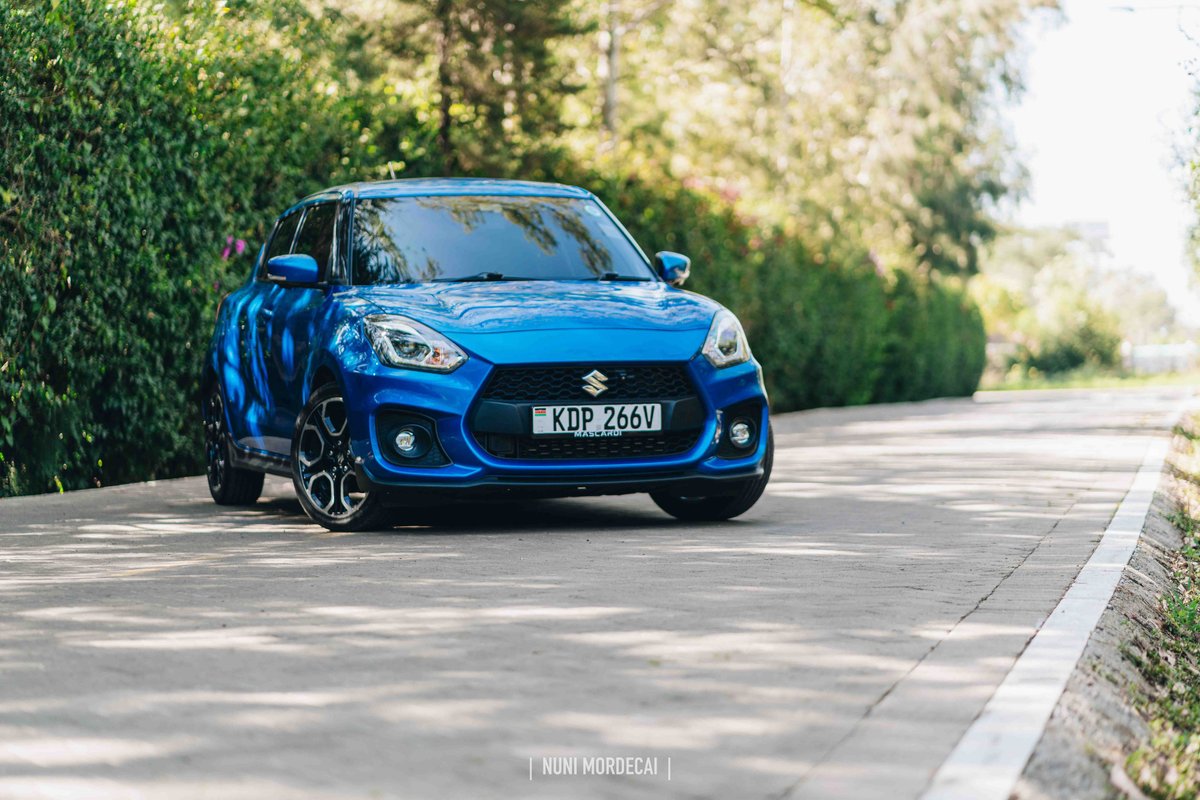
The coming month never came, mostly due to me procrastinating this review. But I'm sort of glad I did because I have learnt so much more about the ZC33S platform. I have done city drives, highway drives, road trips, tracked it, done some modifications as well.
📸 @nmordecainu