Thank you Kenya, you are doing the right thing
And thank you Dr. Mutua, well said
In a bold stance against external pressures, the Kenyan government has reaffirmed its commitment to banning trophy hunting, 47 years after its initial prohibition.
https://t.co/CqmfONtDGl
Vast areas of African #savanna grasslands threatened by inappropriate tree-based restoration. With @nicola_stvns @mariskatebeest https://t.co/UE2OtUeMM0
TIME TO TAKE SIDES ON TROPHY HUNTING IN AFRICA
The recent murder of two famous Amboseli elephants in Tanzania in a paid to kill “hunt” has horrified Kenyans and the global conservation community. Adding salt to the wound, two people, not indigenous Africans, argue that Kenya is hurting Tanzania’s economy by refusing to open up trophy hunting.
I feel like we are in upside-down and inside-out world and unless we speak out and LOUDLY, these selfish, greedy, money adoring, animal hating hunters will destroy what’s unique to Africa, our spectacular wildlife which sets our continent apart.
For too long we have allowed them to dictate our religious beliefs, our politics, how we use our resources, the prices we pay for everything, and now, how we kill off what’s special, beloved and sacred.
The push from the Global North for African countries to embrace trophy hunting as a means of conservation and economic development is not only misguided but deeply offensive. Trophy hunting does not aids in poverty alleviation! It is outdated and morally corrupt practice, and reading language like Africa needs it because of our "population explosion" makes my blood boil.
Go back I say, to your global north country and hunt your squirrels. It’s all you have left in many places. Leave our iconic beings, our totems alone if you can’t feast on them with your eyes only.
Trophy hunting is often touted as a solution to poverty, with proponents arguing that it brings in significant revenue. However, the reality is starkly different. The economic benefits are marginal at best, with a disproportionate amount flowing back to foreign outfitters and a minuscule portion reaching the local communities that bear the cost of living alongside wildlife. The argument crumbles under scrutiny, revealing a narrative that serves external interests rather than local welfare.
And the term "population explosion" is not only pejorative but also echoes colonial-era rhetoric aimed at controlling and managing the African populace. This language frames Africa as a problem to be solved, not a continent of wealth in heritage diverse peoples and rich histories. It justifies intrusive conservation efforts, including trophy hunting, under the guise of managing wildlife populations, without addressing underlying issues such as habitat loss or human-wildlife conflict resolution.
How do you measure the cost of cultural and traditional disrespect?
I’ve been filming nature across the continent, and if there’s one thing I’ve leaened, African societies possess a profound connection with their natural environment. Wildlife is integral to our cultural and spiritual lives. Trophy hunting, with its focus on killing for sport, stands in stark contrast to these values. It represents a blatant disregard for the traditions and beliefs that have governed human-animal relationships in Africa for centuries, further alienating local communities from conservation efforts.
Trophy Hunting is Neocolonialism
The promotion of trophy hunting as a conservation strategy by the Global North is increasingly being seen as a form of neocolonialism. It perpetuates a cycle of dependency and exploitation, with African countries being told how to manage their natural resources. This dynamic undermines the sovereignty of African nations and disregards their capacity to develop alternative, sustainable approaches to conservation that align with their social, economic, and environmental goals.
So Yes, I’m angry. My blood is boiling at the arrogance that anyone would suggest that sayng no to trophy hunting is an attack on.any nations economic aspirations. This is not only flawed but deeply offensive. It reflects a neocolonial mindset that fails to respect African peoples aspirations, cultural values and sovereignty.
If you want to help wildlife in Africa, support the continent's people and its natural heritage.
#OurElephantsOurHeritage
#HuntersNotWelcomeInKenya
#LISTENtoAFRICA
@NaturalStateOrg President, Prof. @BaillieJonathan speaks at the annual Heron-Allen Lecture at LMH, supported by @WildCRU_Ox!
Join our President on the "Journey to 30 by 30" quest, exploring the ambitious goal of protecting 30% of global habitats by 2030.
March 1st | 🆓 RSVP: https://t.co/3VG24xHswV
#Biodiversity #conservation #NaturePositive #30by30 #ClimateActionNow #NetZero
TBT
Memorable moments during the "SAVE THE MAU" initiative.
@HeartsOfGreen joined KFS, KWTA, KWS, the Mau Community other stakeholders in the clarion call to restore the Mau forest that support millions of people, drive economic development and serves as habitat for wildlife.
TREE-FUL TUESDAY
KNOW THE TREE, LOVE THE TREE, PLANT THE TREE.
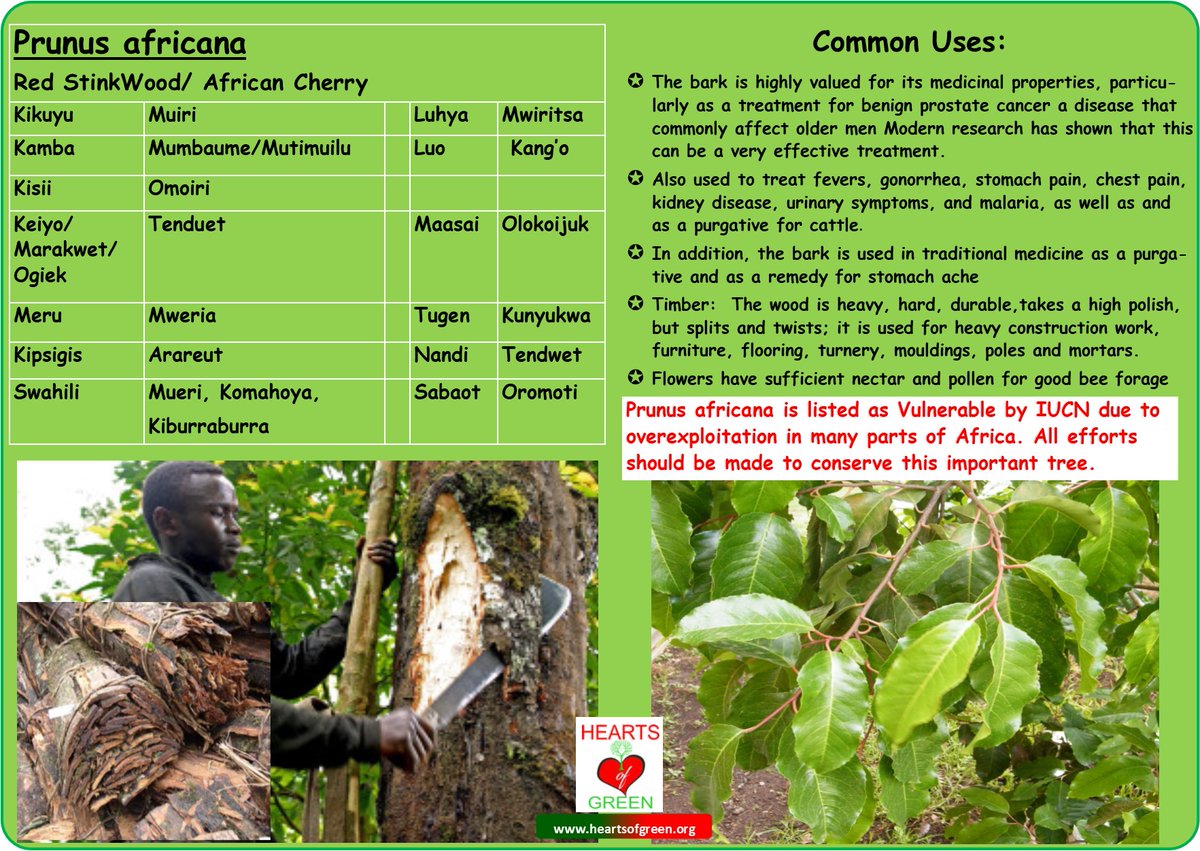
Prunus African, Red stinkwood
This is a very important tree in many African communities due to its unmatched potential in the world of medicine especially as a remedy for prostate cancer.
Eight things the world must do to avoid the worst of #ClimateChange
1. Stop methane emissions
2. Stop deforestation
3. Restore degraded land
4. Change what we eat
5. Go #RenewableEnergy
6. Use energy more efficiently
7. Stop burning #FossilFuels
8. #ActNow
https://t.co/8wNURqsLfL
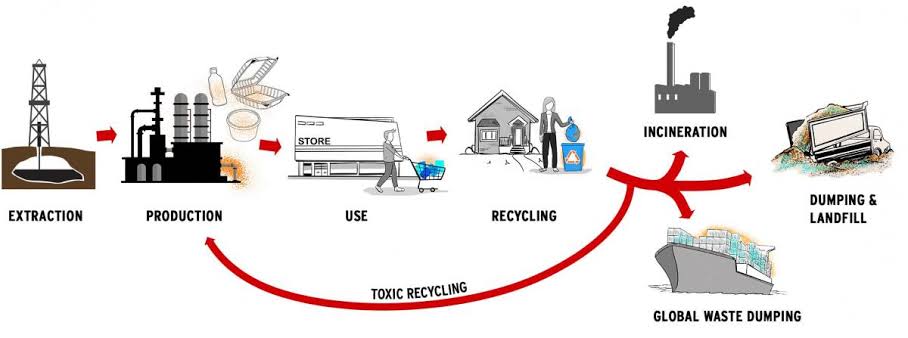
Recycling alone is not enough to #BeatPlasticPollution!
Creating a circular economy for plastic is critical to tackling the triple planetary crisis and improving lives for everyone, everywhere.
Ahead of #WorldEnvironmentDay, see how you can be part of the solutionsRecycling alone is not enough to #BeatPlasticPollution!
Creating a circular economy for plastic is critical to tackling the triple planetary crisis and improving lives for everyone, everywhere.
Ahead of #WorldEnvironmentDay, see how you can be part of the solutionsRecycling alone is not enough to #BeatPlasticPollution!
Creating a circular economy for plastic is critical to tackling the triple planetary crisis and improving lives for everyone, everywhere.
Ahead of #WorldEnvironmentDay, see how you can be part of the solutionsRecycling alone is not enough to #BeatPlasticPollution!
Creating a circular economy for plastic is critical to tackling the triple planetary crisis and improving lives for everyone, everywhere.
Ahead of #WorldEnvironmentDay, see how you can be part of the solutions:
📢 Call for applications!
Level up your reporting skills and join the YOUNGO Finance Working Group - Finance Reporting Training program!
Apply here: https://t.co/Sc5uVCYumg before the May 31, 2023 deadline at 23:59 UTC.
#BiophiliCareersBoard
For more than hundred years, we've had the opportunity to pump energy out of the ground virtually for free. We've used cheap fuel to build the world around us,and we've created amazing things,wasted valuable resources and made a mess while we were at it.
#ClimateEmergency
Every day, millions of plastic pellets - lentil-sized pieces of microplastic - are pouring into our ocean, spilling from ships transporting them around the world.
It’s time the International Maritime Organization (IMO) takes action to put an end to this catastrophe.
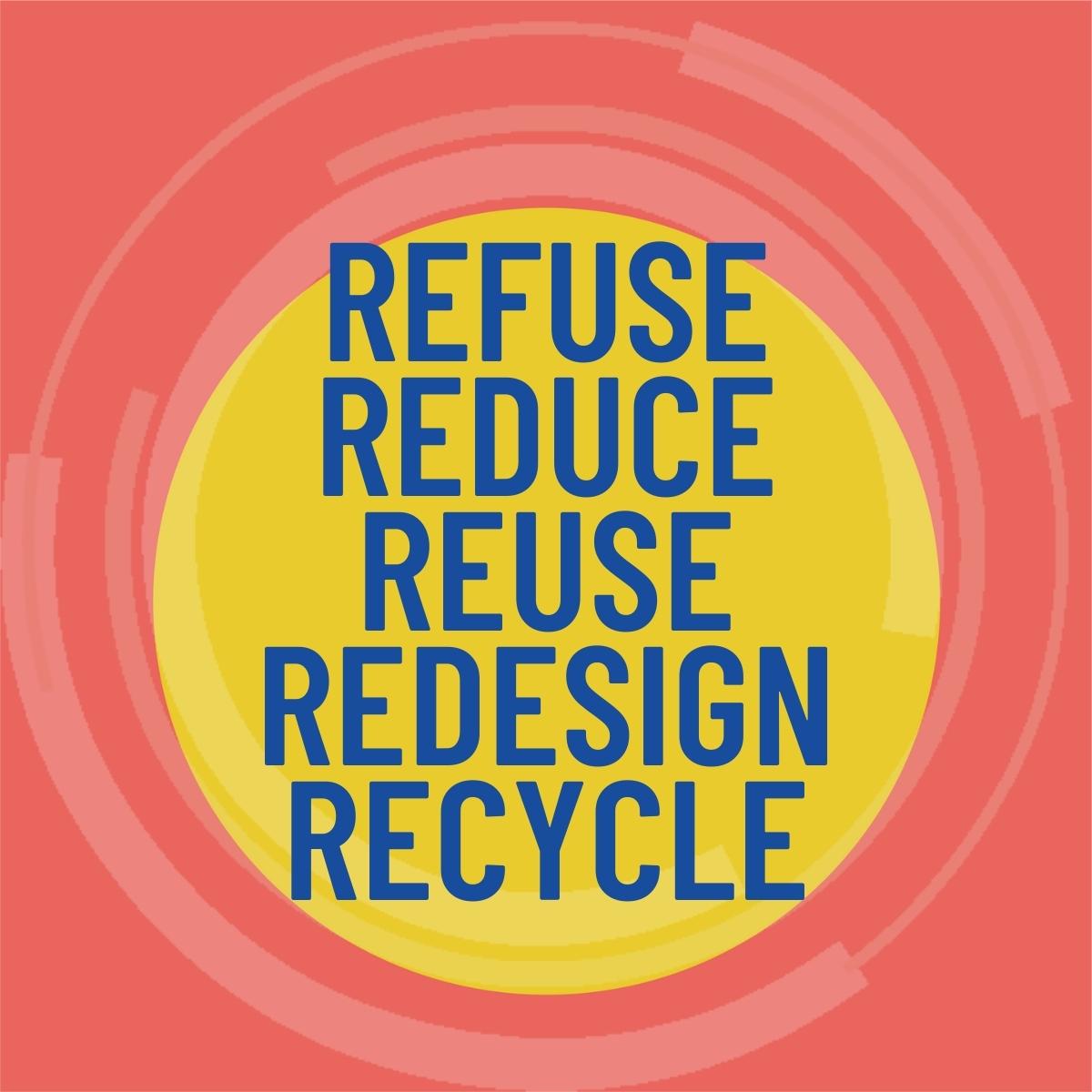
🔸Refuse
🔸Reduce
🔸Reuse
🔸Redesign
🔸Recycle
A sustainable zero-waste future is in our hands.
More from @UNEP & @UNHABITAT on Thursday’s first-ever #ZeroWasteDay: https://t.co/fZw4VoLjzc
This #ZeroWasteDay, we call on @UN member states to join our efforts to build zero waste initiatives that will restore justice to the communities that bear the burden of pollution from waste disposal, the extraction and manufacturing of virgin raw materials, & justice to nature.
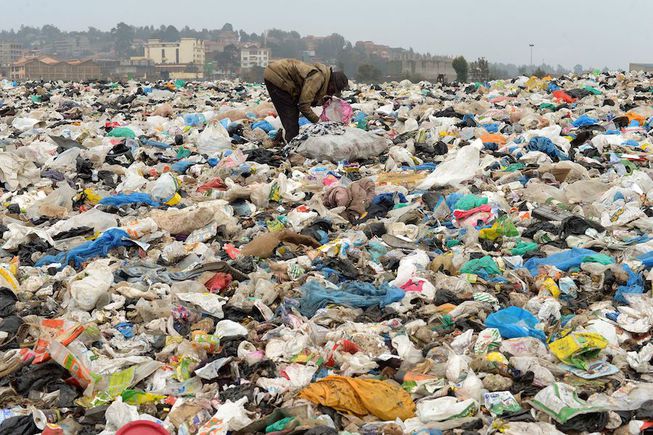
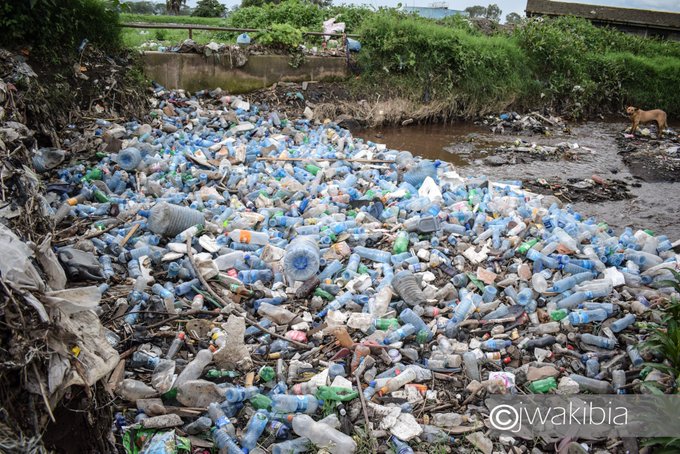
Plastic as a percentage of Municipal Solid Waste (MSW) for sub-Saharan Africa is higher than the global average, at 13% & is a waste stream of growing concern for the continent. With weak waste collection systems and disposal of waste to uncontrolled and controlled dumpsites,