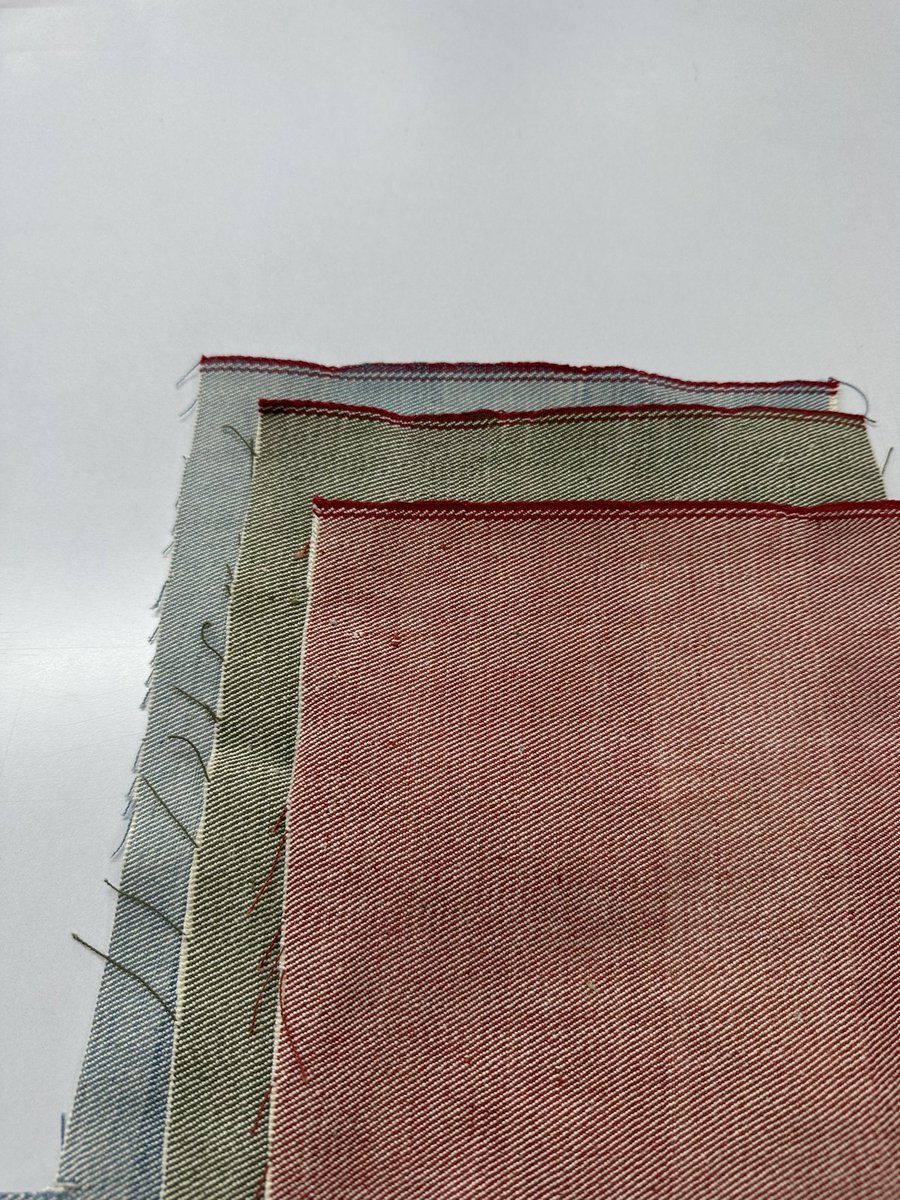
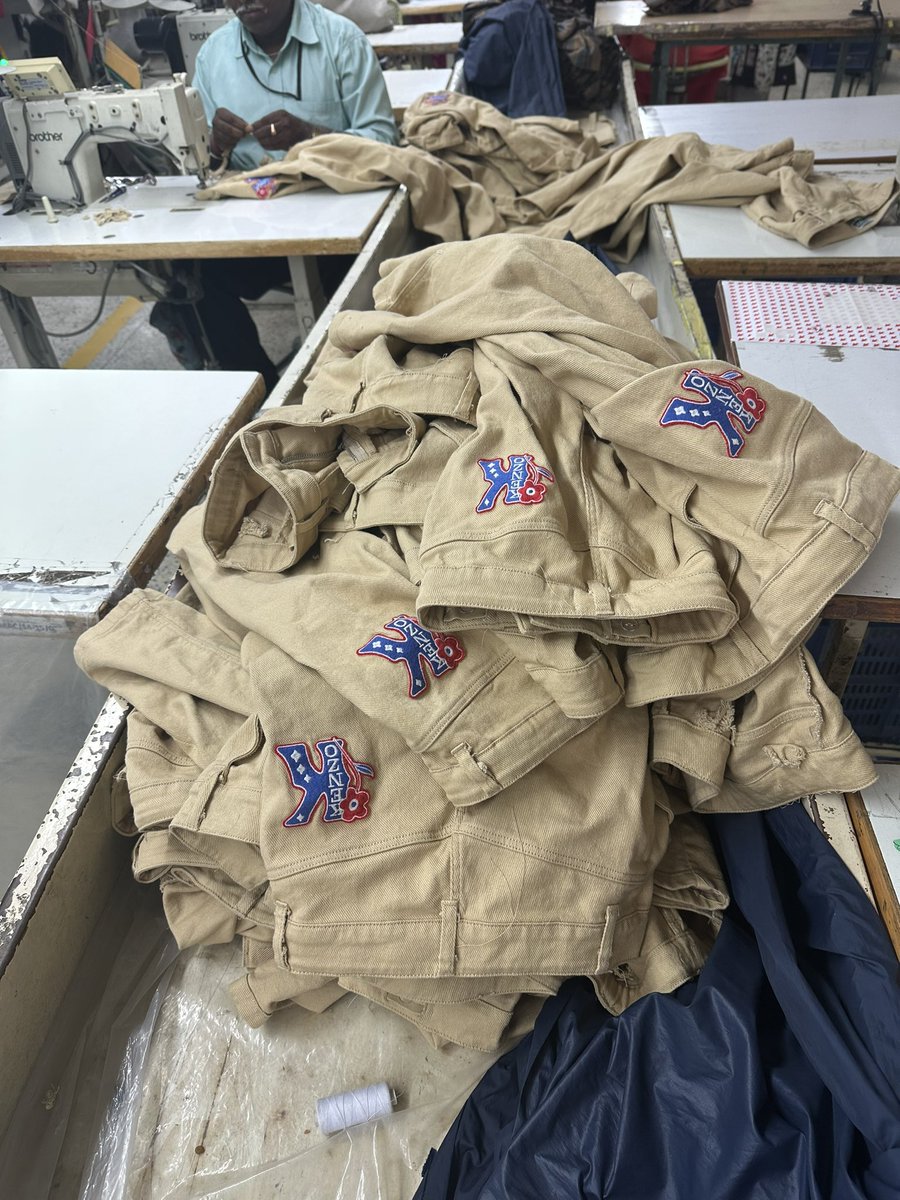
https://t.co/3DkjwRbG93 is finally live. We give you direct access to over 200 factories behind the most influential clothing brands. They are from all over the world and produce high quality goods.
Factory of the Week: Blank Studios
Located in Bangalore, this woman-owned and operated factory is truly a marvel. Working with brands such as Story MFG, Shivangi's community-focus delivers wonderful products.
Reach out to [email protected]
MOQ: 50
Factory of the Week: Yamazaki
They knit fabric for Christian Dior, Gucci, Fendi using circular knitting machines.
Reach out to the President and Founder himself, Yamazaki at [email protected]
Website is Japanese only: https://t.co/Fk0QdKXwP4
Factory of the Week: Gianetti
A serious partner - be prepared with a strong record of sales, extremely detailed techpacks, and reference samples.
Reach out to Ava: [email protected]
Wonderful recent collab with Holly Studio.
Visit: https://t.co/Omt008F9lT
Factory of the Week: CN Greatest (Donguan)
This Chinese factory specializes in hats - you think it, they make it.
Libby ([email protected]) is a dream to work with.
MOQ: 150
Factory of the Week: Expoflex
This Colombian factory specializes in activewear and their fabric is easily of the same quality as Lululemon or Alo Yoga.
Contact our freind Daniel Alarcon via Whatsapp at +57 300 7837180.
MOQ: 100
https://t.co/bMJP9UdWnp
Stepping into our third block printing unit during our India trip - by far the most fascinating.
Tharangini has one of the most extensive collections of blocks in Bengaluru - a city of 30 million people with only 3 block makers left.
@hemangvv @kaidi_wu@oheyandrea Speaking with factory management in India, we are hearing similar reporting - especially in terms of willingness to consider the holistic operation as opposed to interpersonal relationships
@kaidi_wu These are very interesting findings that partially align with the realities we are seeing on the ground in India, at least in the context of textile manufacturing
In this factory, the fabric is relaxed before being laid flat and cut.
This translates to only a 4-6% shrinkage - a huge difference when you consider the tens of thousands of inches or centimetres at stake.
Laying out fabric like this makes the shrinking process far more efficient.
Typically, most factories would simply unroll the fabric and send it for shrinking. With natural fibres like cotton, that usually translates to 8% shrinkage.