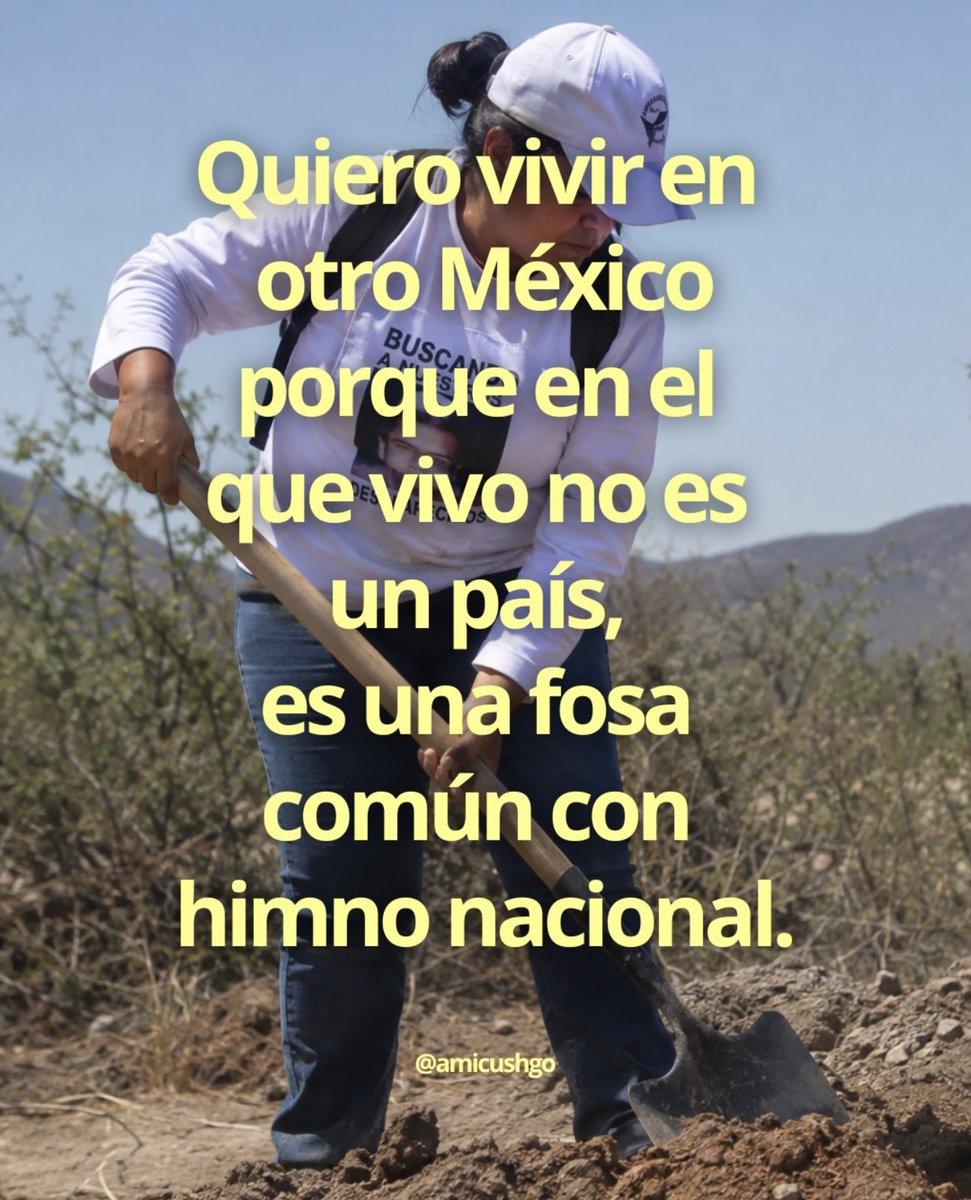
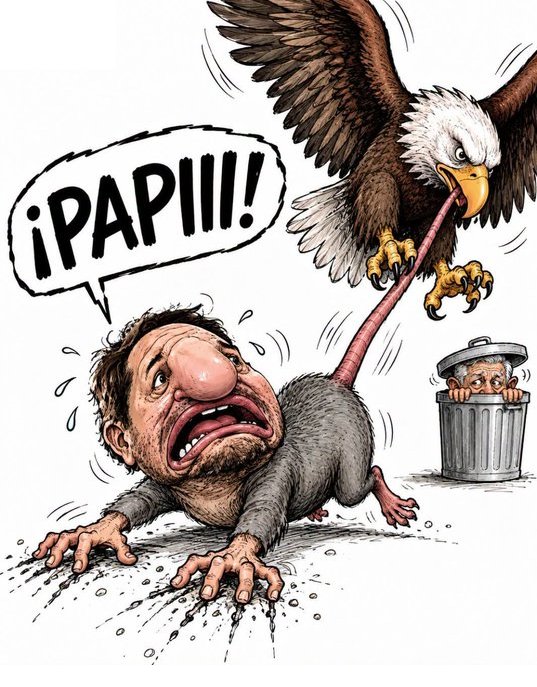
337 periodistas y defensores de derechos humanos asesinados durante el sexenio del PEJE, según una investigación del Centro de Derechos Humanos de Berkeley. Además, documenta espionaje y persecución contra quienes exigímos cuentas al poder.
¡Ese es el saldo del @PartidoMorenaMx! Un gobierno que debía proteger a quienes denunciamos al crimen organizado terminó vigilando a los críticos como si nosotros fuéramos sus enemigos.
“Abrazos, no balazos”: ¿para proteger a los criminales?
México merece mejores gobernantes, justicia y una investigación a fondo sobre la complicidad entre el PEJE, sus hijos y sus amigos delincuentes. ¡Basta de impunidad!
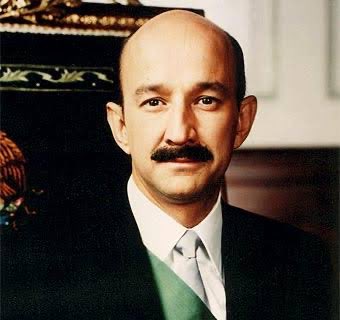
¿Qué tan preparado académicamente estaba Carlos Salinas de Gortari antes de convertirse en presidente de México?
Su formación comenzó en la Escuela Nacional Preparatoria No. 1, en el Antiguo Colegio de San Ildefonso. Después estudió Economía en la UNAM, donde obtuvo su título en 1970. Pero su preparación continuó en Estados Unidos: en Harvard obtuvo una maestría en Administración Pública en 1973, una maestría en Economía Política en 1976 y, finalmente, un doctorado en Economía Política y Gobierno en 1978.
Así, antes de llegar a la Presidencia en 1988, Salinas había construido una formación académica especializada en economía, administración pública y gobierno, combinando su licenciatura en la UNAM con tres grados de posgrado obtenidos en Harvard.
A thousand years before modern boats crossed the waters of Lake Waccamaw, Native craftsmen were building vessels that could carry people, goods, and knowledge across the region.
Archaeologists recently recovered a remarkable 28-foot dugout canoe from Lake Waccamaw in North Carolina, a discovery believed to be connected to the ancestors of today’s Waccamaw Siouan Tribe. Estimated to be around 1,000 years old, the canoe offers a rare look at the skill, engineering, and craftsmanship of Indigenous peoples long before European contact.
Carved from a single massive tree trunk, the vessel demonstrates an impressive understanding of woodworking, transportation, and life on the waterways that connected Native communities throughout the Southeast.
Because the canoe remained preserved beneath the lake’s waters for centuries, experts have been able to study details that are rarely found in artifacts of this age. The discovery is helping researchers learn more about how Native peoples traveled, traded, fished, and interacted with neighboring communities.
For the Waccamaw Siouan people, the canoe is more than an archaeological find. It is a connection to ancestors whose knowledge, innovation, and traditions helped shape the region for generations.
Discoveries like this remind us that Native history is not buried in the past. It continues to emerge, teaching us new lessons about the ingenuity and achievements of the first peoples of North America
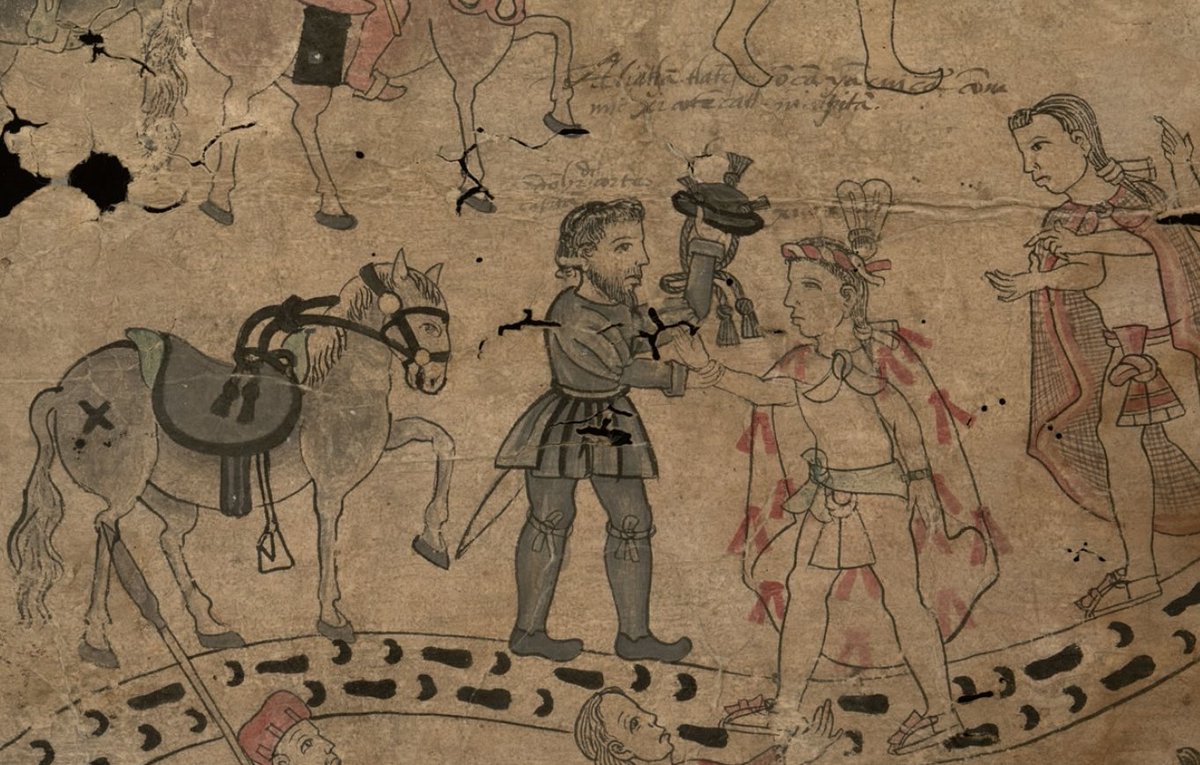
En la Universidad de Texas en Austin sobreviven dos documentos pictográficos que representan el recibimiento de Hernán Cortés y sus hombres en la provincia de Tlaxcala.
Conócelos en la Biblioteca Digital Mexicana: https://t.co/q0zXBbRbL4