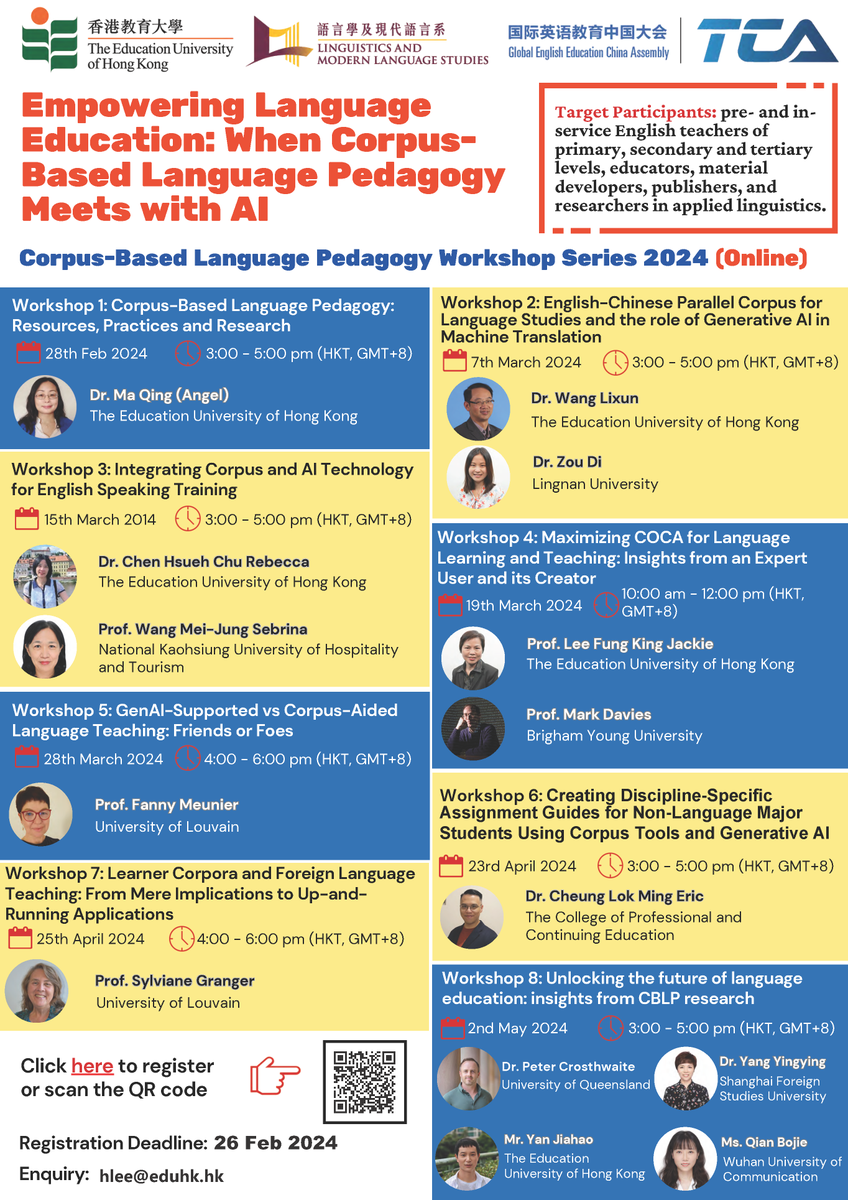
Very happy to be part of this fantastic series for corpus-based language pedagogy / DDL! Some great speakers and good friends. Try to attend each one! #corpuslinguistics
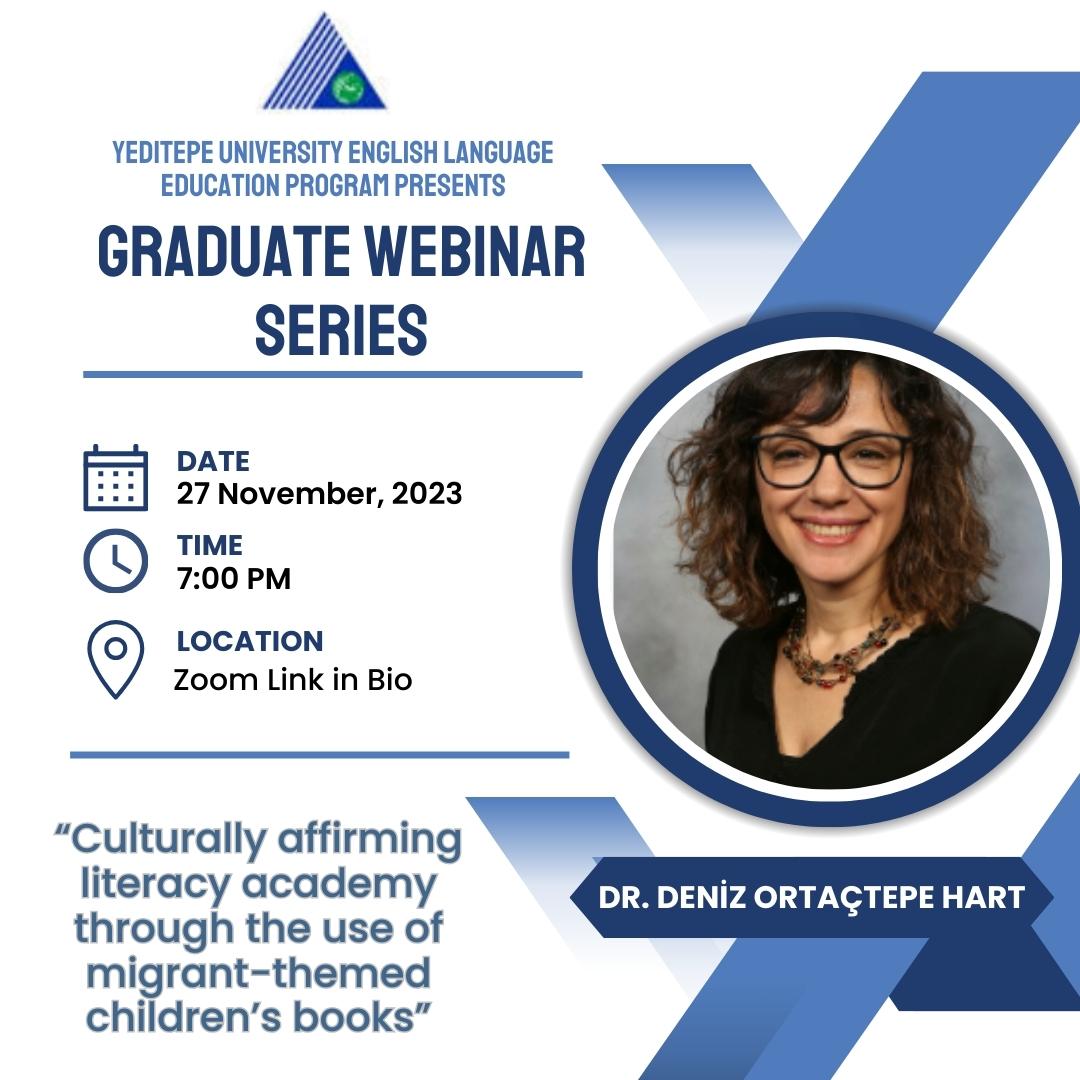
Mark your calendar for our upcoming free webinar on November 27 at 7 pm (TRT). As @EltYeditepe , we are having Dr. Deniz Ortaçtepe Hart @OrtactepeHart from University of Glasgow.
All interested are cordially invited.
Zoom Link: https://t.co/1G2DlKQ0rp
@LetrasUM #corpuslinguistics#appliedlinguistics Breaking ground: Discussing the present and the future of Data-driven learning – Free Online seminar December 4, 10:00-13:00 (Madrid/Paris) Convenors @CarlosOrdonana Alessandra Cacciato Info & registration https://t.co/skYdipsKdt
Mark your calendar for our upcoming free webinar on November 27 at 7 pm (TRT). As @EltYeditepe , we are having Dr. Deniz Ortaçtepe Hart @OrtactepeHart from University of Glasgow.
All interested are cordially invited.
Zoom Link: https://t.co/1G2DlKQ0rp
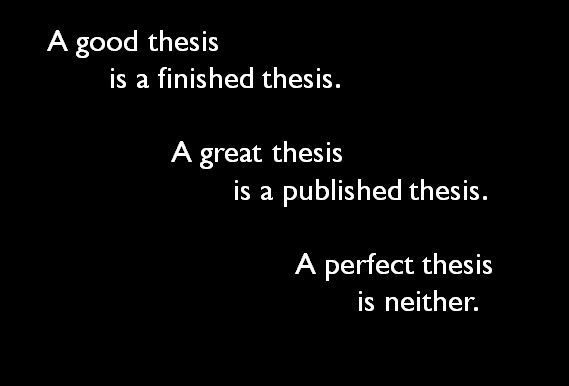
A good thesis is a finished thesis.
A great thesis is a published thesis.
A perfect thesis is neither.
Stop going round in perfectionistic circles and get it done.
#PhDchat#ECRchat#postdoc#PhDforum
Pleased to get the first copies of my third book in the Routledge ‘Basics’ series, this time co-authored with my great friend Steve Walsh. https://t.co/eOy1faNzuf
This is a practical handbook, written in a non-academic, teacher-friendly style, to show teachers how they can engage in research.
Download it here: https://t.co/hRhNh9VJXl
#TeachingEnglish#ProfessionalDevelopment
Corpus Chronicles: The Power of Collocation and Concordance
Welcome back to our “Corpus Chronicles” series! In this second entry, we’re exploring two fundamental concepts in Corpus Linguistics: collocation and concordance. #CorpusChronicles#CorpusLinguistics#Collocation #Concordance #LanguagePatterns #EmpiricalLinguistics #InterconnectedLanguage
Let’s start with language teaching. Corpus Linguistics has revolutionized how we teach and learn languages. By analyzing real-world language use in corpora, we can design teaching materials that reflect authentic language patterns, helping learners to understand not just the ‘rules’ of a language, but how it’s actually used in practice. For example, corpora can reveal which vocabulary and grammatical structures are most frequent and therefore should be prioritized in teaching.
Next, we have lexicography, the art of dictionary-making. Corpus Linguistics has transformed this field by providing lexicographers with a wealth of data on word usage, meaning, and variation. This has led to more accurate and comprehensive dictionaries that truly reflect the richness and diversity of a language.
Finally, let’s talk about discourse analysis. Corpus Linguistics allows discourse analysts to study how language is used in specific contexts, such as politics, media, or everyday conversation. By examining patterns of language use, they can uncover the underlying ideologies and power dynamics that shape our communication.
In short, Corpus Linguistics is not just a theoretical field – it’s a practical tool that can enhance our understanding and use of language in various domains. Stay tuned for more insights in our next “Corpus Chronicles” entry!
#CorpusChronicles #CorpusLinguistics #LanguageTeaching #Lexicography #DiscourseAnalysis #RealWorldLanguage #LanguageInContext #CorpusInAction
FYI: English for Specific Purposes: Call for Student Editorial Board Members: English for Specific Purposes is calling for applications for the Student Editorial Board (SEB) 2023-2024. SEB members will be invited to work on at least two editorial peer… https://t.co/QYsfWcW3i8