The reason for that is...
A. HTMX doesn't provide a 1:1 feature-set alternative to React. e.g. It doesn't provide a component model or rendering engine.
So, it's not a strict replacement for React in that sense.
BUT...
B. HTMX does provide an alternative methodology and set of capabilities to React, which can be used to build solutions for the same types of problems.
So, in that sense, it is a replacement for React.
Now in the #FOSSASIA Summit 2021 #Web and #Mobile Technologies track! Neha @gnehapk shares about What is React Server Side Rendering and do I really need it for my Web Application? More details https://t.co/3qZ6lpG4DO @fossasia#OpenSource#FOSS
Most people work on applications that use #React, but they lack the knowledge of #SSR - what is it, how it can be implemented with React, its usage.
For details join lighting talk at #FOSSASIA Summit 2021 at 12:45 p.m.(GMT) on 14th March. https://t.co/u6sVCaixBv @fossasia#FOSS
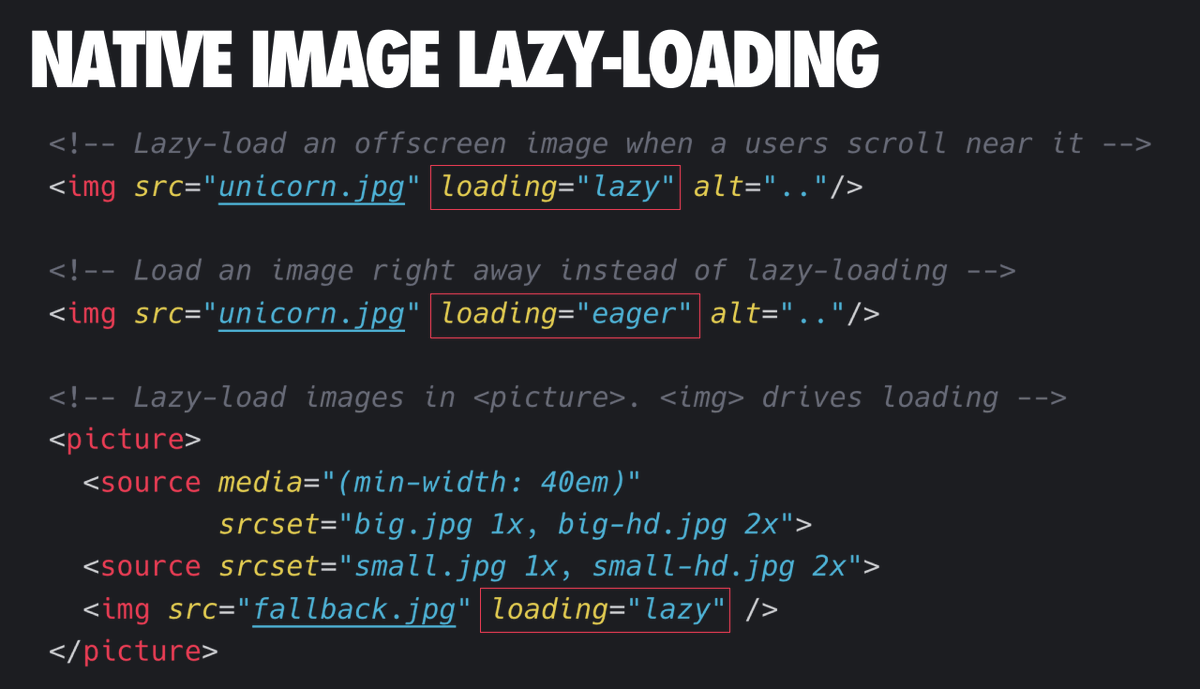
Native <img> lazy-loading is coming to the web! https://t.co/LgF7F1iMgR <img loading=lazy> defers offscreen images until the user scrolls near them. Shipping in Chrome ~75 https://t.co/4gR7lvx4zx
By age 35 you should have a junk drawer filled with USB flash drives you’re reluctant to throw out because you don’t know what’s on them but are reluctant to plug in because... you don’t know what’s on them
Handful of React links!
⚛️ Optimizing React: Virtual DOM explained https://t.co/fN4dKPqxA3
⚛️ A complete React with GraphQL Tutorial https://t.co/ASYqK9JZ8j
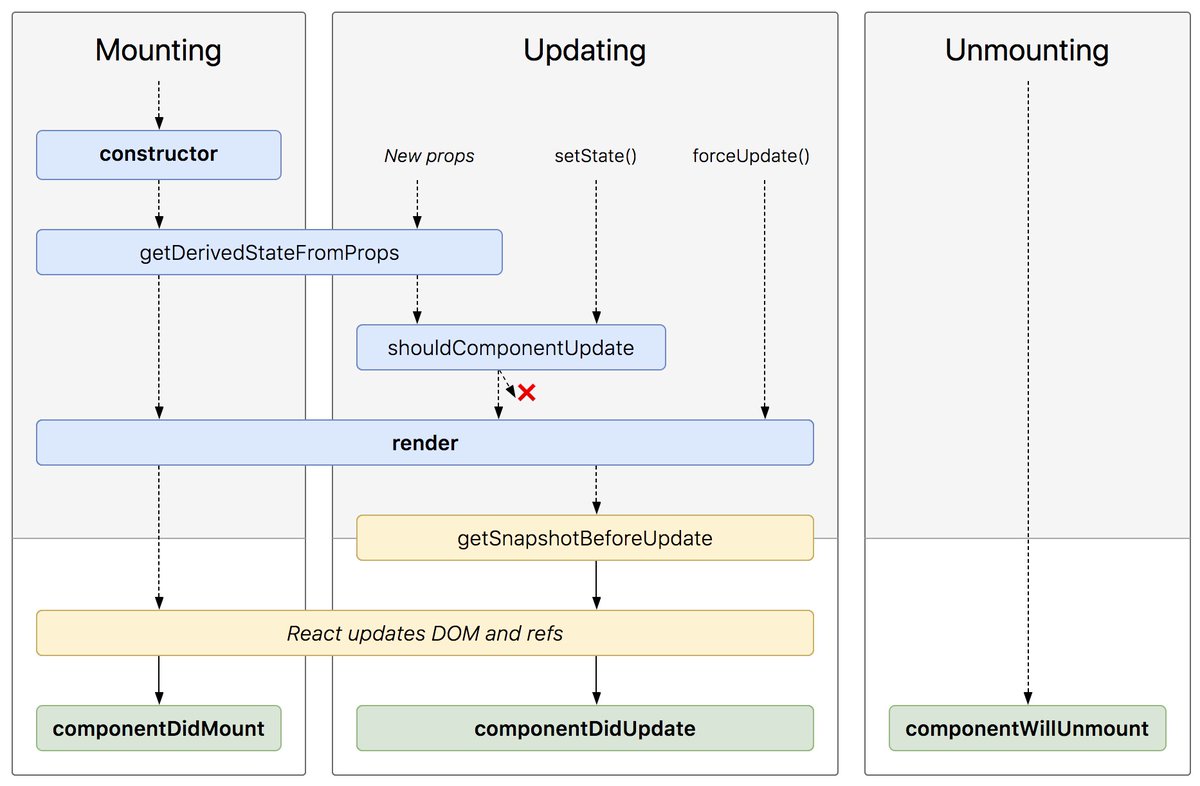
⚛️ Diagram of the React component lifecycle https://t.co/L7Qgih9tXO