When we build muscle memory our brain constructs new pathways to control our muscles, vision, and other senses. Building muscle memory is hard to do because we are linking parts of our brain not accustomed to working together.
Read more here: https://t.co/JPTuCHI06N
Most of us believe our conscious brain carefully guides our path. We reassure ourselves that subconscious desires are subservient to our all-powerful reason. But brain research shows it’s the exact OPPOSITE.
Continue reading here: https://t.co/4NY8jKTutj
Too often, we design work and personal decision making so a bad choice is the path of least resistance. If you want to make better choices, then make the good choice effortless and the bad choice difficult.
Read more here: https://t.co/WqMaC8HE3z
Want to change a stubborn habit? Then you’ve got to treat your misbehaving brain like it’s a puppy. Most of us formulate a behavioral change strategy by mustering all the power of our RATIONAL brain.
Read more here: https://t.co/YhaWkGrqUA
Brain research shows that most of us tend to underestimate just how powerfully random events shape our world. All of us have a deep need to feel as though we're in control of our lives. DEFENSIVE ATTRIBUTION will tempt us to concoct a dramatic story with a VICTIM or PERPETRATOR.
Don’t eat bad food. It’s dangerous to eat laundry pods or inhale cinnamon. When others tell us we shouldn’t do something, we often respond with twisted, self-destructive behaviors. Our primary goal becomes rescuing our dignity and proving the other person wrong.
Most of us believe we primarily make decisions with our conscious, rational brain and that occasionally our subconscious desires lead us astray. Bad news. Brain science clearly shows it’s the exact OPPOSITE.
Read more here: https://t.co/Pz6OGTWKTd
#behavioraleconomics
Research shows that most of us underestimate how powerfully FEAR and EXCITEMENT diminish the quality of our decisions. Potent brain chemicals hijack our brain, compelling us to GORGE or RUN AWAY.
Read more here: https://t.co/4kDk8tonlr
#behavioraleconomics#psychology#fintech
This is our brain’s tendency to believe winning stories are the norm because the losers are no longer around to provide contradictory evidence. We only hear about the big wins, and this gives us a badly distorted view of what it takes to actually succeed.
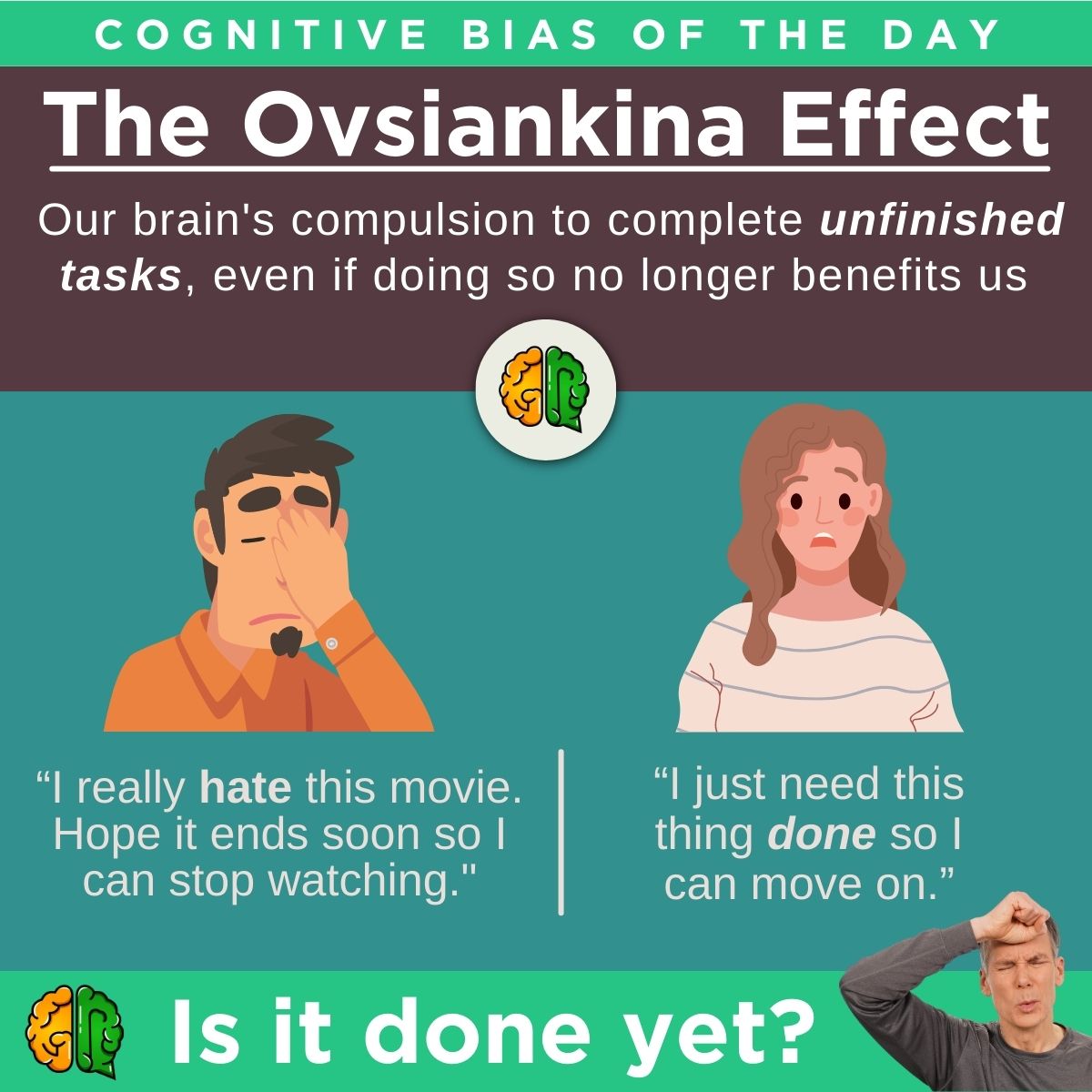
Our brain craves closure. This compels us to start things, hate them, then bizarrely struggle through to the bitter end. The Ovsiankina Effect compels us to prolong our own suffering but there’s good news. We can use this bias to short circuit another bad habit - procrastination.
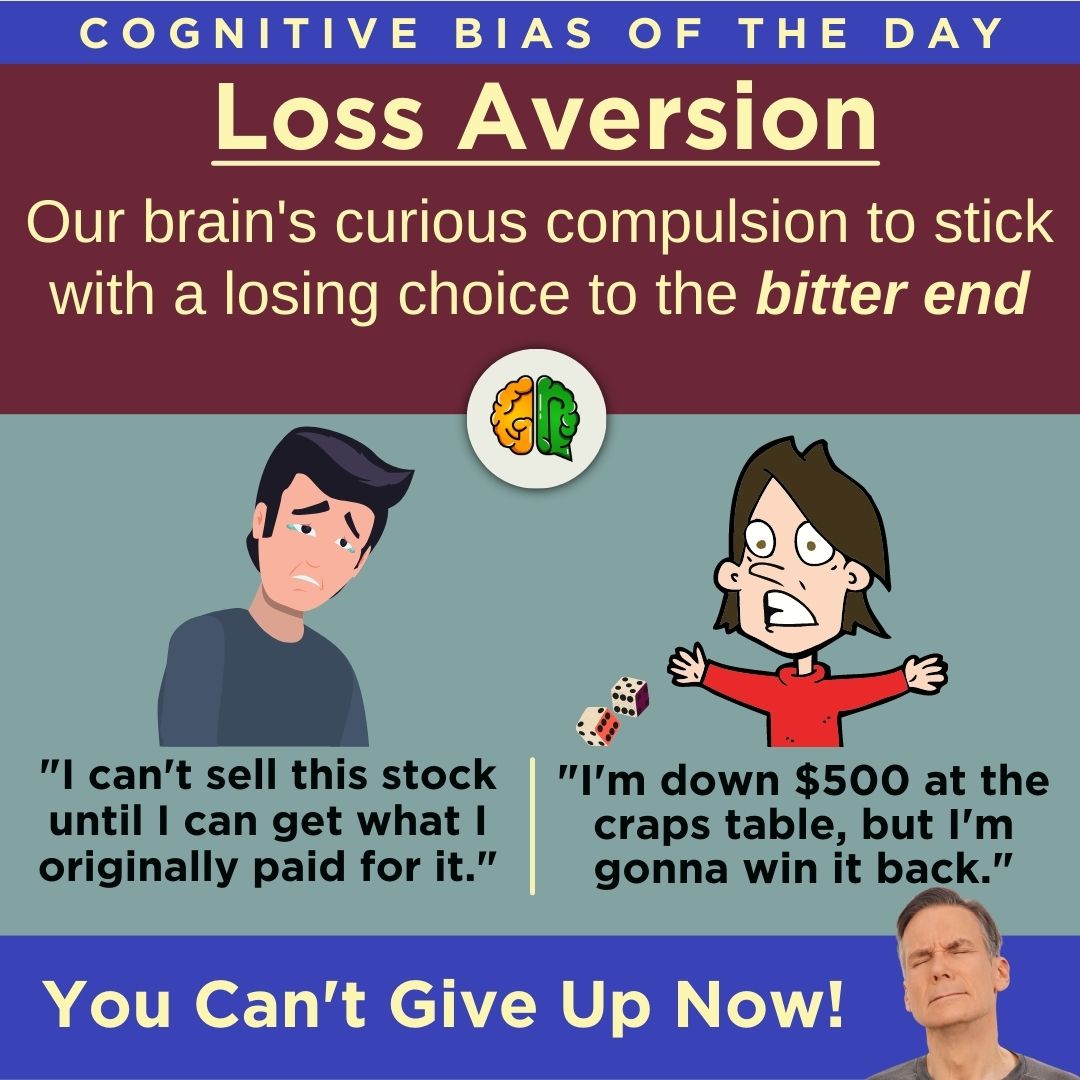
We all know we should buy low and sell high, but what the study found is that we have a powerful inclination to buy high, sustain a loss, then foolishly hang on to our losers until we just can’t stand the pain any longer.
#behavioraleconomics#fintech#finance#neuroscience
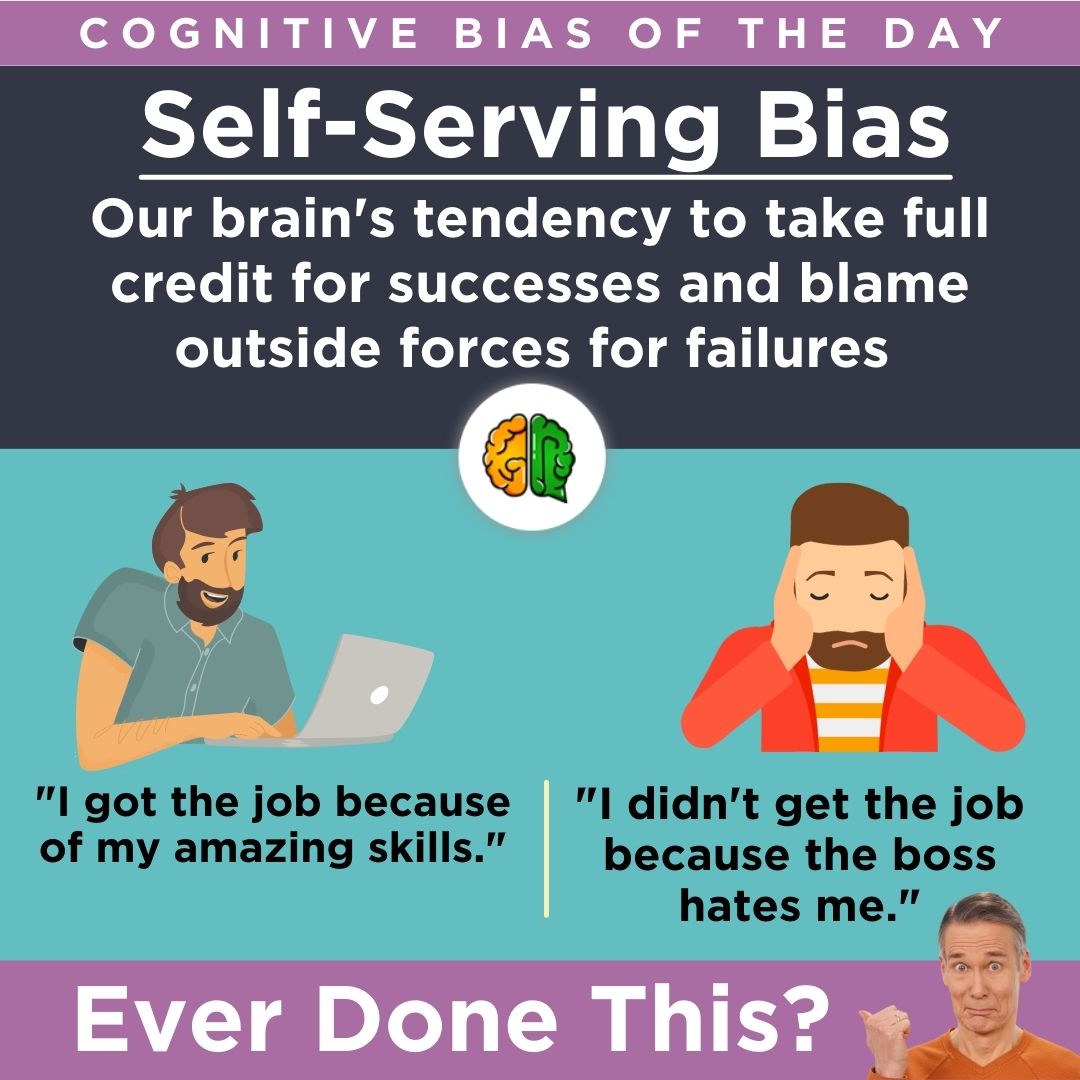
Self-serving bias is one of the most insidious cognitive biases because it robs us of the ability to learn from our mistakes. Our powerful tendency to blame the outside world traps us in an ivory tower, convinced of our own infallibility.
#behavioraleconomics#psychology
Brain research shows that most of us underestimate just how powerfully random events shape our destiny. We do this because our brain is uncomfortable with the idea that random events could befall us as well, and our knee-jerk reaction is to blame a VICTIM or a PERPETRATOR.
The identifiable victim effect lures us to care too much about things we can easily visualize and ignore the suffering caused by things out of sight.
The problem is that stories about public health, environmental impact and economic prosperity are dull stories about STATISTICS.
Unit Bias is a brain distortion that compels us to complete things, even if finishing up is not in our best interest. The problem is that our brain tends to see the world in SINGLE UNITS. We have an unfortunate tendency to skip over the size of those units.
Why is it that decades later, you can flawlessly sing every single word of Bohemian Rhapsody, yet completely forget the three items on your grocery list? Songs stimulate multiple senses.
Read more here: https://t.co/MTeDxnJUum
The Decoy Effect is a cognitive bias that lures us into buying more than we need. By introducing an additional bad choice, the less expensive choice seems meager, and the most expensive choice appears to be a great value.
Read more: https://t.co/2gdJtMXpAD
#behavioraleconomics
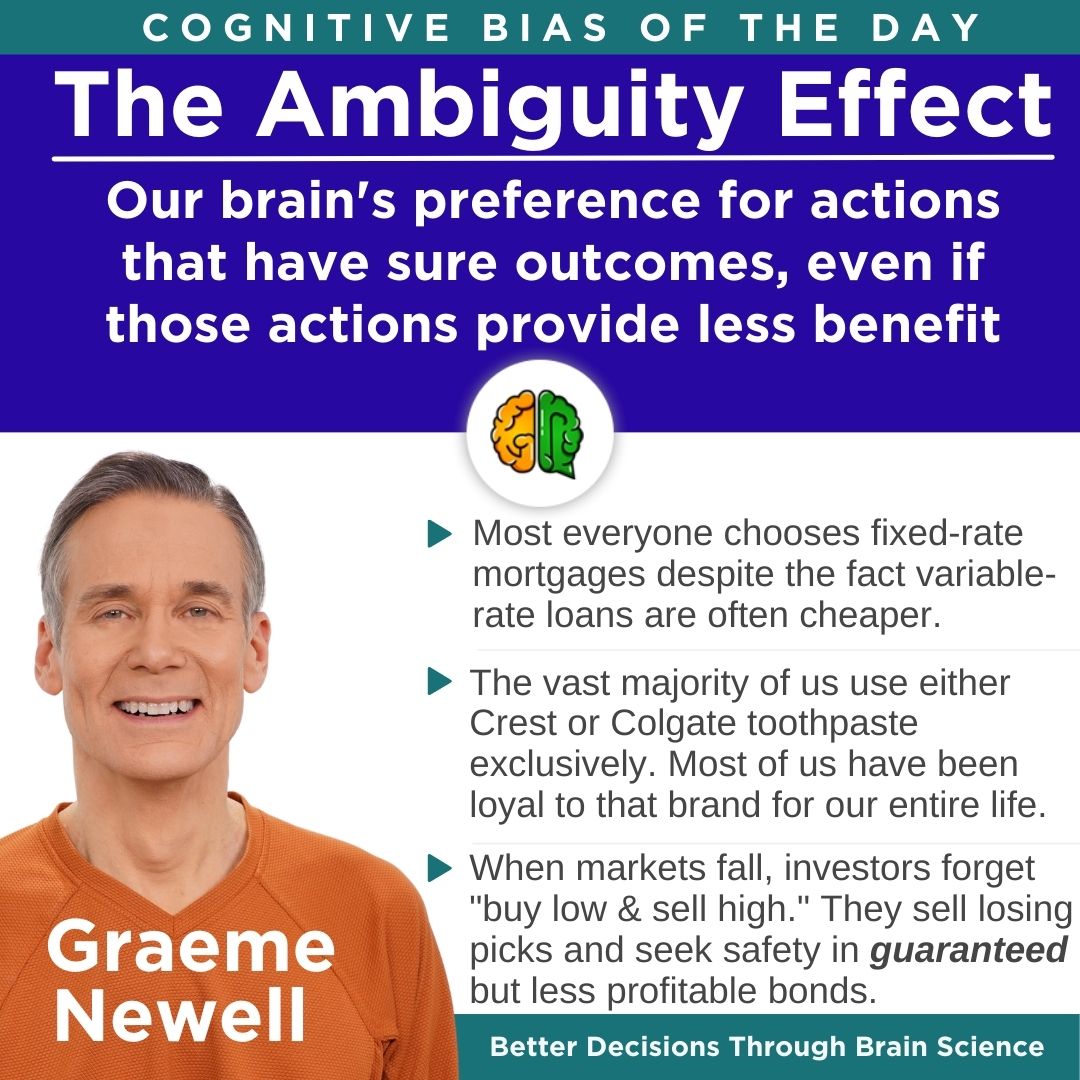
Our brain craves certainty. It desperately seeks out the sure-fire win, even if it means we win less often. We choose the low-return investment because it has a guaranteed interest rate. We pick the guaranteed return policy at Nordstrom, even though we know we’ll pay more.