YOU JUST LOST 5 SECONDS.
Reading this.
You can make more money.
You can’t make more time.
Tomorrow, we’ll show you the bill.
Day 1/7 — The Receipt
#GoalFlo#TheReceipt#ScreenTime#Time#SocialMedia
Pixel 11 drops this week.
The internet will tell you:
“Is it worth $___?”
GoalFlo asks the better question:
“Is it worth $___ to YOU?”
Same phone.
Same price.
Completely different answer depending on what Future You is already paying for.
Affordability isn’t a price tag.
It’s personal.
#GoalFlo #Pixel11 #GooglePixel #TechTok #MoneyTok #PersonalFinance #Tech
That little payment you pushed into next month?
It was always real.
Now the credit system sees it too.
The UAE has started adding BNPL accounts from Tabby and Tamara to credit reports.
That’s the uncomfortable thing about money:
Future You can already be spending before Future You gets paid.
GoalFlo is built around seeing those commitments together, not pretending today’s balance is the whole story.
One of the biggest reasons people stay broke is invisible.
Lifestyle inflation.
The moment income goes up, spending quietly follows.
A bigger apartment.
A nicer car.
More subscriptions.
Better restaurants.
The strange part?
It rarely feels like spending more.
It just feels… normal.
GoalFlo treats every raise like a decision, not permission.
The day your salary arrives isn’t the day your financial situation changes.
It’s just the day one number changes.
Your future bills don’t disappear.
Your savings goals don’t pause.
Your plans don’t become cheaper.
That’s why GoalFlo doesn’t celebrate your balance.
It calculates what your future leaves you with.
Most people feel rich the day they get paid.
That’s the day they make the most expensive decisions.
Because your balance is temporarily lying.
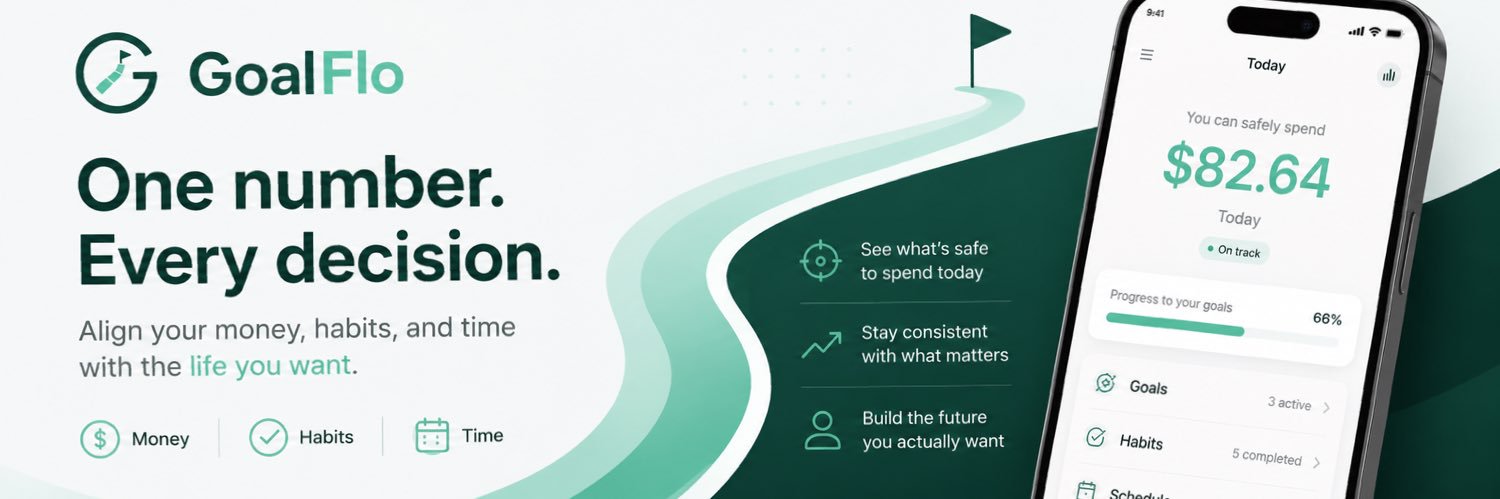
GoalFlo calculates what you can actually spend after future bills, goals and commitments.
Knowing your balance is easy.
Knowing what’s actually safe to spend is useful.
Your bank app tells you one thing:
How much money you have.
It doesn’t tell you how much you can actually spend.
Those are completely different numbers.
Spend your entire balance and you’ll miss future bills, savings goals, and commitments.
Spend too little and you’re leaving money sitting there for no reason.
The useful number isn’t your balance.
It’s what’s safe to spend today.
That’s the number GoalFlo calculates.
P.S. If your banking app showed one extra number, what would you want it to be?
Every raise feels like freedom.
Until six months later.
A nicer apartment.
Better restaurants.
New subscriptions.
Suddenly your savings rate hasn’t changed at all.
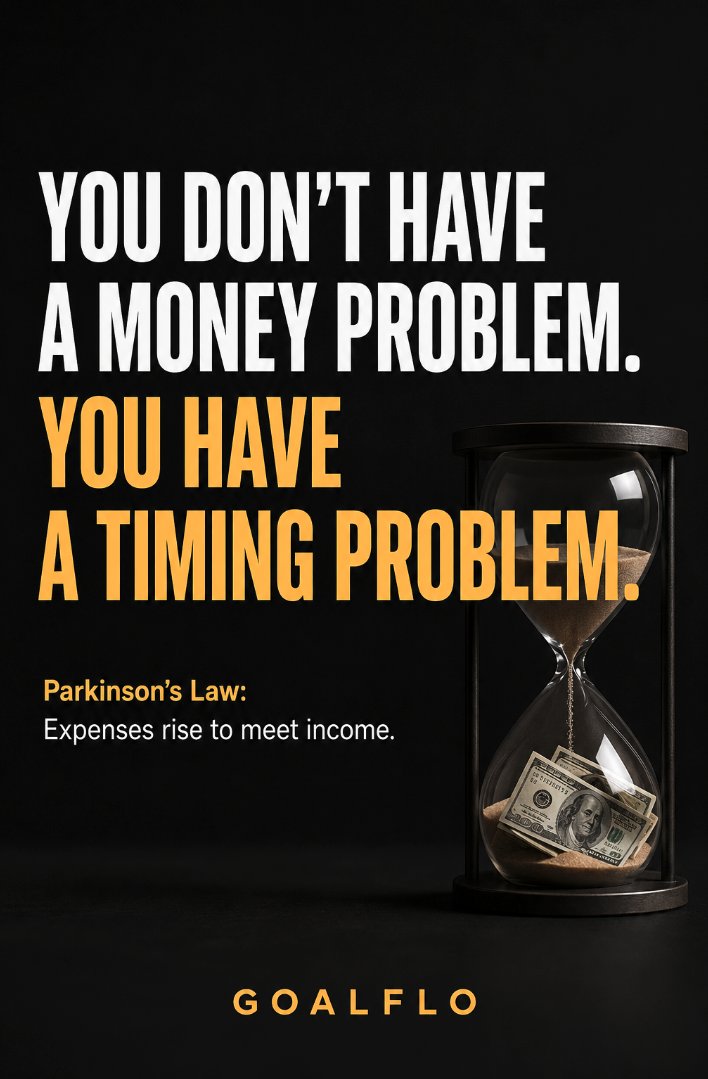
Economist C. Northcote Parkinson observed this decades ago:
Work expands to fill the time available.
The same happens with money.
Income expands.
Spending follows.
The goal isn’t earning more.
It’s preventing lifestyle inflation from consuming the difference.
Save this before your next salary increase.
Most purchases don’t compete against your bank balance.
They compete against something you already wanted.
That dinner out.
That investment.
That holiday.
That emergency fund.
Before buying something ask:
“What am I choosing instead?”
The answer usually makes the decision easier.
A budget does not fail when you overspend once.
It fails when spending stops changing anything you can see.
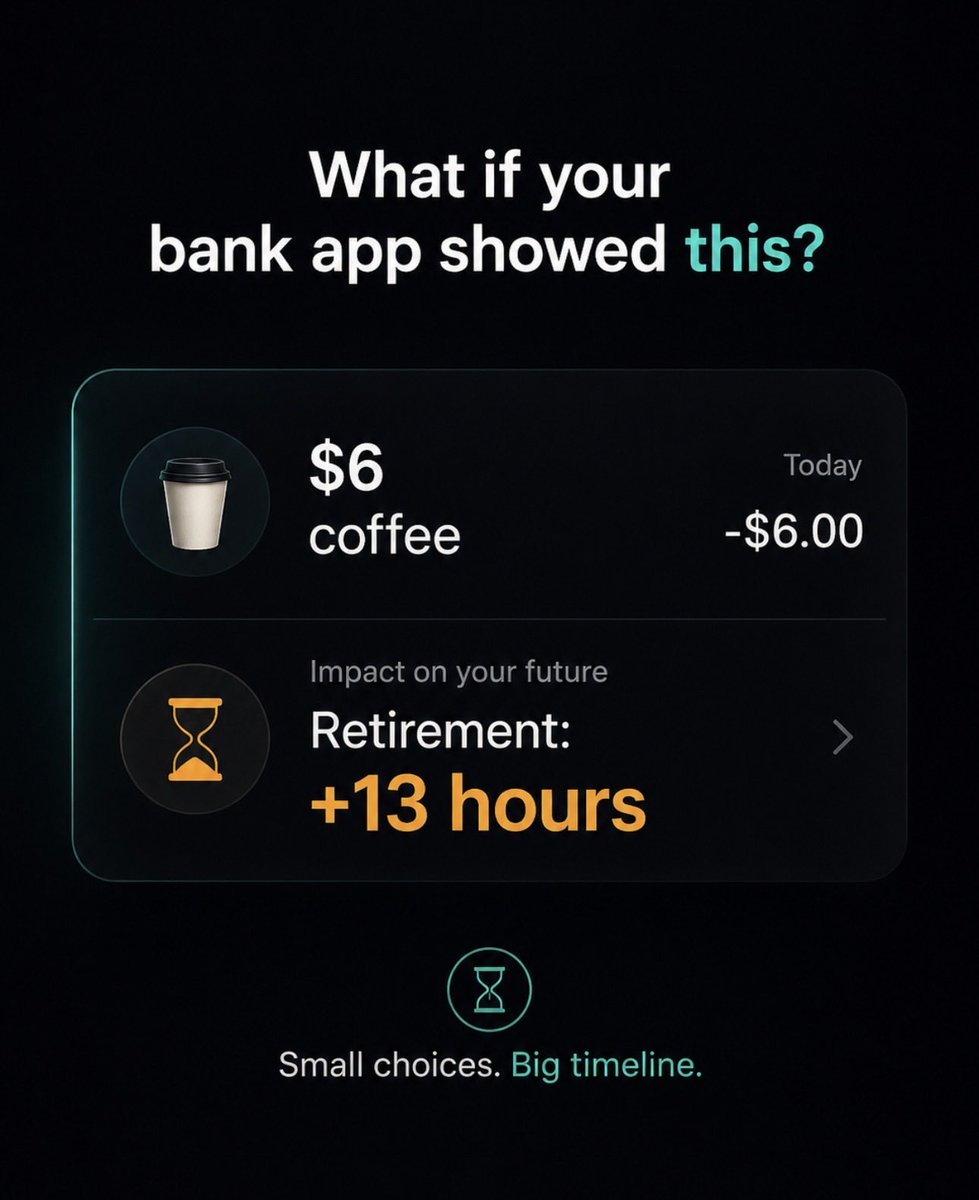
$40 on delivery feels small.
“Your emergency fund moves two days later” feels real.
The best financial system does not just record the purchase.
It shows you what the purchase moved.
Everyone wants a bigger salary.
Fewer people ask:
"What happens after I get it?"
A higher income solves many problems.
It doesn't automatically solve spending habits.
The fastest way to feel richer isn't always earning more.
Sometimes it's allowing more of what you already earn to survive.
The expensive purchase usually isn’t the expensive one.
It’s the one you repeat hundreds of times without thinking.
That doesn’t mean:
“Never buy coffee.”
It means:
Know which purchases became subscriptions without a contract.
Before cutting the big things,
look for the small things you’ve stopped noticing.
Your salary doesn’t decide your lifestyle.
Your daily decisions do.
That’s why two people earning the same income can end up living completely different lives.