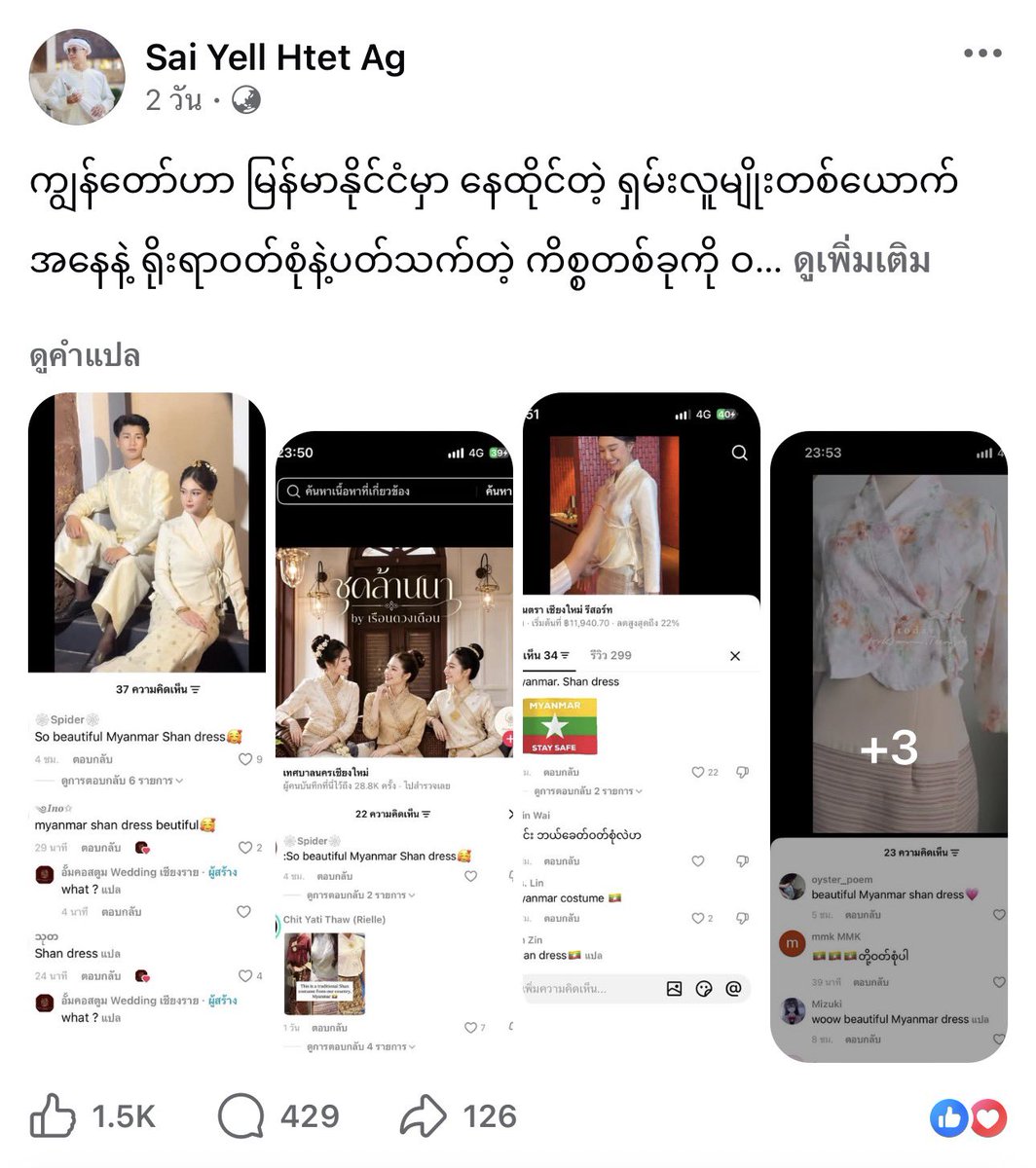
ကျွန်တော်ဟာ မြန်မာနိုင်ငံမှာ နေထိုင်တဲ့ ရှမ်းလူမျိုးတစ်ယောက်အနေနဲ့ ရိုးရာဝတ်စုံနဲ့ပတ်သက်တဲ့ ကိစ္စတစ်ခုကို ဝင်ရောက်ပြောဆိုချင်ပါတယ်။🇲🇲🇲🇲
လူမျိုးတိုင်းဟာ ကိုယ့်လူမျိုး၊ ကိုယ့်ယဉ်ကျေးမှုနဲ့ ကိုယ့်ရိုးရာအမွေအနှစ်ကို ချစ်မြတ်နိုးကြတာ သဘာဝပါပဲ။ ကျွန်တော်တို့ ရှမ်းရိုးရာယဉ်ကျေးမှုကို ချစ်ခင်လေးစားပေးကြတဲ့ တခြားတိုင်းရင်းသား ညီအစ်ကိုမောင်နှမတွေကိုလည်း အထူးကျေးဇူးတင်ပါတယ်။
ရှမ်းလူမျိုးတွေဟာ မြန်မာနိုင်ငံအပြင် တရုတ်၊ ထိုင်း၊ လာအို၊ ဗီယက်နမ်နဲ့ အိန္ဒိယနိုင်ငံအချို့အထိ ပျံ့နှံ့နေထိုင်ကြတဲ့အတွက် ရိုးရာယဉ်ကျေးမှု၊ ဝတ်စုံနဲ့ ဓလေ့ထုံးတမ်းတွေမှာ ဆင်တူမှုတွေ ရှိနိုင်ပါတယ်။ ဒါကြောင့် ရှမ်းရိုးရာဝတ်စုံဟာ မြန်မာနိုင်ငံက ရှမ်းလူမျိုးတွေရဲ့ အမွေအနှစ်သာဖြစ်ပြီး တခြားဒေသတွေနဲ့ မသက်ဆိုင်ဘူးလို့ ပြောဆိုခြင်းဟာ သမိုင်းနဲ့ ယဉ်ကျေးမှုဆိုင်ရာ နားလည်မှုကို ကျဉ်းမြောင်းစေတယ်လို့ မြင်မိပါတယ်။
လက်ရှိမှာလည်းထိုင်းနိင်ငံနဲ့တရုတ်နိင်ငံတို့ဟာ ရှမ်းရိုးရာယဉ်ကျေးမှုနဲ့ ဆက်နွှယ်တဲ့ သိုးနယားအက၊ ကိန္နရာ၊ ကိန္နရီအက စတဲ့ အမွေအနှစ်တွေကို နိုင်ငံတကာအဆင့် အသိအမှတ်ပြုခံရဖို့ ကြိုးပမ်းမှုတွေ ရှိနေပါတယ်။ ဒီလိုအချိန်မှာ မြန်မာနိုင်ငံက တာဝန်ရှိသူတွေအနေနဲ့လည်း ကျွန်တော်တို့ရဲ့ ရှမ်းရိုးရာယဉ်ကျေးမှုကို ပိုမိုမြှင့်တင်ပေးပြီး ထိန်းသိမ်းစောင့်ရှောက်ပေးစေချင်ပါတယ်။
ကျွန်တော်တို့ဟာ ရှမ်းလူမျိုးဖြစ်သလို မြန်မာနိုင်ငံသားတွေလည်း ဖြစ်ပါတယ်။ ကိုယ့်ရဲ့ ရိုးရာအမွေအနှစ်ကို ဂုဏ်ယူစွာ ထိန်းသိမ်းရင်း နိုင်ငံတကာက အသိအမှတ်ပြုလေးစားလာစေဖို့ မျှော်လင့်ပါတယ်။🙏🙏🙏🙏
As a Shan person and a citizen of Myanmar, I would like to share my thoughts on the discussion surrounding traditional attire.
Every ethnic group naturally takes pride in its own identity, culture, traditions, and heritage. I would also like to express my sincere gratitude to our brothers and sisters from other ethnic communities who appreciate and respect Shan traditional culture.
The Shan people live across several countries and regions, including Myanmar, China, Thailand, Laos, Vietnam, and parts of India. As a result of our shared historical and cultural roots, similarities in traditional clothing, customs, and cultural heritage are entirely possible.
Therefore, claiming that Shan traditional attire belongs exclusively to Shan people in Myanmar, as if it has no connection to Shan communities elsewhere, reflects a narrow understanding of our shared cultural heritage.
Today, efforts are being made to promote and seek international recognition for traditional cultural practices associated with Shan heritage, including the Hso Nay dance and the Kinnari and Kinnara dances. I hope the relevant authorities in Myanmar will also take greater responsibility for promoting, preserving, and protecting our Shan cultural heritage.
We are Shan, and we are also citizens of Myanmar. We take pride in our ethnic identity and hope that our traditional culture will be preserved, promoted, and respected internationally.
#တႆးလူင်
#တႆးသိပ်းသွင်ပၼ်းၼႃး
#တႆးၶမ်းတီး
#တႆးလႅင်
#တႆးလၼ်းၼႃး
#တႆးယူၼ်း
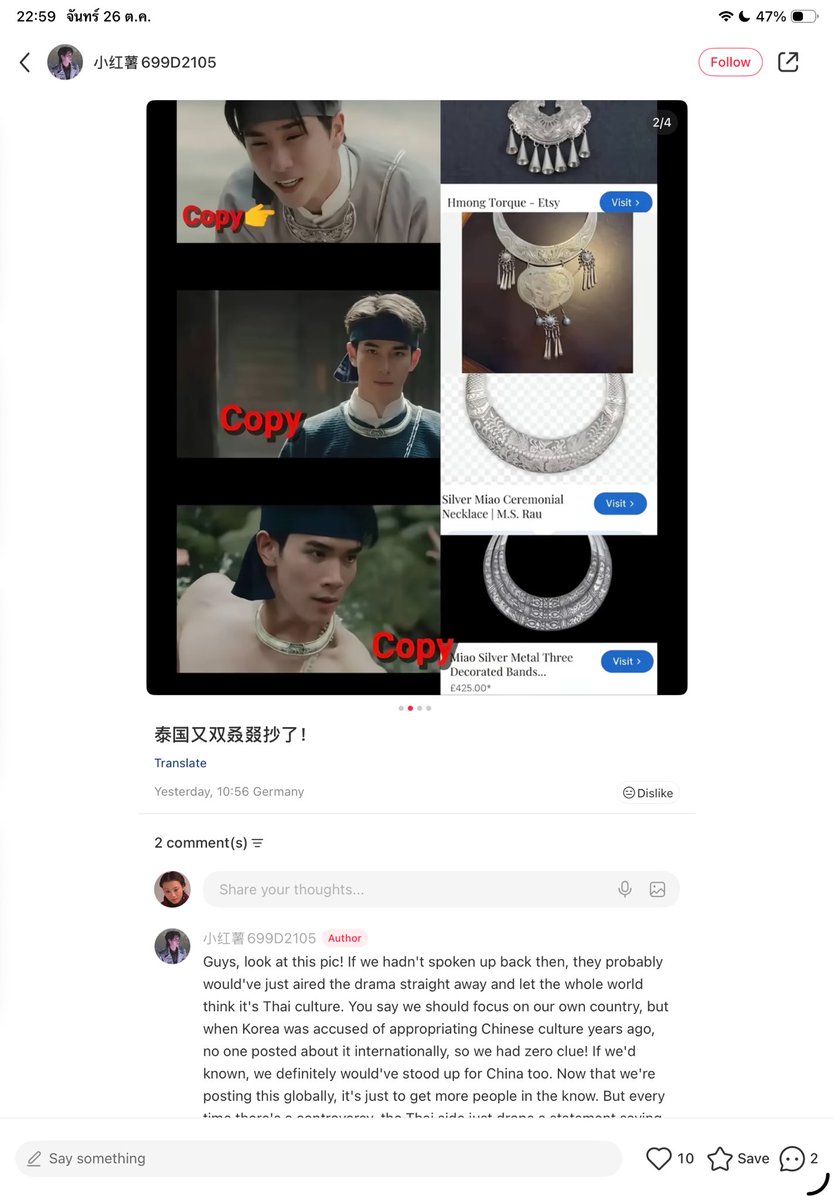
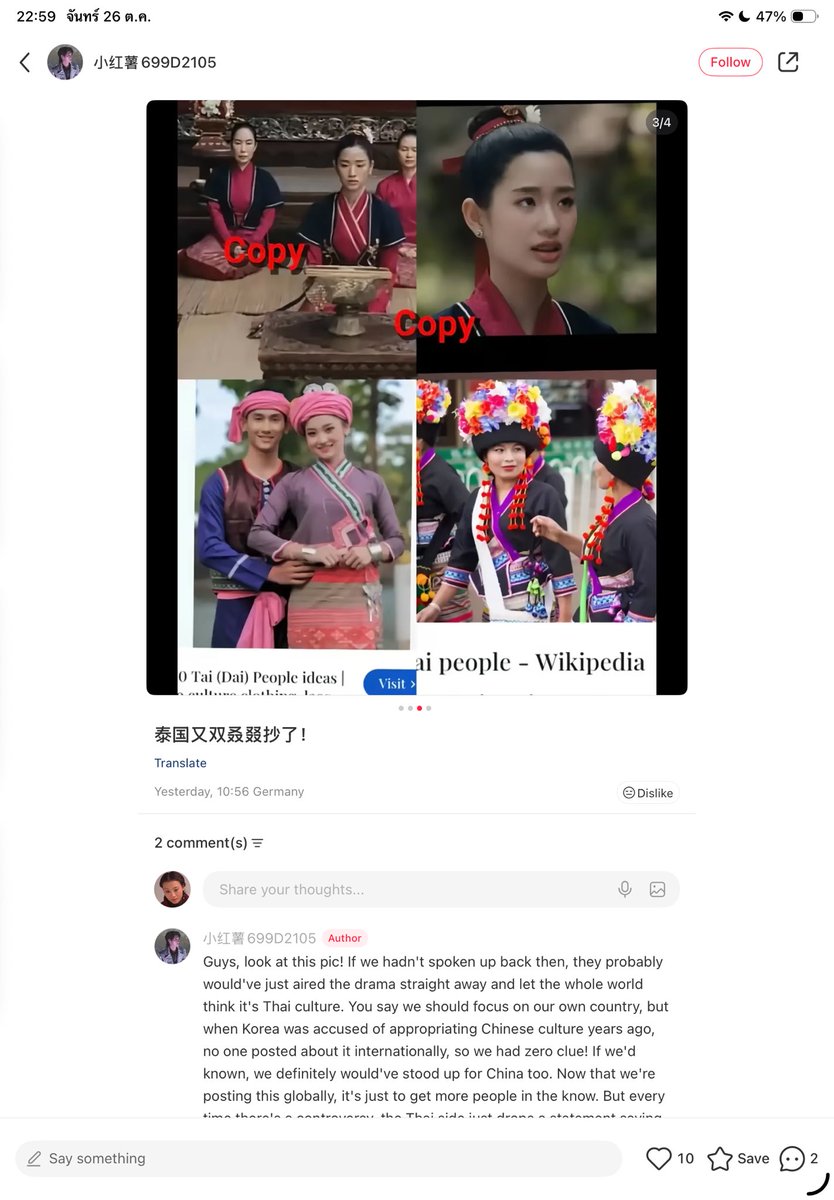
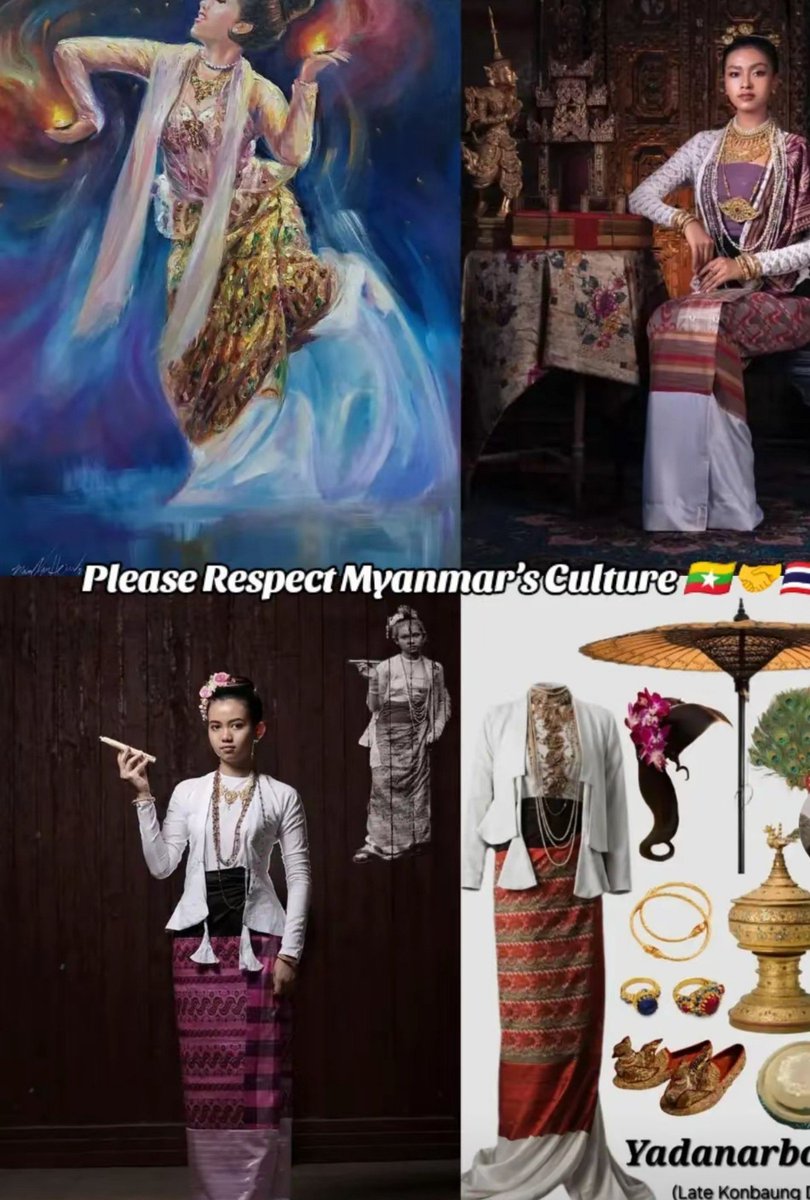
Our advocacy for "Scarlet Heart Thailand" is purely for cultural preservation and accurate credit of Myanmar's Konbaung heritage. We harbor no animosity toward the Thai people or the cast. Let's celebrate cultural integrity together on the world stage 🇲🇲✨
#GMMTV#MyanmarCulture
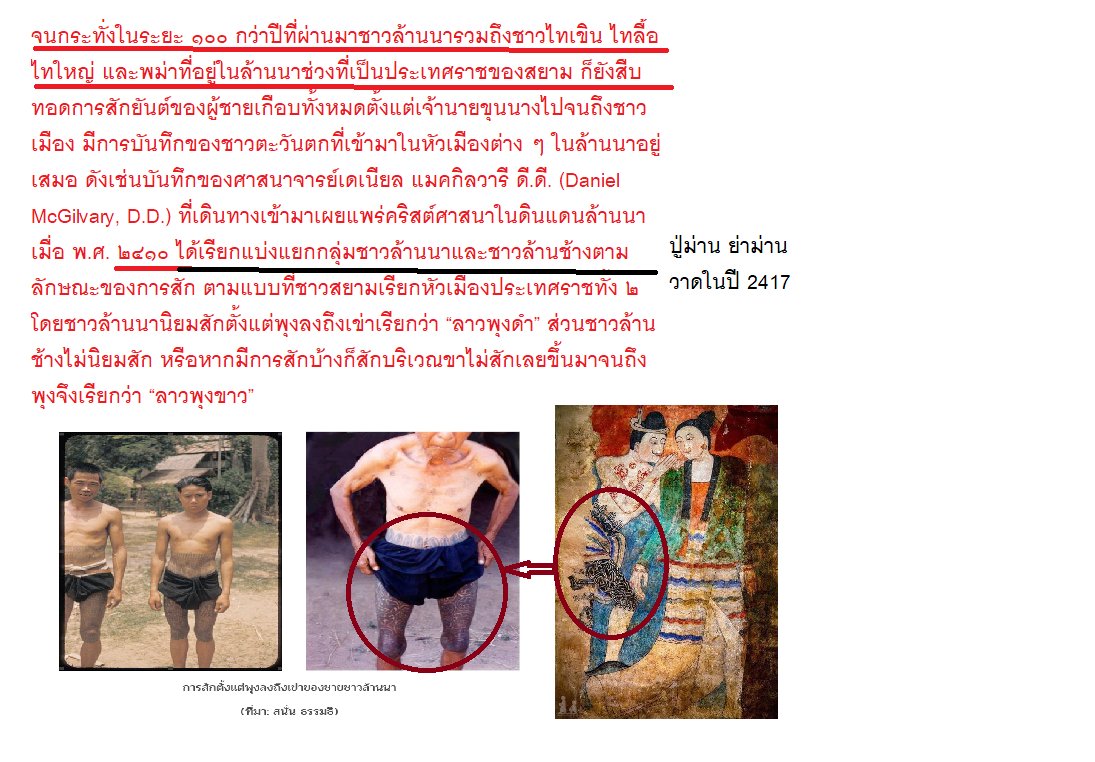
As an Thai ethnically Lao from northeastern Thailand, I see beauty in my country’s diversity. Siamese, Mon,Tai(Shan),Karen,Lao, Khmer,Chinese,Viet,Malayu etc. We have over 70 ethnic groups here.That’s Thailand to me, a land of diverse cultures, languages and peoples.
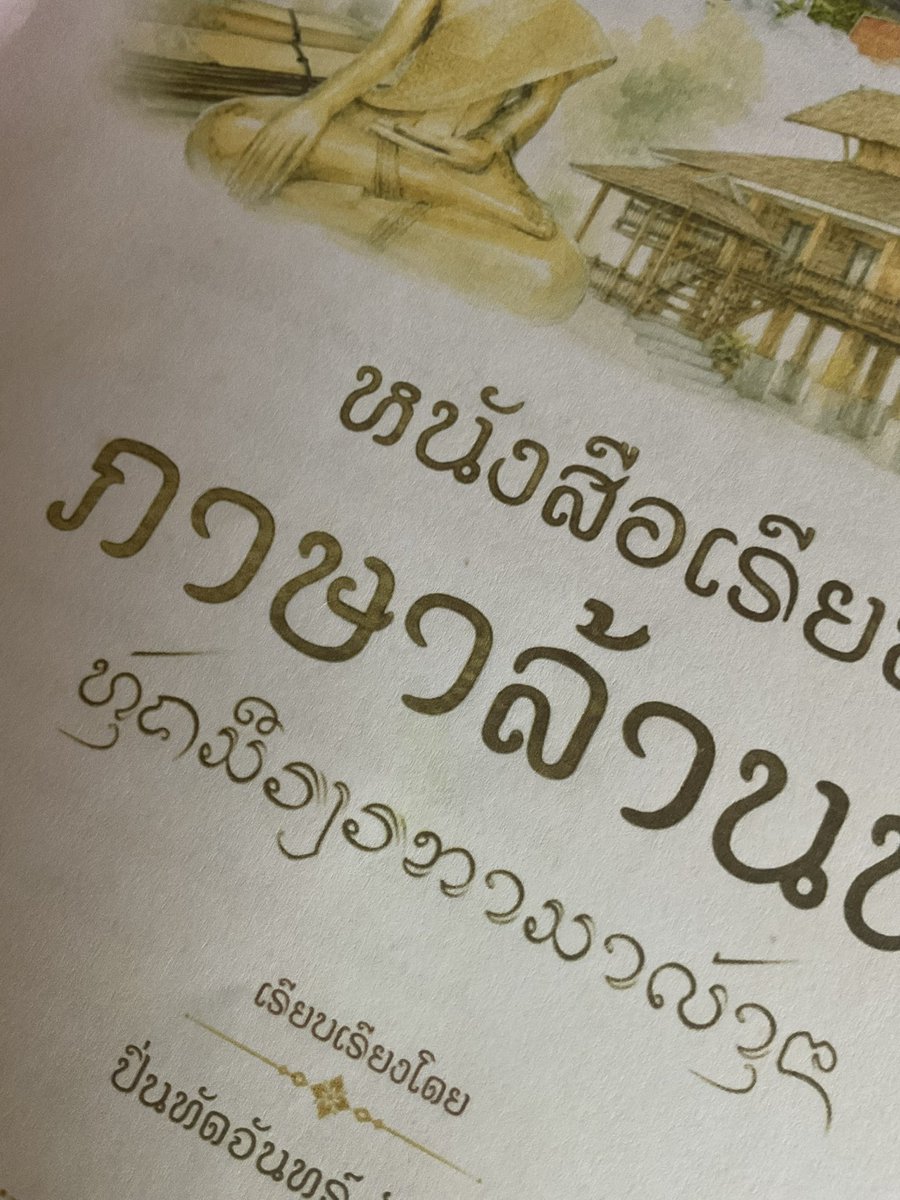
#SaveLanna
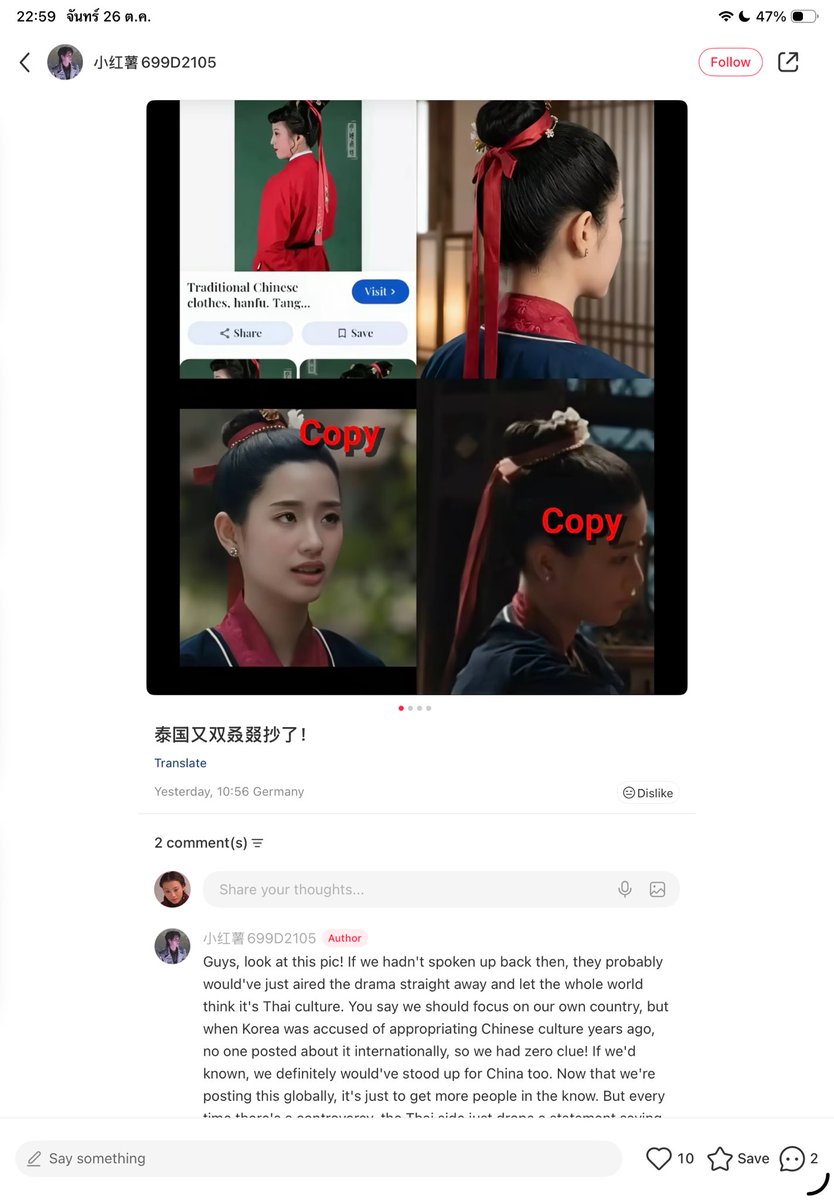
@gobin4455 Everyone can evolve or exchange influences with other cultures. But, shared cultures don’t mean shared origins. Learn the difference bro. You shouldn’t have the mindset that anything influenced by another culture can simply be claimed as your own.
GMMTV, it truly hurts to have to keep asking for recognition of our own cultural heritage. We only ask that you value our culture and give it the credit and respect it deserves. Please, dont ignore our voices.🇲🇲🙏
CULTURAL HERITAGE RECOGNITION
#RecognizeMyanmarCulturalHeritage