To appreciate the work of the Islamic Awqaf of Libya, you need to watch this. A remote village near the Egypt–Libya border, but Allah has provided them with sincere men despite the scarce and limited resources they teach and spread Tawheed and Sunnah diligently 🇱🇾
One of the earliest and most important defenses of the da‘wah of Imam Muhammad ibn AbdulWahhab was written by Muhammad Bashir al-Sahsawani, a prominent Indian scholar born less than fifty years after the Mujaddid. May Allah ﷻ have mercy on the defenders of tawḥīd.
"This dam belongs to the servant of Allah Mu'awiyah, the Commander of the Believers. O Allah, forgive the servant of Allah Mu'awiyah, make him steadfast, grant him victory, and allow the believers to benefit through him."
- Near Ta'if, Saudi Arabia dating to 58 AH (678 CE).
When the true followers of Muhammad ﷺ (“Wahhabis”) cleansed Mecca from the filth of the grave-worshippers.
Shaykh Muḥammad ibn ʿUthmān al-Shāwi (d. 1353 AH) said:
“After we finished ʿUmrah, we hastened to demolish the domes. We found on the grave of the Mother of the Believers, Khadijah—may Allah be pleased with her—horrifying practices. Among them, we found slips of paper on which was written:
“O Khadijah, O Mother of the Believers, we have come to you as visitors, standing at your door, so do not turn us away disappointed! Intercede for us with Muhammad, that he may intercede for us with Gabriel, and that Gabriel may intercede for us with Allah!”
We also found near her a ram that its owner had brought to offer as a sacrifice to her.
At the entrance of the dome, we found an ugly old woman among its attendants. More than one person told me that they asked her, “What is your situation?” She replied: “She is a servant of her mistress, who controls the universe!” For years she neither fasts nor prays, and visitors touch her seeking blessings and showing reverence.
At the dome there were countless candles, lamps, and instruments, and there were types of perfumes the like of which we had not found even at the Sacred House (the Kaʿbah) or the Black Stone. And there are many other such well-known things like this.
For this reason, we sought Allah’s help in removing those domes…”
[al-Qawl al-Asadd p. 68]
Daniel Haqiqatjou: “The Wahhābīs supported the Arab revolt.”
The man who claims to be some revolutionary critique of Wahhabism can’t even tell the difference between King ʿAbd al-ʿAzīz and Sharīf Ḥusayn. Embarrassing.
اجتهد أن لاتزرع حقدا ، وأن لاتجلب عداوة ، وعليك بالرفق فإن الرفق ما كان في شيء إلا زانه ، وإذا اقتضى الشرع منك موقفا قد قام سببه ووجدت شروطه وانتفت موانعه فقفه كما يريد الله مستعينا بالله ، ولا تلتفت لتوصيف بعض الناس له
Every Eid al-Adha reminds me of the story of the Umayyad Emir Khalid al-Qasri رحمه الله and the Jahmi Ja'd bin Dirham.
Here Shaykh Ibn Uthaymeen رحمه الله narrates the story
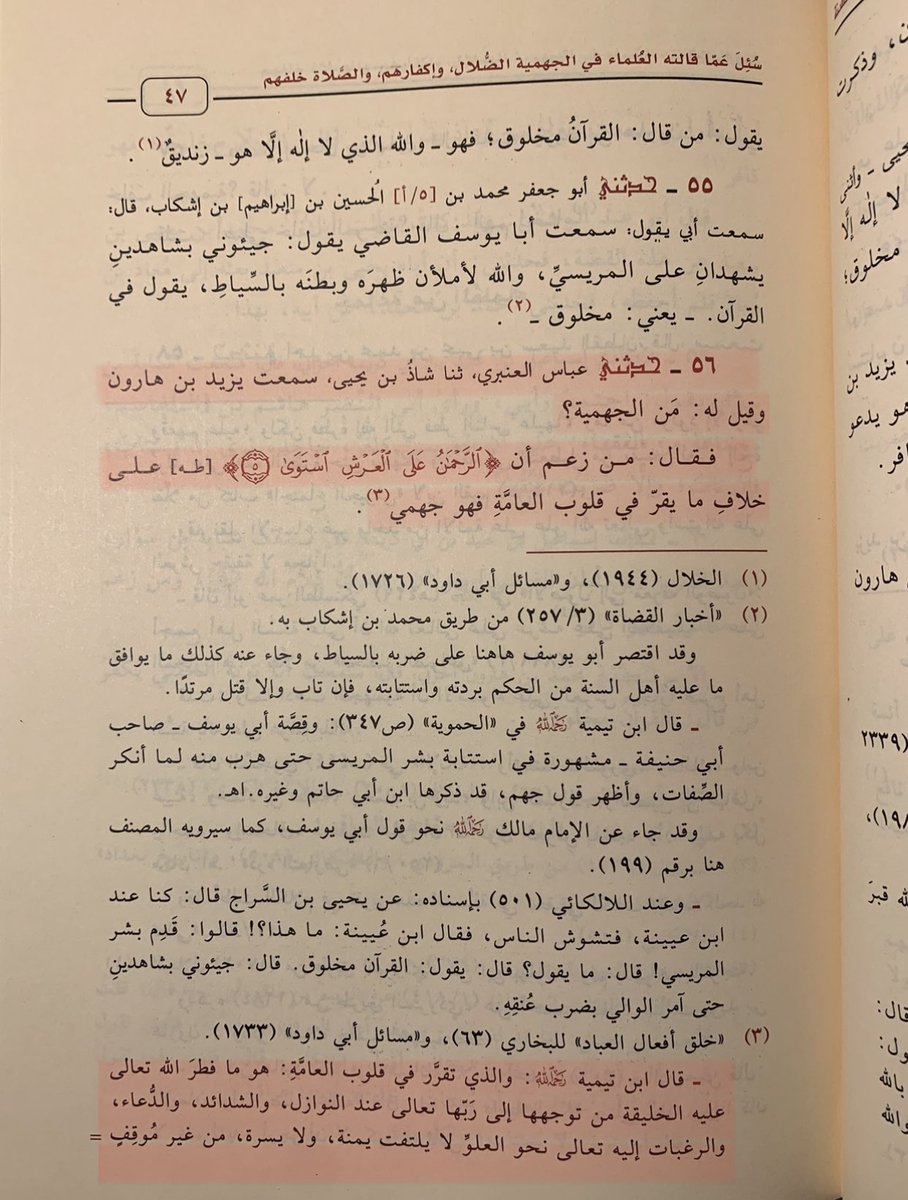
Shaykh al-Islam Yazīd ibn Hārūn (d. 206 AH) was asked about the Jahmiyyah, so he said:
“Whoever claims that {The Most Merciful established over the Throne} (20:5) means something contrary to what is naturally understood in the hearts of ordinary people is a Jahmi”
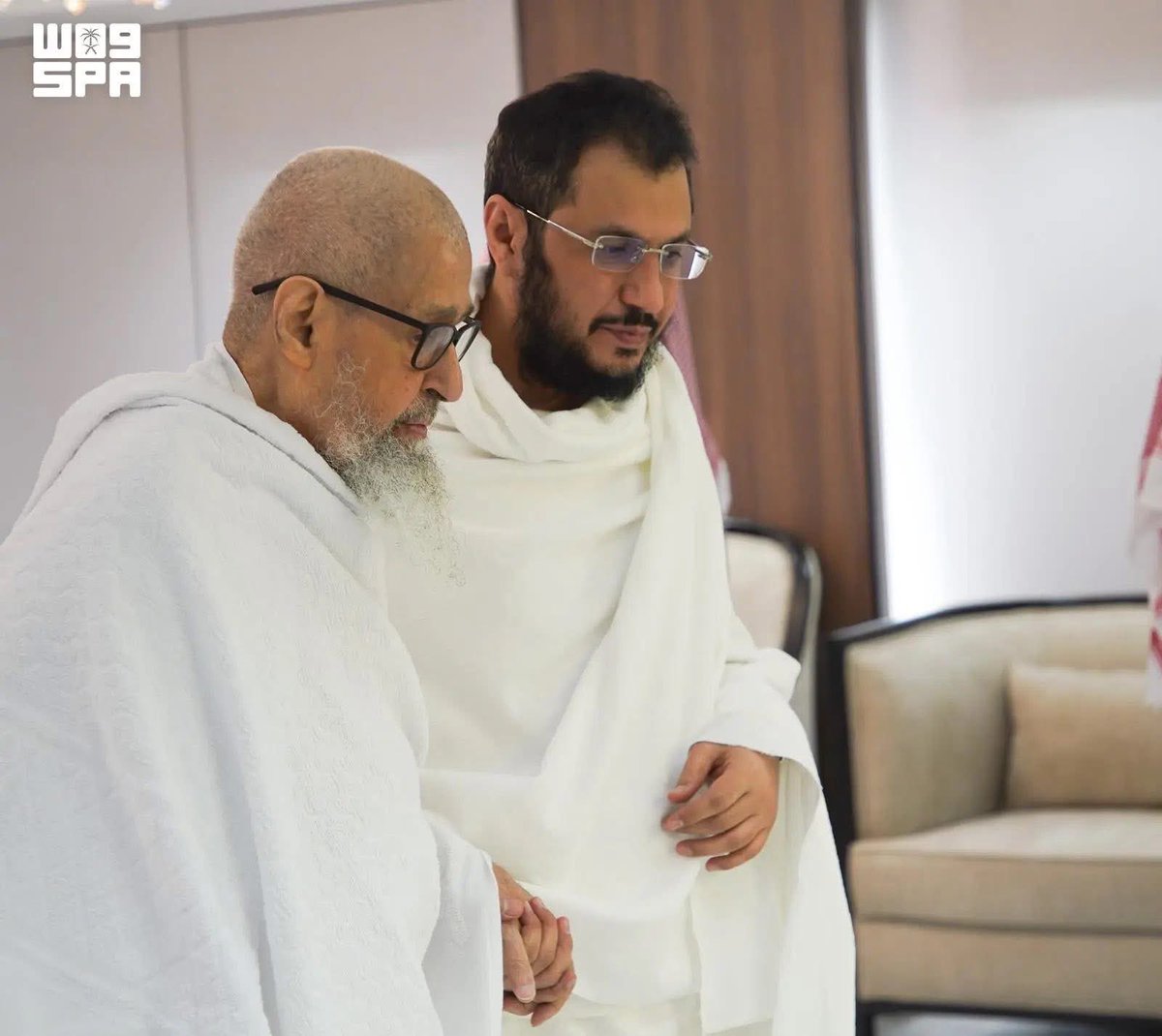
Shaykh al-‘Allamah Salih al-Fawzan delivering a lesson during Hajj this year.
The senior scholars are a tremendous blessing for this Ummah.
It is upon us to benefit from them while they are still living, for they are examples of knowledge and wisdom.
May Allah preserve him.









![RaadTheShepherd's tweet photo. When the true followers of Muhammad ﷺ (“Wahhabis”) cleansed Mecca from the filth of the grave-worshippers.
Shaykh Muḥammad ibn ʿUthmān al-Shāwi (d. 1353 AH) said:
“After we finished ʿUmrah, we hastened to demolish the domes. We found on the grave of the Mother of the Believers, Khadijah—may Allah be pleased with her—horrifying practices. Among them, we found slips of paper on which was written:
“O Khadijah, O Mother of the Believers, we have come to you as visitors, standing at your door, so do not turn us away disappointed! Intercede for us with Muhammad, that he may intercede for us with Gabriel, and that Gabriel may intercede for us with Allah!”
We also found near her a ram that its owner had brought to offer as a sacrifice to her.
At the entrance of the dome, we found an ugly old woman among its attendants. More than one person told me that they asked her, “What is your situation?” She replied: “She is a servant of her mistress, who controls the universe!” For years she neither fasts nor prays, and visitors touch her seeking blessings and showing reverence.
At the dome there were countless candles, lamps, and instruments, and there were types of perfumes the like of which we had not found even at the Sacred House (the Kaʿbah) or the Black Stone. And there are many other such well-known things like this.
For this reason, we sought Allah’s help in removing those domes…”
[al-Qawl al-Asadd p. 68]](https://pbs.twimg.com/media/HDx41S-XcAAicnE.jpg)