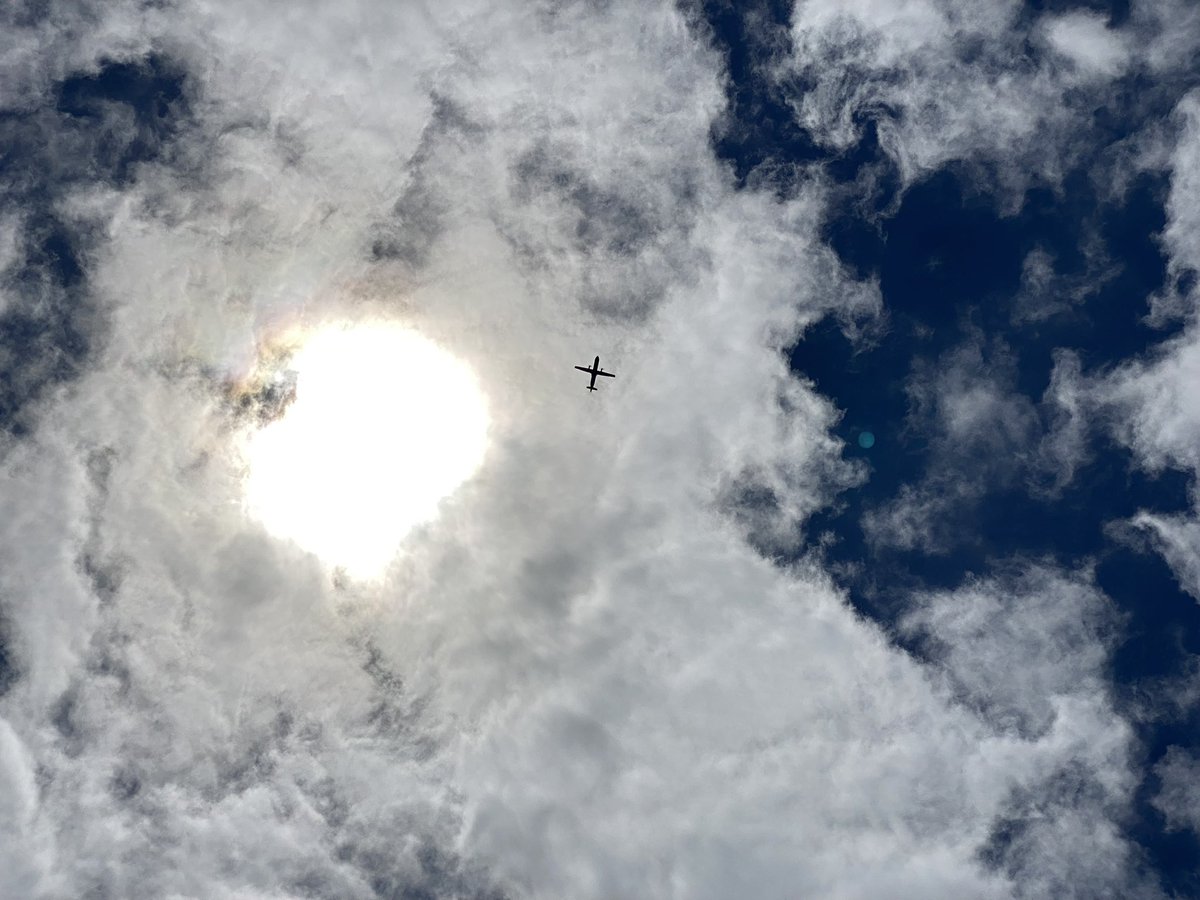
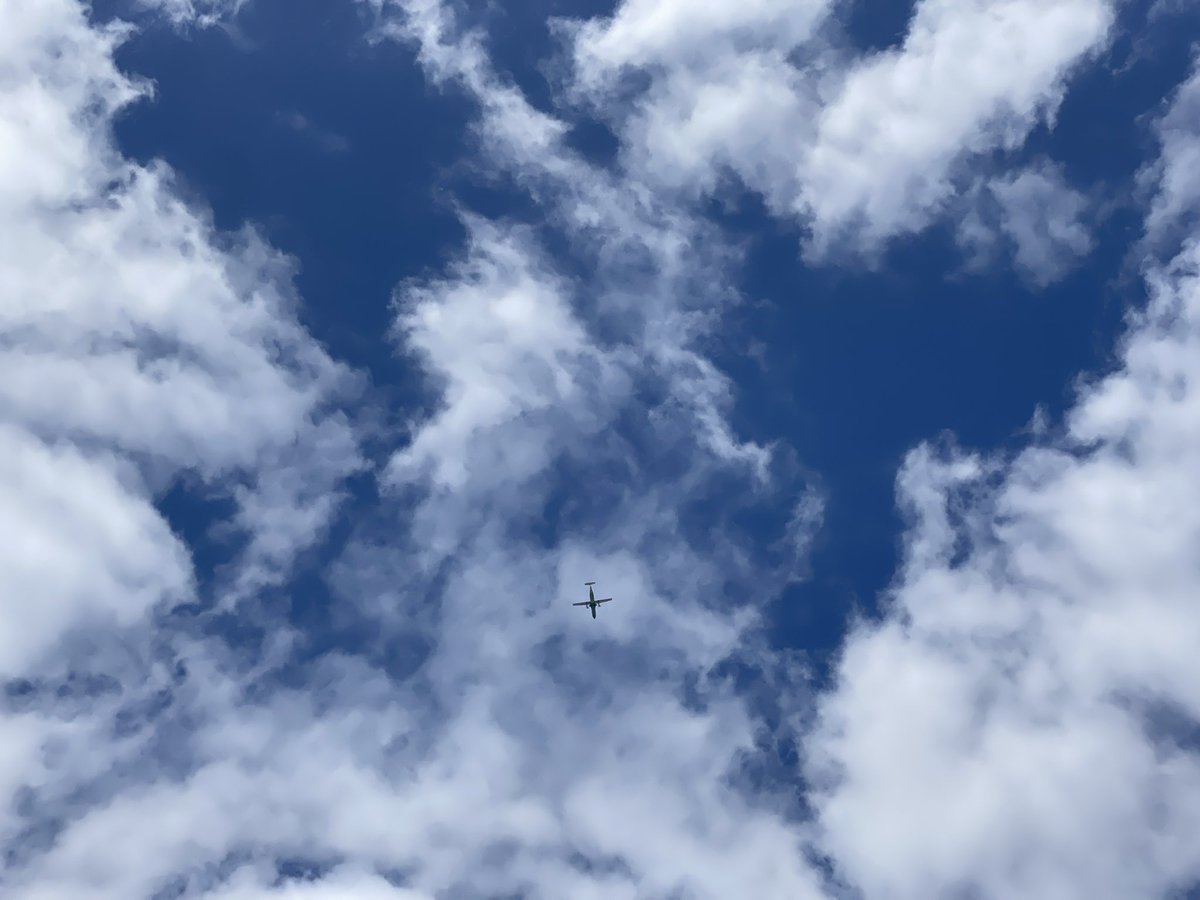
In 1913, the first flight in the #Canary Islands took off in #GranCanaria. Ten days later, on May 10, 1913, Garnier took off on his second flight in the islands, this time from Tenerife soil.
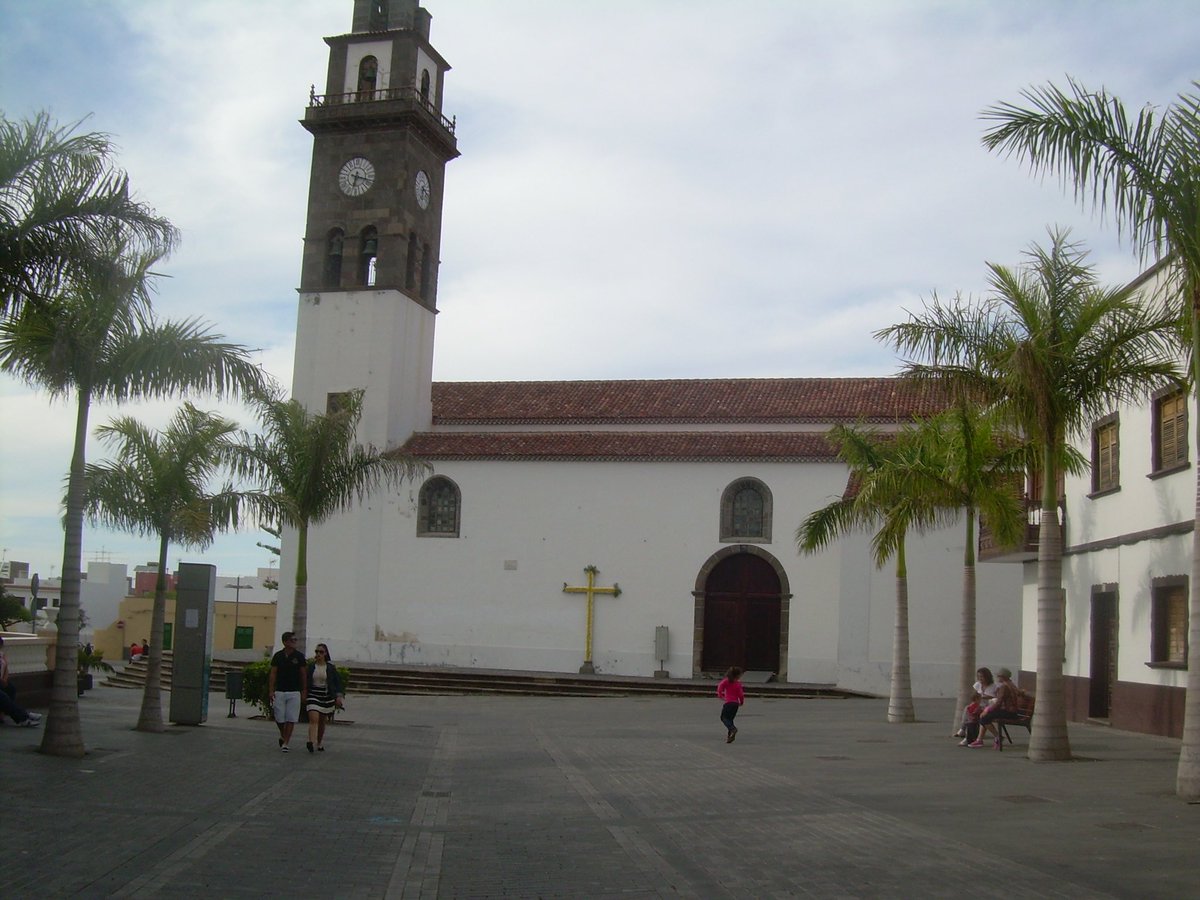
#IcoddelosVinos. The word Icod comes from the menceyato and could mean 'fire, burn'. The nickname of the Wines was imposed by the new settlers given the important wine production in the region (since the mid-16th century). #tenerife
#LaMatanzadeAcentejo comes from the memory of the battle that took place in this area between Castilians and Guanches in the fifteenth century, in which the latter defeated the Castilians. The nickname "de Acentejo" was incorporated into the municipal name in 1916
#LaVictoriadeAcentejo comes from the memory of the II Battle of Acentejo, the final fight between the Castilian invaders and the Guanches in the 15th century, in which the former won. In 1916 the name of Acentejo was added to the name of La Victoria. #tenerife#canaryislands
The name of #SantaUrsula may be due to the devotion of the mayor Alejo Pérez (1587) to Santa Úrsula (he had a daughter with that name), who gave land for the construction of the hermitage.
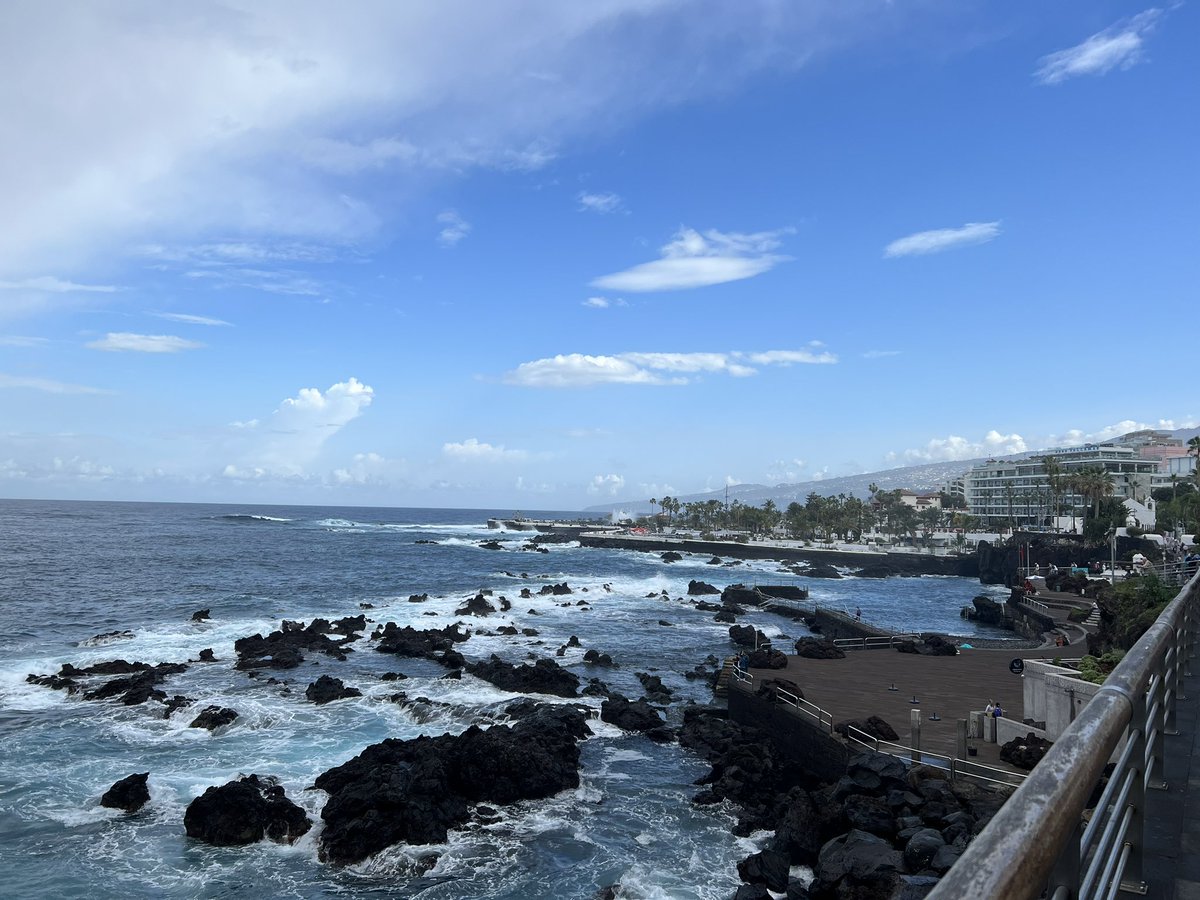
#PuertodelaCruz: originally as Puerto de la Orotava (main shipment of the valley). At the end of the 16th century, it was also known as Puerto de la Cruz for having planted a cross on the pier. In 1808 full municipal autonomy was obtained, and it no longer belongs to #LaOrotava
Realejo: "place where an army is encamped". Here the conquistadors had established their base in the last phases of the conquest in 1496. Realejo Alto would be the camp of the conquistadors; Realejo Bajo that of the Guanches. Unification of both #Realejos in 1954.
#SanJuandelaRambla was known as San Juan del Malpaís (Malpaís of Icode). In the middle of the 16th century it was renamed San Juan de la Ramla, taking into account the two main towns on the coast: San Juan and La Rambla. #tenerife
The name of La Guancha could be due to the fact that a Guanche woman was drawing water from a fountain when the conquerors arrived. She preferred to jump into the ravine before being caught, so the area began to be called La Fuente de la Guancha. #LaGuancha
#IcoddelosVinos. Icod: menceyato (ancient inhabitants kingdom) that existed in the area before the conquest in the f15th. De Los Vinos (Of the Wines): imposed by the new European settlers in the middle of the 16th century, given the important wine production of the region.
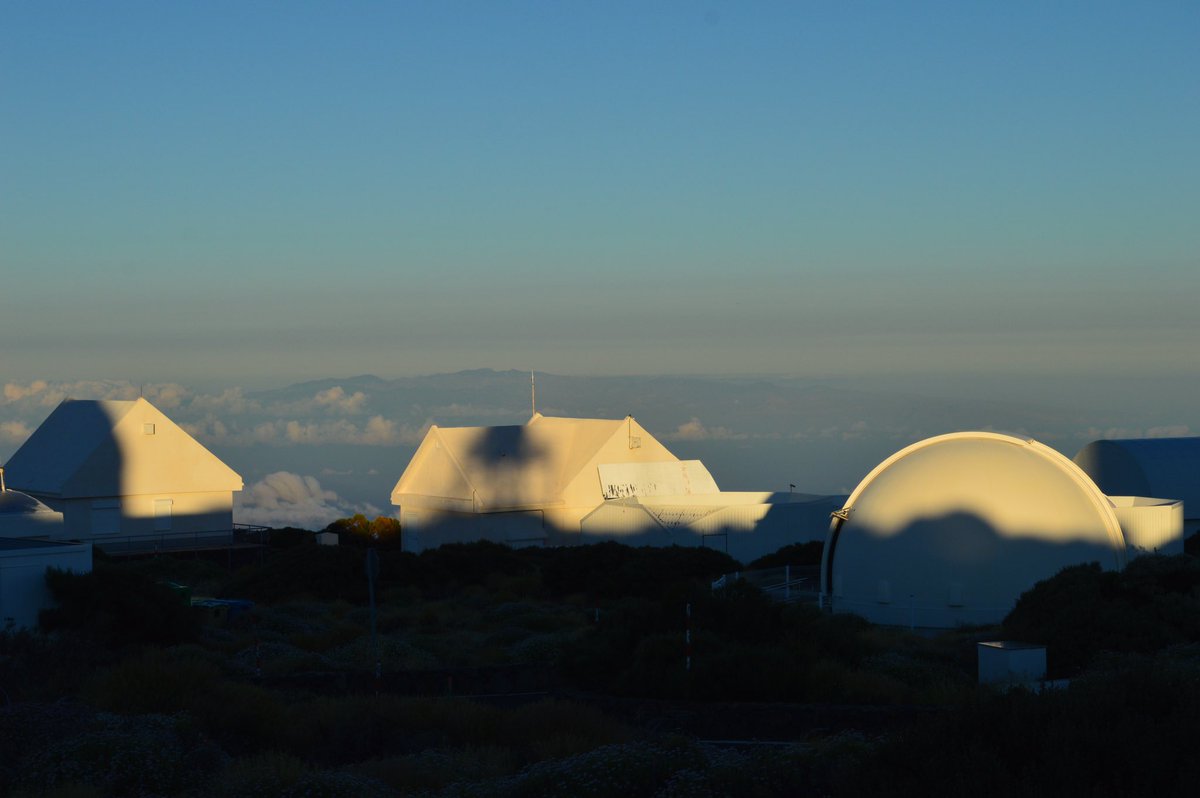
1959 #Teide Observatory. 1964 first telescope (University of Bordeaux). In 1975 the current #CanaryIslands Institute of Astrophysics was created. In 1979 agreement with several countries: cession of the sky by the IAC in exchange for observation time of the installed telescopes
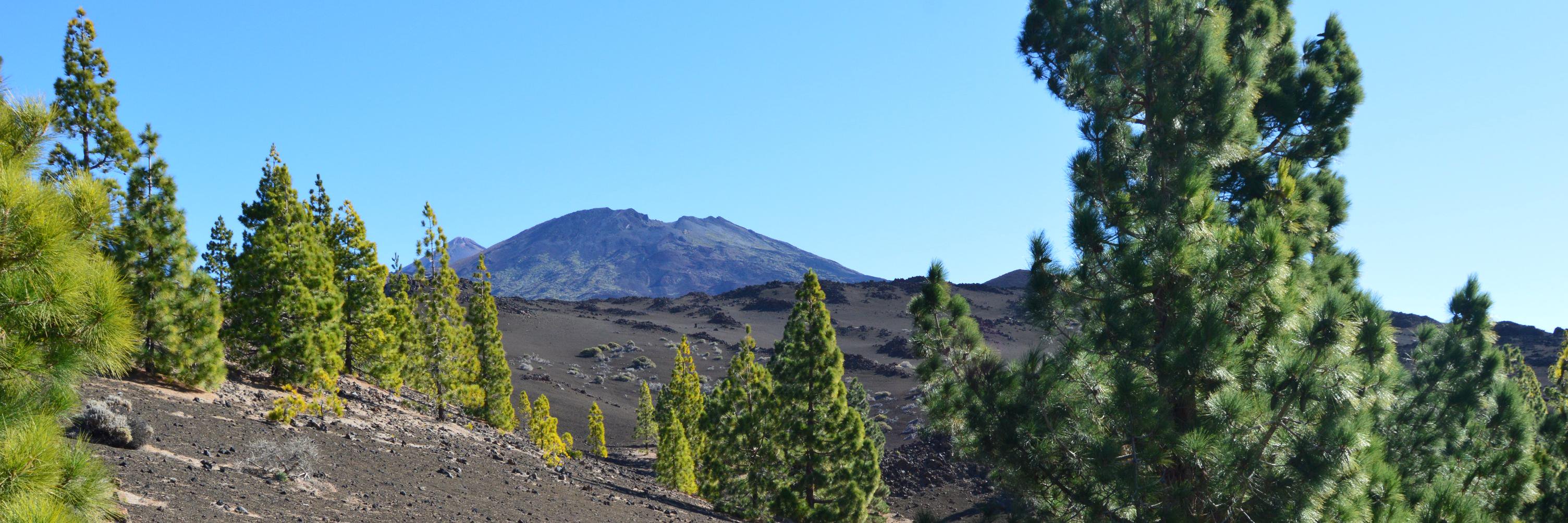
The Canary Pine (Pinus canariensis) is a conifer endemic to the #Canary Islands. It measures between 15 and 25 m in height and its trunk between 0.5 and 1 m in diameter, although it can exceed 60 m in height and 2.5 m in diameter. The special feature is its fire resistance.
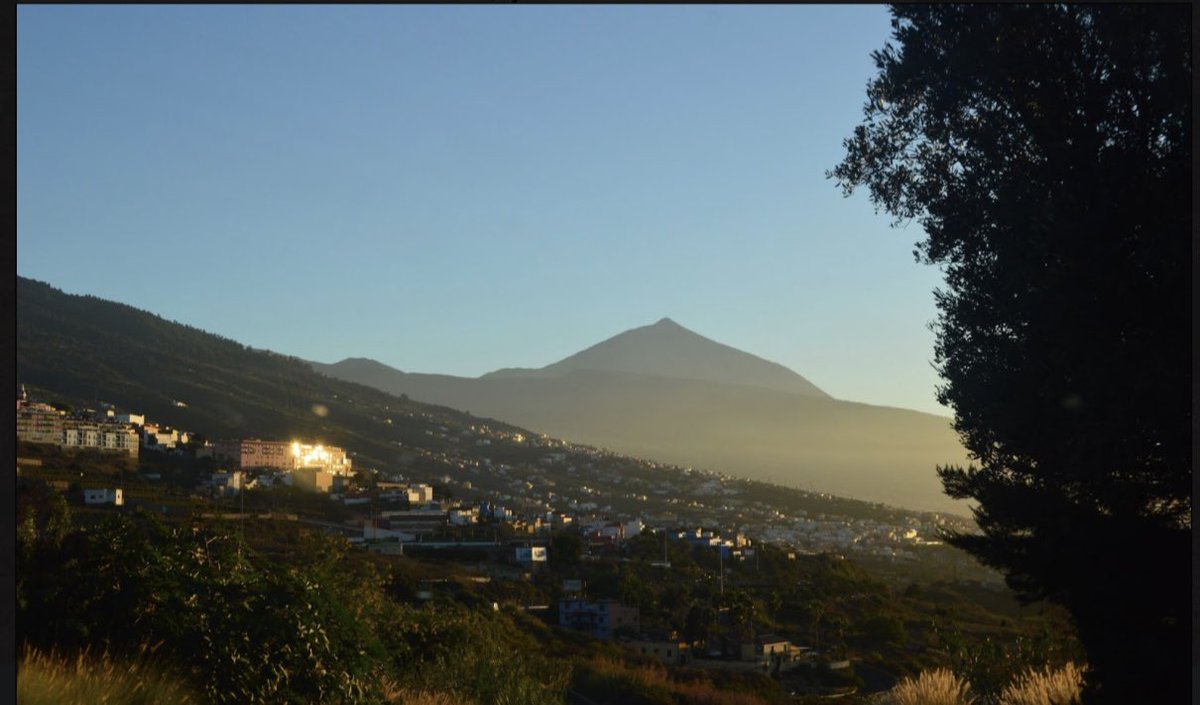
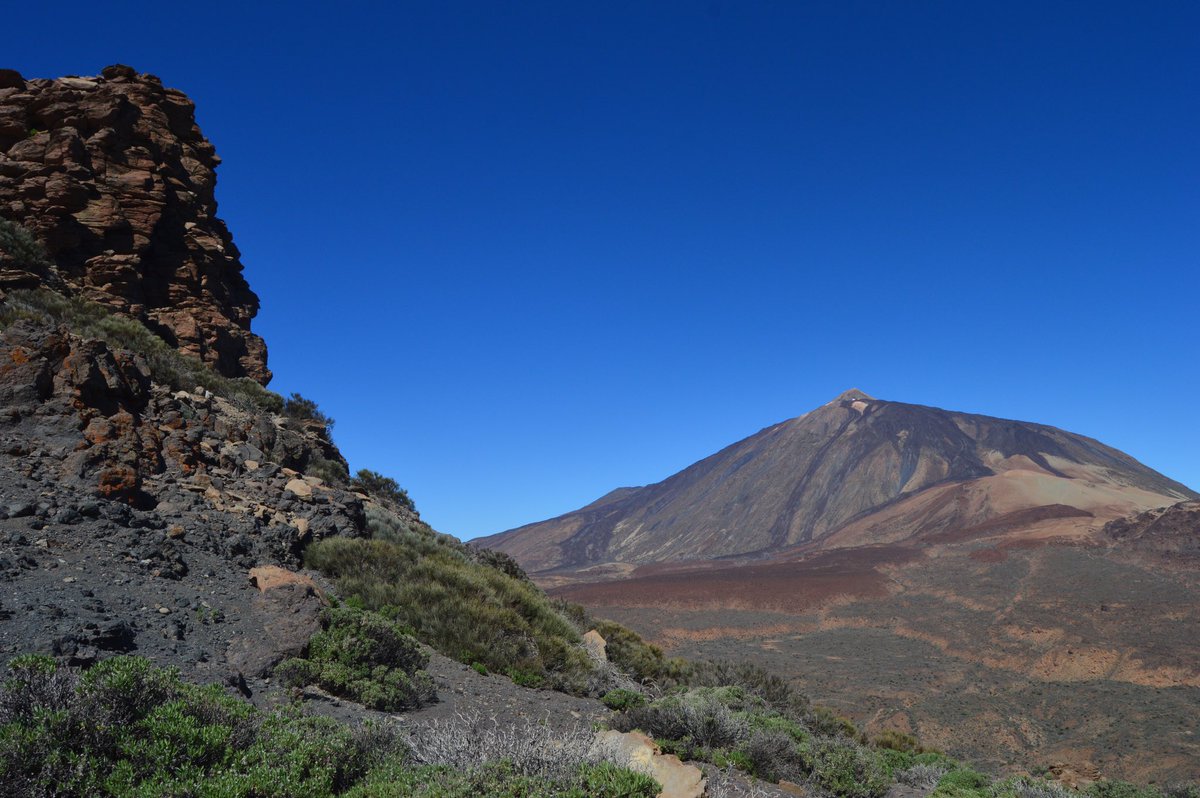
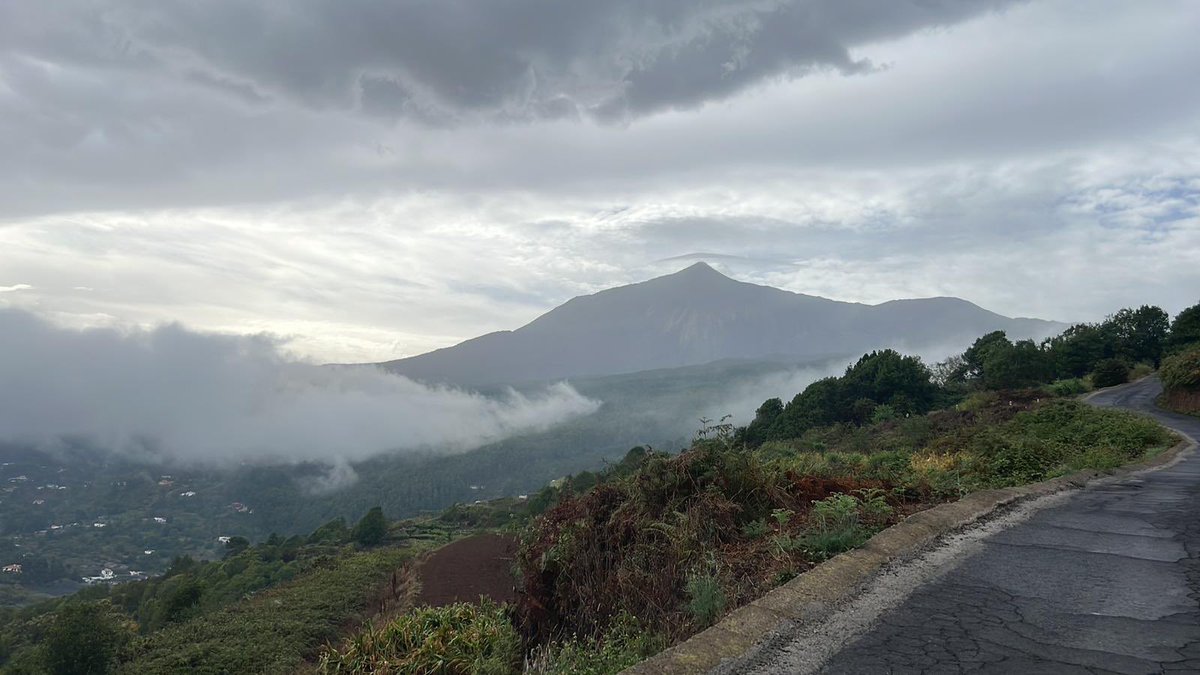
#ElTeide measures 3718m (3715m) above sea level and 7500 meters above the ocean floor (making it the highest peak of any land emerged from the Atlantic Ocean and the third largest volcano on Earth from its base on the ocean floor) #tenerife#canaryislands
Modern tourism in the #CanaryIslands began in #PuertodelaCruz in 1886, the year in which the Grand Hotel, the future Martiánez hotel, was established (surrounded by dense vegetation and trees). The sick tourist, the "invalid", was looking for a good climate for his recovery.
The microclimates of #Tenerife: sudden changes in temperature depending on altitude and orientation, giving the island a changing climate. This is mainly due to the intense orography of the island combined with the great height that it reaches in some points.