Have a look at my FIRST bug bounty write-up regarding the RCE i got recently. Do share if you found it helpful.
https://t.co/YBSL6iZH8E
#BugBounty#bugbountytips#hackerone
It was a life changing decision to do bug bounty and @hacker0x01 is certainly a big time game changer. Thank you @hacker0x01 for acknowledging the hardwork and delivering this prestigious t-shirt all the way from California.
.
.
#bugbounty#hackerone#bugcrowd#cybersecurity
ZoomEye BugBounty Radar #12 | Best Practice: Discovering Origin IPs Behind CDNs
When using ZoomEye BugBounty Radar, you may come across a target domain running a vulnerable web application (e.g., SQL injection), but it's protected by Cloudflare or another CDN, making direct exploitation impossible.
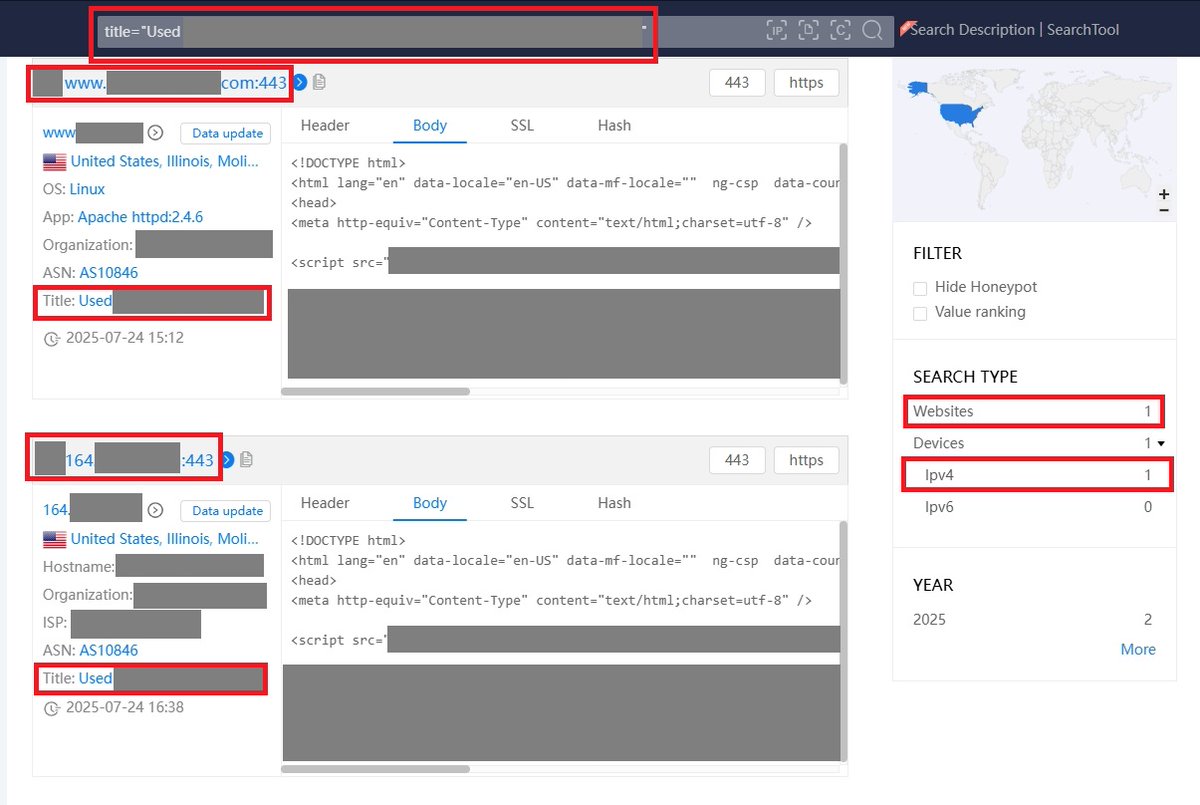
In such cases, you can try to discover the origin IP address using ZoomEye:
- Review the header, body, or SSL content of the target asset.
- Look for unique identifiers — such as page titles, server banners, or SSL subjects.
- Use one of these identifiers as a search keyword in ZoomEye.
- If the results include IPv4 or IPv6 addresses, they are likely origin IPs for the protected domain.
Example: Search using the page title — title="Welcome to XXX"
Discovering origin IPs allows you to bypass CDN protection and interact with the real host — a key tactic for bounty hunters.
🚀 Learn to hunt smarter with BugBounty Radar — follow ZoomEye for daily tips. DM us for 15 days of Bounty Radar access!
🔗 https://t.co/EHa2vFeXFT
#BugBounty #bugbountytip #CyberSec