.@SkaddenArps attorneys consider the 2nd Circuit's ruling in Kirschner v. JP Morgan Chase Bank N.A., which confirmed that syndicated term loans should not be treated as securities. https://t.co/PZvowgwRNa)
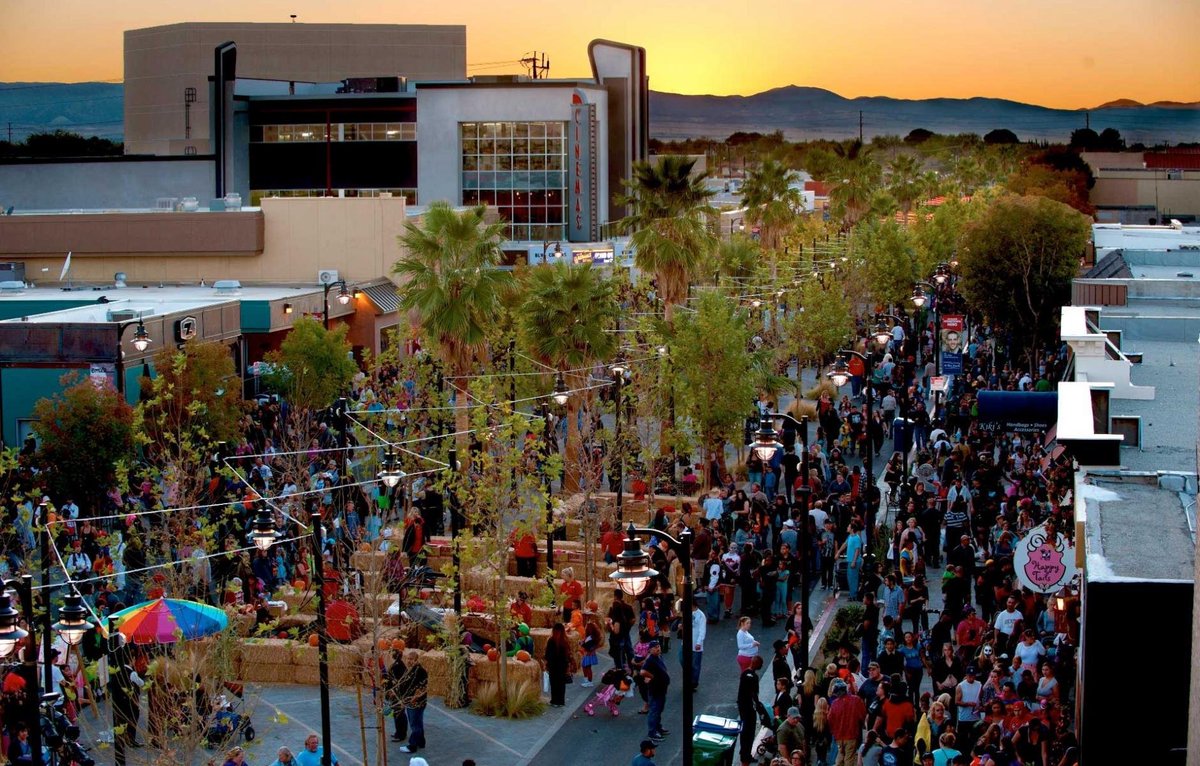
Lancaster, California, spent $11.5m creating a pedestrian-friendly downtown. In just four years, it attracted $130m private investment, doubled its downtown tax revenue, created 48 new businesses and 800 new jobs, and road injuries decreased by two-thirds.
Cities are for people.
@MagnussonSaul@Illumin_Archie@EconTalker@NeuterTheDebt@nntaleb I appreciate ur point on those who dont create. But I think it's unfair to proportionally point a figure at those without wealth & those with, simply because those w/wealth have more ability to create. I think this visualizes it better & was equally easy to draw
@MagnussonSaul@Illumin_Archie@EconTalker@NeuterTheDebt@nntaleb Which I think makes my discussion question even more relevant, this visualization implicate proportional negative externalities between cronies across all wealth brackets (defined as wealth in $ and power). Is this what folks here believe?
@MagnussonSaul@Illumin_Archie@EconTalker@NeuterTheDebt@nntaleb Fair, so inclusive of "The Rich" should be those rich with influence and power (say, politicians), not just wealth; I'm going to go on a limb and guess this excludes those Rich w/love & fulfillment in life 🙃
@EconTalker@NeuterTheDebt@nntaleb@EconTalker this graphic suggests that the same predators, cronies and rent-seekers are proportionally distributed between the rich and the non-rich. Do you you believe this to be true?
@g0leary @COVID19Tracking Cool. Missed that. Interesting to think about what # is already positive and we're only finding out because testing is available. Looks like ~the same percent of people tested each day is positive