Nitric oxide helps your blood vessels stay relaxed so blood, oxygen, and nutrients can move smoothly through your body. The NOS3 gene helps make this possible.
Some small changes in the NOS3 gene can affect how much nitric oxide is made. Daily habits, like smoking, can also play a role in how this gene works.
Read more: https://t.co/InFfTb7Xpy
#wellness #genetics #DNA #healthylifestyle #healthandwellness #methylation
Some people see glowing skin, more energy, or detox support with glutathione, while others hardly notice a change. The reason may be tied to genetics and how your body naturally processes it. ✨
Your DNA plays a role in how well you absorb and use glutathione, which explains why the same routine can feel different for everyone.
Read more: https://t.co/7PmsktNhp0
#glutathione #wellness #genetics #DNA #healthylifestyle #healthandwellness #methylation
A leaky gut happens when the intestinal barrier weakens, letting toxins and bacteria pass through. This may lead to digestive issues, food sensitivities, skin changes, or brain fog. Genes like PTPN2 and CARD15 can make the gut lining more prone to this.
Lifestyle still matters. Eating fiber-rich foods, adding probiotics and prebiotics, and managing stress all support a stronger gut barrier and a balanced microbiome.
Read more: https://t.co/EB64LQOOQC
#gut #stomach #wellness #genetics #DNA #healthylifestyle #healthandwellness #methylation
Histamine intolerance happens when the body can’t break down histamine, a natural chemical found in foods and made by the body. Normally, enzymes help clear it out, but if they don’t work as well, histamine can build up.
Other factors like certain medicines, missing nutrients, or gut balance can also affect how histamine is handled. This may explain why some people react more strongly to foods like wine, aged cheese, or fermented products.
Read more: https://t.co/1zDEkiYYyr
#fermentedfoods #fermentation #histamine #wellness #genetics #DNA #healthylifestyle #healthandwellness #methylation
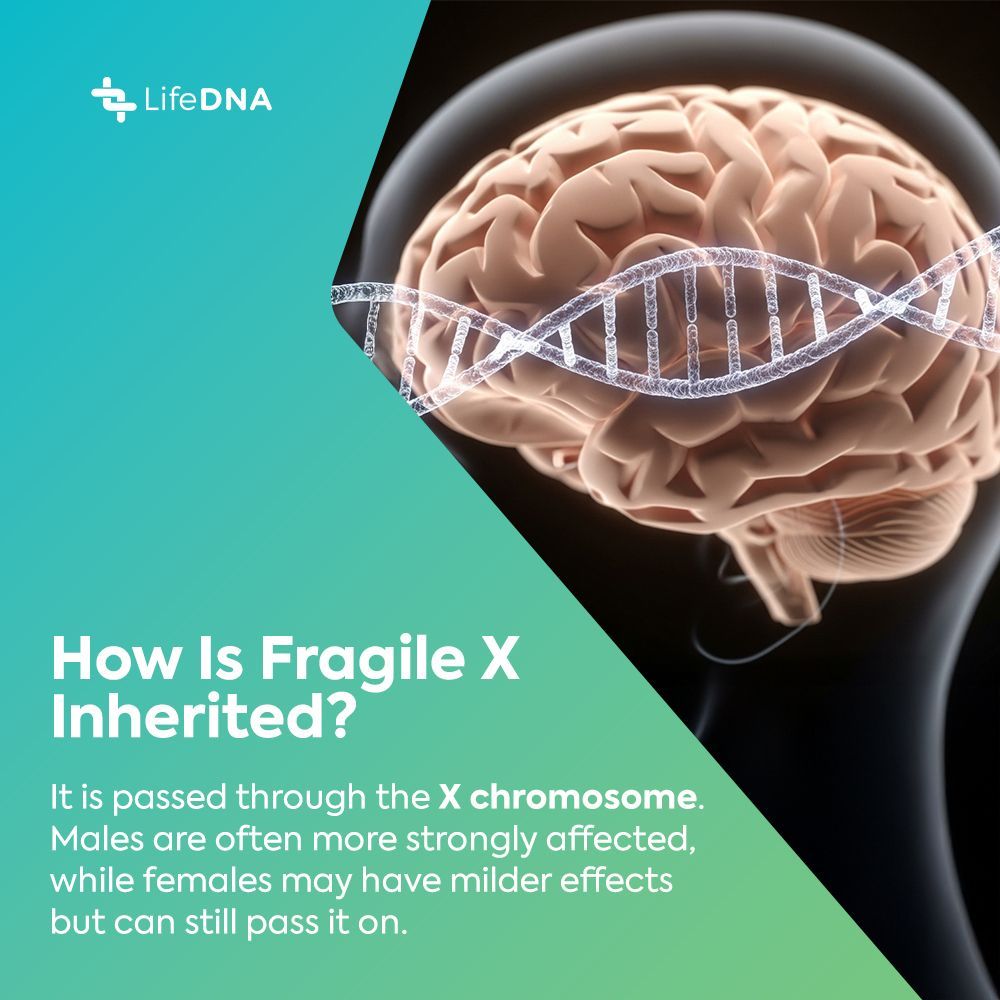
Fragile X syndrome comes from a change in the FMR1 gene, where the CGG repeat expands over 200 times, turning the gene off and blocking a protein needed for brain communication, learning, and memory. Males are often more affected since they have only one X chromosome, while females may still make some of the missing protein.
As an X-linked inheritance pattern, it can run in families and affect each person differently.
Read more: https://t.co/i5NUMx0YxZ
#wellness #genetics #DNA #healthylifestyle #healthandwellness #methylation
Guillain-Barré syndrome (GBS) can come on suddenly, starting with weakness and changes in movement. Its exact cause is still uncertain, but both environment and genetics may play a role.
Studies suggest that certain genetic differences may influence how the body responds to infections, which could explain why GBS develops in some people and not others.
Read more: https://t.co/XlZt5g4mLG
#wellness #genetics #DNA #healthylifestyle #healthandwellness #methylation
Quercetin is a natural plant compound found in foods like apples, onions, and berries. It acts as a strong antioxidant and may influence how certain genes work, especially those connected to stress response, recovery, and cell growth.
Studies suggest it can activate genes that support tissue repair and resilience while also boosting protective proteins that help cells stay strong with age. Quercetin shows how what we eat can directly connect to how our bodies respond to everyday stress.
Read more: https://t.co/vt6fFqYaiK
#quercetin #wellness #genetics #DNA #healthylifestyle #healthandwellness #methylation
Berberine isn’t just a traditional plant extract — it can bind to DNA, change its structure, and make certain genes harder to activate. This unique action may help calm inflammation and guide how the body creates key proteins.
Sourced from plants like goldenseal and barberry, berberine blends ancient use with modern genetic insights, offering natural support for balance and vitality.
Read more: https://t.co/hfXba6EuMg
#berberine #wellness #genetics #DNA #healthylifestyle #healthandwellness #methylation
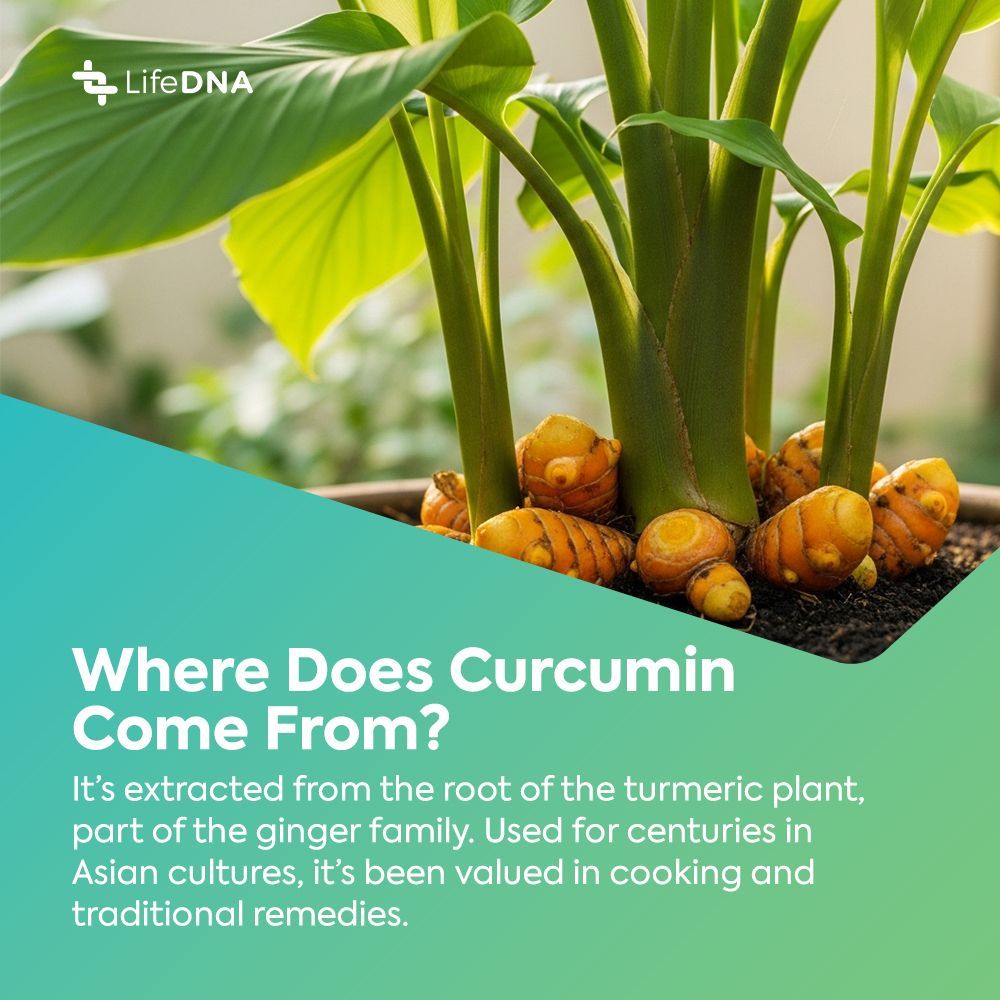
Curcumin from turmeric doesn’t work the same for everyone—and your genes might explain why. It can affect how your body handles stress and supports cell balance by changing the activity of certain genes and enzymes.
It may also support cholesterol balance by helping your liver cells work more efficiently. These genetic differences could shape how curcumin fits into your wellness routine.
Read more: https://t.co/QsvcEa2xpy
#curcumin #turmeric #wellness #genetics #DNA #healthylifestyle #healthandwellness #methylation
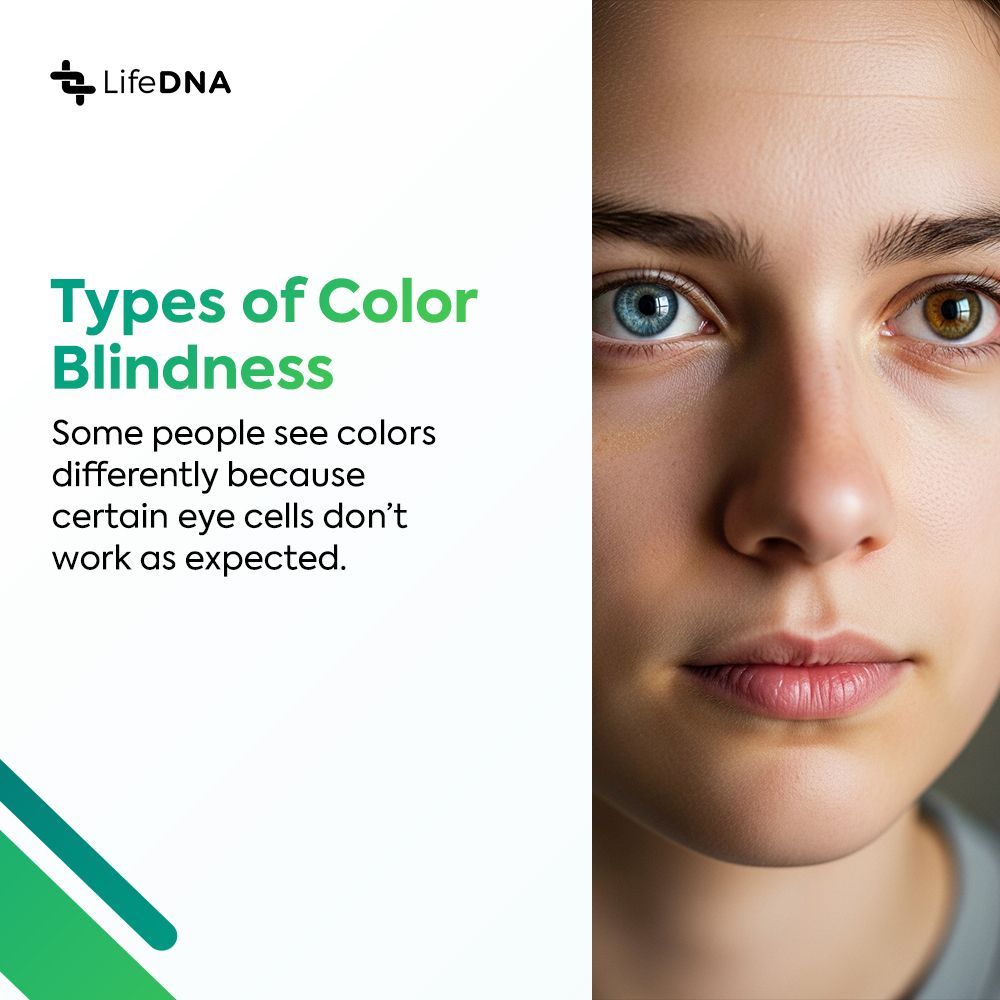
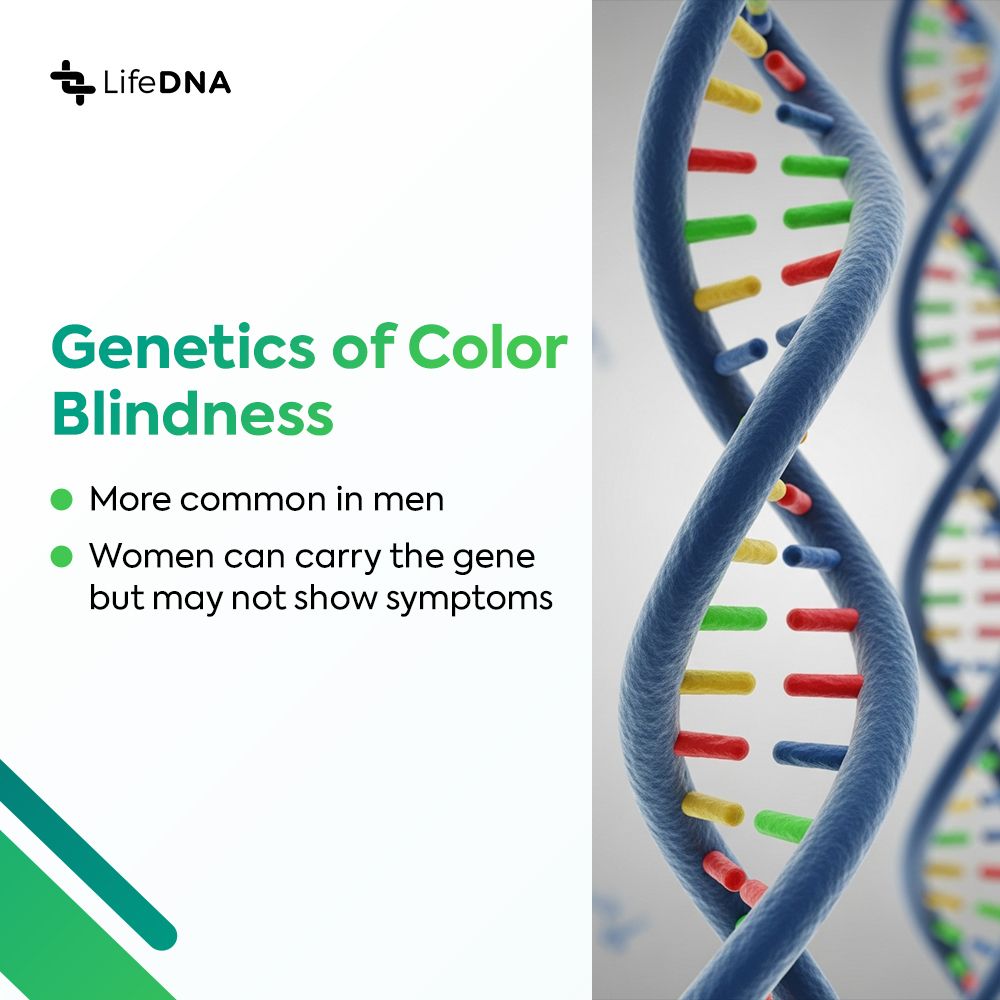
Ever wonder why some people can’t tell red from green, or blue from yellow? For many, it’s more than just a simple mix-up—it’s in their DNA. Color vision depends on special cells in the eye called cone cells. When certain genes like OPN1LW and OPN1MW, which help build these cells, don’t work as expected, it can affect how red and green hues appear. These genes sit on the X chromosome—so it’s more common in men.
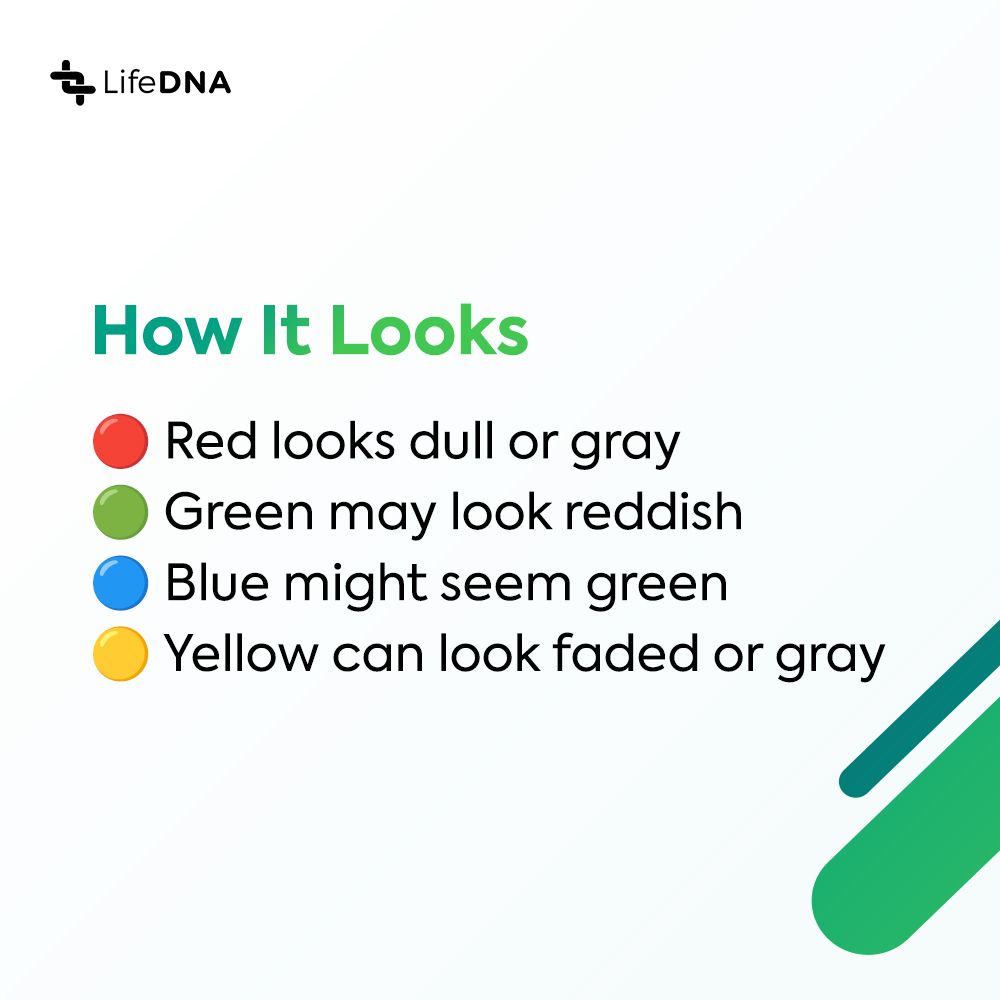
Whether it’s seeing red as dull brown or mistaking blue for green, color vision differences can show up in many ways. From inherited traits to age-related changes, your color perception might be more personal than you think.
Read more: https://t.co/zo4eRS6eTq
#colorblind #colors #wellness #genetics #DNA #healthylifestyle #healthandwellness #methylation
PCOS is a common hormonal condition that affects many women of reproductive age. It’s linked to irregular cycles, higher androgen levels, and sometimes small cysts on the ovaries.
Your genes may play a role—variants in CYP17, CYP19, SHBG, INSR, and CAPN10 can affect how your body handles hormones and insulin. But lifestyle habits like movement, mindful eating, and stress care can help support overall balance and wellness.
Read more: https://t.co/auWed7KnxI
#pcos #hormones #wellness #genetics #DNA #healthylifestyle #healthandwellness #methylation
Ever noticed an extra lash or two in your lash line? Distichiasis, or double eyelashes, is a rare trait where a second row of lashes grows—often lighter and finer than the first. While it may appear on just one eyelid or all four, most people don't even realize they have it unless irritation kicks in.
In some individuals, this trait may be linked to a variation in the FOXC2 gene, which plays a key role in eyelid development. Others may develop extra lashes later in life due to ongoing eyelid irritation, skin conditions, or injury.
Read more: https://t.co/BWV9ncFnlH
#eyelashes #wellness #genetics #DNA #healthylifestyle #healthandwellness #methylation
Your response to caffeine isn’t just about how much you take—it’s also in your genes. 🧬 Variants in the CYP1A2 gene affect how fast your body breaks down caffeine, while changes in ADORA2A can influence how sensitive you are to its effects on sleep and anxiety. That’s why some people feel wired from one cup of coffee, while others can sip all day with no problem.
Caffeine anhydrous, a highly concentrated powdered form found in many supplements, acts quickly and delivers a strong effect. If you're genetically more sensitive, even small doses may feel intense.
Read more: https://t.co/owIsXDGaKp
#coffee #caffeine #wellness #genetics #DNA #healthylifestyle #healthandwellness #methylation
Coenzyme Q10 (CoQ10) is found in nearly every cell, where it fuels energy production and acts as a powerful antioxidant. Organs with high energy demands, like the heart and liver, depend on it most.
Genetic variations can influence how well your body produces or uses CoQ10, which is why some people may benefit from added support. Whether from foods like fatty fish and nuts or from supplements, CoQ10 helps sustain energy and cellular vitality.
Read more: https://t.co/dUSFOFpQNR
#antioxidants #wellness #genetics #DNA #healthylifestyle #healthandwellness #methylation
Ever wonder why some people stay vibrant as they age? 🌿
Your genes could be part of the reason. One called FOXO3 has been linked to longevity and how well the body handles everyday stress.
Along with lifestyle habits, your DNA can offer clues about how your body supports energy, balance, and graceful aging over time. 🧬✨
Read more: https://t.co/jiiEi13V6P
#aging #wellness #genetics #DNA #healthylifestyle #healthandwellness #methylation
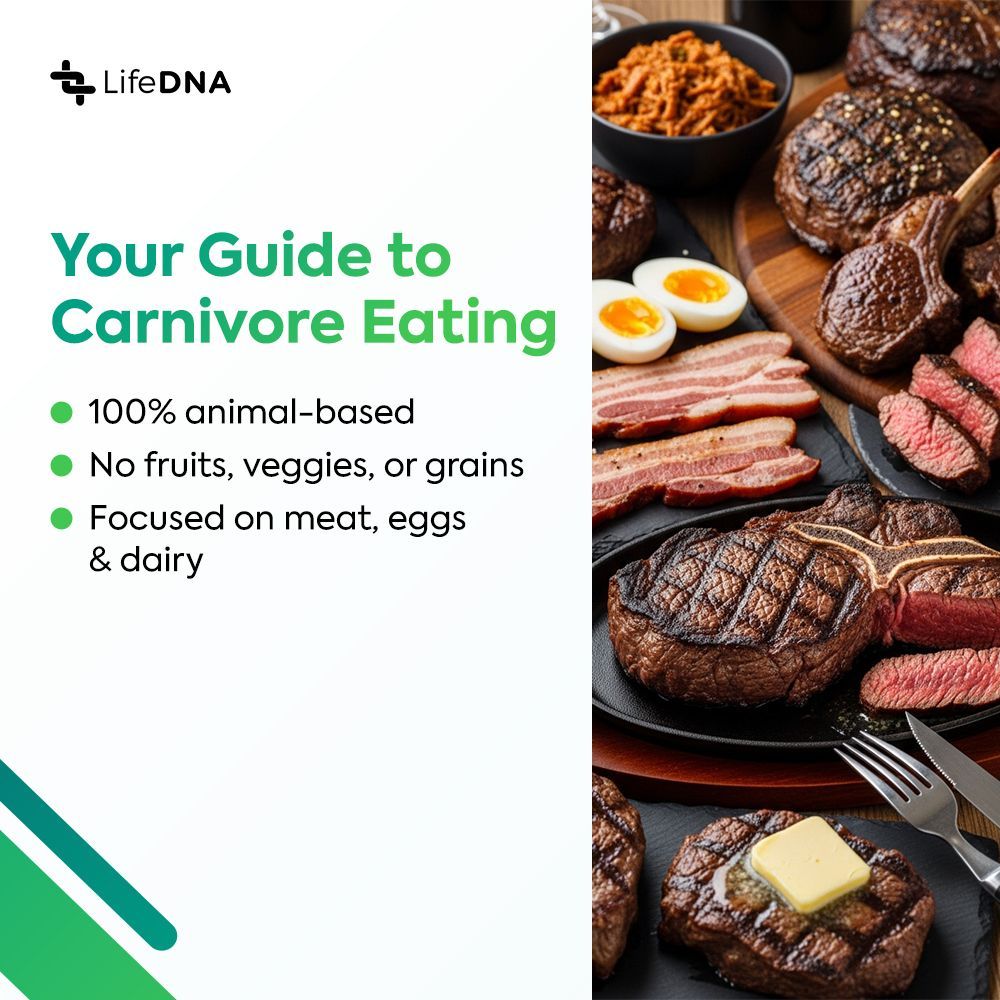
The carnivore diet focuses only on animal-based foods—think meat, fish, eggs, and some dairy—while cutting out all plant-based ingredients. It’s high in protein and fat, and some follow it for energy support, weight goals, or better blood sugar balance.
But how your body responds to this diet may depend on your genetics. Variants in genes like APOE, LCT, or MTHFR can influence how well you process fats, digest dairy, or absorb key nutrients.
Read more: https://t.co/NGA9hkAPbt
#meat #carnivorediet #diet #wellness #genetics #DNA #healthylifestyle #healthandwellness #methylation
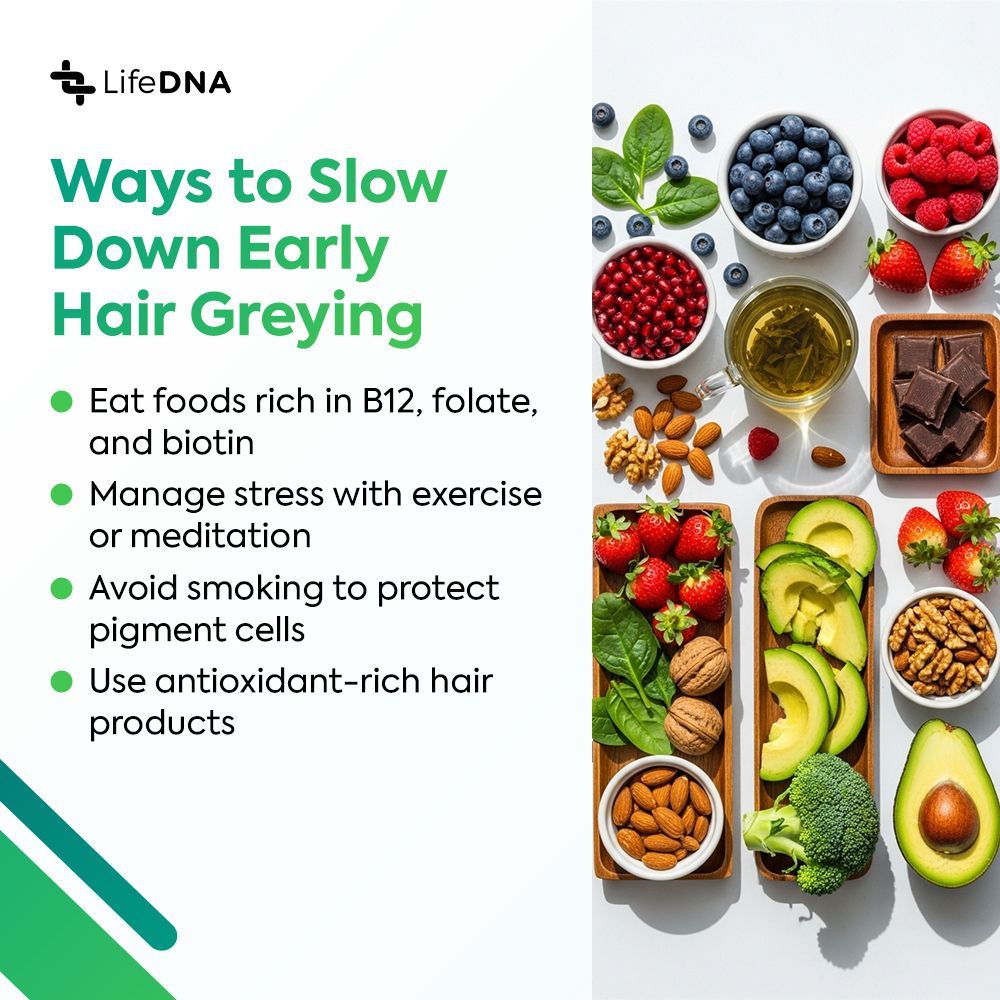
Could your DNA influence when you start seeing grey strands?
While age is the biggest factor, your genes also play a role. If early greying runs in your family, you might notice those silver strands sooner too. Research has identified several genes linked to early hair greying, including ones also connected to traits like hair thinning.
But it’s not just about DNA—your daily routine matters too. Nutrients like vitamin B12, copper, and iron support natural hair color, while stress, smoking, and environmental exposure may speed up pigment loss. Small, mindful choices might help maintain your hair’s natural shade longer.
Read more: https://t.co/xHszXT3w23
#hairgreying #hair #wellness #genetics #DNA #healthylifestyle #healthandwellness #methylation
Feeling more tired as the years go by? Taurine might have something to do with it. Taurine is a naturally occurring amino acid found in the brain, heart, eyes, and muscles—and it plays a key role in many essential functions like energy production, muscle strength, and immune balance.
As we age, taurine levels tend to drop significantly. Scientists have found that this decline may be linked to slower recovery, reduced muscle and bone strength, and changes in metabolism. Research suggests that maintaining taurine levels through food or supplements may help maintain support vitality and how the body functions over time.
Read more: https://t.co/TShCrvFewC
#taurine #supplements #aminoacids #wellness #genetics #DNA #healthylifestyle #healthandwellness #methylation
Male fertility refers to a man’s natural ability to help conceive a child. It involves producing enough sperm, ensuring the sperm are shaped and move properly, and having the right hormones and structures in place to support this process. Fertility is influenced by a mix of lifestyle, environment, and genetics.
Variations in certain genes, such as those on the Y chromosome or the CFTR gene, can affect sperm production, shape, or movement. Some rare conditions, like Klinefelter syndrome or chromosomal translocations, may also impact fertility by altering hormone levels or testicular development.
Read more: https://t.co/4riXDmFQvq
#fertility #spermcells #wellness #genetics #DNA #healthylifestyle #healthandwellness #methylation
Recurrent miscarriages happen when a woman experiences two or more losses before 20 weeks of pregnancy. While many early losses occur by chance, repeated miscarriages may be connected to inherited genetic factors.
Genes influence how an embryo develops. Too many or too few chromosomes can prevent proper growth. Variations in genes like MTHFR or Factor V Leiden may also affect blood flow and how the placenta functions during pregnancy.
Read more: https://t.co/IHmZrrDRdi
#pregnancy #miscarriage #wellness #genetics #DNA #healthylifestyle #healthandwellness #methylation