In Kenya, one of the best personal finance decisions you can make is staying away from any personal debts.
Stay away from mortgages, stay away from car loans, stay away from any type of consumer debt.
Here's why you should stay away from these debts👇
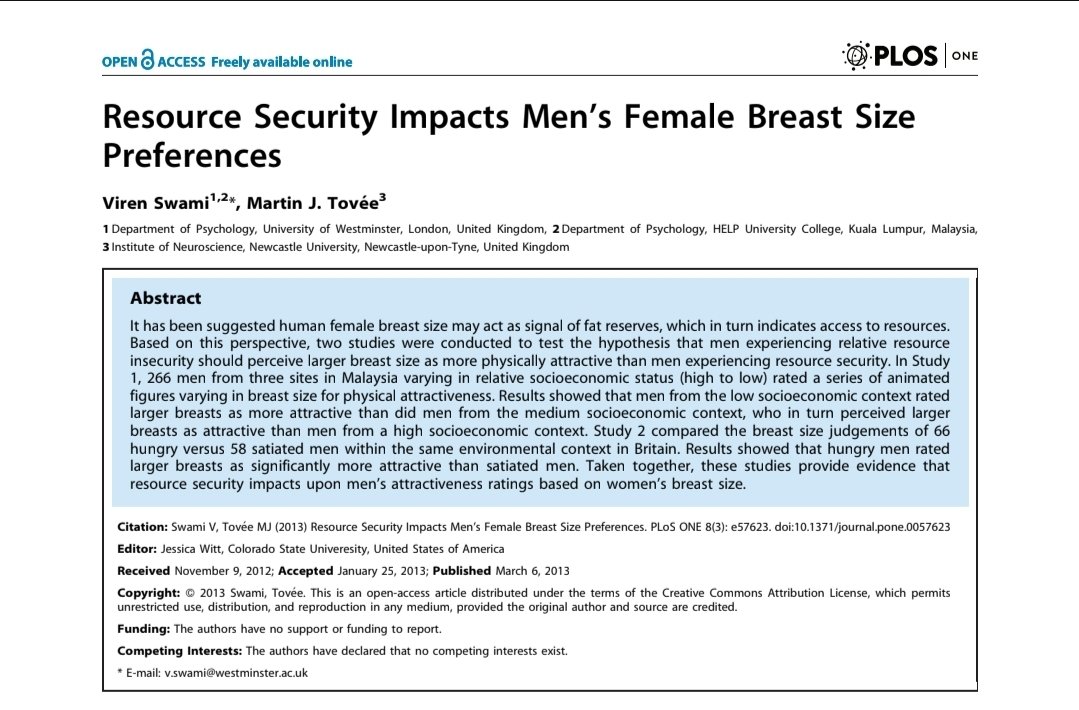
Big breasts as significantly more attractive to hungry men than satiated men as found in this study.
The study compared the breast size judgements of 66 hungry versus 58 satiated men within the same environmental context in Britain.
Results showed that hungry men rated larger breasts as significantly more attractive than satiated men.
Big breasts are often reported to be more strongly preferred by men from lower socioeconomic backgrounds, a pattern some researchers link to perceptions of health, fertility, and resource security.
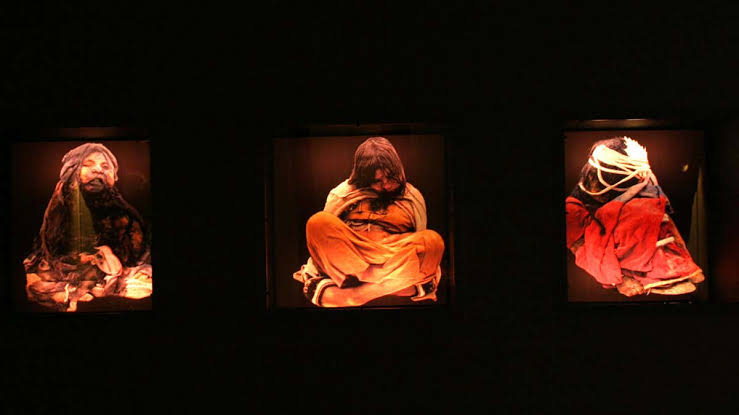
The Children of Llullaillaco, also known as the Mummies of Llullaillaco, are three Inca child mummies discovered on 16 March 1999 by Johan Reinhard and his archaeological team near the summit of Llullaillaco, a 6,739 m (22,110 ft) stratovolcano on the Argentina–Chile border. The children were sacrificed in an Inca religious ritual that took place around the year 1500. In this ritual, the three children were drugged with coca and alcohol then placed inside a small chamber 1.5 metres (5 ft) beneath the ground, where they were left to die. Archaeologists consider them as being among the best-preserved mummies in the world.
On 20 June 2001, Argentina's National Commission of Museums, Monuments and Historic Places declared the Children of Llullaillaco to be National Historic Property of Argentina. Since 2007 the mummies have been on exhibition in the Museum of High Altitude Archaeology in the Argentine city of Salta.
The Inca Empire (Quechua: Tawantinsuyu, "The Four Regions"), was the largest known empire in pre-Columbian America, and possibly the largest empire in the world during the early 16th century. The empire arose in the area around the city of Cusco, high in the Andes Mountains in modern-day Peru, in the 13th century. The Inca civilization did not expand much geographically until the mid-15th century. However starting under the rule of Pachacuti in 1438 the Inca swept throughout South America along the Andes mountains, conquering local peoples along the way and consolidating a massive land empire within the span of less than a century. The Inca Empire reached its maximum geographical extent around 1530 and then began a rapid decline under epidemics pressures culminating in the fall of Cusco in 1533, along with the execution of the emperor Atahualpa by conquering Spaniards.
Child sacrifice, referred to as capacocha or qhapaq hucha, was an important part of the Inca religion and was often used to commemorate important events, such as the death of a Sapa Inca. Human sacrifice was also used as an offering to the gods in times of famine and as a way of asking for protection. Sacrifice could occur only with the direct approval of the Inca emperor. Children were chosen from all over the sprawling Inca empire and were picked primarily based on their "physical perfection". Children chosen for sacrifice were generally "sons and daughters of nobles and local rulers". They were then taken hundreds or thousands of miles to Cusco, the capital, where they were the subject of important purification rituals. From there the children were sent to high mountaintops throughout the empire to be sacrificed. According to traditional Inca belief, children who are sacrificed do not truly die but instead watch over the land from their mountaintop perches, alongside their ancestors. The Inca considered it a great honour to die as a sacrifice.
According to Spanish chronicler Pedro Cieza de León who visited Cusco in 1550, the chosen Virgins of the Sun god, whose task it was to weave and dye woollen cloth for the service of the temple near Cuzco and to prepare chicha, could also be buried alive (sacrificed) if they had violated their celibacy by engaging in sexual intercourse with a male. Spanish historian, Pedro Sarmiento de Gamboa, wrote that by the time of Inca Yupanqui's reign, these women were being used as his concubines.
Other well-preserved mummies, including Mummy Juanita, have been found on mountaintops in the Andes.
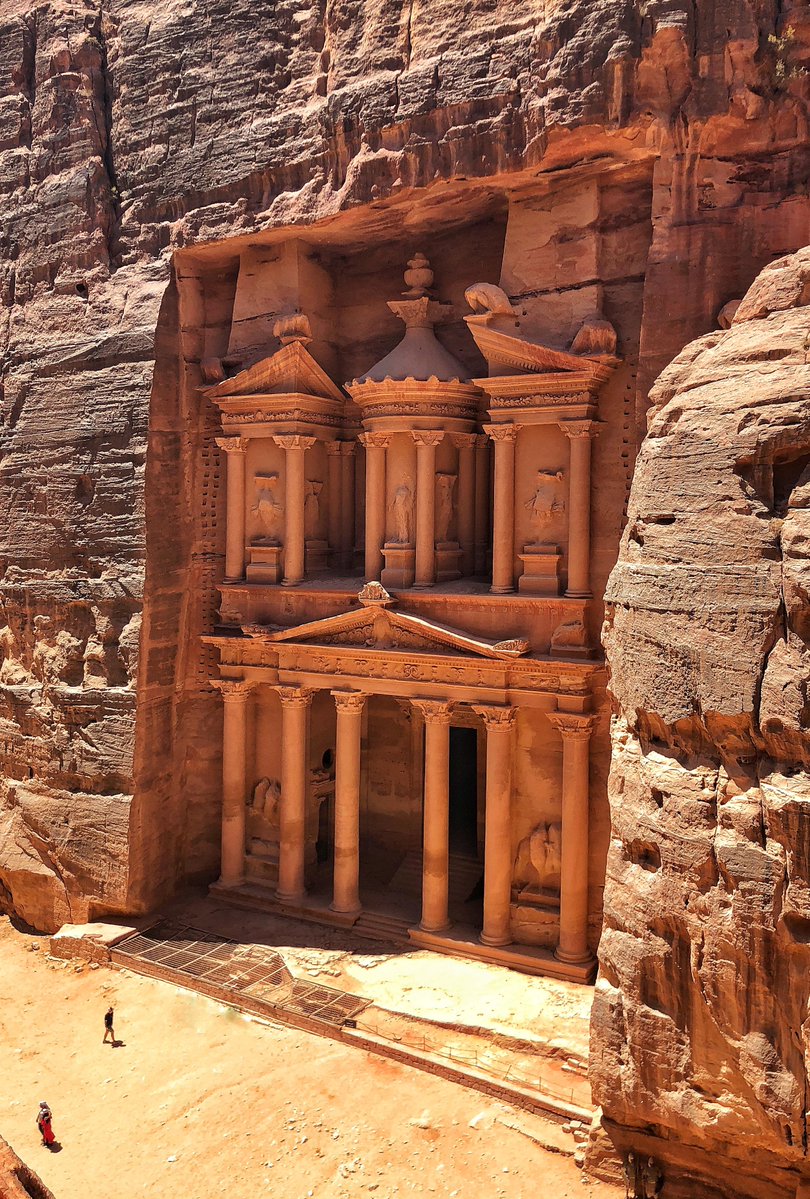
Petra, in Jordan, is one of the most famous places in the world.
But what is it? How old is it? And who built it?
The story begins with an ancient civilisation you've probably never heard of...
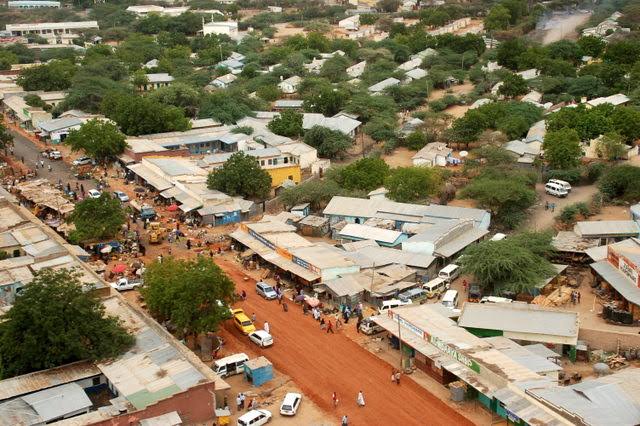
Since I am radiating positive energy this week, I wanna write about the life of a young Kenyan man. The life of a 20-29 year old Kenyan (African). The most complicated phase of a man. An interesting take. Note, this is my perspective. There are numerous others.
A Thread.