Today we pause and pay tribute to those who laid down their lives to protect our country and preserve the American way of live.
ABMC’s 26 cemeteries hosted Memorial Day ceremonies to commemorate Memorial Day and the more than 200,000 service members honored at its sites throughout the world.
Thank you to all our partners and visitors for honoring our fallen and supporting our Memorial Day commemorations.
🎥📍 Memorial Day ceremony at Cambridge American Cemetery, England, May 25, 2026.
More than 7,000 combat boots were displayed at Fort Adams State Park in Newport, Rhode Island, honoring fallen U.S. service members ahead of Memorial Day.
Each boot represents a service member killed in action after 9/11.
John Bernard Arnold III, a World War II U.S. Navy veteran who died on May 6 at 98, had no known living relatives to celebrate his life and service.
But when a Veterans Service Officer in Hanson, Massachusetts, put out a call for support, 1,500 people showed up to bury a man they'd never met: "Such a beautiful last salute to this man."
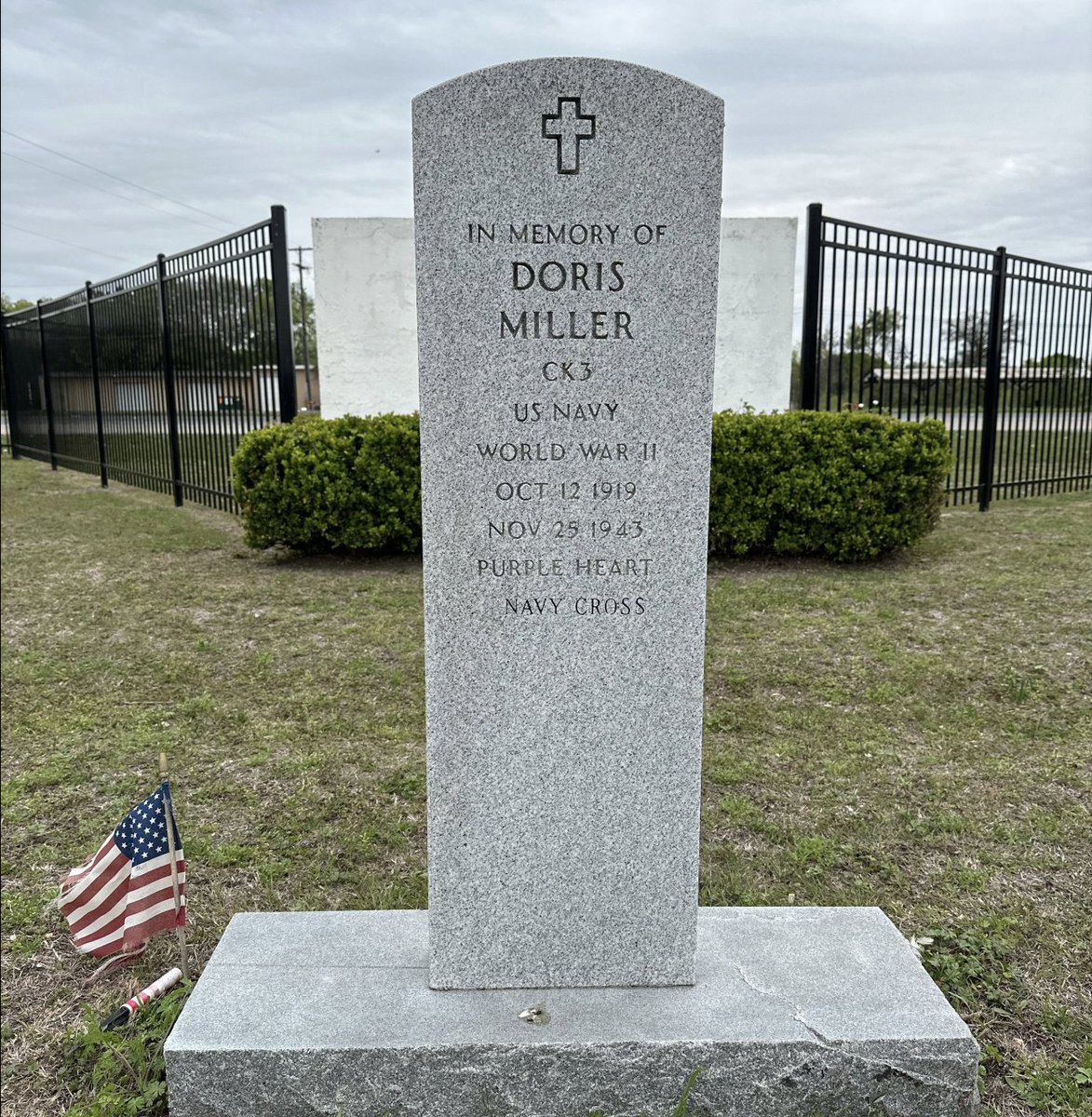
This Memorial Day, we honor the sailors, Marines, Coast Guardsmen, and all veterans who served—and those who made the ultimate sacrifice in defense of the nation. 🇺🇸
We remember. ⚓ 🫡 #MemorialDay
Photo by Elizabeth Fraser | Arlington National Cemetery
This day and every single day, we remember them, we thank them, and we bless them for their selfless sacrifices that provided us with the freedoms we all share today.
Proceedings Photo of the Week: Sailors from the U.S. Navy Ceremonial Guard and the U.S. Navy Ceremonial Band along with soldiers from the 3d U.S. Infantry Regiment (The Old Guard) Caisson Detachment conduct full military funeral honors with escort for U.S. Navy Seaman 1st Class Paul Newton at Arlington National Cemetery. Newton, 20, was killed during the attack on Pearl Harbor in 1941. He was accounted for in 2024—over 80 years later. U.S. Army (Elizabeth Fraser)
The ceiling at William H. Gray III 30th Street Station is all refreshed, and looks stunning. 🤩
We’re ready to welcome the world for @FIFAWorldCup in just under a month, so during your next @Amtrak trip, find yourself some new @FWC26Philly gear!
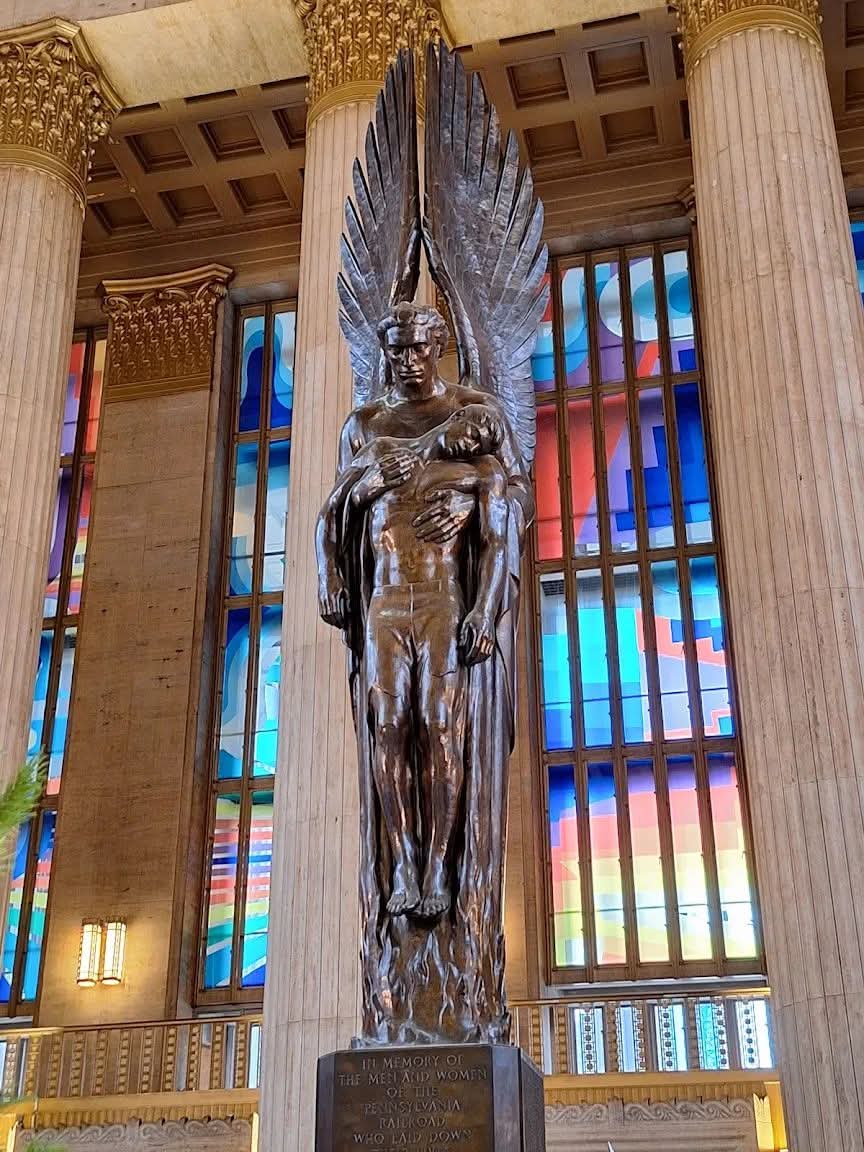
This has always been my very favorite statue. Commissioned to honor the Pennsylvania Railroad employees who died in World War II, Walker Hancock’s heroic bronze presents the Archangel Michael, angel of the Resurrection, lifting a lifeless soldier in his arms. The angel’s great wings point directly upward as he frees the youth from the flames of battle. The high columns of 30th Street Station form a dramatic backdrop, and the pedestal bears the names of all 1,307 railroad employees who perished in the war. It is 39' feet tall.
❤️🇧🇷 A beautiful moment before the Mineiro derby as Hulk and Atlético Mineiro’s players walked onto the pitch alongside children living with Cornelia de Lange Syndrome — a rare genetic condition that causes severe physical malformations.
The gesture was made to promote visibility, awareness and inclusion. 🙏
The photo captured by Pedro Souza with little Mariazinha says more than words ever could. 📸
Football is so much bigger than the game itself. ❤️
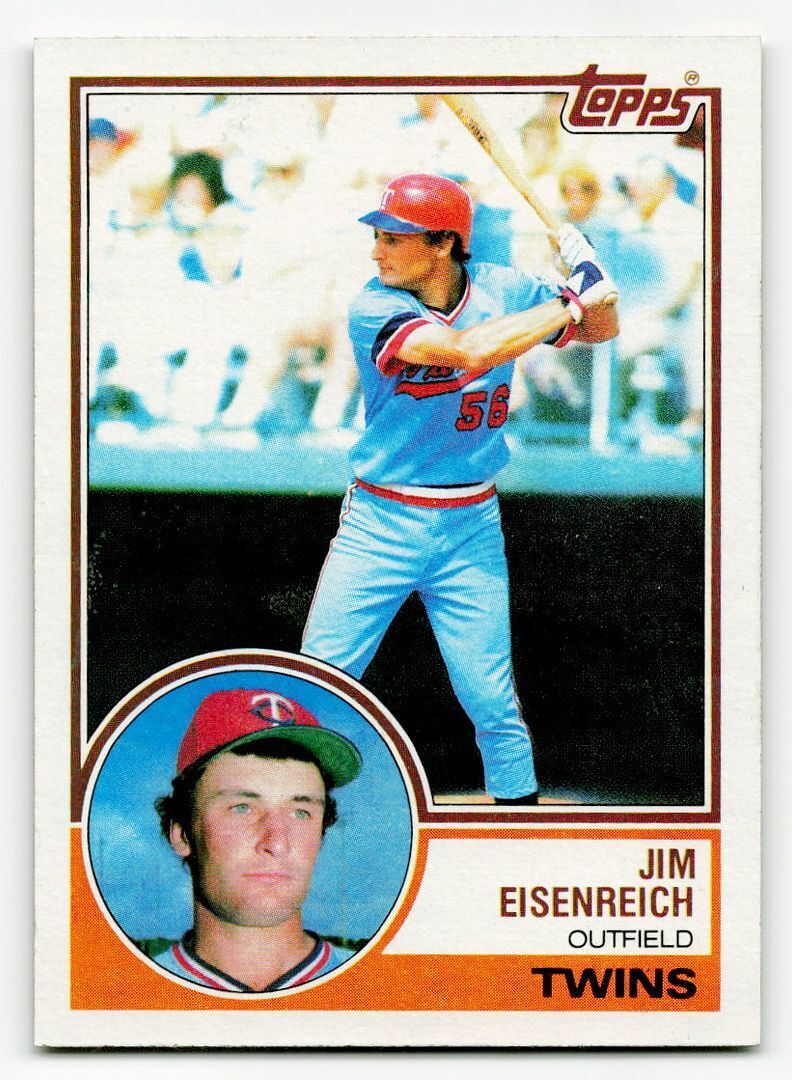
Today in 1982: Jim Eisenreich, a rookie outfielder for the Twins hitting .309, left the game at Fenway in the middle of an inning.
He suffered from twitching and it became uncontrollable when Boston fans continuously taunted him.
When the team returned to Minnesota, Jim checked into a hospital for treatment. Doctors diagnosed him with Tourette's Syndrome.
He tried several comebacks the next few years, but could never control his symptoms. He retired from baseball in 1984.
Over the next two years, doctors found a way to treat his Tourette’s, and Jim returned to baseball in 1987 with Kansas City. He was named the MVP of the 1989 Royals, a team that featured Bo Jackson and George Brett.
After his comeback, he went on to play 12 more years in the big leagues, and batted over .300 in 5 of those seasons.
He now has a foundation that helps children with Tourette’s Syndrome.
#MLB #baseball #Royals @TouretteAssn
Leo, after 12 years of fighting, has received Vyjuvek medicine 😍
From today, Andalucía has begun the treatment for patients with Epidermolysis bullosa.
We are so proud of you, Leo! ❤️
In 1934, a wealthy New York socialite did something that baffled the locals in rural Pennsylvania. She walked into a real estate office and leased a mountain just to evict them.
Her name was Rosalie Edge, and she was 57 years old.
At the time, Kittatinny Ridge was known locally as "The Slaughterhouse." Every fall, thousands of hawks, falcons, and eagles migrated along the ridge, riding the air currents south for the winter. But waiting for them were hundreds of men with shotguns and easy targets.
It wasn't hunting for food; it was slaughter for sport. The ground was often carpeted with the rotting bodies of magnificent birds, while many others were left wounded to die slowly in the brush.
The state of Pennsylvania actually encouraged it, even paying a $5 bounty on goshawks. Predators were seen as "vermin" that threatened chickens and game birds, and the general consensus was that they should be wiped out. Even the National Audubon Society refused to intervene, telling Mrs. Edge that protecting hawks simply wasn't a priority.
She was furious. She famously stated, "The time to save a species is while it is still common."
But she didn't just write letters—she took action. She founded the Emergency Conservation Committee, and when established conservation groups wouldn't buy the land to stop the shooting, she did it herself. She secured a lease on 1,400 acres of the ridge and hired a warden, Maurice Broun, to guard it.
When the hunters arrived that season, expecting their usual sport, they found "No Trespassing" signs and a determined woman and her warden blocking the path. The shooting gallery was officially closed.
The hunters were angry. There were threats against her life and promises of violence, but Mrs. Edge stood firm, relying on her legal rights as a private property holder.
She turned a place of death into the world’s first sanctuary for birds of prey. She understood the value of predators, the delicate balance of the ecosystem, and the future of conservation. Her sanctuary, Hawk Mountain, later provided the crucial data that proved the dangers of DDT. Without her stubbornness, we might have lost the bald eagle entirely.
Rosalie Edge proved that a single citizen with a lease and a backbone can change the course of history.