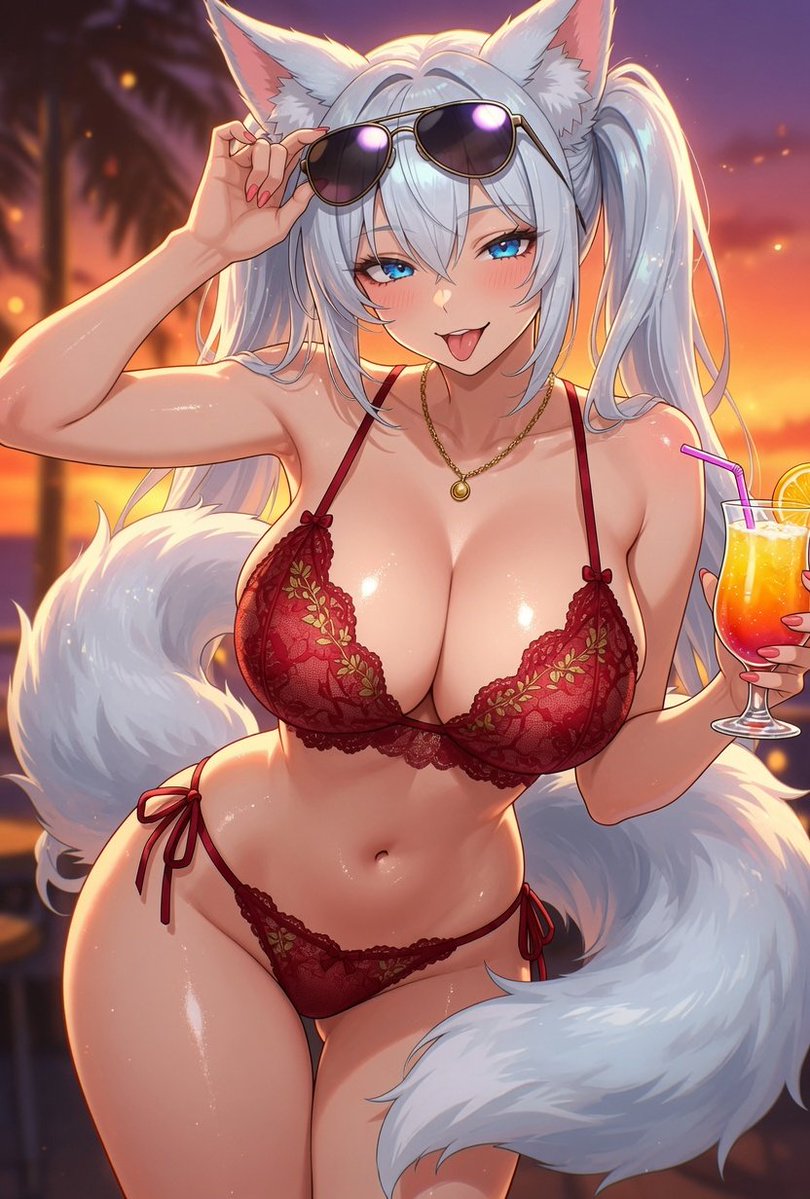
## CUSTOM KEI TRUCK POSTER PROMPT V5.0
## VARIABLES
**@IMAGE_1 =**
Primary character reference sheet
**OUTPUT STYLE:**
semi-realistic cinematic concept art
**STYLE EXAMPLES:**
* clean modern anime key art
* retro 1990s anime
* cel-shaded cyberpunk anime
* painterly fantasy illustration
* graphic comic-book poster
* neon synthwave illustration
* ink-and-watercolor anime
* polished video-game splash art
* semi-realistic cinematic concept art
* vintage Japanese automotive poster
* cute chibi anime
Use only the style selected in **OUTPUT STYLE**. The chosen style controls the linework, shading, color treatment, lighting, atmosphere, and overall presentation.
**ASPECT RATIO:**
4:5 vertical poster
**KEI TRUCK CAB HEIGHT:**
5.7–6.0 feet / 174–183 centimeters from the ground to the fixed cab roof
**ENVIRONMENT:**
Choose a setting naturally suited to the character and selected output style
**LIGHTING:**
Choose cinematic lighting suited to the character, environment, and selected output style
---
## REFERENCE AUTHORITY
Use **@IMAGE_1** as the sole visual authority for the character.
Preserve the character’s recognizable:
* face and apparent age
* skin tone
* eyes
* hairstyle and hair color
* body type, height, and proportions
* species traits and anatomy
* scars, markings, tattoos, and patterns
* clothing, armor, accessories, and jewelry
* asymmetrical features
* colors, materials, symbols, and motifs
* personality and overall presence
Do not redesign, mirror, replace, simplify, or reinterpret the character.
Do not borrow traits from celebrities, franchises, unrelated characters, or generic archetypes.
The final character must remain immediately recognizable as the exact character shown in **@IMAGE_1**.
---
## CORE CONCEPT
Create one polished poster showing exactly one reference-accurate character standing beside their personally customized Japanese kei truck.
The truck must translate the character’s colors, materials, shapes, symbols, occupation, personality, and design language into believable automotive customization.
The image must clearly communicate:
**“This is the character’s personal custom kei truck.”**
---
## CHARACTER AND POSE
Show exactly one full-body character standing beside the cab or front half of the truck.
One hand must rest visibly and naturally on the fixed cab roof.
Use a relaxed, confident pose. The character may:
* stand upright
* lean slightly toward the truck
* shift their weight onto one leg
* cross one ankle naturally
The free arm may:
* hang naturally
* rest on the hip
* enter a pocket when compatible with the outfit
* lightly hold an existing clothing edge or accessory
Preserve the character’s established expression and personality.
Avoid stiff, exaggerated, seductive, or anatomically awkward posing unless clearly supported by the reference.
---
## ANATOMY LOCK
Preserve the character’s exact anatomy and asymmetry.
Unless the reference clearly establishes otherwise, show:
* one head
* one torso
* exactly two arms
* exactly two hands
* exactly two legs
* exactly two feet
* five fingers on each visible humanlike hand
The roof-contact arm must connect correctly through the shoulder, elbow, wrist, hand, and fingers.
Preserve the correct side and design of all cybernetic, mechanical, prosthetic, transformed, armored, or nonhuman limbs.
Do not mirror asymmetrical anatomy, markings, cybernetics, hairstyle, clothing, or accessories.
No extra limbs, phantom limbs, duplicate hands, fused anatomy, detached anatomy, malformed joints, extra fingers, missing fingers, or duplicated facial or species features.
---
## WEAPON EXCLUSION
Do not include weapons from the reference sheet and do not invent new weapons.
Exclude all:
* swords, knives, firearms, bows, spears, axes, hammers, polearms, or scythes
* ammunition, explosives, holsters, sheaths, and weapon harnesses
* weaponized magical objects
* mounted vehicle weapons
Do not place weapons on the character, truck, cargo bed, ground, or background.
Preserve the character’s identity through their appearance and vehicle customization rather than weaponry.
---
## KEI TRUCK DESIGN
Create a recognizable Japanese cab-over kei truck with:
* a short cab-over front
* an upright compact cab
* a narrow body
* a small practical cargo bed
* four kei-sized road wheels
* visible windshield and side windows
* coherent doors and mirrors
* functional headlights and bumper
* believable suspension and underbody
* clear separation between the cab and cargo bed
The fixed cab roof must be approximately:
**5.7–6.0 feet / 174–183 centimeters above the ground**
Roof racks, antennas, lights, spoilers, cargo, suspension, and decorative attachments do not count toward this measurement.
The truck may be highly customized, but its kei-truck structure must remain immediately recognizable.
Do not turn it into:
* a toy or miniature vehicle
* a full-size pickup
* a monster truck
* a van or semi truck
* a sports coupe
* a tank or combat vehicle
* a hover vehicle
* a mecha
* a living creature
---
## CHARACTER-DRIVEN CUSTOMIZATION
Customize the truck using the character’s established design language.
Possible adaptations include:
* character-inspired body colors and finishes
* matching panel lines and trim
* cybernetic vents or illuminated channels
* elegant curved or angular body details
* horn-, wing-, fin-, tail-, floral-, gothic-, celestial-, aquatic-, military-, magical-, or street-inspired motifs
* custom grille, headlights, mirrors, wheels, upholstery, decals, pinstriping, bed lining, and trim
* compact roof racks, bed racks, toolboxes, fog lights, side steps, mud flaps, or custom exhaust
* subtle underglow or energy accents
Keep the modifications coherent, functional-looking, and professionally fabricated.
The truck may echo the character’s anatomy decoratively, but it must not literally become part of the character.
Do not invent names, brands, slogans, kanji, symbols, or lore text unless they are clearly visible in the reference or supplied by the user.
No weapon mounts or combat armaments.
---
## SCALE LOCK
The character and truck must share the same real-world scale.
The fixed cab roof must remain approximately:
**5.7–6.0 feet / 174–183 centimeters above the shared ground plane**
Render the character at their reference-established height.
General scale guidance:
* a 5.7-foot character should stand near roof height
* a 6-foot character should stand close to roof height
* a taller character should rise above the roof by the correct difference
* a shorter character should remain visibly below the roof
For a character around 6 feet 2 inches / 188 centimeters, the roof will usually align near the jaw, neck, or upper shoulder depending on posture, footwear, and exact truck height.
The roof-contact hand must reach naturally through a slightly raised arm, relaxed elbow, natural wrist, subtle lean, or small weight shift.
Do not:
* lengthen the arm
* shorten the character
* lower the truck
* enlarge the truck into a full-size pickup
* bend the knees unnaturally
* distort the torso to force roof contact
Both subjects must share:
* one ground plane
* one horizon
* compatible perspective
* similar camera depth
* consistent foreshortening
The character’s feet and all visible tires must make believable ground contact.
---
## COMPOSITION
Create one dramatic **4:5 vertical poster**.
Clearly show:
* the full character
* the character’s face and feet
* the roof-contact hand
* the full cab
* the cargo bed
* the major wheels
* the truck roof
* the tire-contact points
* the character-to-truck height relationship
Use a front three-quarter or rear three-quarter truck view.
Place the character beside the cab or front half of the truck and near the same depth plane as the vehicle.
Use an eye-level, waist-height, or mildly low camera angle.
Avoid extreme perspective that makes either subject appear artificially larger or smaller.
Do not hide the character behind the truck or create confusing overlaps with doors, mirrors, racks, wheels, or bed structures.
---
## ENVIRONMENT
Use the setting selected in **ENVIRONMENT**, or choose one naturally supported by the character and style.
Suitable examples include:
* urban street
* Japanese roadside overlook
* neon parking area
* workshop exterior
* custom car meet
* mountain turnout
* coastal road
* rural lane
* industrial district
* cyberpunk alley
* shrine-adjacent road
* forest parking area
* desert roadside
* fantasy-inspired drivable street
Keep the environment secondary to the character and truck.
Use a clear ground plane, controlled detail, and readable atmospheric depth.
Do not add crowds, drivers, mechanics, bystanders, duplicate characters, or unrelated creatures.
---
## ART DIRECTION
Render the final image entirely in the style selected under **OUTPUT STYLE**.
The character, truck, environment, lighting, and effects must appear to belong to the same visual production.
Regardless of style, maintain:
* a clearly readable face
* accurate hands and anatomy
* clean character separation
* coherent truck geometry
* visible customization
* controlled lighting
* strong composition
* professional finished quality
Do not accidentally mix incompatible styles unless the selected output style specifically requests a hybrid treatment.
Examples:
**Full-color line-heavy shonen manga**
* bold ink-like outlines
* varied line weight
* clean cel shading
* strong color separation
* dynamic graphic accents
**Clean modern anime key art**
* refined linework
* polished cel shading
* cinematic light
* controlled effects
* crisp promotional finish
**Painterly fantasy illustration**
* visible brushwork
* rich atmospheric color
* dramatic light
* detailed materials
* softer but controlled edges
**Retro 1990s anime**
* hand-painted cel appearance
* bold shadows
* vintage color palette
* subtle film texture
* period-appropriate automotive poster styling
**Semi-realistic cinematic concept art**
* believable materials
* realistic lighting
* refined anatomy
* cinematic atmosphere
* stylized rather than photographic presentation
---
## LIGHTING
Use the lighting selected in **LIGHTING**, or choose lighting suited to the selected environment and output style.
Possible lighting includes:
* golden hour
* crisp daylight
* neon evening light
* dramatic sunset
* cool moonlight with warm artificial accents
* workshop lighting
* custom-car-meet lighting
Ensure:
* the face remains readable
* the roof-contact hand remains visible
* dark clothing remains separated from the truck
* the vehicle silhouette remains distinct from the background
* reflections do not hide important graphics or body lines
* glow effects do not overpower the character
---
## VEHICLE INTEGRITY
Ensure the truck has:
* compact kei-truck width and length
* believable windshield, cab, door, and interior dimensions
* exactly four primary road wheels
* one optional clearly separate spare tire
* correctly aligned wheels and axles
* circular and consistent tires
* coherent cab, bed, bumper, grille, headlights, doors, mirrors, suspension, and panels
* one steering wheel
* consistent perspective and reflections
No duplicate wheels, floating wheels, merged tires, warped cab, flattened roof, stretched roof, broken windows, duplicated mirrors, melted vehicle forms, or purposeless random parts.
Do not allow hair, clothing, tails, wings, accessories, or limbs to merge with the truck.
---
## SPECIES-TRAIT LOCK
Preserve all nonhuman traits exactly as shown in the reference.
For tails, wings, horns, ears, antennae, fins, or similar features:
* preserve the correct number
* preserve their established shape, scale, color, and position
* attach them to the correct anatomical location
* keep them visually separate from the truck
* prevent duplication in reflections
* prevent merging with exhausts, racks, mirrors, wheels, bed rails, or graphics
The truck may echo these shapes as decoration, but the character’s anatomy must remain intact.
---
## OUTFIT AND ACCESSORIES
Preserve the character’s recognizable outfit and identity-defining accessories.
Make only minor adjustments required for the standing pose.
Do not replace the outfit with generic streetwear, racing gear, mechanic clothing, school clothing, or unrelated fashion.
Do not add a helmet unless it is inseparable from the character’s design.
Do not hide the face or mirror asymmetrical clothing.
Keep long hair, coats, capes, skirts, robes, ribbons, chains, and accessories clear of doors, mirrors, wheels, racks, bed rails, and exhaust components.
---
## NEGATIVE CONSTRAINTS
Do not include:
* weapons or weapon mounts
* extra characters or duplicate characters
* crowds or bystanders
* extra, phantom, missing, fused, or detached limbs
* malformed hands
* extra or missing fingers
* mirrored asymmetrical features
* duplicated tails, wings, horns, ears, or reflections
* hidden roof-contact hand
* impossible joints or arm angles
* artificially lengthened arms
* shortened character proportions
* unnatural knee bending
* floating feet or tires
* mismatched ground planes
* forced-perspective scale deception
* miniature or toy-like truck proportions
* waist-high or low chest-high truck scale
* flattened or distorted cab geometry
* roof accessories used to fake cab height
* malformed or duplicated wheels
* full-size pickup or monster-truck proportions
* combat vehicle armor
* mounted weapons
* mecha transformation
* character-truck hybrids
* living vehicle anatomy
* unrelated logos or brand names
* fake Japanese writing
* unreadable decorative text
* speech bubbles
* watermarks or signatures
* UI elements
* reference-sheet layouts
* turnaround panels
* split screens
* multiple poses
* white studio voids
* visual clutter
* accidental style mixing
---
## FINAL OUTPUT TARGET
Produce one finished **4:5 vertical automotive character poster** featuring:
* exactly one reference-accurate character
* exactly one customized Japanese kei truck
* a fixed cab roof approximately 5.7–6.0 feet / 174–183 centimeters above the ground
* accurate character-to-truck scale
* one shared ground plane and compatible perspective
* one anatomically correct hand resting naturally on the cab roof
* one natural free-arm pose
* no weapons
* no extra characters
* no phantom, missing, or duplicate anatomy
* coherent character-inspired vehicle customization
* recognizable kei-truck proportions
* the exact rendering style selected under **OUTPUT STYLE**
* cinematic lighting suited to the selected style
* crisp character and mechanical detail
* strong identity preservation
* polished professional poster composition
The character and truck must appear designed, posed, lit, and rendered together at the same physical scale.
The truck must not look miniature beside the character, and the selected **OUTPUT STYLE** must determine the final image’s complete visual presentation.