At least three million people died in the Bengal famine in British India during WW2. There is no memorial or even a plaque to them anywhere in the world. #ThreeMillion tells their story through extraordinary eyewitness accounts. Listen NOW @bbcsounds
https://t.co/igJHv8aG2F
Recent studies by the World Inequality Lab have shed light on the growing income disparity in India. The data reveals that the top 1% of India's population now holds 23% of the national income, a significant increase from 7-8% levels in the 1970s and 15% in the 2000s. Meanwhile, the bottom 50% has seen their share decline from 20-22% in the 1970s to around 13-14% today.
This rise in income inequality can be largely attributed to globalization. As jobs from advanced economies shifted to countries like India, a new segment of wealthy individuals emerged. However, this growth has not been evenly distributed, with the benefits primarily accruing to those with higher education and skills, as well as to those living in select urban centers and states.
Similar patterns can be observed in other emerging economies like China and Brazil. In China, the top 1% earn approximately 13-15% of the national income, while in Brazil, they capture a staggering 28-30%. These numbers highlight the urgent need for inclusive growth policies.
To ensure equitable growth in India, investment in the education sector is crucial. By transforming our education system to prepare the next generation for the era of Generative AI*, which has the potential to substantially increase the scale of automation across industries, and by upskilling the current workforce to complement and collaborate with AI, we can mitigate the risk of further income disparity. Moreover, strengthening social safety nets, promoting job-intensive growth in sectors like manufacturing and services, and fostering balanced regional development can help absorb more workers into the formal economy and bridge the spatial inequalities.
India stands at a critical juncture, and the decisions we make today will shape our society for generations to come. It is up to us to build an India where prosperity is shared by all, not just a privileged few. By investing in our human capital, promoting inclusive growth, and harnessing technology for the greater good, we can create a brighter, more equitable future for every Indian.
#InclusiveGrowth #BridgingTheGap #FutureOfWork #EducationReform #ViksitBharat
*Also see https://t.co/0qyuERyaX0
There are 3 billion people living within the footprint of a #mobile broadband network but not using #MobileInternet 📱 At 38%, this #UsageGap is almost 8⃣ times the size of the #CoverageGap.
Learn more in #SOMIC 2023 ▶️ https://t.co/1GRzyBqTCC
#Sida#UKAid
The politicians who are supposed to be looking out for our planet, our economy, and our communities, are the very same super-rich driving the climate crisis.
Read our full #ClimateEquality report here: https://t.co/Unqs5I3eEi
Why is food so expensive in #lka ?
The answer is more complicated that politicians would have you believe (it's not bad weather) Read our article for more!
Sri Lanka’s recent domestic-debt restructuring illustrates how the mounting sovereign-debt crisis in developing countries could push even more older women into poverty. @ProSyn https://t.co/XzZV9xGtcm
Corporate power is driving up inequality. This is how to make corporates work for the common good instead – this year’s @Oxfam Davos report is another great demonstration of the power of the killer fact(s). Today's @fp2p https://t.co/qfmOBXB4kU
Are you an economist, policymaker, practitioner, donor, private sector or someone interested in development economics?
Check out VoxDev - a platform for development enthusiasts to discuss key policy issues.
Follow ➡️ @vox_dev
Website➡️ https://t.co/yKSIX3tX8T
The @IJURR Foundation is inviting applications for writing-up grants for PhD students from low or middle-income countries who are close to finishing - but not quite there!
If you're working on a PhD in the field of Urban & Regional Studies, and fit this category - apply!
👇
Understanding the cognitive and emotional qualities of individual economic actors, and how these actors interact with one another, is essential to understand markets, argues @byantarahaldar of @cambridgelaw. https://t.co/bECVERpd7X
🎉 Huge congratulations to all CSOs & #TaxJustice advocates! 🌍 The adoption of the UN tax resolution marks a major collective win. Our united voice is stronger than ever! Let's keep collaborating for systemic transformations for financial justice ! #UNTaxConvention
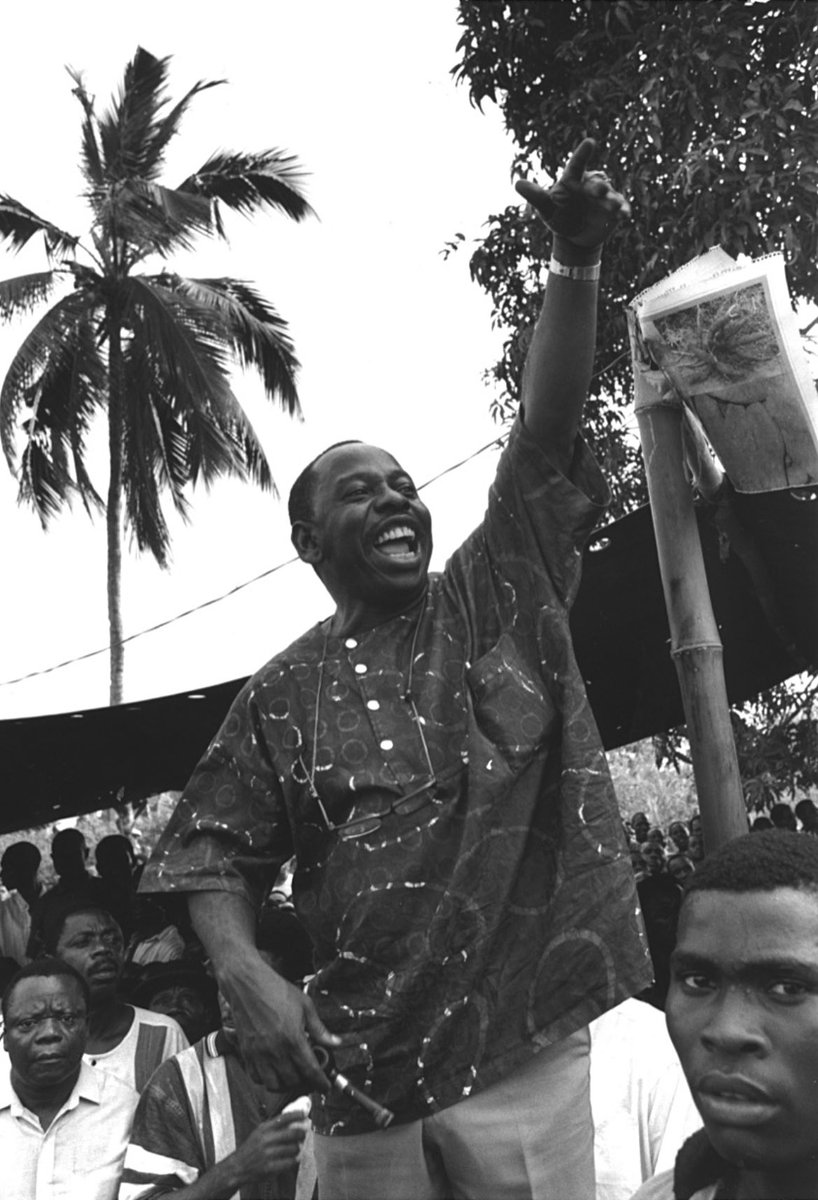
28 years ago today, my father Ken Saro-Wiwa and eight of his colleagues were murdered for protesting against oil spills in the Niger Delta. We will never forget. ❤️ #ogoni9#kensarowiwa#Nigeria
"Tech Cartografies: the map of internet territories" is now available online as an Interactive (and very fun) version: https://t.co/ROfdjCwuEW #IGF2023 (Its a pre-launch, more to come, let me know what do you think.)
At least 60 Indians, many young, have killed themselves after being blackmailed & shamed by predatory loan apps, some operated by Chinese. #BBCEye goes undercover, reveals the underbelly of #fintech. Will authorities act on all this evidence? @BBCIndia
https://t.co/yygK1Y1GMO