A new era for the nation’s high street 💚
Nearly a kilometre of Oxford Street will become traffic-free from Monday - marking the start of its biggest transformation in a generation.
Great to see our plans set out in this weekend's Guardian long-read ⬇️
https://t.co/DNPC4A0ybx
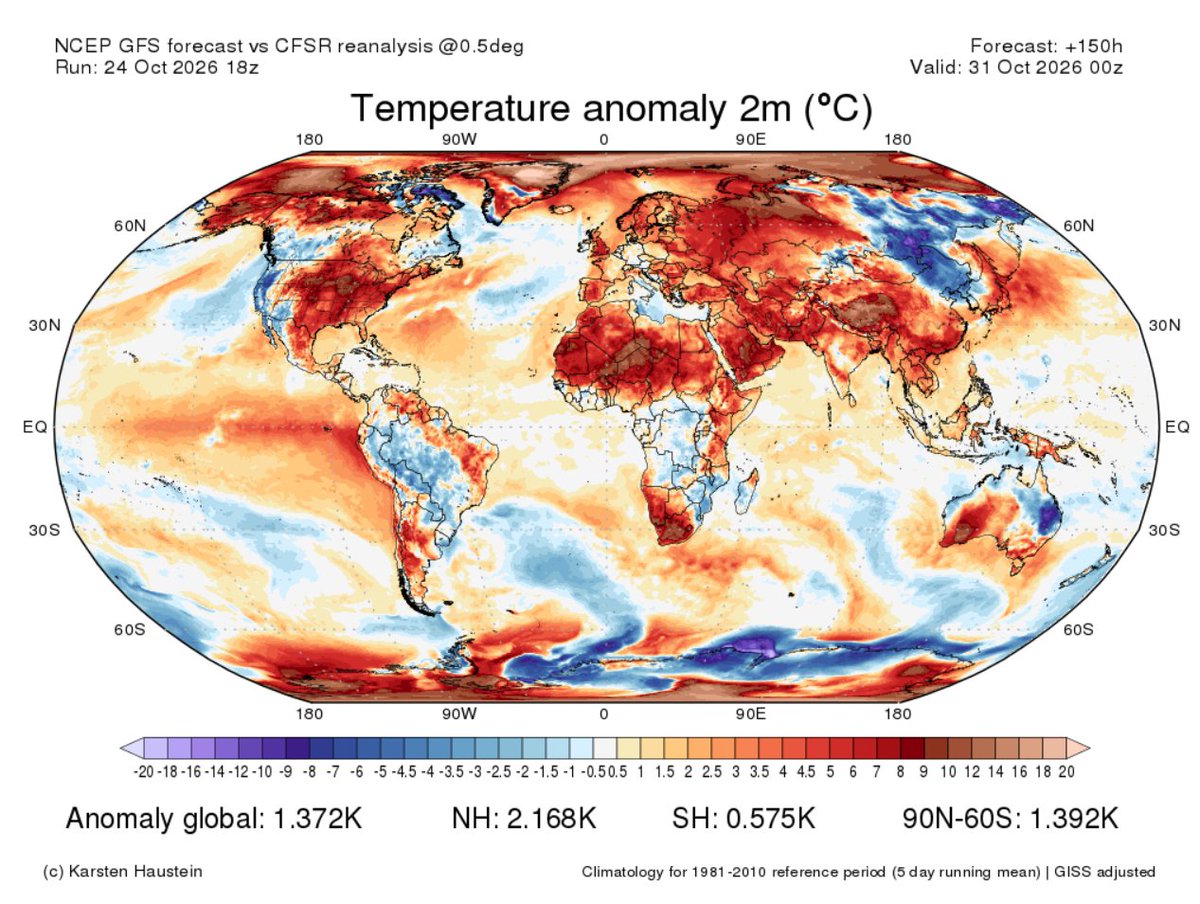
The anomalies in this image are with respect to the 1981-2010 baseline and are a 5-day running mean. Add ≈0.69°C to convert to the 1850-1900 IPCC pre-industrial.
Forecast global anomaly on October 31st: 2.06°C above pre-industrial.
The Climate Casino is taking the UNDER.
Scottish Greens have long opposed the construction of new #nuclear power stations in #Scotland, describing it as "outrageously expensive", "unnecessary", and arguing that it detracts from renewable energy.
"Proposing new nuclear power stations as a solution to today's energy crisis is like thinking the solution to your house being on fire right now is the construction of a billion pound fire station in twenty years' time."
https://t.co/xKUcZu3Y20
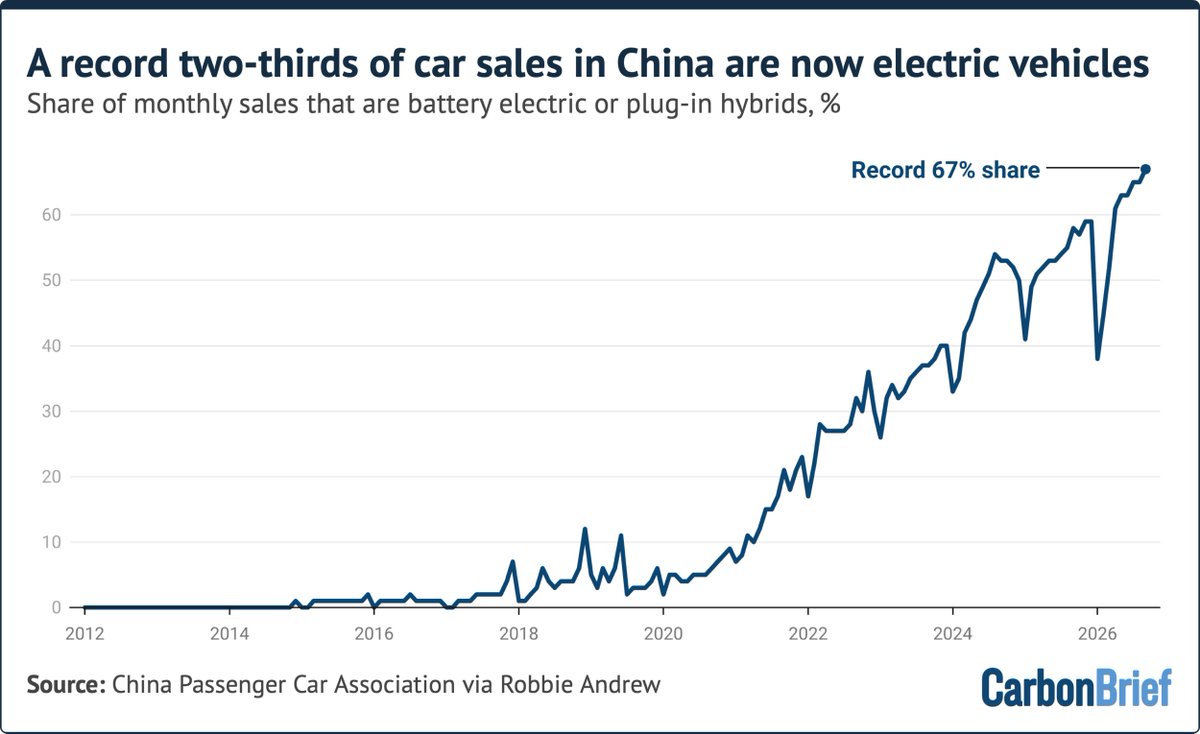
MIND-BLOWING STATS: A record 2/3 of new cars in China are now electric, while combustion-car sales have fallen by 2/3 since they peaked in 2017
– In 2020, ~95% of sales were combustion-engine cars
– By Sep 2026, they crashed to 33%
– On the flip side, NEVs hit a record 67%
🧵
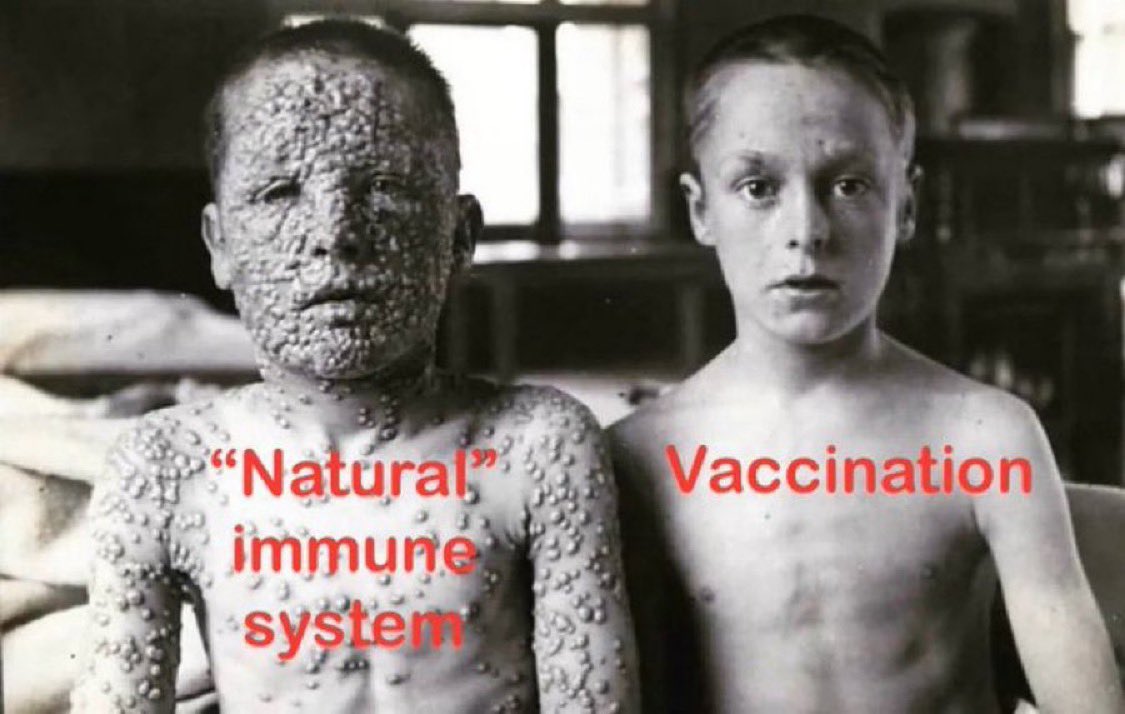
Jimmy, smallpox vaccination was stopped because smallpox was eradicated, not because the vaccine “killed thousands.” WHO ended routine vaccination after the last naturally occurring case in 1977 and global eradication was certified in 1980.
The vaccine did have rare serious adverse events. CDC reviews of historical U.S. data found dozens of vaccine-related deaths over years of use—not the fantasy that it was abandoned because it was broadly lethal.
And wild polio still exists. In 2026, WHO reported ongoing wild poliovirus type 1 transmission in Afghanistan and Pakistan. Vaccine-derived poliovirus outbreaks also occur, which is precisely why eradication programs now use different vaccine strategies.
DDT did not create polio, and stopping DDT did not eradicate it. FDR polio that caused our only president to be in a wheelchair happened long before DDT was available commercially in the US - as well as all the kids who were in iron lungs. The reason there are no more iron lungs is polio vaccination. which happened in the 1950's while the DDT wasn't banned in the US until 1972
You have managed to get smallpox, polio, vaccines, and insecticide wrong in four sentences.
Efficiency is not the same thing as accuracy.
No, Dave. The people “dropping like flies” were overwhelmingly the COVID patients.
Before vaccines, severe COVID filled ICUs and morgues. After vaccination, hospitalization and death rates were dramatically higher in the unvaccinated than in the vaccinated, especially through the Delta era.
That is why hospitals noticed the difference long before X discovered the phrase “clot shot.”
The body count was from the virus.
Before vaccines, I had more than 70 elderly women on ventilators at one time. Every major ICU was seeing the same thing.
So spare me the population-wide “98–99% survived” slogan as though an 85-year-old grandmother had the risk of a 25-year-old.
COVID mortality rose brutally with age. We watched it happen in front of us, bed after bed.
Then vaccines arrived, severe disease fell, and those wards changed.
You have a percentage.
We had the patients.
Thimerosal is an ethyl mercury - yes I can read. Can you tell me the effect of thimerosal or ethyl mercury on people? Didn't think so. In the U.S., thimerosal was removed from routine childhood vaccines by 2001. MMR never contained it; neither did varicella, IPV, or pneumococcal conjugate vaccine. CDC
Today, its main use is as a preservative in some multi-dose influenza vaccine vials. Most single-dose flu syringes/vials are thimerosal-free. FDA also notes a trace amount can remain in one Td product from manufacturing, but not as a preservative. U.S. Food and Drug Administration
Stratford is one of London's best-connected transport hubs.
Adding international rail services would take that connectivity even further, linking East London and beyond directly to Europe while supporting jobs, tourism and growth.
A massive data centre is currently seeking planning permission in Keswick, Norfolk. Whilst it’s outside of Norwich South, hundreds of my constituents have reached out to me expressing their opposition to the proposal. I share their concerns.
Stacking a 20-metre building across 32 acres is far too big for a rural entrance to the city, right on the edge of Marston Marsh. The constant noise, heat, and lighting threaten protected wildlife areas and nearby marshlands.
I also agree with my South Norfolk colleague Ben Goldsborough MP about the potential heat island effect. A site this large risks raising local temperatures, causing damage that cannot be fixed or offset, so it mustn't be allowed to go ahead.
Data centres are part of modern life. But that doesn’t mean developers should get a free hand. Any major proposal needs plain, transparent answers on water use, power demand, true company ownership, and realistic claims about future impacts.
Planning authorities must properly consider solid grounds for refusal, from water shortages to the impact on local school children, and push for direct community investment in jobs and skills. I urge South Norfolk Council to do so here.
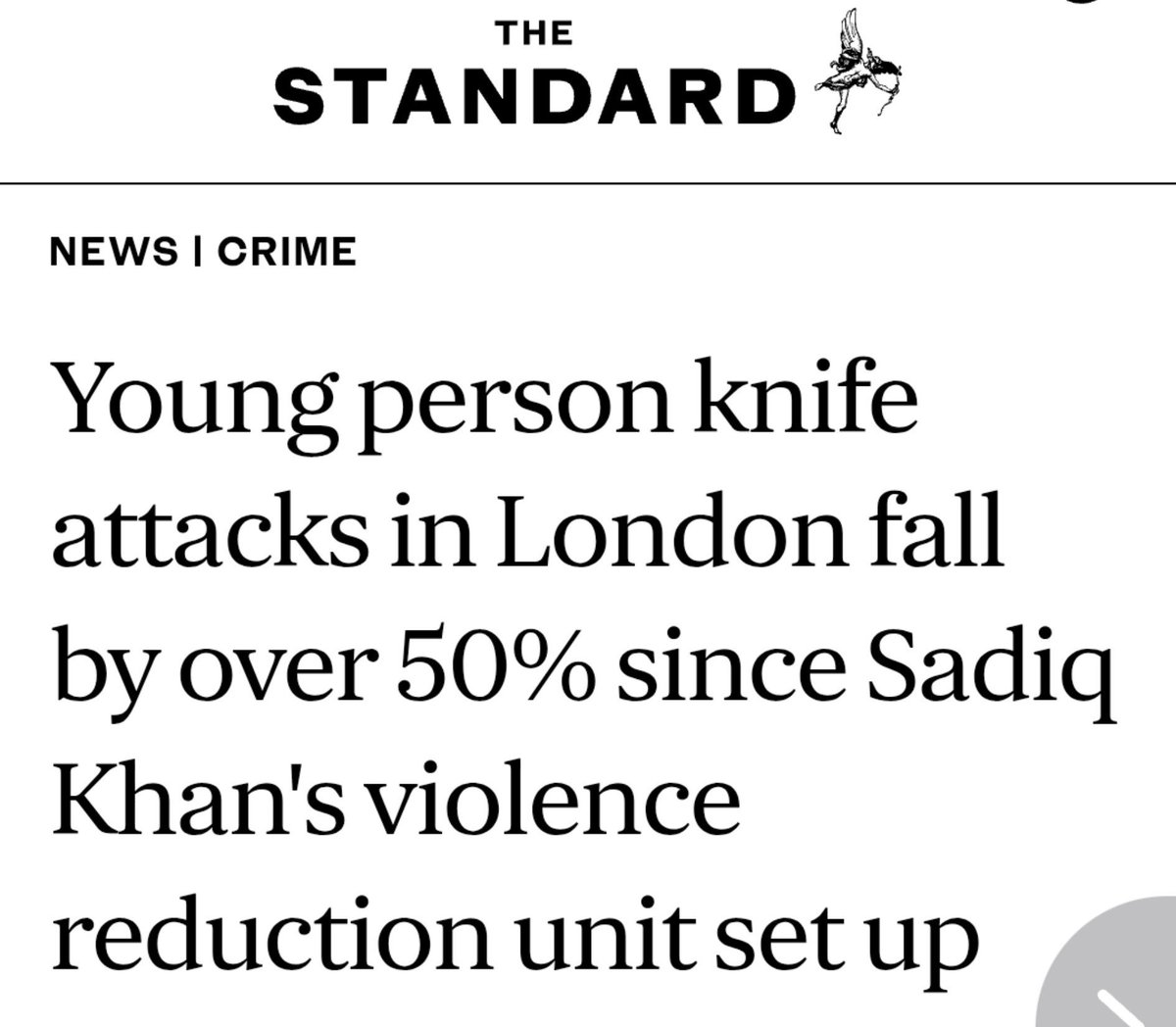
NEW: One million Londoners reached.
Thousands fewer victims of violence.
Our @LDN_VRU is helping turn the tide, with hospital admissions for young people injured in knife assaults down 55% since it was set up.