A notable shift as GPS interference becomes a real operational concern. Bringing military-grade inertial resilience to airliners could make navigation far more dependable in contested airspace
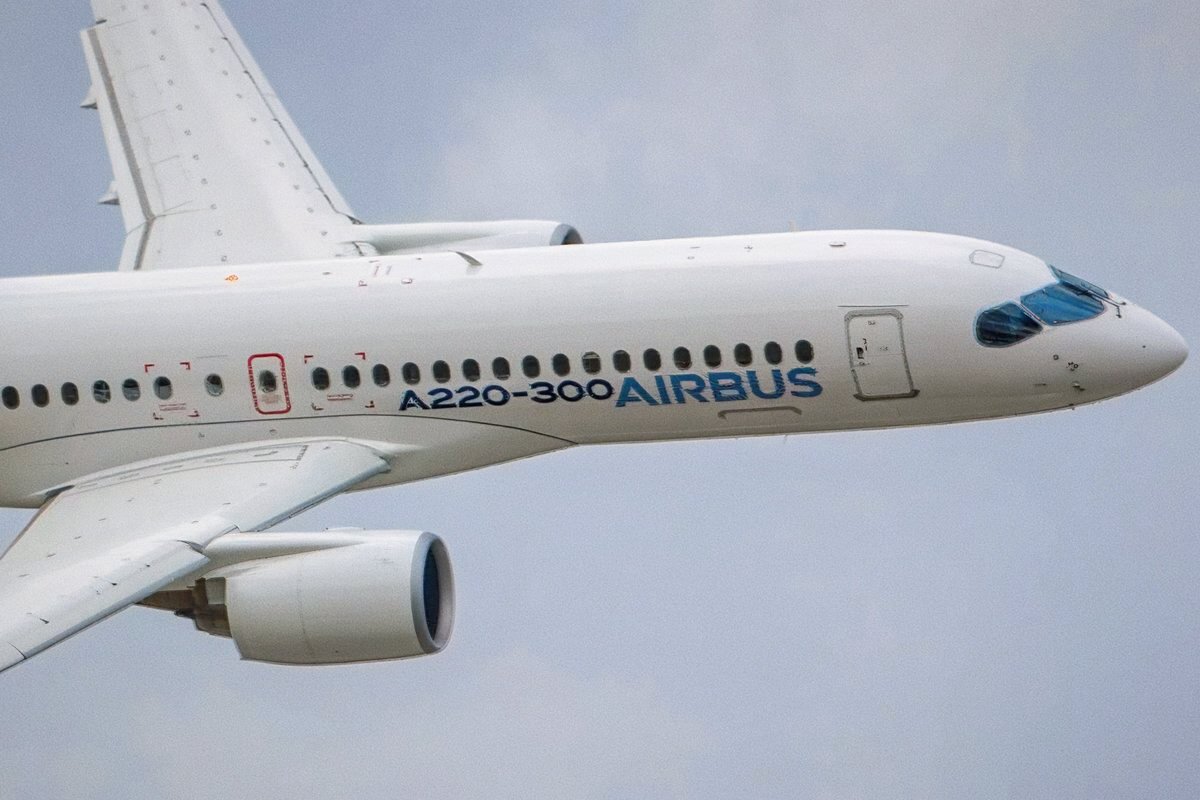
Civil aviation’s finally taking a military nav box for GPS jamming. A220’s the first one.
Safran’s SkyNaute is going on the A220. Benjamin Declety from Safran said it’s the first time their inertial system flies on an airliner
It hybrids inertial and GNSS so when the signal’s blocked, jammed or spoofed it still keeps a proper trajectory. Already on European military aircraft, helicopters and drones.
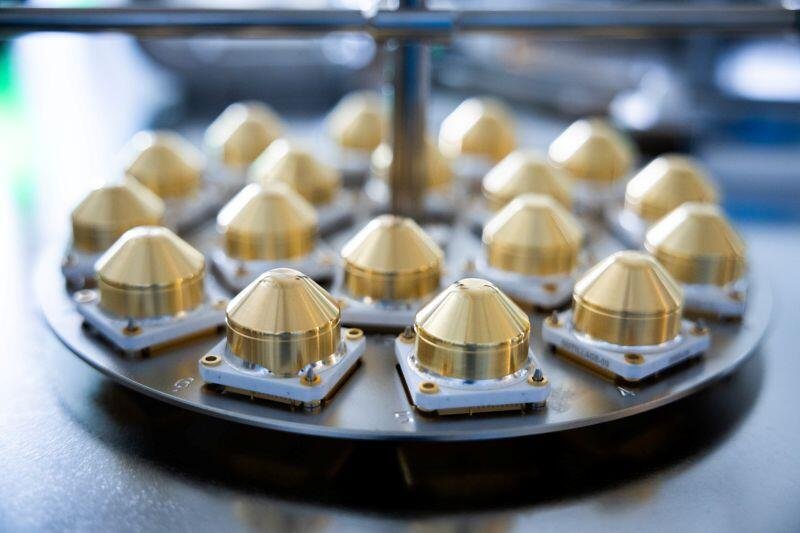
Core’s a hemispherical resonator gyro. No mechanical parts that wear. Made in Montlucon.
They announced €120 million in June to expand the place and go from 10,000 to 30,000 of these units a year by 2032.
Finally, my days of resetting the GPS every single day might actually be coming to an end.
Modifying cars used to be simple. Now, vehicle law can be a minefield. Join Paul Cowland and Sgt. Owen Messenger on 7 October for an evening on car modifications, legal limits and a live Q&A. Tickets are £5 per vehicle, with £2 donated to Pawsome
Supersonic travel is moving from nostalgia to engineering reality. The real test now is making it efficient, quiet, and accessible enough to matter beyond a remarkable demonstration
Fifty years ago, you could fly supersonic from NYC <> London. I never got to fly on Concorde, but I will fly on Boom.
I’m excited to be joining Boom as an advisor, with Blake joining Flow as an advisor too.
Last year, Boom did something extraordinary. Their XB-1 demonstrator became the first independently developed jet to break the sound barrier, and did it six times without a sonic boom reaching the ground. This was a small team designing, building, flying and iterating on a supersonic aircraft, proving out aerodynamics, structures, flight controls and the physics of boomless cruise with real flight data. I admire that engineering culture: closer to Skunk Works than traditional aerospace, where extraordinarily ambitious ideas get turned into flying hardware.
Now they're developing a supersonic airliner, its own engine and the manufacturing capability to produce them. Every decision about propulsion affects the airframe, weight, thermal loads and flight controls. Those decisions keep changing as the aircraft takes shape. I’m excited to be contributing to their iterative engineering paradigm - how to square the circle of FAA regulatory rigor and insanely fast, bottom-up iteration.
Blake is a leader I learn from every time we talk. He’s taught me a lot: keep teams small, stay hands-on, cut the bureaucracy, and pay attention to how you show up as a leader, even in the smallest moments.
Blake is one of those founders who will make his vision come to reality, no matter what happens. I’m proud to play a tiny part in his story.