Summer’s here, and you don’t have a book to read? Check out this list of recommendations from GPS faculty! 📚
Our professors offered up selections ranging from literary fiction to history and analyses of current events, so there’s something for everyone: https://t.co/43GDyolxGI
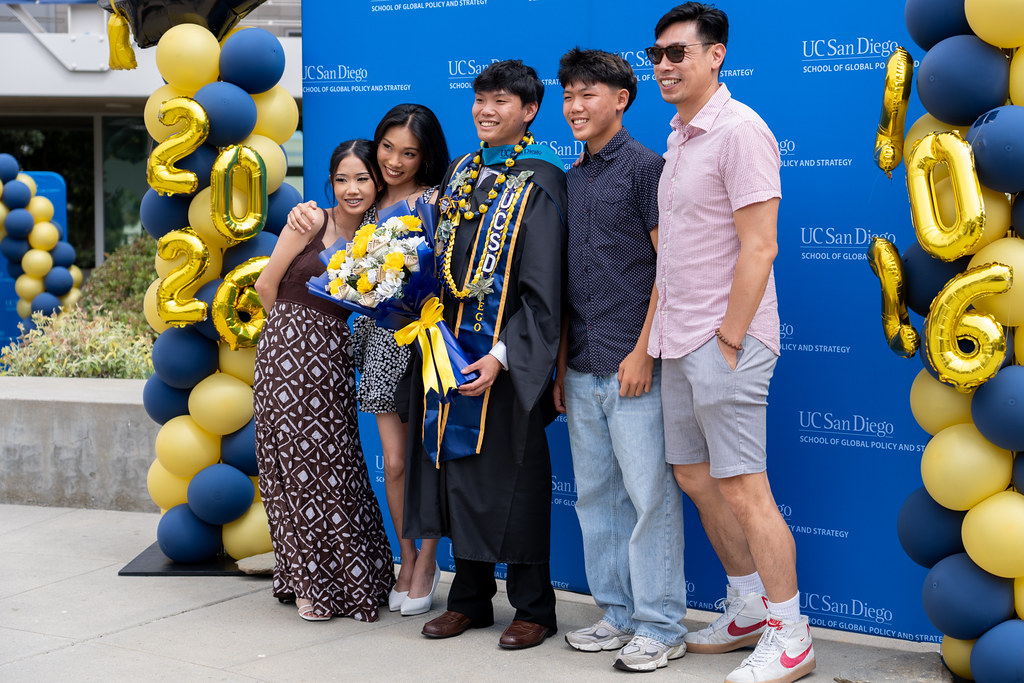
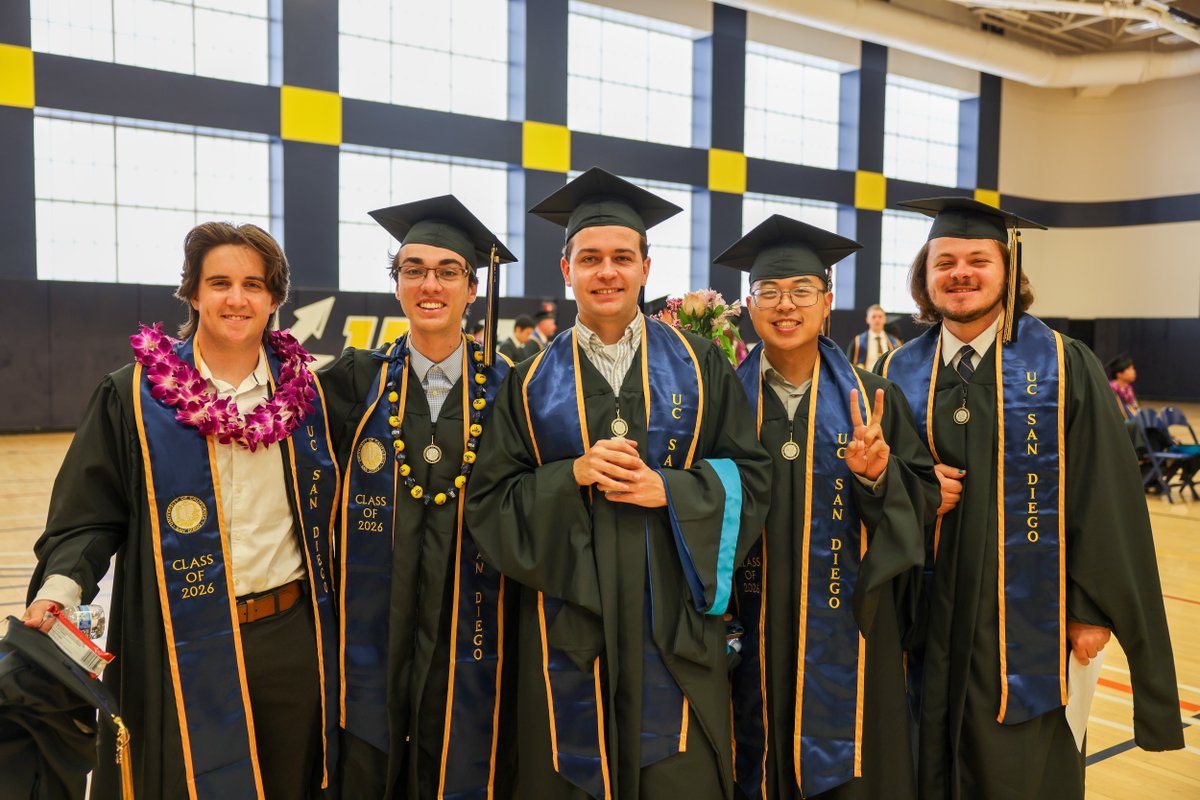
As new GPS graduates gathered to celebrate their achievements, the commencement speakers challenged the graduating class to use their training to solve problems and overcome divisions—even when their expertise is met with skepticism.
🔗 More on GPS News: https://t.co/22QURS6qEJ
Novels on Authoritarian Rule: Summer Reading Edition 📖
In his book review series for the @UCIGCC blog, Professor Stephan Haggard focuses on the particular ways eight novels shed light on autocratic rule.
🔗 Read more: https://t.co/qNSGXTusix
What do desert locusts reveal about disaster monitoring?
Professor Gordon McCord examines one of the longest-running disaster monitoring systems in existence and finds that early detection systems can dramatically reduce long-term harms to humans.
🔗 https://t.co/1RvOniHokQ
Can changing when elections are held have an effect on political polarization? 🗳️
In new research, Professor Zoltan Hajnal finds that more moderate voters show up to the polls when local elections are held at the same time as national and state contests: https://t.co/ZJWX4Pvush
Are labor unions the "bulwark of democracy" that some have claimed? A working paper co-authored by Professor John Ahlquist examines the role of unions in preventing and resisting democratic backsliding.
🔗 Read on the @UCIGCC website: https://t.co/BKYC2r7SUZ
How can researchers reconstruct economic activity in opaque regimes? 🔎
Professors Stephan Haggard and @MunseobLee co-authored a new study which outlines a toolkit to do just that, incorporating methods like satellite imagery and price monitoring: https://t.co/vDYGtdhNVI
While the price of equipment has declined in recent decades, the cost of structures is rising in the U.S. and other high-income economies. 📈
In a new column for @voxeu, Prof. @MunseobLee examines this countervailing trend and what it means for policy: https://t.co/Y9uslBOHpv
What’s the first thing people want to know when a decision is uncertain? 🎲
In a new study, Professor Uma Karmarkar asked people facing an unsure opportunity which information they want to see first – the potential reward, or the odds of getting it: https://t.co/obkl8TAqij
California recently unveiled a $1 billion rebate program for electric trucks, but experts disagree on whether it's a good idea. 🚚
Dean @CarolineFreund explains her viewpoint, including why the program's funding could be better allocated elsewhere: https://t.co/Tlbw2KqdK8
In the latest IGCC working paper, John Ahlquist & Theodoros Ntounias of @UCSanDiego examine the power and influence of labor unions, ultimately concluding that their preventative and resistant power against threats of democratic backsliding is quite weak: https://t.co/tbkEppzxUL
Even the most secretive economies leave clues.
UC San Diego researchers show how “forensic economics” uses satellite data, price signals and more to understand places like North Korea: https://t.co/YMmfMf2bTH
#UCSanDiego#NorthKorea#Economics#ResearchInnovation
💡India needs to spend smart, not spend more
During the @UCSanDiego#USIndiaForum, Professor Karthik Muralidharan reframed how we think about Indian development — and where U.S.–India collaboration can have the most impact.
@karthik_econ#DevelopmentEconomics
#BrainDrain or #BrainGain ?
21CIC faculty affiliate @econgaurav discussed his research at one of the most compelling sessions of the #USIndiaForum. Khanna used empirical evidence to challenge two of the most persistent myths in the U.S.–India immigration debate--
(1/4)
As Mexico’s dominant political party works to add protections from "foreign interference" in its elections, Professor Rafael Fernández de Castro shares his perspective on the proposal with The New York Times: https://t.co/LpKCh3J5sA
A study coauthored by @achadhvaryu found that near-vision glasses boosted productivity among garment workers in India by up to 6%, showing that a simple intervention could yield gains similar to costlier training programs: https://t.co/T00C6gH1mz
At GPS' annual student awards ceremony, a select group of students were recognized by their peers and faculty for their academic, teaching, and community-building accomplishments. ✨
🏆 Meet the 2026 awardees: https://t.co/gmlyl37oRK