Global Research Alliance on Agricultural Greenhouse Gases brings countries together to find ways to grow more food without growing greenhouse gas emissions.
Capturar carbono orgánico en los suelos agrícolas ayuda a reducir las emisiones de gases de efecto invernadero y a aumentar la productividad. ¿Qué hace al respecto un proyecto financiado el Gobierno de Nueva Zelanda 🇳🇿 como parte de su contribución @GRA_GHG?
A recording of the Manure Management Network Webinar - Measuring gas emission from livestock farming with chamber and tracer measuring techniques is now available to view below⬇️
https://t.co/y1yeRFSeBZ
We are pleased to announce Round 7 of the CLIFF-GRADS Fellowship Programme is now open for student applications! Follow the link for more info & apply by 11 January 2026 https://t.co/NFK1ggEakc
#CLIFFGRADS
📢 A recording of the Manure Management Network Webinar : “Measuring gas emission from farming with micrometeorological measuring techniques” is now available to view.
Click ⬇️ to view
https://t.co/VRqzGUAWgy
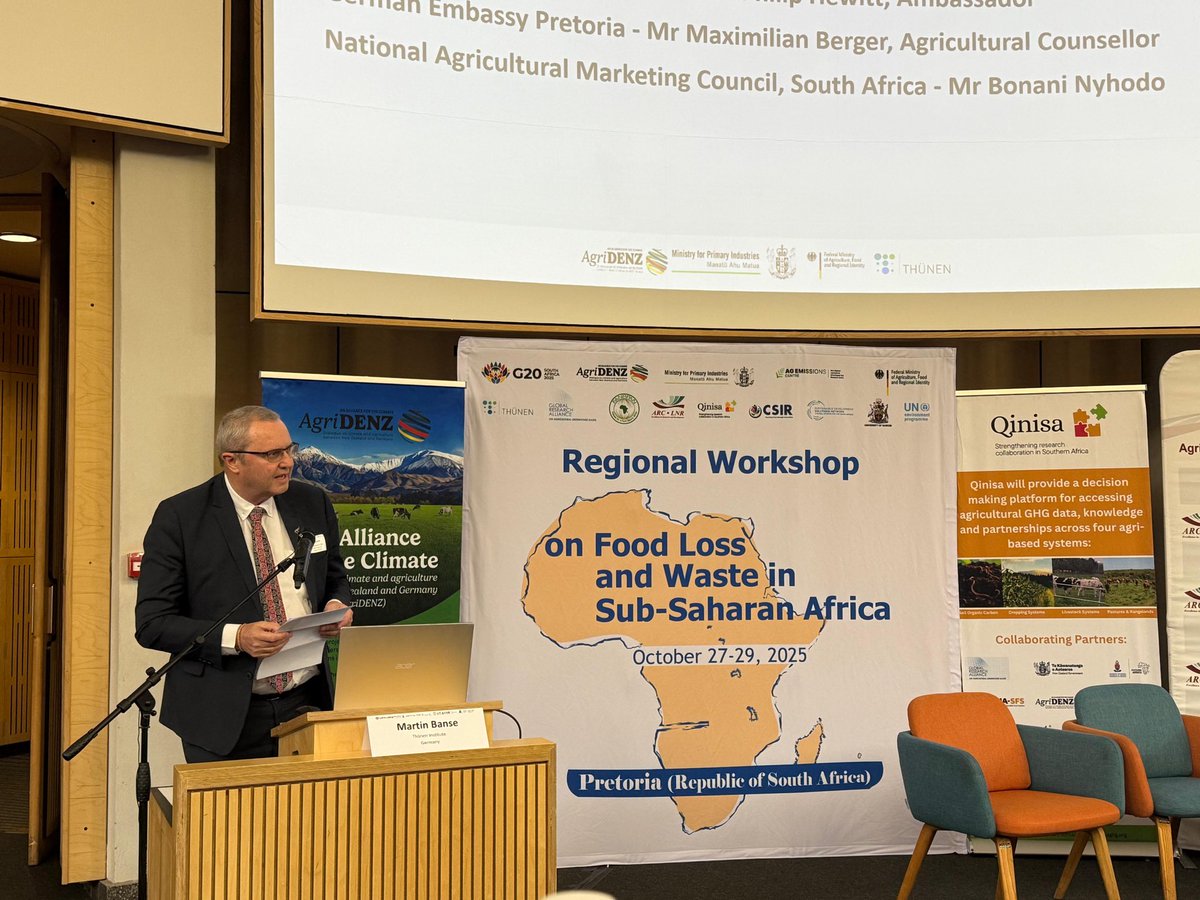
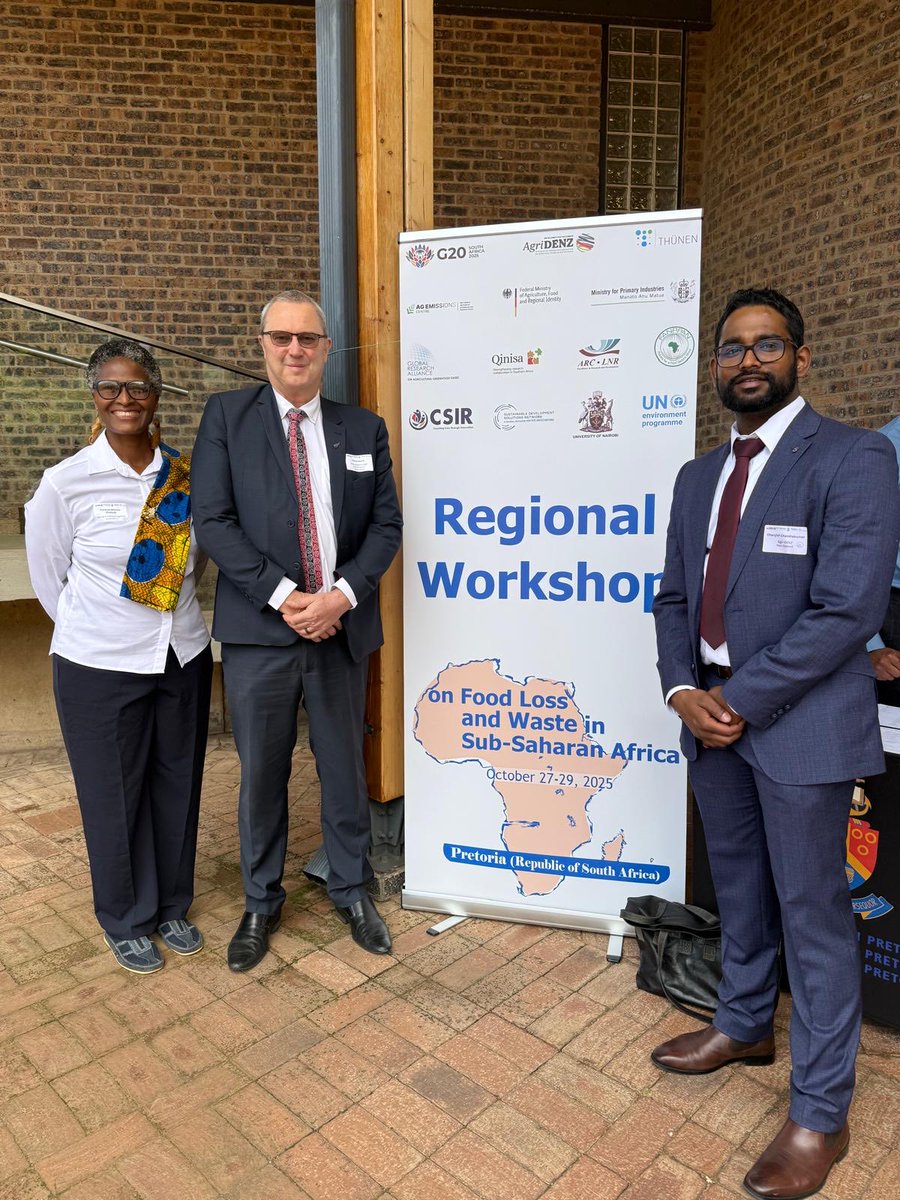
Honoured to open Food Loss & Waste Prevention Workshop at @FutureAfricaUP under the #AgriDENZ 🇳🇿🤝🇩🇪 & @g20org 🇿🇦 Presidency. Regional partners building resilient, low-emissions food systems & tackling food waste for a sustainable future. 🌍#Qinisa#FoodSystems@MPI_NZ@MFATNZ
A step towards food security and sustainable farming — this is our 🇦🇺🇵🇭 Strategic Partnership in action.
We’re very proud of Australia’s contribution to this state-of-the-art soil-lab project in Agusan del Sur.
📢Recording available : LRG_MMN Webinar: Manure management and GHG emissions in sub-Saharan Africa
A recording of the LRG/MMN Webinar: “Manure management and GHG emissions in sub-Saharan Africa ” webinar is now available to view.
Please see link below⬇️
https://t.co/aOJeg1P8yC
📢WEBINAR!
The Circular Food Systems Network of the GRA, is excited to launch our ‘ Live Conversations’ webinar series.
Register ⬇️
https://t.co/BhC0WCeD1T
The 2nd Kenya National Research Festival 2025 #KNRF2025 is happening in August. It's bigger and better. Explore areas of partnership through;- https://t.co/iXyIB6kn29
The vital role farmers play in meeting Ireland’s binding agricultural emissions reduction targets was a key topic of discussion at @agriculture_ie's Climate Change: Science into Action Conference, held in Dublin Castle on June 5.
More here https://t.co/6vHM51Iugc
Repost if you ate rice today.
The global rice industry is facing real turbulence: stagnating yields, extreme weather, water waste, and struggling farmers.
But solutions exist. Our blog with @IRRI discusses how to grow rice better: https://t.co/hjGpJCIHHe
#AgriClimate2025. Prof. Sharon Huws outlined the world’s largest project on the rumen microbiome in advancing methane mitigation. Over 950 novel bacterial genomes sequenced; methanogens and fungi isolated. Data, including a tool, will be shared openly by 2027 to drive innovation.
#AgriClimate2025. Sharon Rowe revealed that breeding low-methane livestock can reduce emissions by 4 - 20%/kg feed. It's low-cost, socially acceptable, and cumulative over generations. A 1% yearly gain is feasible. Genetics offers a lasting, profitable solution.
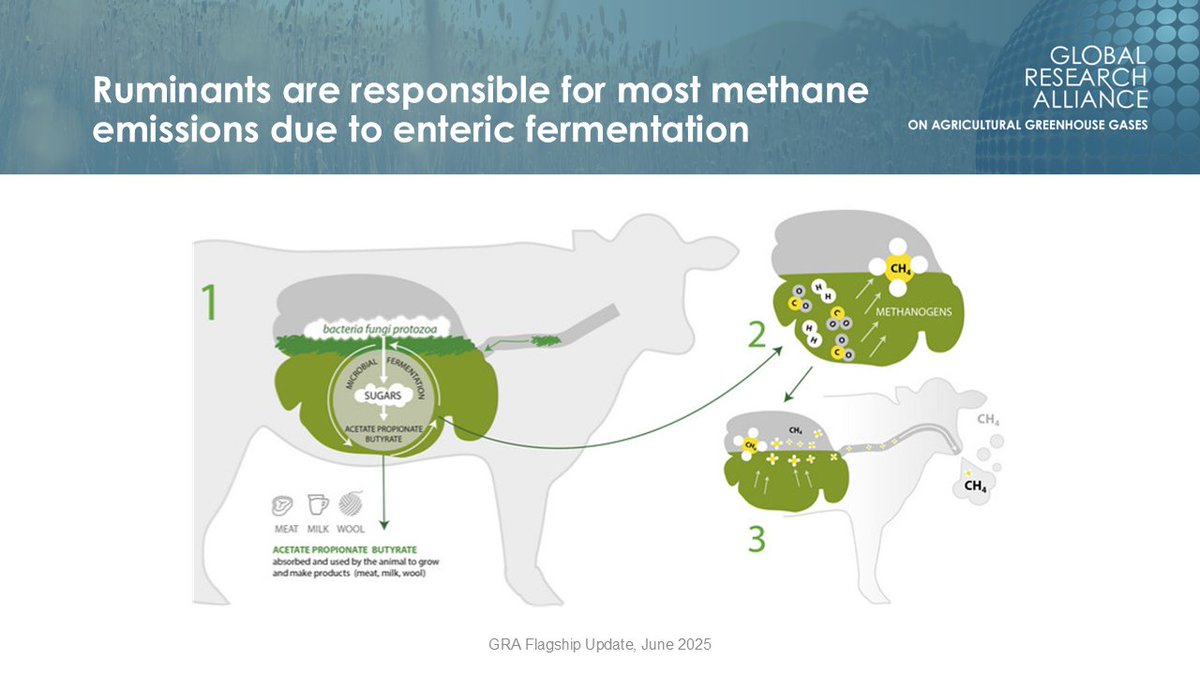
#AgriClimate2025. Dr David Yáñez-Ruiz discussed the GRA Flagship project, which studies feed additives and how they can reduce livestock methane, especially in grazing systems. MAGS (Ireland) shows up to 41% CH₄ reduction via drinking water delivery.
The draining of peatlands impacts people, the environment & our 🌍.
By restoring peatlands we can:
✔️reduce fires & floods
✔️fight soil erosion & coastal area loss
✔️improve water quality
✔️sustain livelihoods
✔️reduce #GHG emissions
https://t.co/WsErnEnAbZ
#WorldPeatlandsDay