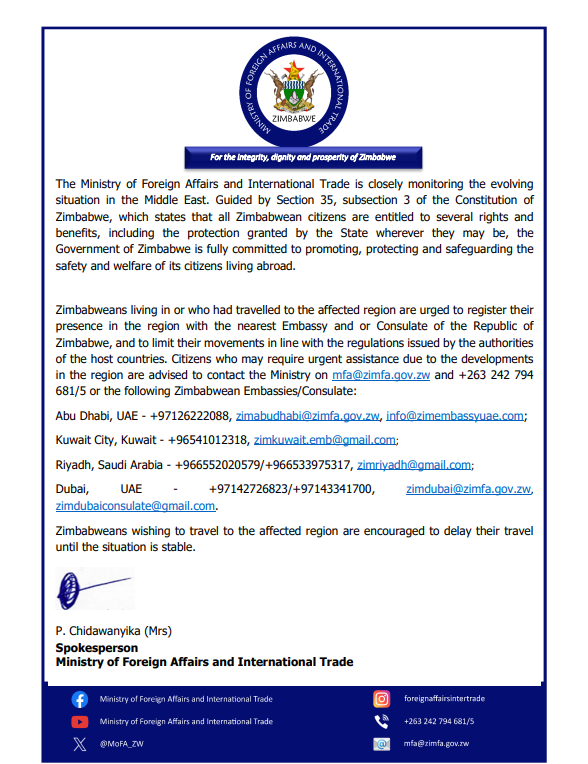
Government teams have been deployed across South Africa to register Zimbabwean nationals wishing to return home following a wave of xenophobic attacks and threats directed at migrants in several parts of the country.
The registration exercise is being coordinated to identify affected citizens, assess their immediate needs, and facilitate their safe and orderly repatriation back to Zimbabwe.
https://t.co/syN9eVnfRd
It was a privilege to attend the 4th Meeting of National Coordinators of the Group of Friends in Defense of the Charter of the United Nations, held in Harare on 8–9 June 2026, alongside representatives from Zimbabwe, Russia and other group members.
Commending @MoFA_ZW for hosting this valuable gathering, I extended congratulations once again on 🇿🇼 recent election as a non-permanent member of the UN Security Council for the 2027–2028 term.
I reaffirmed China's commitment to working with all fellow members to strengthen the Group’s solidarity, cohesion, visibility, and influence, uphold the authority of the UN Charter, and safeguard the common interests of the Global South. 🤝
The meeting reaffirms that the Charter of the United Nations is the cornerstone of the contemporary international order and that all its principles must be respected. It stresses full respect for the sovereign equality of all States, the prohibition of the threat or use of force, and the peaceful settlement of disputes through political and diplomatic means. It also calls for the immediate and unconditional removal of illegal and unwarranted unilateral coercive measures imposed on group members, as well as redoubled efforts toward the strengthening of an inclusive, transparent, and effective multilateral system. 🌍
The Minister of Foreign Affairs and International Trade, Prof. dr. Amon Murwira, briefed the media at the post-cabinet media briefing in Harare on Zimbabwe’s recent international engagements led by President Dr. Emmerson Dambudzo Mnangagwa. These included a successful State Visit to Ghana, participation in the World Economic Forum in Davos, and expanded diplomatic outreach to the Pacific and Caribbean.
The engagements aim to strengthen bilateral relations, attract investment, and mobilize support for Zimbabwe’s bid for a Non-Permanent Seat on the United Nations Security Council for the 2027–2028 term, with elections set for 3 June.
𝑰𝒏 𝒕𝒉𝒆 𝒗𝒊𝒅𝒆𝒐 𝒄𝒍𝒊𝒑 𝒃𝒆𝒍𝒐𝒘, 𝑷𝒓𝒐𝒇. 𝑴𝒖𝒓𝒘𝒊𝒓𝒂 𝒆𝒍𝒂𝒃𝒐𝒓𝒂𝒕𝒆𝒔 𝒐𝒏 𝒁𝒊𝒎𝒃𝒂𝒃𝒘𝒆’𝒔 𝒈𝒍𝒐𝒃𝒂𝒍 𝒐𝒖𝒕𝒓𝒆𝒂𝒄𝒉 𝒔𝒕𝒓𝒂𝒕𝒆𝒈𝒚 𝒂𝒏𝒅 𝒕𝒉𝒆 𝒑𝒓𝒐𝒈𝒓𝒆𝒔𝒔 𝒎𝒂𝒅𝒆 𝒊𝒏 𝒔𝒆𝒄𝒖𝒓𝒊𝒏𝒈 𝒊𝒏𝒕𝒆𝒓𝒏𝒂𝒕𝒊𝒐𝒏𝒂𝒍 𝒔𝒖𝒑𝒑𝒐𝒓𝒕 𝒇𝒐𝒓 𝒊𝒕𝒔 𝑼𝒏𝒊𝒕𝒆𝒅 𝑵𝒂𝒕𝒊𝒐𝒏𝒔 𝑺𝒆𝒄𝒖𝒓𝒊𝒕𝒚 𝑪𝒐𝒖𝒏𝒄𝒊𝒍 𝒃𝒊𝒅, 𝒆𝒎𝒑𝒉𝒂𝒔𝒊𝒛𝒊𝒏𝒈 𝒕𝒉𝒆 𝒄𝒐𝒖𝒏𝒕𝒓𝒚’𝒔 𝒄𝒐𝒎𝒎𝒊𝒕𝒎𝒆𝒏𝒕 𝒕𝒐 𝒊𝒏𝒄𝒍𝒖𝒔𝒊𝒗𝒊𝒕𝒚, 𝑺𝒐𝒖𝒕𝒉-𝑺𝒐𝒖𝒕𝒉 𝒄𝒐𝒐𝒑𝒆𝒓𝒂𝒕𝒊𝒐𝒏, 𝒂𝒏𝒅 𝒈𝒍𝒐𝒃𝒂𝒍 𝒑𝒆𝒂𝒄𝒆:
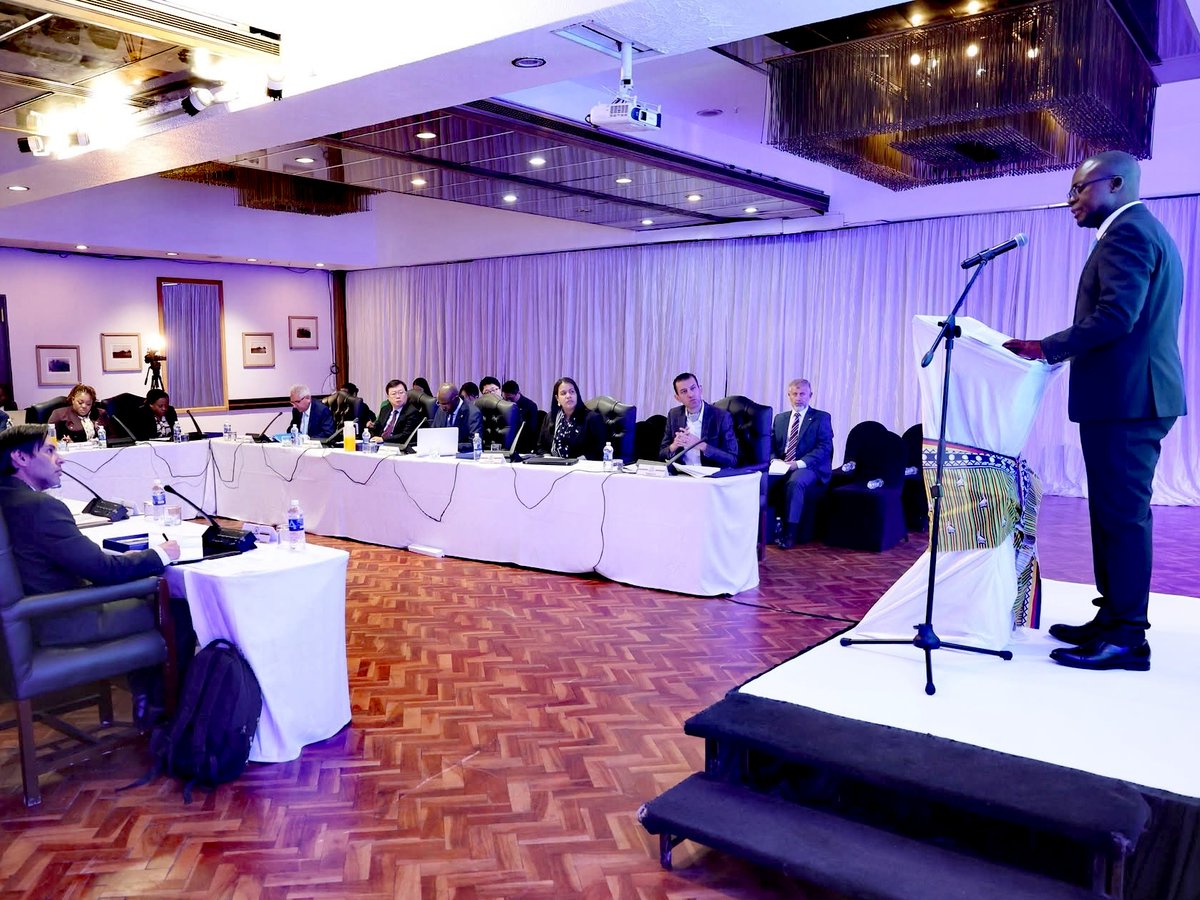
The African Peer Review Mechanism is holding a four day technical workshop on the development of Zimbabwe’s National Programme of Action (NPoA).The NPoA should translate the findings of Zimbabwe’s Targeted Review Report into tangible impactful and sustainable interventions that will advance the country’s national development aspirations.
Speaking at the official opening of the Workshop, on behalf of Zimbabwe's APRM Focal Point and Secretary for Foreign Affairs and International Trade, the Chief Director for Multilateral Affairs, Mrs. Petronellah Nyagura said, Zimbabwe’s engagement with the APRM is firmly rooted in the precepts of law and is constituted on foundations of good governance.
"Section 9 of the Constitution of Zimbabwe mandates the State to enact and implement policies and legislation that ensure efficient, transparent, and accountable governance at all levels,” she said.
The APRM involves the assessment of Zimbabwe's economic systems in the spirit of the African peer review tradition.
The Director for Country Reviews in the APRM Directorate, Dr. Rachel Mukamunana stressed that the Workshop will support the Government of Zimbabwe in developing a comprehensive National Programme of Action that is aligned with the country's National Development Strategy II (NDS2) to ensure that APRM driven reforms are also embedded within national planning and budgeting systems. According to Dr. Mukamunana, there are four principles essential for the implementation of APRM results, and these include;
* *Political ownership at the highest level* which entails a sustained leadership and commitment essential to driving reforms across institutions and sectors.
* *Realism and prioritisation.* Effective reform requires focus, sequencing, and alignment between ambition, capacity, and available resources.
* *Accountability for results*.Clear institutional mandates, performance indicators and monitoring frameworks are critical to ensuring implementation and impact.
*Partnerships*.Continued collaboration with all stakeholders including development partners, to mobilize technical and financial support.
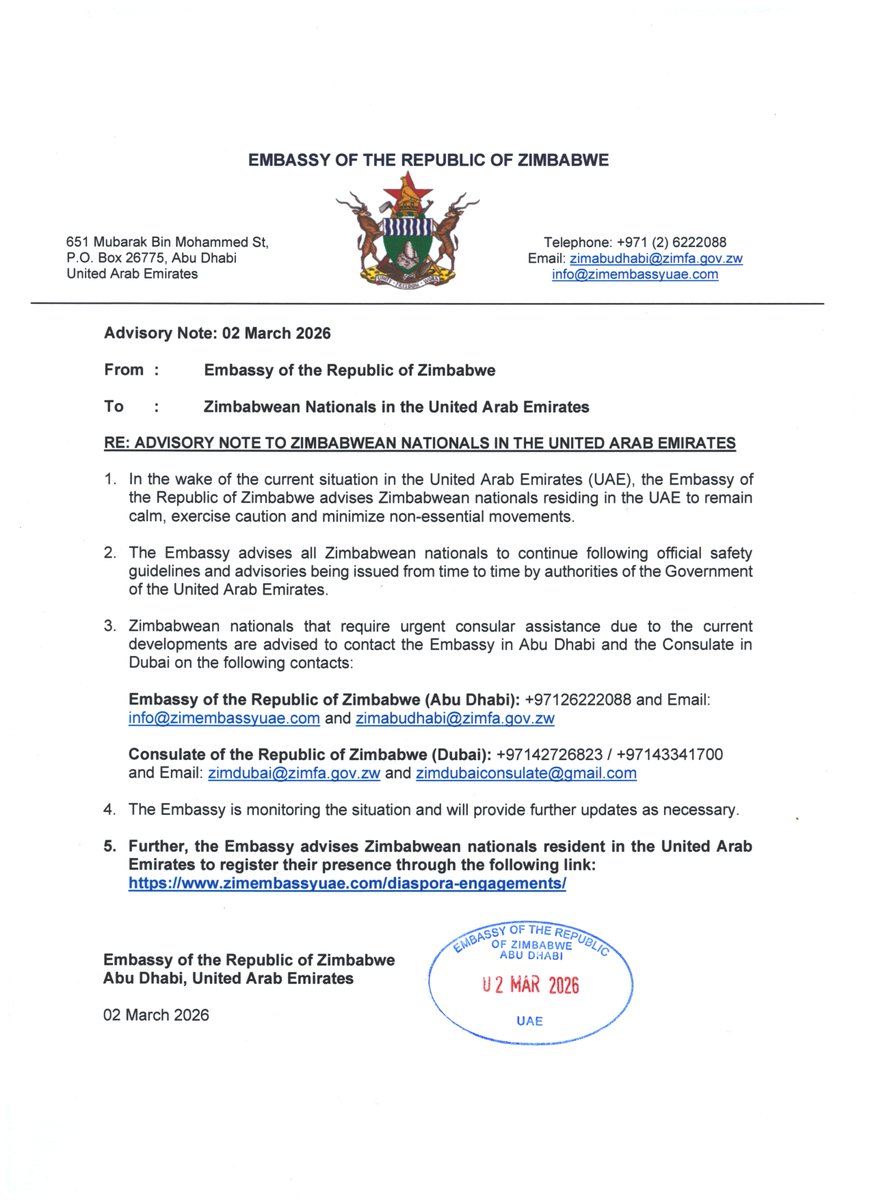
The Embassy of the Republic of Zimbabwe in the United Arab Emirates is inviting all Zimbabwean nationals resident in the UAE to register their presence by completing this registration form to help with effective communication. All Zimbabwean nationals in the UAE including family members are encouraged to register.
The information provided will be treated with strict confidentiality and used solely for consular purposes.
https://t.co/UBpVV6dgUt
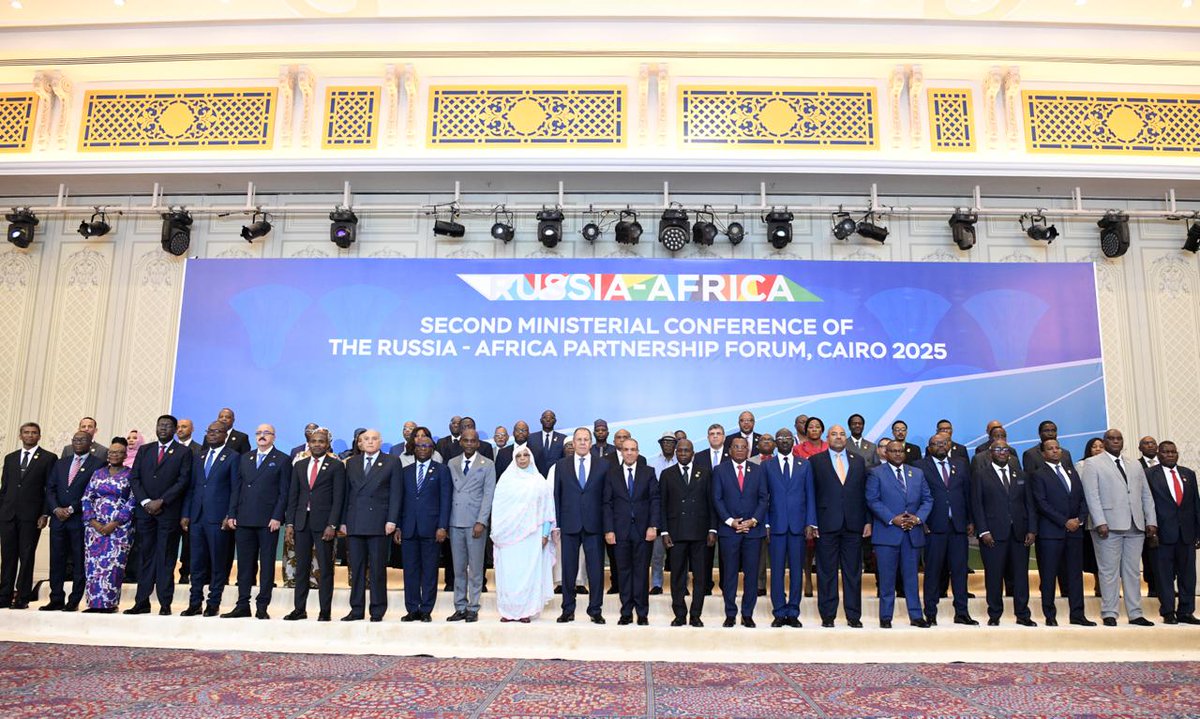
Today, Hon. Prof. dr. Amon Murwira attended the second ministerial conference of the Russia-Africa Partnership Forum, which commenced in Cairo today.
The conference was held with the participation of more than 50 African countries at the ministerial level, in addition to representatives of several heads of regional and continental organizations. It was co-chaired by Egyptian Foreign Minister Badr Abdelatty, his Russian counterpart Sergey Lavrov, and Angolan Foreign Minister Tete António, the current chair of the African Union Council of Ministers.
The Second Ministerial Conference of the Russia–Africa Partnership Forum in Cairo is important to Africa as it strengthens strategic partnerships, supports economic development, and enhances Africa’s global influence.
The forum promotes cooperation in key areas such as trade, industrialisation, energy, mining, education, science, and technology, helping African countries move toward value addition, skills development, and sustainable growth.
It also supports energy security, infrastructure development, and technology transfer.
By engaging Russia, African nations diversify their international partnerships, reinforce sovereignty and mutual respect, and strengthen their collective voice in global affairs, in line with Africa’s long-term development goals under Agenda 2063.
[WATCH] The Minister of Foreign Affairs and International Trade, Hon. Prof. dr. Amon Murwira, received a courtesy call from the Chinese Ambassador to Zimbabwe, H.E. Zhou Ding.
After the meeting, Ambassador Ding said that as the year was coming to an end, he felt honoured to visit the Honourable Minister. He noted that 2026 would be an important year for China–Zimbabwe relations. He highlighted that the two countries had jointly celebrated the 45th anniversary of their bilateral relations this year and that their all-weather friendship has continued to be strengthened and enhanced through joint efforts.
He explained that throughout the year, the two nations had organized numerous events to mark the anniversary, strengthened trade and investment cooperation, expanded people-to-people exchanges, and held various cultural and educational activities.
Looking ahead, he stated that China wished to align its 15th Five-Year Plan with Zimbabwe’s NDS-2, adding that harmonizing the two national development blueprints would further strengthen the bilateral relationship and ensure that both countries and their peoples benefit from their cooperation.
🇿🇼🇿🇼🤝🌍🌍
COMESA Reaffirm Digital Transformation and Unity as Cornerstones of Regional Integration
Regional integration took center stage in Lusaka as ministers, diplomats, and senior officials from across the Common Market for Eastern and Southern Africa (COMESA) gathered for the 46th Council of Ministers Meeting. The gathering was marked by a renewed call for unity, digital transformation, and collective economic resilience as the region positions itself for sustainable development and stronger global competitiveness.
The meeting, held under the theme “Leveraging Digitalization to Deepen Regional Value Chains for Sustainable and Inclusive Growth,” is being attended by Zambia’s Minister of Defence, Hon. Ambrose Lwiji Lufuma, representing the Guest of Honour, Zambia’s Vice President, H.E. Mutale Nalumango, alongside COMESA Member States, the Secretary General of COMESA, Her Excellency Ms. Chileshe Mpundu Kapwepwe, members of the COMESA Court of Justice led by Judge President Lady Justice Lombe Chibesakunda, and representatives of the diplomatic corps.
Foreign Affairs and International Trade Minister, Hon. Prof. dr. Amon Murwira and the Chair of the current Council of Ministers meeting, who is attending the meeting in Lusaka in Zambia, in his remarks, underscored the importance of reaffirming digital transformation as a cornerstone for sustainable development, economic growth, and social inclusion across the COMESA region.
He emphasized that the gathering arrives at “a moment of renewed opportunity for our region, an opportunity to consolidate the gains of our integration agenda, to deepen inter-commerce trade, to strengthen industrialization, and to position our community as a credible and competitive actor within the African Continental Free Trade Area and the wider global economy.”
Prof. Murwira highlighted that the Council of Ministers' meeting is firmly grounded in the principles of solidarity and collective self-reliance enshrined in Article 2 of the COMESA Treaty. He also acknowledged the critical role of the Intergovernmental Committee, whose deliberations preceded today’s ministerial meeting. Citing Article 14 of the Treaty, he noted that the committee’s mandate to continuously review the functioning of the Common Market remains essential and must never be reduced to “a procedural formality.”
The Minister reaffirmed that COMESA must remain a Member State–driven organization, emphasizing that national ownership and active participation are vital for the success of regional programs. He commended the Secretariat’s leadership and the support of international cooperating partners whose contributions have enabled meaningful progress across COMESA initiatives.
Building on this foundation, Hon. Prof. Murwira urged Member States to strengthen their collective resolve toward deeper regional integration:
“It is upon this foundation of self-reliance and shared responsibility that we must seize the opportunity to reaffirm our collective commitment to building a stronger, more competitive, and economically vibrant COMESA region. The gains we have achieved must be safeguarded and expanded.”
Reflecting on Zambia’s historic role in African unity, he invoked the legacy of President Kenneth Kaunda, one of the founding fathers of regional cooperation on the continent, and urged the region to continue pursuing his vision through unity, perseverance, and mutual support.
“Through unity, perseverance, and mutual support, we will continue to move forward, crafting a legacy of transformation that will endure for generations to come,” he said.
Representing the Honourable Vice President of the Republic of Zambia, H.E. Mutale Nalumango, Honourable Ambrose Lufuma, MP and Minister of Defence, delivered remarks to dignitaries, ministers, diplomats, and regional stakeholders gathered to chart the future of economic cooperation within the bloc, reaffirming Zambia’s unwavering commitment to COMESA’s integration agenda.
“Regional integration is no longer an option but an imperative for Africa’s competitiveness,” Hon. Lufuma stated. “Digital corridors must reach every corner of our region, connecting smallholder farmers and SMEs to regional markets. Together, we can build a more integrated, innovative, and prosperous Africa.”
Hon. Lufuma highlighted COMESA’s steady progress, noting the rise in intra-COMESA exports from US$2.3 billion in 2000 to US$14 billion in 2024, and Zambia’s leadership in advancing one-stop border posts that have reduced transit times by up to 30%. He further emphasized the need for Member States to strengthen domestic funding mechanisms, including implementation of the COMESA market levy, to reduce reliance on development partners.
COMESA Secretary General Ms. Chileshe Mpundu Kapwepwe highlighted progress in expanding the Free Trade Area, advancing digital skills for SMEs, supporting industrialization programs and strengthening transport and energy harmonization. She noted Zambia’s allocation of 10 acres of land for the new COMESA headquarters as a major institutional milestone.
Ms. Kapwepwe said COMESA’s upcoming 2026–2030 Strategic Plan will focus on digital transformation, regional value chain development and inclusive economic growth.
With a combined population of more than 682 million and a GDP approaching US$1.12 trillion, COMESA leaders said deeper integration remains essential for sustainable development, job creation, and global competitiveness.
The presence of COMESA members during the Council of Ministers' meeting reflected the strong collective desire to strengthen regional cooperation and accelerate progress toward shared development goals in Mother Africa.
Driving the same car for over 10 years is normal.
Using the same phone until it breaks and packs up is normal.
Taking food to work everyday is absolutely normal.
Repeating the same clothes and shoes is very normal.
Saying no to things you can’t afford is very normal.
Be normal.
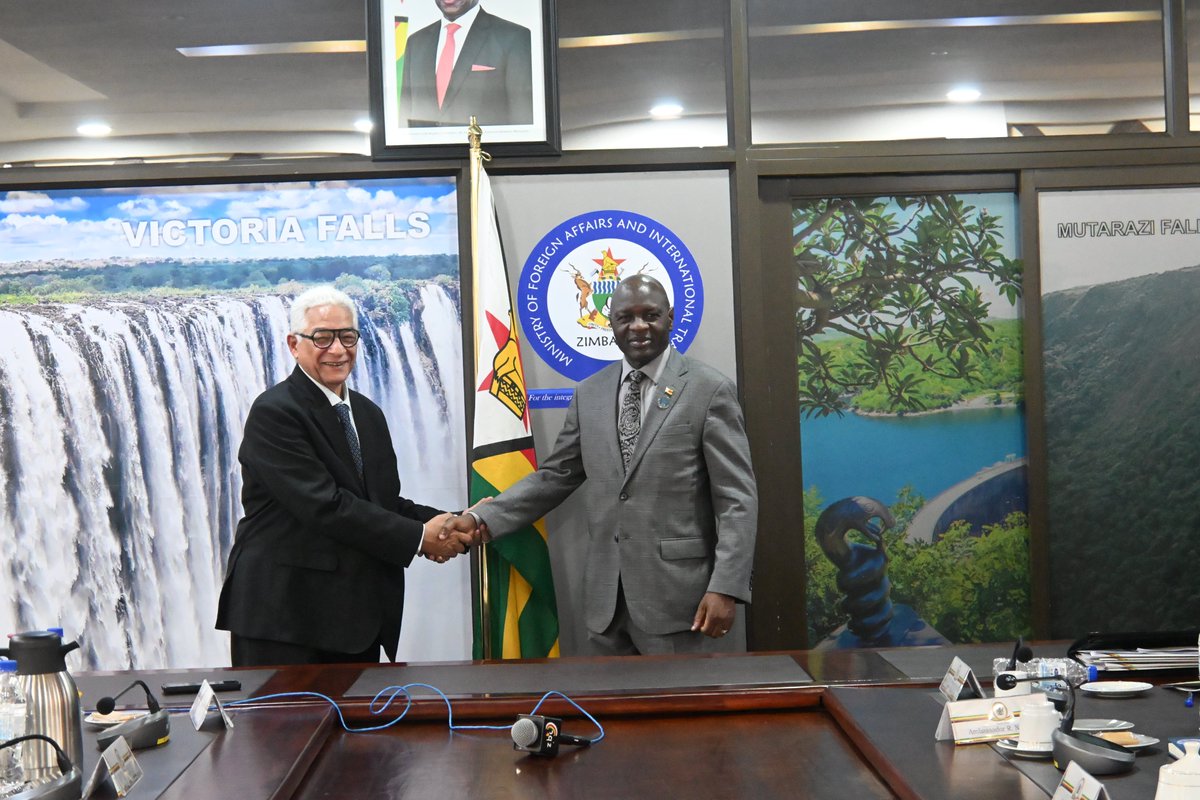
The Permanent Secretary for the Ministry of Foreign Affairs and International Trade, Ambassador A.R. Chimbindi, welcomed Ambassador Aly El-Hefny, the Head of the African Peer Review Mechanism (APRM) Panel of Eminent Persons, and his delegation to discuss the inaugural African Peer Review Mechanism (APRM) during their courtesy call at the Ministry of Foreign Affairs and International Trade offices. The meeting was also attended by other senior officials from the Ministry.
Ambassador Chimbindi noted that the APRM’s thematic area of governance and management resonates with Zimbabwe’s Open for Business foreign policy doctrine. The policy, he said, reflects the Government’s commitment to reform, transparency, accountability, while fostering economic stability, investment attraction, and sustainable growth.
He emphasized that under the APRM, the Open for Business mantra aims to:
Strengthen institutions responsible for economic management and fiscal discipline;
Enhance transparency and accountability in public administration;
Promote entrepreneurship, innovation, and economic diversification, particularly among youth and women.
Ambassador Chimbindi also stressed that the APRM will serve as a platform for the Government to showcase its commitment to His Excellency, President Dr. E.D. Mnangagwa’s vision of “Leaving no one and no place behind,” while reaffirming the country’s dedication to Vision 2030’s goals of inclusivity, accountability, and equitable development.
🇿🇼🇿🇼🇿🇼🇿🇼🤝🇺🇳🇺🇳🇺🇳🇺🇳
President Mnangagwa Highlights Zimbabwe’s Commitment to Social Inclusion at a Roundtable Meeting in Doha.
In one of the key roundtable discussions held during the plenary sessions at the Second World Summit for Social Development in #Doha, Qatar, H.E. President Emmerson Dambudzo Mnangagwa took part in an engaging discussion focused on social inclusion and sustainable development.
During the session, President Mnangagwa outlined Zimbabwe’s ongoing efforts to strengthen social inclusion through robust legal and institutional reforms. He emphasized that Zimbabwe is committed to promoting equality, non-discrimination, and broad citizen participation across all sectors of society.
The President noted that the Government of Zimbabwe continues to put in place frameworks that ensure no one is left behind, particularly in community-based development initiatives. He underscored that social inclusion lies at the heart of Zimbabwe’s national vision, as it fosters unity, empowers communities, and enhances national cohesion.
President Mnangagwa further highlighted that inclusive development in Zimbabwe is not only a policy priority but also a moral and social imperative, reflecting the country’s values of Ubuntu, solidarity, and shared prosperity. He reaffirmed that the government remains committed to creating opportunities for all citizens, irrespective of gender, age, ability, or background, to participate in the country’s social and economic transformation fully.
The roundtable provided a platform for Zimbabwe to share its progress and experiences while engaging with other leaders on strategies to advance social inclusion at national and regional, and International levels.
🇿🇼🤝🇸🇬🌍
This Sunday, ahead of the Singapore-Africa Business Forum 2025, Zimbabwe’s Trade Promotion Body, @ZimTradeAlerts, visited retail outlets in Singapore to explore opportunities for export markets as a way of strengthening trade ties in the ASEAN region.
🫐 Market scans in Singapore revealed strong potential for Zimbabwe’s fresh produce exports, including blueberries, essential oils, and macadamia nuts.
Already, Zimbabwean blueberries are proudly featured on Singapore’s shelves — proof that the market is receptive to our world-class produce. Building on this momentum, ZimTrade is now paving the way for strawberries and avocados to join the list of exports to Asia.
With a focus on market diversification, Zimbabwe continues to position its exports across Asia, the Middle East, and Europe, ensuring our products shine on the global stage.
1 more week unitil the #IATF2025!
We are excited to be taking some local companies in key industries to network and create continental trade connections
#EnergizingExports@Afreximbank
🇿🇼🫐 Zimbabwean Blueberries in Singapore! 🇸🇬✨
During his visit for the 5th Singapore–Africa Ministerial Exchange Visit and the Singapore-Africa Business Forum, Prof. dr. Amon Murwira was delighted to come across fresh Zimbabwean blueberries proudly on display in Singapore’s retail outlets.
This is a clear sign that Zimbabwe’s export footprint is growing, connecting local farmers to international markets and creating opportunities back home. 🌍💼