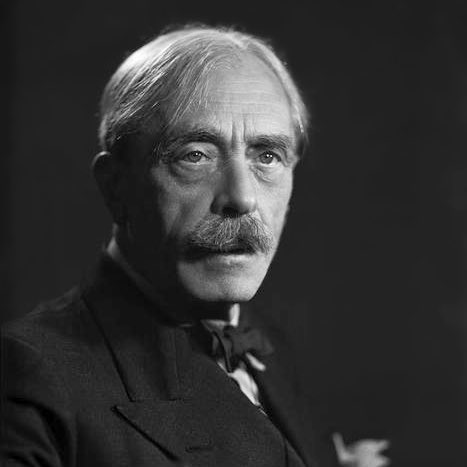
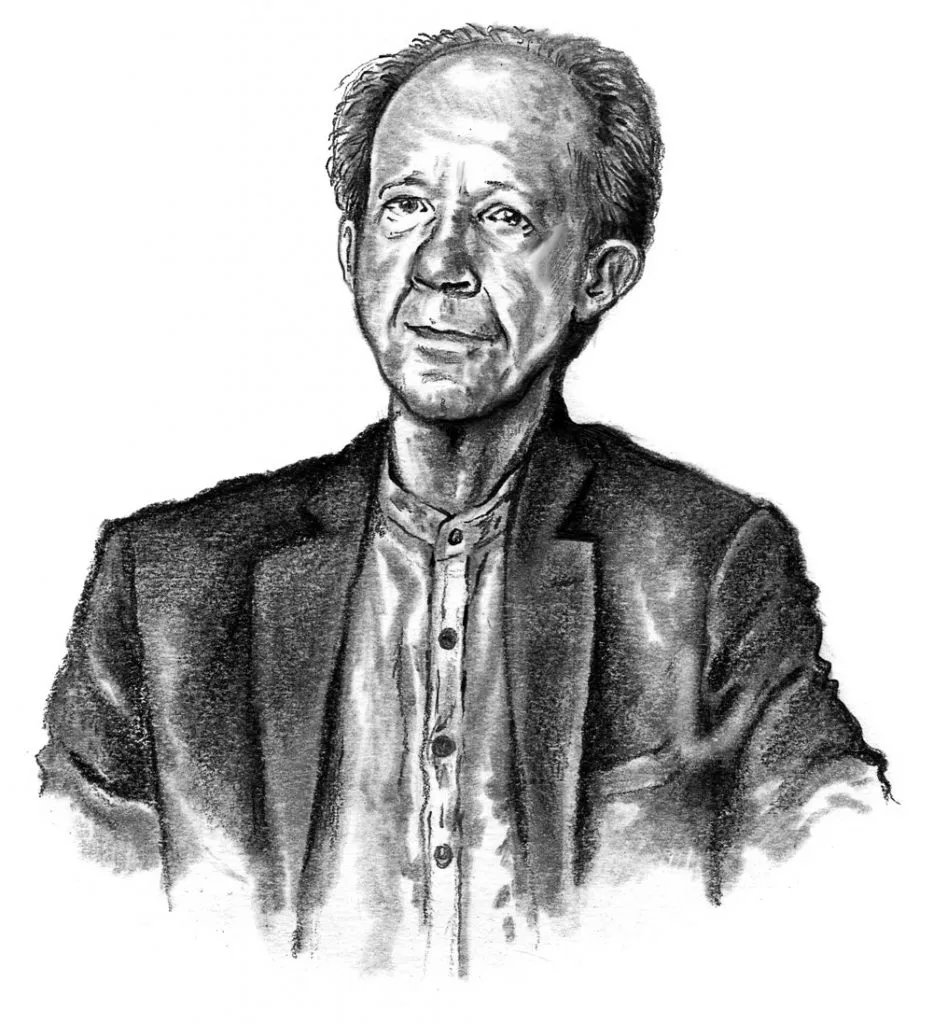
Faulkner: «Prefiero el silencio al sonido, y la imagen producida por las palabras ocurre en silencio. Es decir, el trueno y la música de la prosa tienen lugar en silencio».
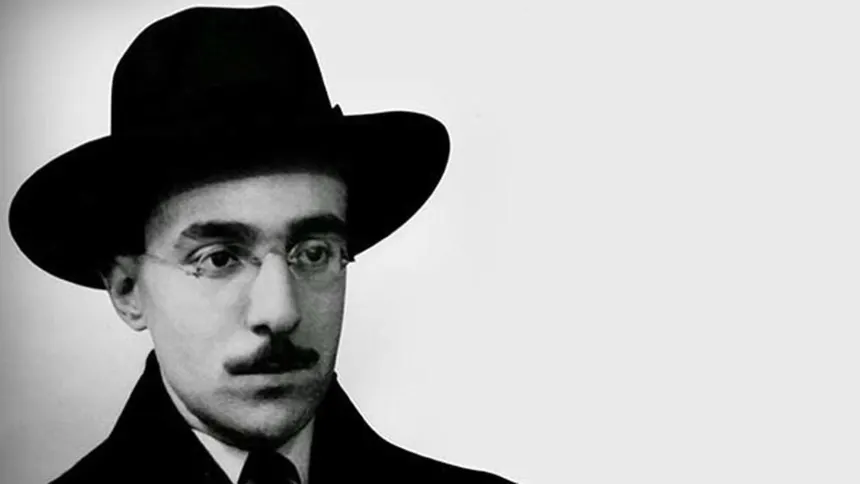
“The value of things is not the time they last, but the intensity with which they occur. That is why there are unforgettable moments and unique people!”
―Fernando Pessoa
🎧"Take Five" is a landmark 1959 jazz piece by The Dave Brubeck Quartet, famous for its distinctive 5/4 time signature and catchy saxophone melody written by Paul Desmond.
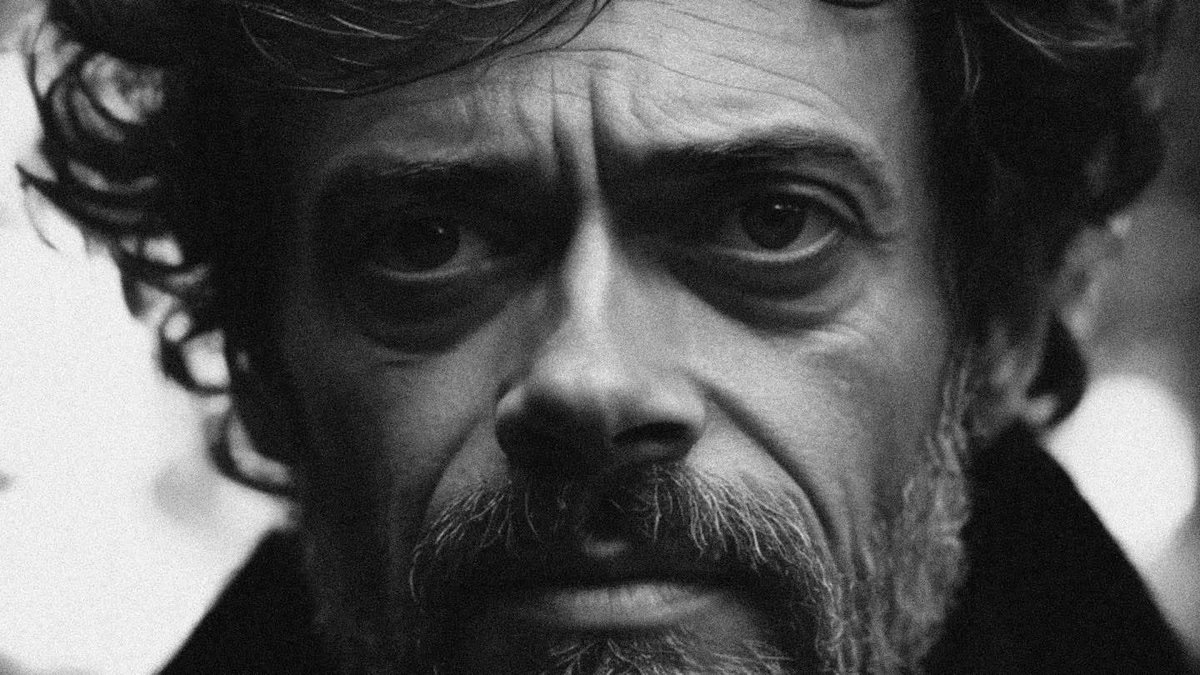
“We have the money, the power, the medical understanding, the scientific know-how, the love and the community to produce a kind of human paradise. But we are led by the least among us – the least intelligent, the least noble, the least visionary."
--Terence McKenna
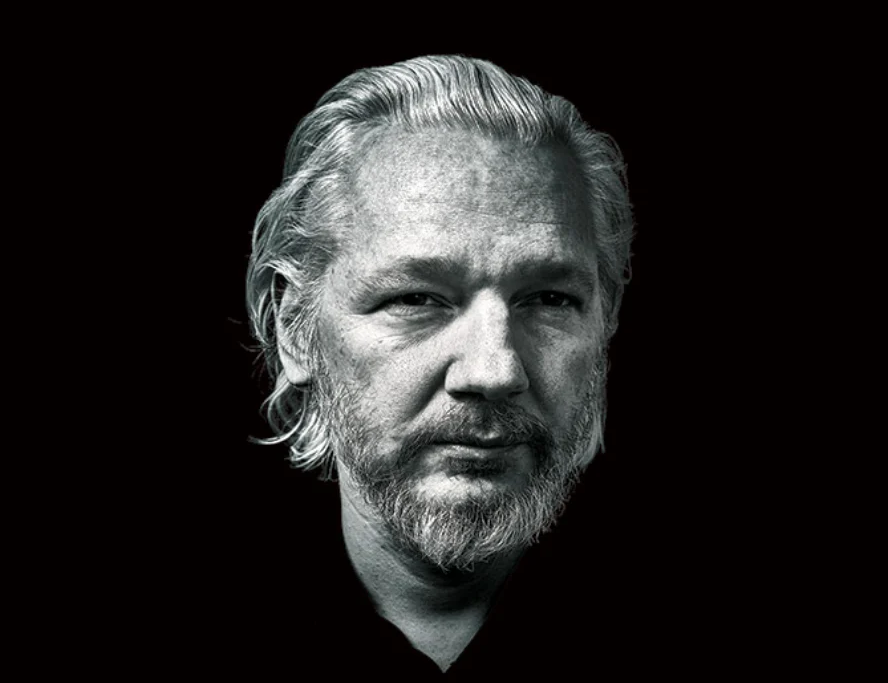
"What are the differences between Mark Zuckerberg and me? I give private information on corporations to you for free, and I'm a villain. Zuckerberg gives your private information to corporations for money and he’s Man of the Year."
—Julian Assange
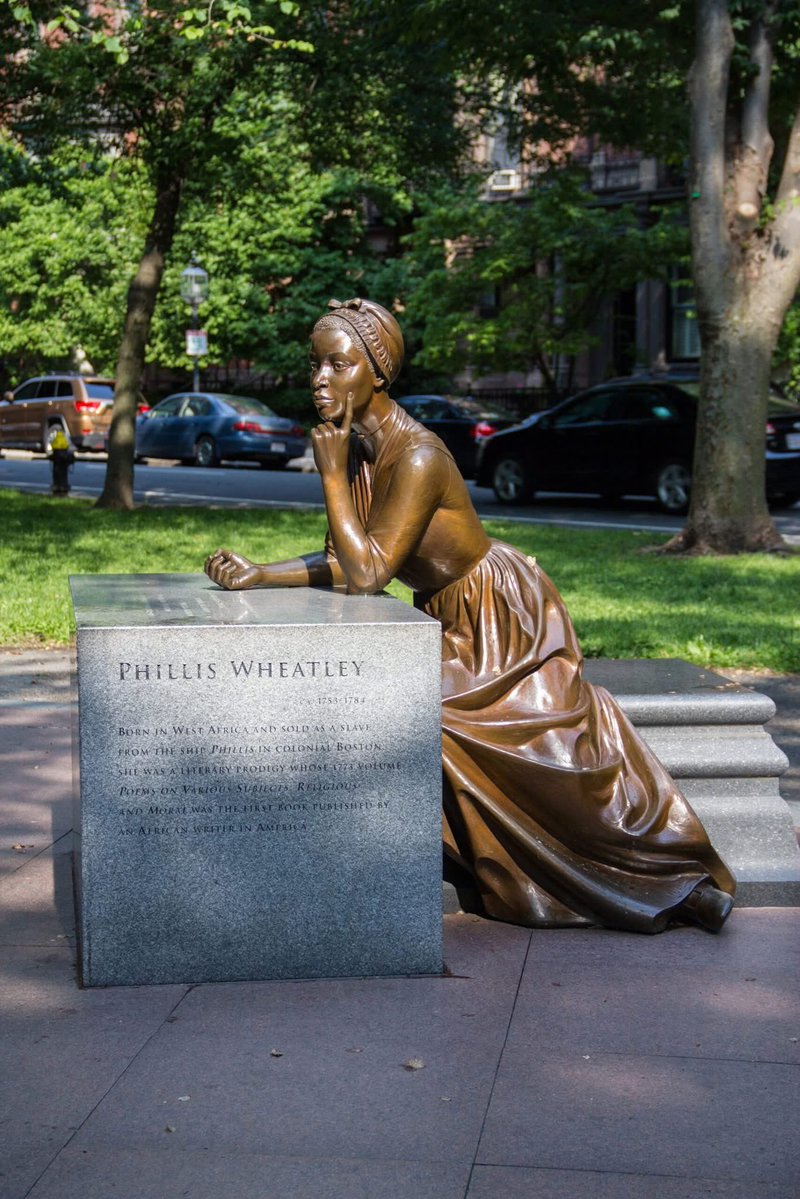
This young lady was called Phillis because that was the name of the ship that brought her, and Wheatley, the name of the merchant who bought her. She was born in Senegal 🇸🇳.
In Boston, the slave traders put her up for sale: “She's 7 years old! She will be a good mare!”
She was felt naked by many hands.
At thirteen, she was already writing poems in a language that was not her own. No one believed that she was the author. At twenty, Phillis was questioned by a court of eighteen so-called enlightened White men in robes and wigs.
She had to recite passages from Virgil and Milton and verses from the Bible, and vow that the poems she composed were not copied.
From a chair, she underwent her lengthy examination until the court approved her: she was a woman, she was Black, she was enslaved, but she was a poet.
Phillis Wheatley was the first African-American writer to publish a book in the United States 🇺🇸
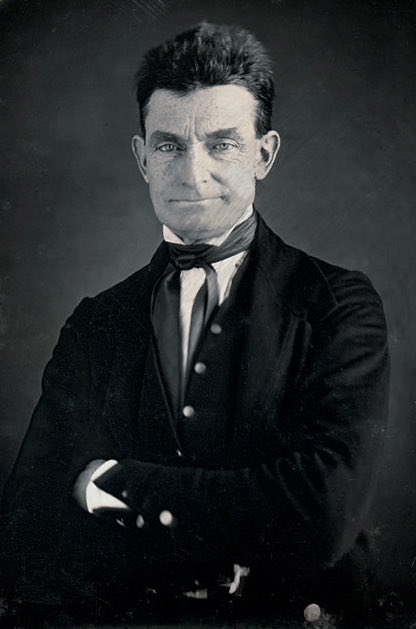
“I want you to understand that I respect the rights of the poorest and weakest of colored people, oppressed by the slave system, just as much as I do those of the most wealthy and powerful. That is the idea that has moved me, and that alone.”
—John Brown
Jefes de Estado y asesinos.
“Por primera vez en la historia, vemos al jefe de un Estado que se considera civilizado hablar abiertamente como un asesino, diciendo sobre el líder religioso de un país al que ha agredido: «lo mataremos», y sobre los habitantes de ese país: «los masacraremos». Ni Hitler ni Stalin jamás se expresaron así. Y, sin embargo, no solo este hombre no es acusado ni depuesto, sino que los jefes de Estado de las llamadas democracias occidentales lo aprueban, aceptando implícitamente que los políticos puedan hoy expresarse públicamente de una manera que quizá ni siquiera los asesinos se atreverían a hacerlo entre ellos.”
Giorgio Agamben en Quodlibet, 10 de marzo de 2026.