Masters of Sport Management. 50/50@ Dodgers/Rams/. Rose Bowl. Intern at CIF-Southern Section, sports media assistant. @bandnproduction @AthleticsELAC 🇺🇸 🇬🇷
The Norwegian fans may be rowing home on the baggage carousel... 🚣🇳🇴😂
But what a World Cup you gave us. You brought color, passion, smiles and unforgettable moments wherever you went. ❤️
And your team... thank you for the football and the memories. It was a joy to watch. Safe travels, Vikings! 🇳🇴👏
#Norway #WorldCup2026 #Vikings #Football #Respect ❤️
Today In 1983: The 50th Anniversary All-Star Game Old Timers Reunion (Comiskey Park, Chicago) An absolutely incredible gathering of all-time great baseball legends! #MLB#Baseball#ASG#AllStarGame#History
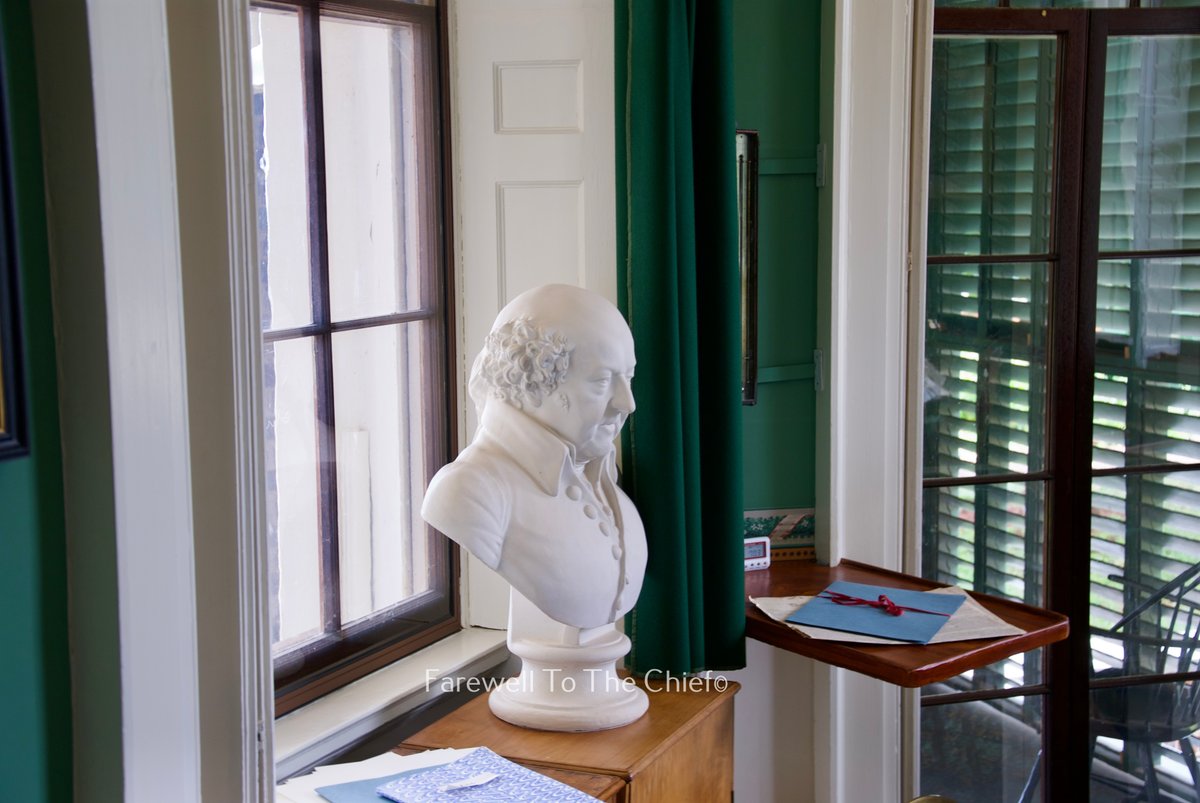
Late June 1826, the heat of summer, bright sunshine and the smell of fields and pastures was omnipresent in the small hamlet of Quincy, south of Boston, five-hundred and sixty-five miles to the north of Monticello. John Adams (eerily like Jefferson) was nearing the end of his storied life. was in a sad state: he’d grown pale, had difficulty breathing, and painful coughing fits. Early July, his granddaughter, Susana Boylston Adams Clark, asked him how he felt. “Very feeble my dear,” he told her. By evening, his face, already pale, had grown worse. Monday morning, July 3, Dr. Amos Holbrook arrived at Peacefield (Adams’ home). By evening, Adams soldiered on, showed no concern of his fading health, smoked a cigar, and enjoyed the company of his family. That evening, while Adams was resting in bed, he had difficulty sitting up to cough. Dr. Holbrook examined Adams and was not encouraged, “He is going very fast. I should not be surprised if he did not live twenty-four hours. If the medicine which I shall give him operates favorably he may live a week or two.” Adams enjoyed dinner but when he tried to find relief from his breathing by sitting up, he was bothered by “soreness and thirst.” Come nightfall, a temporary relief fell over Adams, and he fell in a much-needed sleep. Tuesday morning, July 4, Adams, was found in his bedroom in good spirits, greeting his grand-daughter and her cousin, Louisa, when they entered his study turned bedroom, were greeted by Adams with a big smile. He soon countered the affection with a gut-punch, telling the two girls he felt worse. Louisa sat on his bed, caressed his face, and Adams lifted his head to her head, and spoke briefly. Telling her to “be a good child.” Later in the morning an effort was made to move him but for fear of injuring him or worsening his condition, he remained in bed but was later moved to a chair after Dr. Holbrook arrived at Peacefield. But, uncomfortable in the chair, he was moved back to his bed. It was at this time Susana told him, “It is the Fourth of July sir, the fiftieth anniversary of Independence.” Adams, cognizant of the importance of the day, responded, “It is a great day. It is a good day.” At 1:00 PM, Adams, heard by Susana, spoke in a whisper, “Thomas Jefferson survives.” Five hours later, Adams, resting on his side in bed, asked to be turned, struggling to breathe. With what air and strength he could muster, he whispered in Susana’s ear, “help me child…help me.” “I wish I could,” she told him. A countenance of serenity fell over his face. His breaths grew short. At “about a half past six” the sage of Braintree passed away from the infirmities of old age. Seconds later, according to Susana, a deafening thunderclap shook the house and a rainbow arced over the countryside.
*Today is the 200th anniversary of Adams's death.
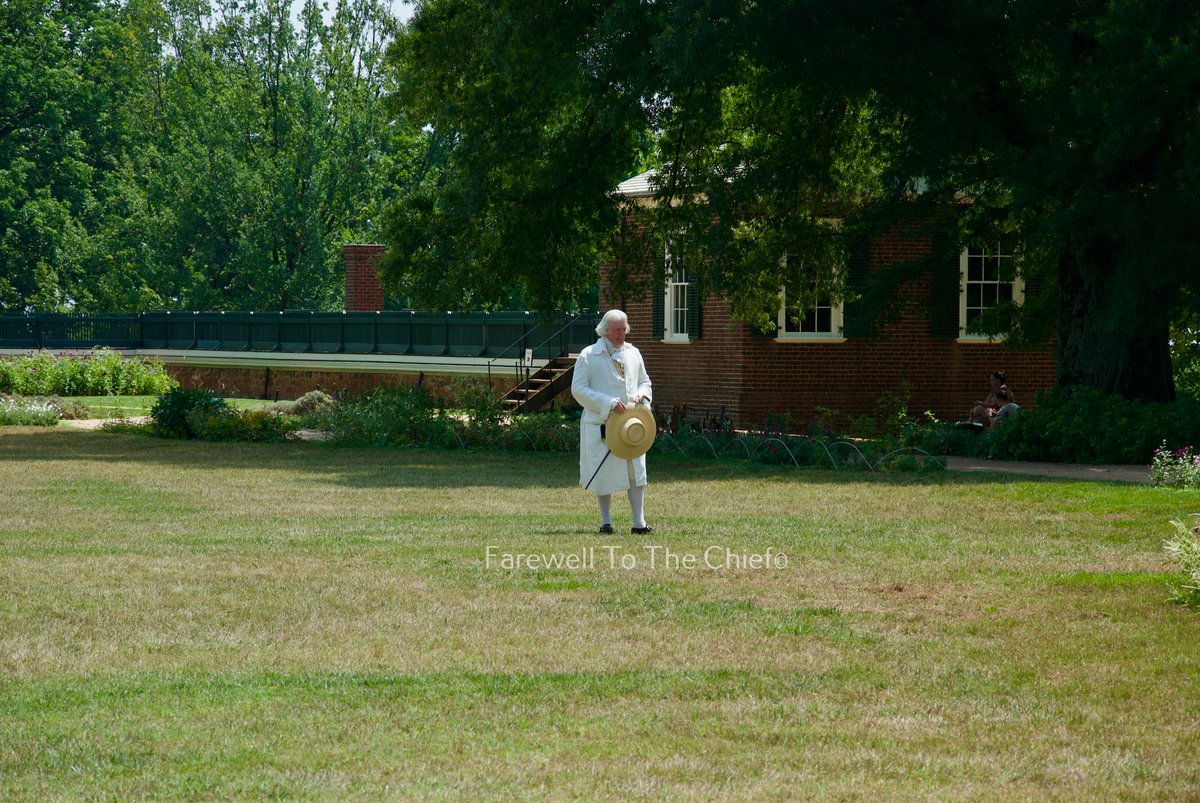
March 1826, Thomas Jefferson was nearing 83 years of age. He was in poor health, having suffered from a series of ailments the past eight years. Never one to ignore the obvious, he spoke to his grandson, Thomas Jefferson Randolph, about “an event likely to occur about midsummer, say doubtingly that he might live to that time.” June, long days, and warmers temperature settled over the countryside, but the pleasure brought on by summer was absent from Monticello and its resident sage. Jefferson was in constant pain and June 24, finally and after much consideration, he consented to being seen at his home by a physician, Dr. Dunglison, who diagnosed the former President with a constricted urethra from an enlarged prostate. Jefferson was given laudanum to aide sleep. Two days later, he was confined to bed, literally situated between his bedroom and study. The next six days brought on a series of ailments: exhaustion, diarrhea, dehydration, toxemia, and uremia, to name a few. July 2 through July 4, Jefferson was locked in a stupor. Incoherent he may have been, he did manage to provide some final words; however, the words are provided by three accounts. Monday evening, July 3, Jefferson woke up, having slept most of the day. He saw his doctor and asked, “Ah! Doctor, are you still there?...Is it the fourth?” Dr. Dunglison replied, “It soon will be.” According to the Dunglison, these were the last words he heard from Jefferson. Nicholas Trist, husband of his granddaughter, reports that after Jefferson woke Monday evening and asked twice, “This is the fourth?” Trist told him it was even though he knew it wasn’t. Jefferson gave a simple, “Ah.” The third account, from his grandson (mentioned earlier), reports that waking up Monday evening, Jefferson thought it was morning, and stated he had slept all night without being disturbed. He then stated, “This is the fourth of July.” He fell back to sleep, was woken at 9PM for a dose of laudanum, but pushed back, “No, doctor, nothing more.” (If Dunglison was spoken to, he didn’t remember the words or someone else gave Jefferson the medicine or Jefferson was insensible and unaware of his surroundings.) At 4AM, Jefferson asked for his servants to be brought into his room and allegedly spoke his last words, which are lost to the historical record. Locked in sleep, Jefferson lingered through the early morning of July 4. He woke at 9AM and asked for his head to be elevated. Two hours later, his grandson took a wet sponge and pressed it to Jefferson’s mouth, “which he sucked and appeared to relish. This was the last evidence he gave of consciousness.” At 12:50 PM, having lived to see the country’s 50th anniversary of Independence, Jefferson's heart gave out.
*Today is the 200th anniversary of Jefferson's death.