@DeAnime69 The context is science ed for those not going into the sciences. Does SJC (which I have direct knowledge of) have better science education than a large and well-funded state flagship (which I also have experience with), as regards non-sci majors? Yes.
https://t.co/wfECvj4RUb
If one wishes to be a practitioner of the sciences, one should go elsewhere. Fair enough and a noble path. But it is ludicrous to think that a humanities or social science student at a major university gets more truth out of one stats req and one bio req than a TAC/SJC grad does.
Returning to the sources from a non-historicizing perspective and working through them over four years provides a substantially deeper and more rigorous education in the sciences than anything one is getting at the modern multiversity. This is so obvious as to be unarguable.
Imagine going to college for 4 years and coming out with absolutely zero understanding of modern science, philosophy, or math. I can’t think of a worse way to cripple a student than make them study nothing but Ancient Greek treatises where 90% of the content is useless or wrong
A common theme in these comments is that Thomas Aquinas College is deficient in natural science and lacks sufficient rigor in the STEM disciplines. What’s ironic is that our students study more math and science than most undergraduates anywhere, outside of math and science concentrations. Our students take eight semester-long courses in mathematics (28 credit hours) and eight semester-long courses in natural science (another 28 credit hours). The number of credit hours is equivalent to a minor in mathematics and a minor in natural science. Apart from STEM majors, that’s more than any other undergraduate program in the country.
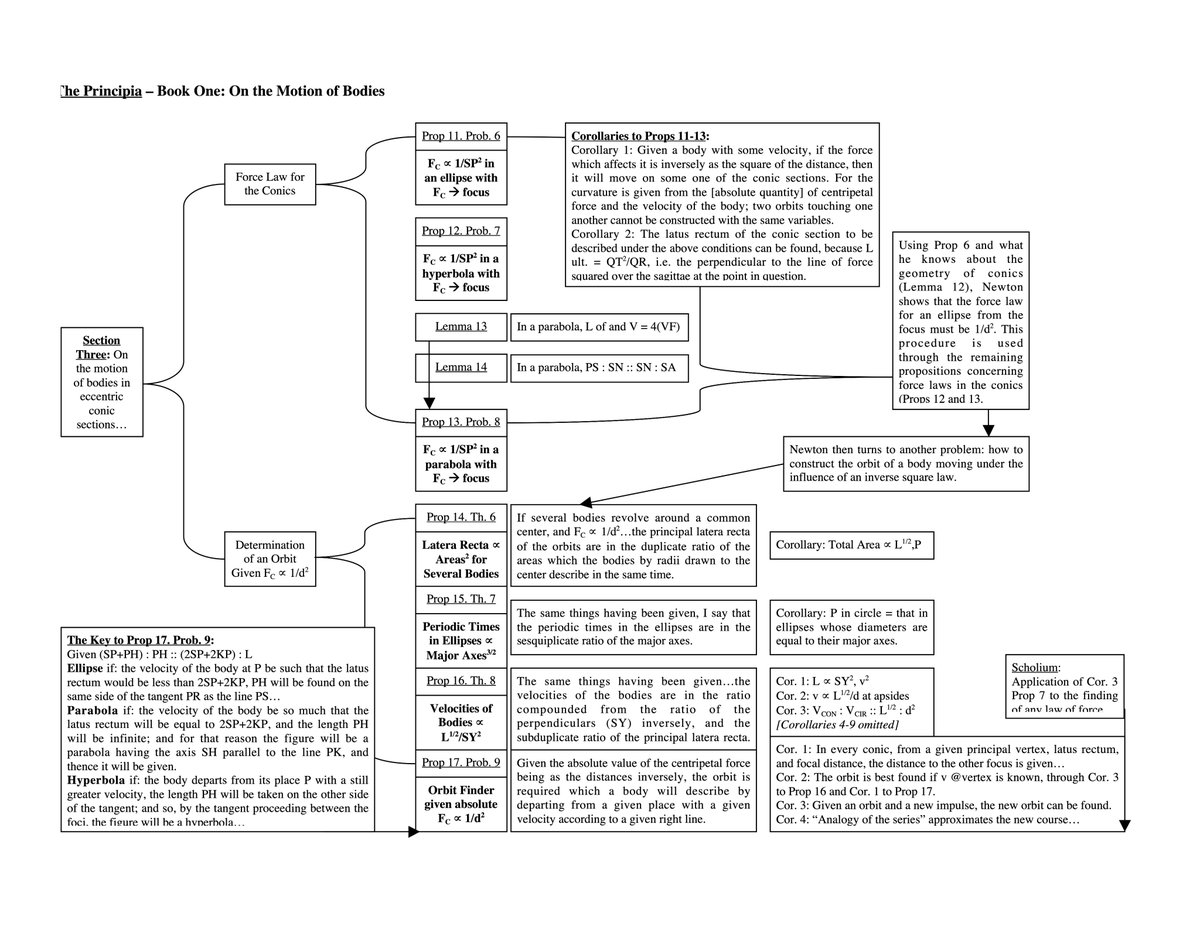
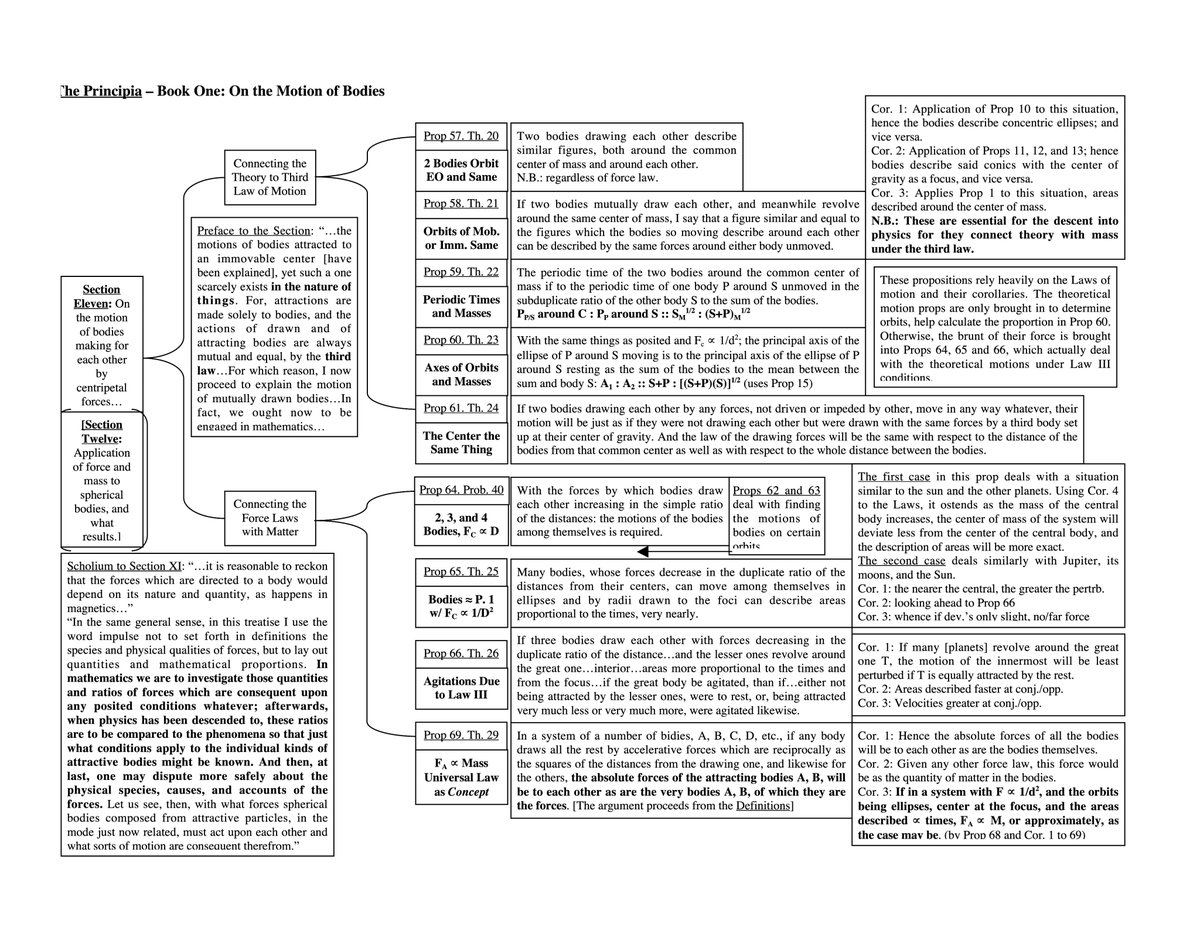
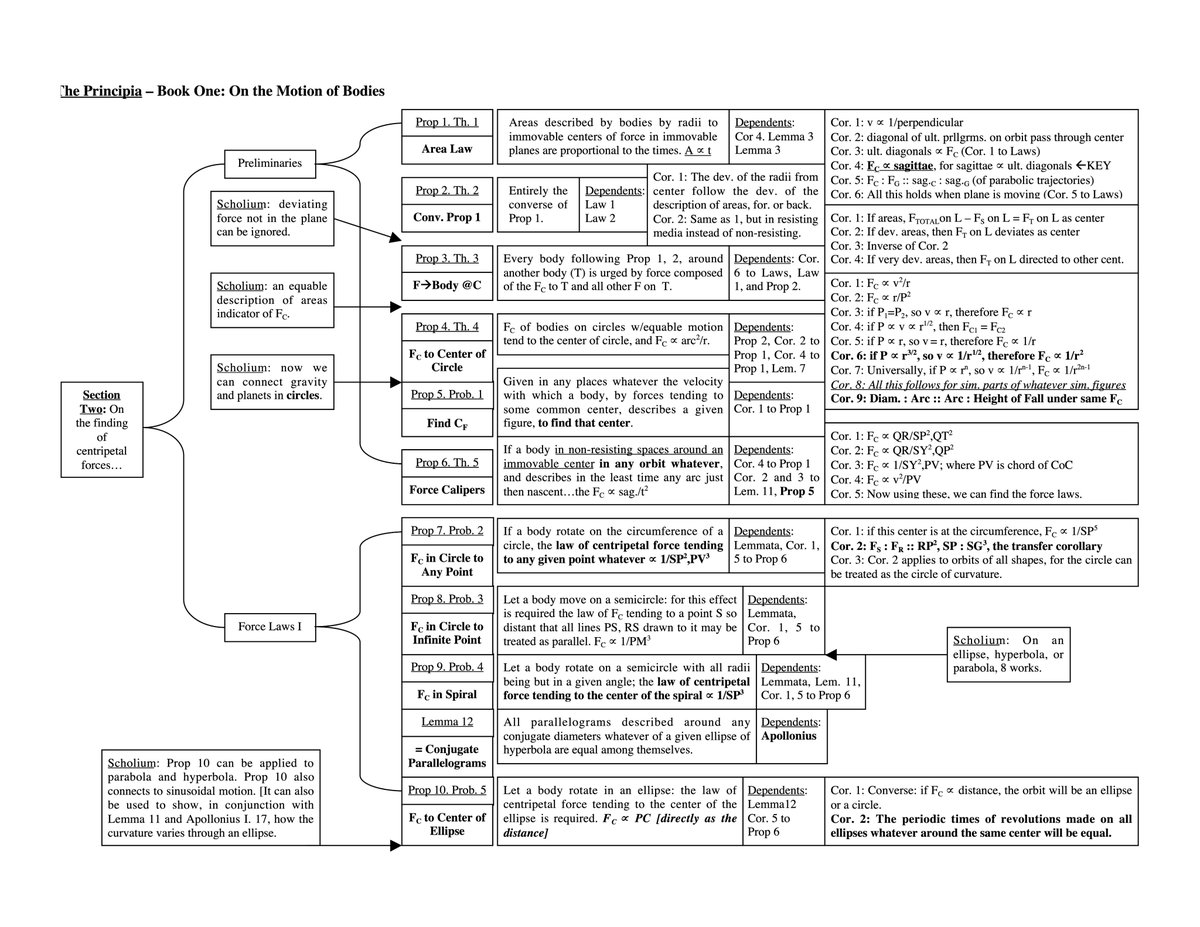
Students at the College don’t just read essays about math or natural science, they demonstrate proofs or theorems from Euclid, Galileo, and Newton. We don’t shy away from reading difficult books such as Newton’s “Principia” or Maxwell’s theory of electromagnetism. We not only read Darwin’s “Origin of Species” but later proponents and critics of evolutionary theory, such as Jacques Monod and Stephen Jay Gould; we read Einstein’s “General Theory of Relativity”; we read Mendeleev’s original scientific papers proposing the periodic table.
One might object that we don’t use modern textbooks, study the latest scientific theories, or have sophisticated laboratories. That’s intentional. We want our students to understand the progress of the natural sciences in the context of the full range of academic disciplines, such as philosophy and theology. They examine the foundations of modern science and develop the habit of mind that seeks first principles.
Our graduates pursue a wide variety of STEM professions: physics, engineering, medicine, and tech. They excel in these fields because our program fosters intellectual rigor, first-principles thinking, and the ability to tackle real world problems creatively.
@donaldantenen I guess I’m not certain whether I would call what’s being expressed in this backlash “skepticism,” which to me implies uncertainty and openness, so much as dogmatic reactive rejection from the perspective of one supposing themselves to be in possession of certain knowledge.
What is university for: inculcation of a method, or paideia? Usefulness as an economic actor, or training the capacity for insight and knowing? Filling one with information, or equipping one to ask “τί ἐστι”? This “discourse” rests upon naively assuming the former in every case.
If one wishes to be a practitioner of the sciences, one should go elsewhere. Fair enough and a noble path. But it is ludicrous to think that a humanities or social science student at a major university gets more truth out of one stats req and one bio req than a TAC/SJC grad does.
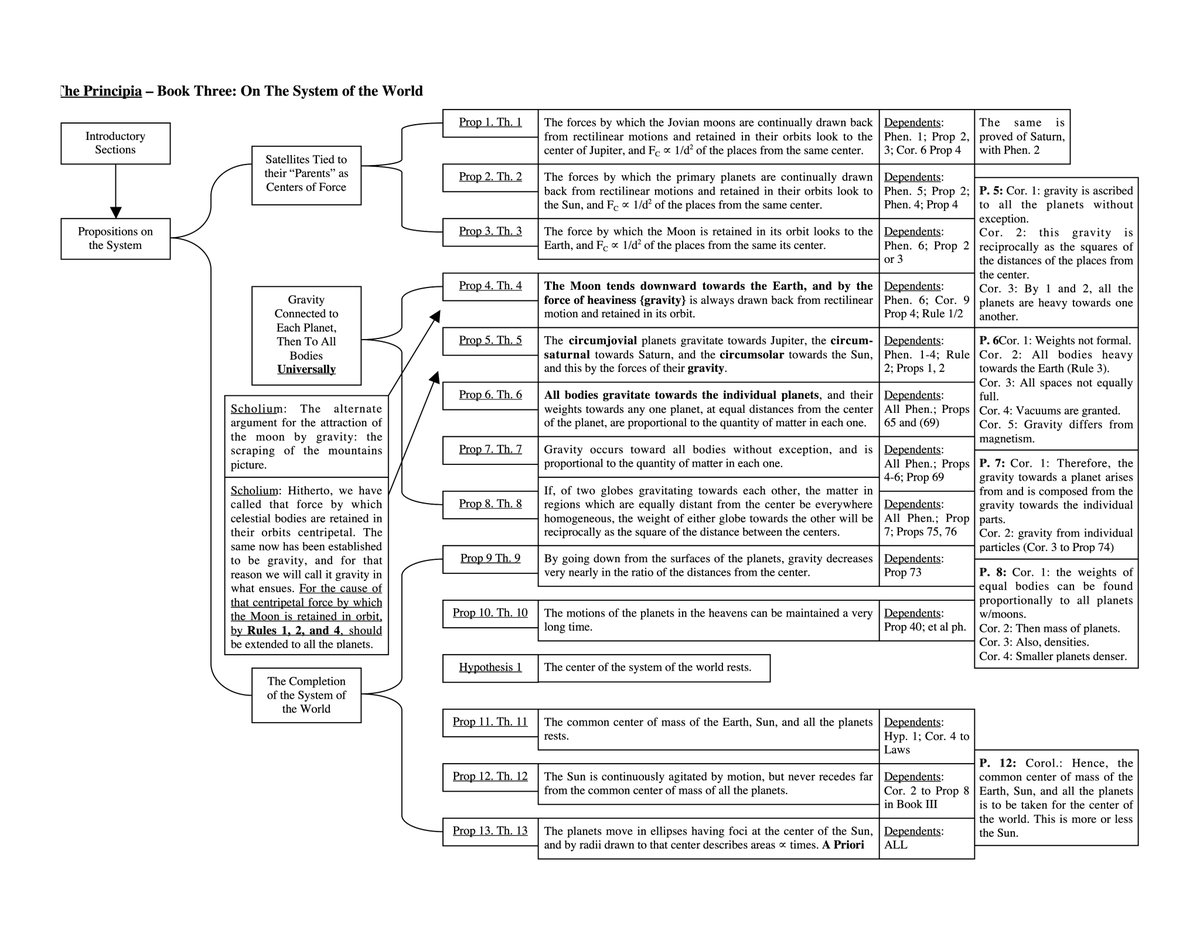
Reading Aristotle in science class (and philosophy), alongside Euclid, Apollonius, and others (e.g. Galileo), prepares TAC students to read Newton with understanding. Attached: samples from a TAC student-produced final exam review guide for the Newton final.
One of the weirder things in American life during most of my lifetime was that the Constitution's explicit guarantee of "equal protection of the laws" was long widely assumed not to apply to white males ... for reasons, such as white men being Bad and having it coming.
I thought it was all a bit put-on and whingey when I first read it at 20, but it turns out that Allan Bloom was completely right about the Sony Walkman.
Extremely depressing. We are living through a watershed moment on AI; one doesn't have to be a doomer to perceive that the central task of conservatism--that is, to *conserve* our values, institutions, and way of life--now depends in large part on the deft and intelligent management of a development for which our civilization has no meaningful precedent.
The reason that is rarely articulated, for obvious reasons, but which is nonetheless true: for many this fills a void of meaning. They get be one of the decisive few at the decisive moment in the history of life. Very similar to the emotions that motivated many revolutionaries of days past. All of the sudden the small things one does—the books one reads, one’s office set up, one’s bedtime routine—take on an awful cosmic significance. The whole history of carbon life is culminating with *me* — and what I do, and the few elect here with me, matters, and matters immensely. We are the agents of history, the only people in the world doing something that truly, deeply matters. And if we all die? Well we were all going to die anyway. But this is the one way we might *not* all die. And I get to be a part of it.
I won't pretend to know especially much about the AI safety discourse. But for thinking about what lies ahead, it would pay to consider the Manhattan Project. Few books surpass this when it comes to thinking about the relation between governments and revolutionary technologies.
Here is a passage, in Surah Ya-Sin, where we are told of people being bound in fetters at the neck, kept in stalls, and obscured from the light—another striking parallel to the cave allegory. Note well: This is the only Surah to begin with “O, thou human being!”
Muhammad was not illiterate, and he likely read Plato and Aristotle, in all likelihood the majority of their corpuses. The evidence of the Quran itself is just too much to ignore at this point: Muhammad was a Socratic.