Former fellow @ Center for Applied Cybersecurity Research. Now a hobby farmer writing about engineering and ethics in the age of software defined fraud
Imagine the DMV was run like a hospital:
1. You would pay $1,200 a month for DMV insurance
2. The Uber ride to the DMV would cost $7,500
3. You would have to make an appointment to get your license renewed and the first available appointment would be six weeks in the future
4. You would be charged:
$5,000 for your vision test
$2,000 for the chair to sit in while doing the test
$3,000 to get your picture taken
$4,000 for a license processing fee
$3,000 to print the license itself
5. You would get your license in the mail four weeks after going to the DMV. Except it wouldn't be your license, it would be someone else's
6. Two weeks after getting the wrong license, you would get a bill for #4 of $17,000 which your DMV insurance wouldn't cover because you hadn't met your deductible
@heavyredaction Comedy is tragedy plus time
That's why, while driving yesterday, when I heard the Iranians wanted to blow up a dirty bomb in downtown Washington, DC -- I had to pull over because I was laughing so hard
The strips were printed with printers connected to the Center "Host" (vernacular term for the dual IBM 9020s (360s) in every Center)
Just because the Host was printing paper strips doesn't mean it wasn't also keeping digital records of the strips
RE: Fallback -- when I started flying in the 1980s non-radar procedures in Centers was still called "normal operations."
This was a fallback to the pre-radar days when air traffic was tracked by moving little wooden airplanes over a table with a map on it (the airplanes were called "shrimp")
When radar became ubiquitous in most of the USA, there was still enough doubt about its reliability that the old way (shrimp boats) was retained as the "normal" way to do separation and radar ops were considered "augmented operation"
Even though augmented operation was the norm 99.9999% of the time, the old map tables and shrimp boats were retained for that 0.00001% of the time that they needed to revert to "normal operations"
70% of Americans oppose the Iran war and want it to end
No rational adversary would see that as anything but victory. With public sentiment for the war nonexistent in the US, Iran has already won
It would make no sense at all for them to detonate a dirty bomb, given they already have the upper hand
A dirty bomb would only turn American sentiment 180 degrees around -- it would be suicidal for Iran to do that and everyone knows it
This is a map of the 22 so-called "Air Route Traffic Control Centers," commonly called just "Center," in the United States
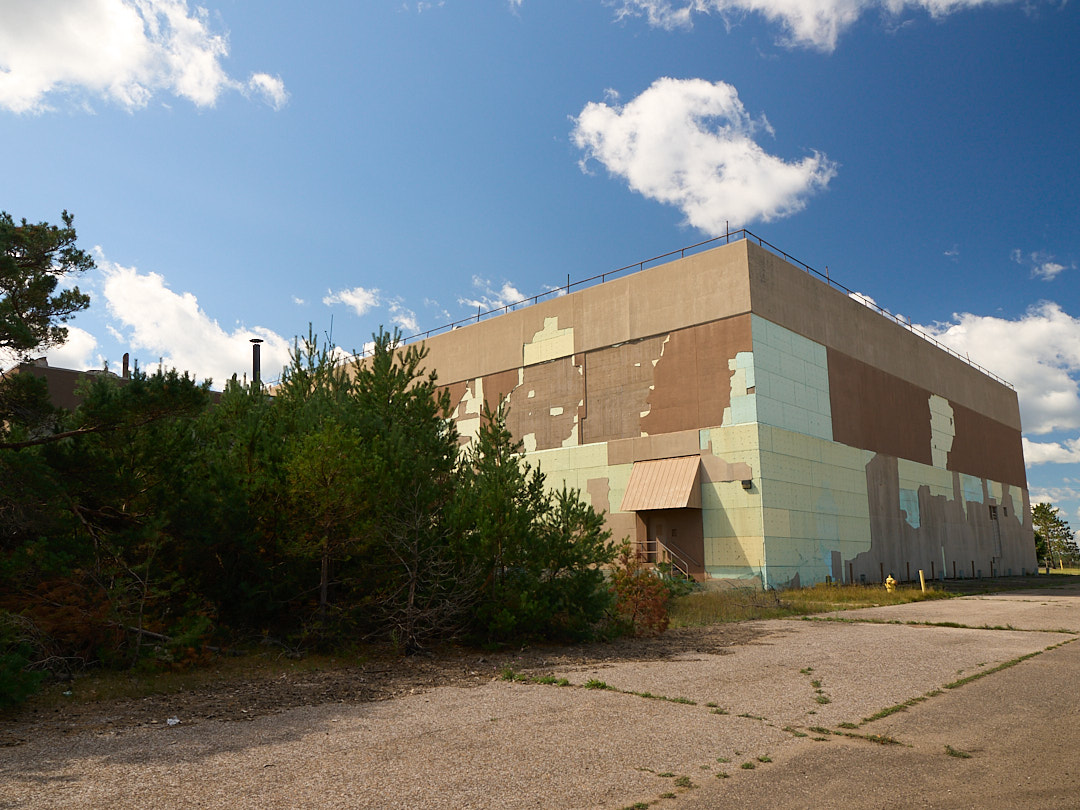
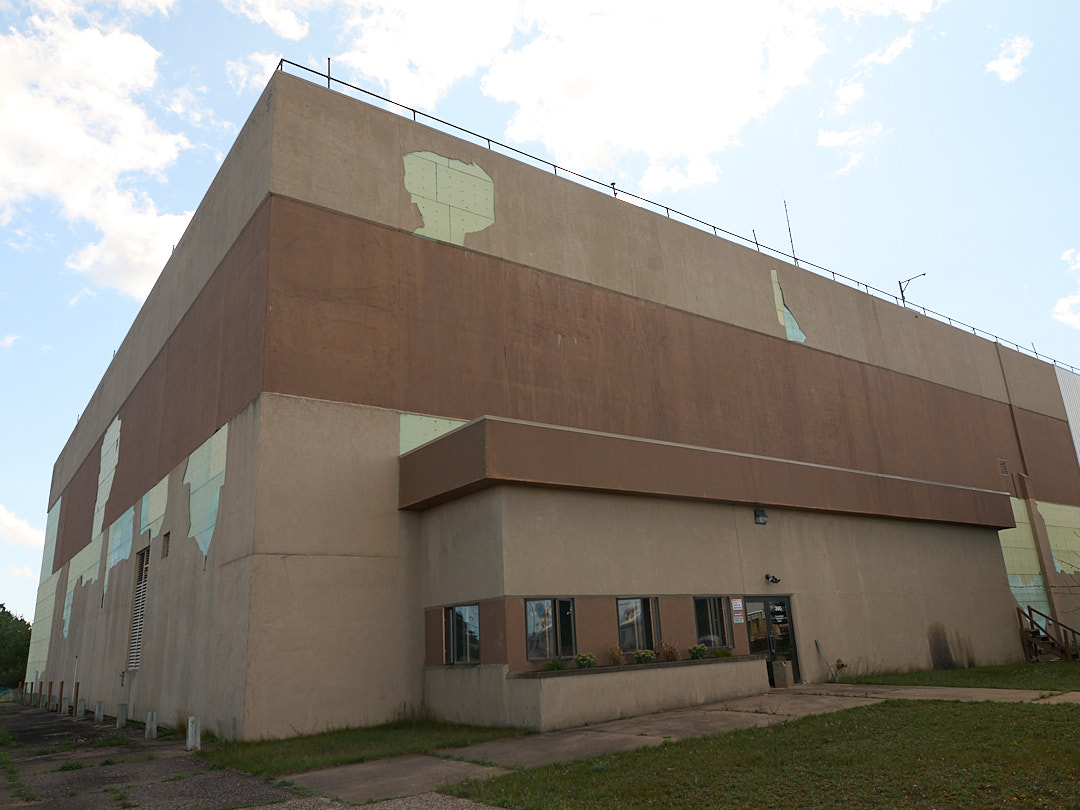
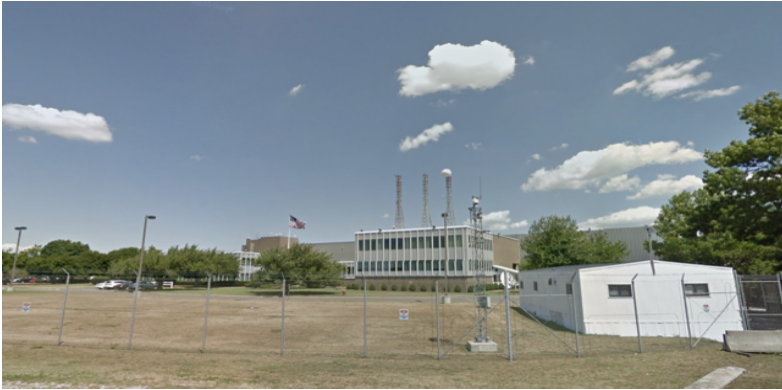
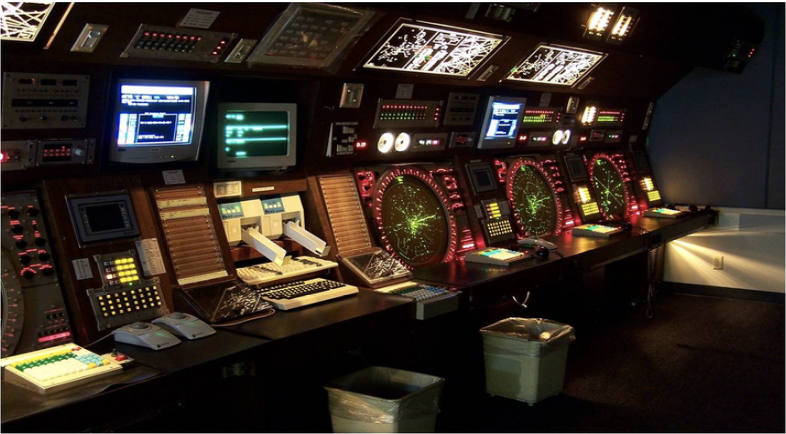
Centers are referred to by their name as in "Indianapolis Center." Physically they appear as large, windowless, multi-story boxes and inside they are staffed with controllers sitting at radar displays
The picture here is of "New York Center" in Ronkonoma, NY. Chicago Center is in Aurora, Illinois. Indianapolis Center is just north of the Indianapolis International Airport. Washington Center is on Route 7 just outside Leesburg, VA
That list isn't special -- it's just the centers I have personally visited
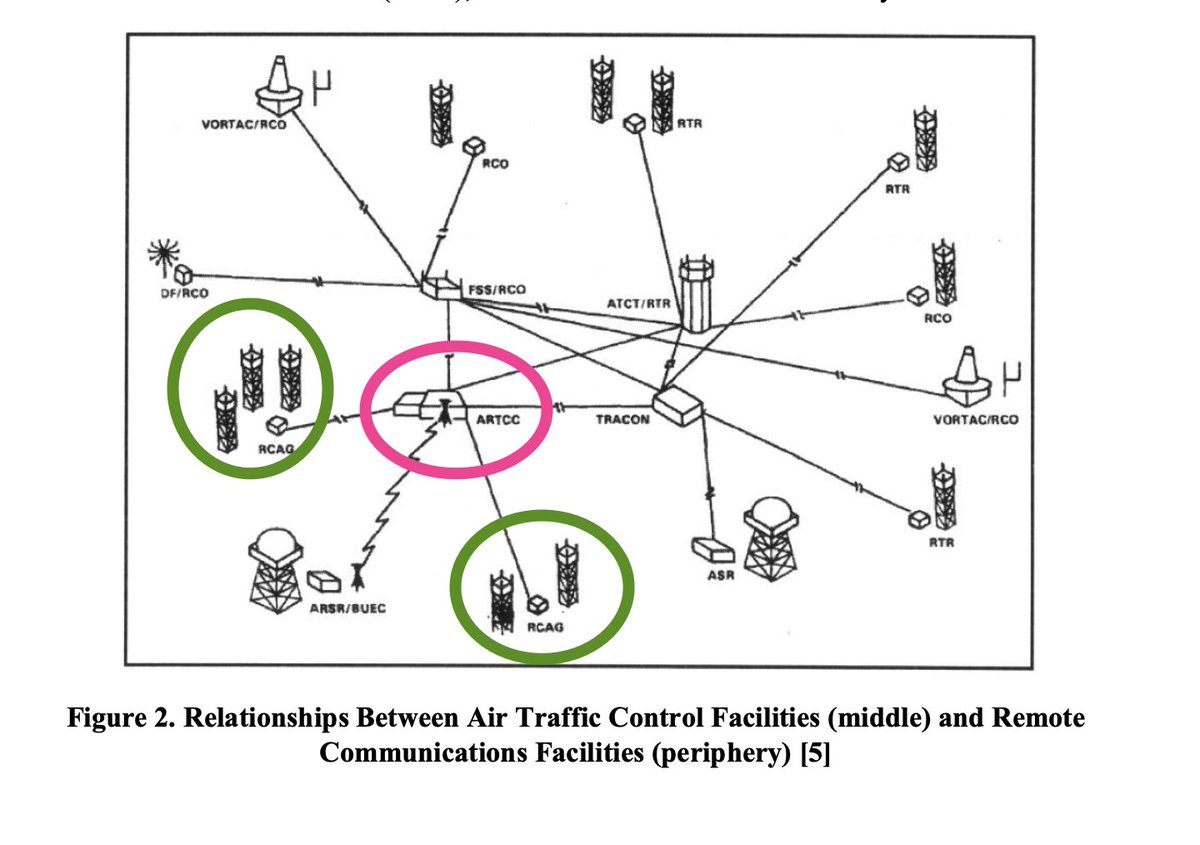
In the attached chart you see the general topology.
ARTCC is the FAA's abbreviation for "Center" and RCAG is Remote Communication Aircraft / Ground. El Dorado was/is an RCAG
Let's bring what we know all together now:
Supposedly a "router" in the El Dorado RCO (basically a cinderblock bunker sitting in a corn field with antennas sticking out of it) was able to inject enough data into the FAA's copper wire network that connects the RCO to Fort Worth Center to crash the entire FAA communication network nationwide
Plausible explanation? Not remotely. And it obviously has nothing to do with old technology, copper wires or any of the other bullshit they've tried to feed us
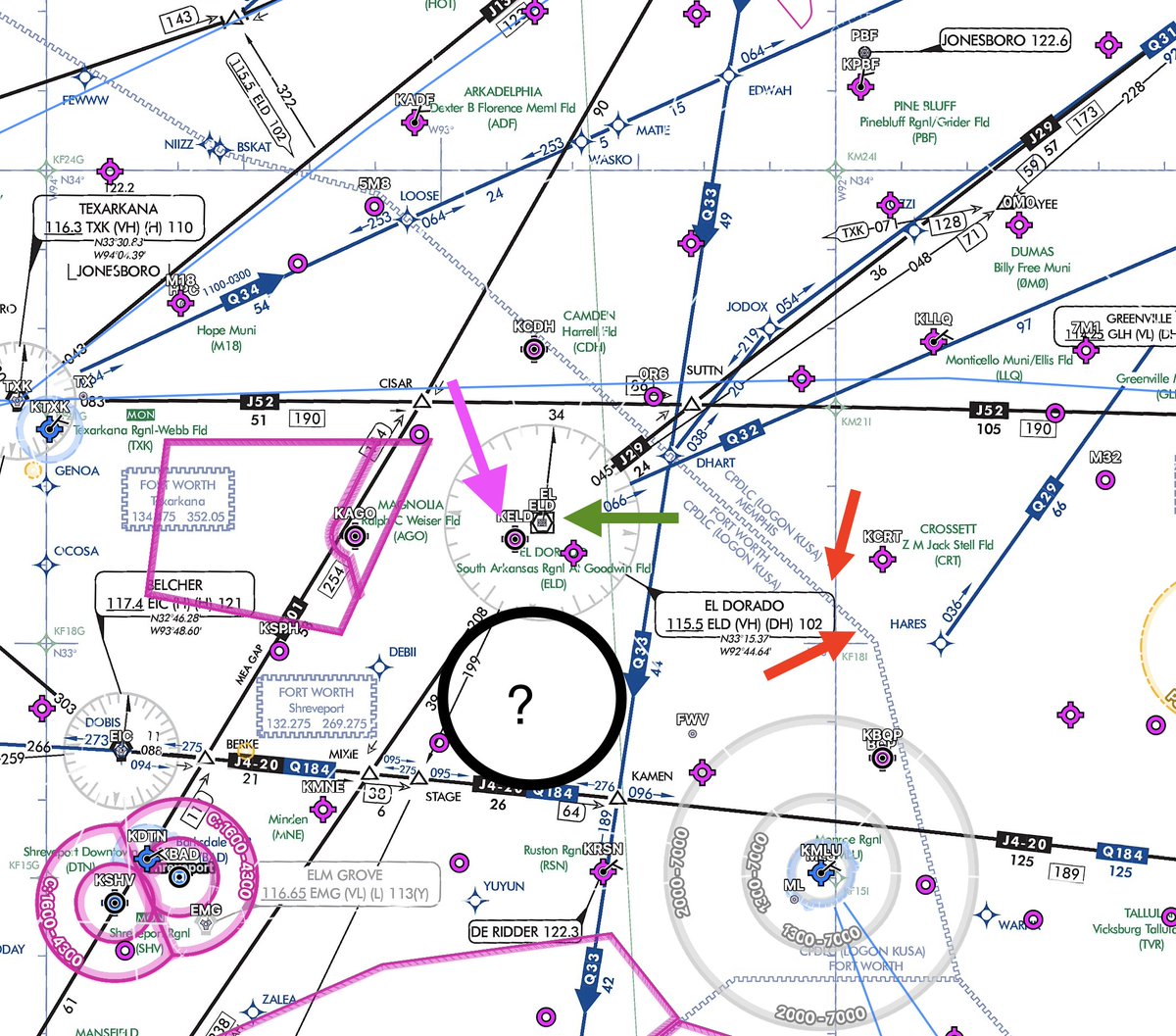
Here's an instrument flight rules (IFR) chart for the area around El Dorado, Arkansas -- where the errant router we are told, took everything down
Things to note on this chart:
* Red arrows show a "Center" boundary. In this case between Fort Worth Center and Memphis Center
* Magenta arrow points to the El Dorado airport. This is a small, uncontrolled (has no control tower) rural airport typical of the USA.
* Green arrow points to the El Dorado VORTAC -- a navigation beacon that predates GPS and is still in use as a GPS backup
* Blue arrow points to a box with a center name ("Fort Worth"), a facility name ("El Dorado") and a couple of frequencies.
This is what is known as a Remote Communication Outlet or RCO (also RCAG for Remote Communication Aircraft / Ground -- I will use RCO here for both)
Physically an RCO is just a collection of antennas and some electronics boxes and a connection to a landline. The landline connects the RCO to its associated Center (Fort Worth in this case) and the antennas connect to radios in the RCO.
What this does is let a controller sitting in Fort Worth Center communicate with aircraft in the vicinity of El Dorado.
The typical range of an RCO is about 30-200 miles, depending on the altitude of the aircraft being communicated with
That chart was a so-called "low altitude" IFR chart -- suitable for airplanes like mine that cruise below 18,000'.
Let's look at the "high altitude" chart for the same area
Notice anything? That's right -- the El Dorado RCO does not appear on the hi-altitude chart.
What does that tell us? It tells us that the El Dorado RCO is only a filler for radio communications for low-flying aircraft -- it is a low altitude RCO
It is not an RCO that would be used ordinarily by communication between Fort Worth Center and commercial airliners as those airliners are always in the high-altitudes.
Hi altitude RCOs are on the chart however -- for example Shreveport
There are fewer high-altitude RCOs than low altitude because radio signals travel further the higher the aircraft -- so you don't need as dense a radio network to serve a very large geographic area
In the old days (when I started flying) the short answer to your question would have been "yes."
The entire system was architected assuming that there would be system and human failures
In fact one particularly stark example was the 1981 air traffic controller strike that degraded the centers' performance as FAA management had to man the radarscopes when union air traffic controllers walked off the job
That gave birth to something called "Tower Enroute Control" in which center responsibility for aircraft separation was devolved to individual airport control towers.
It's incomprehensible to me how a couple routers in Texas and Arkansas could have taken down Indianapolis Center's ability to talk to airplanes in its airspace
It's even more incomprehensible to me that there are literally copper wires running all over the country connecting the centers not only to each other but also to the radio facilities (which are not co-located with the center buildings) used to communicate with airplanes
So I call full-on bullshit to the narrative that is being pushed on us now about "copper wires" and routers in Texas taking down communications in Indiana
As you can see on the map, centers are geographically separated. There isn't one big center for the whole US.
This is intentional as, among other things, it makes the system resilient. Failures in one center don't affect flights being handled by any of the other centers. Each center operates virtually autonomously. Again, this is a major stability and reliability architectural decision -- no single point of failure
Until now, I guess.
Are we supposed to believe that the FAA not only owns its own transcontinental communication network (as opposed to leasing capacity from a major telecom provider) AND that that infrastructure remains as buried coaxial cables stretching from east to west and north and south in this country?
As secretary, I made sure to leave air travel in better condition than when we arrived. We reversed a decade of decline in air traffic controller staffing, drove down runway safety incidents, and when I left office we were experiencing the lowest flight cancellation rates in years.
As part of that work, I launched a project to transition the FAA's communications system from copper wire to a modern network. I am glad the Trump administration has continued that work, but they have so far failed to explain why their execution of it triggered the worst FAA communications breakdown this century.
I support more funding for FAA upgrades, but this episode is another blow to the public’s confidence that the administration can deliver. The Trump administration owes Americans an honest accounting of how they have spent the billions of dollars already authorized, clearer answers on why their repair work brought down the entire system on Friday, and an explanation of what they are doing to make sure this failure is not repeated.
First they blew up the FAA comm system by trying to fix what wasn't broken
And now they want $60 billion to continue to fix more non-broken systems
This is policy and execution incoherence "at scale" (as the techbros say)
I've never blamed the outage on "packet switching."
I think the closest I've come to assigning blame is attributing the outage to incompetence
That said, the concept of a connectionless protocol (UDP) and a traffic stream consisting of millions of small UDP packets all free to take whatever path is available between point A and point B is extremely attractive in theory
But reduction to practice is a risky business, indeed
Cybersecurity, networking & aviation expert here (I discovered a vulnerability in Cisco IP phones in 2002 that resulted in them being removed from the White House situation room)
You're being lied to about the FAA comm issue
That is all
Everybody can see what's going on with the FAA/Air Traffic "outage," right?
It's flat-out privatization theatre. Manufacture a crisis, blame it on the inability to "Modernize" (whatever that means), and push for privatization as the answer to political funding stalemates
Then award the privatization contracts to the corporations willing to bend their knee to MAGA
An endless torrent of grift. That is the definition of our modern age