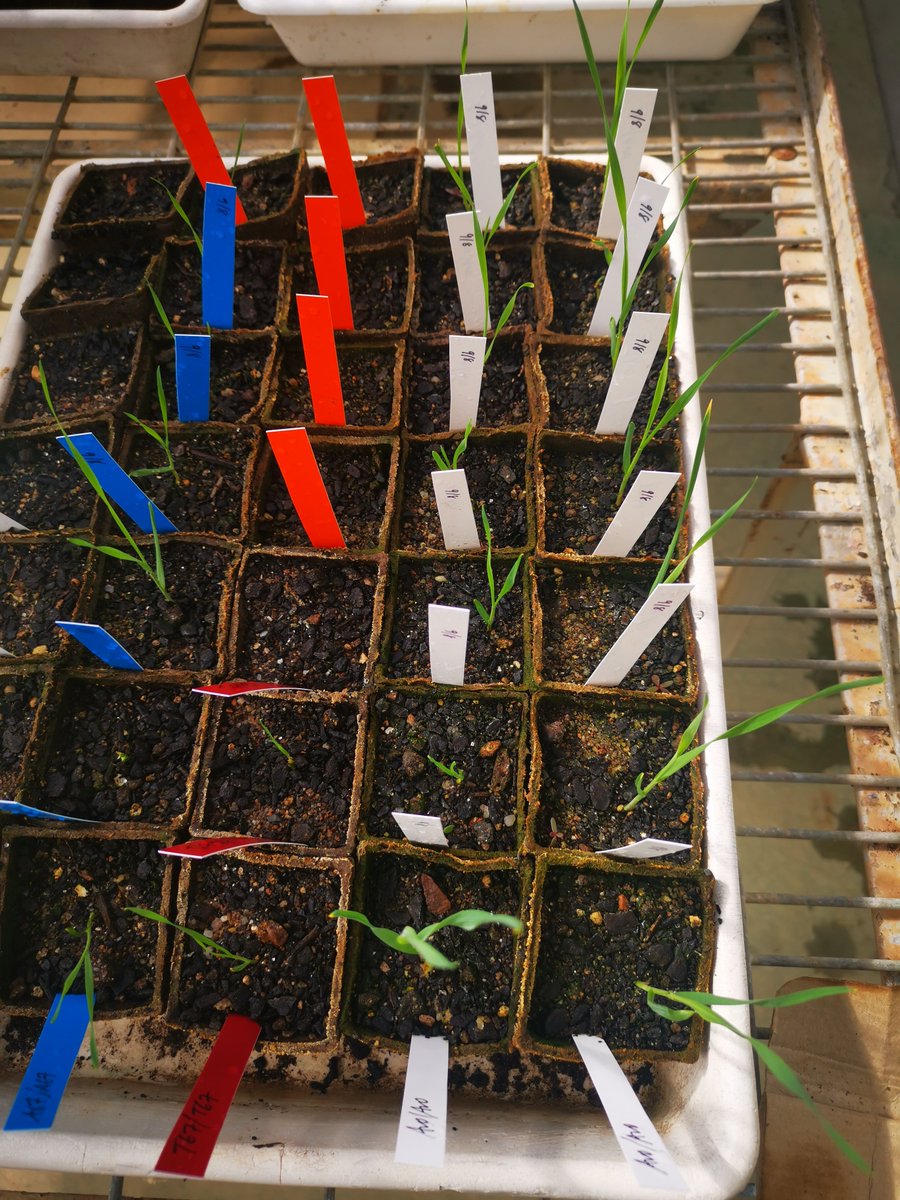
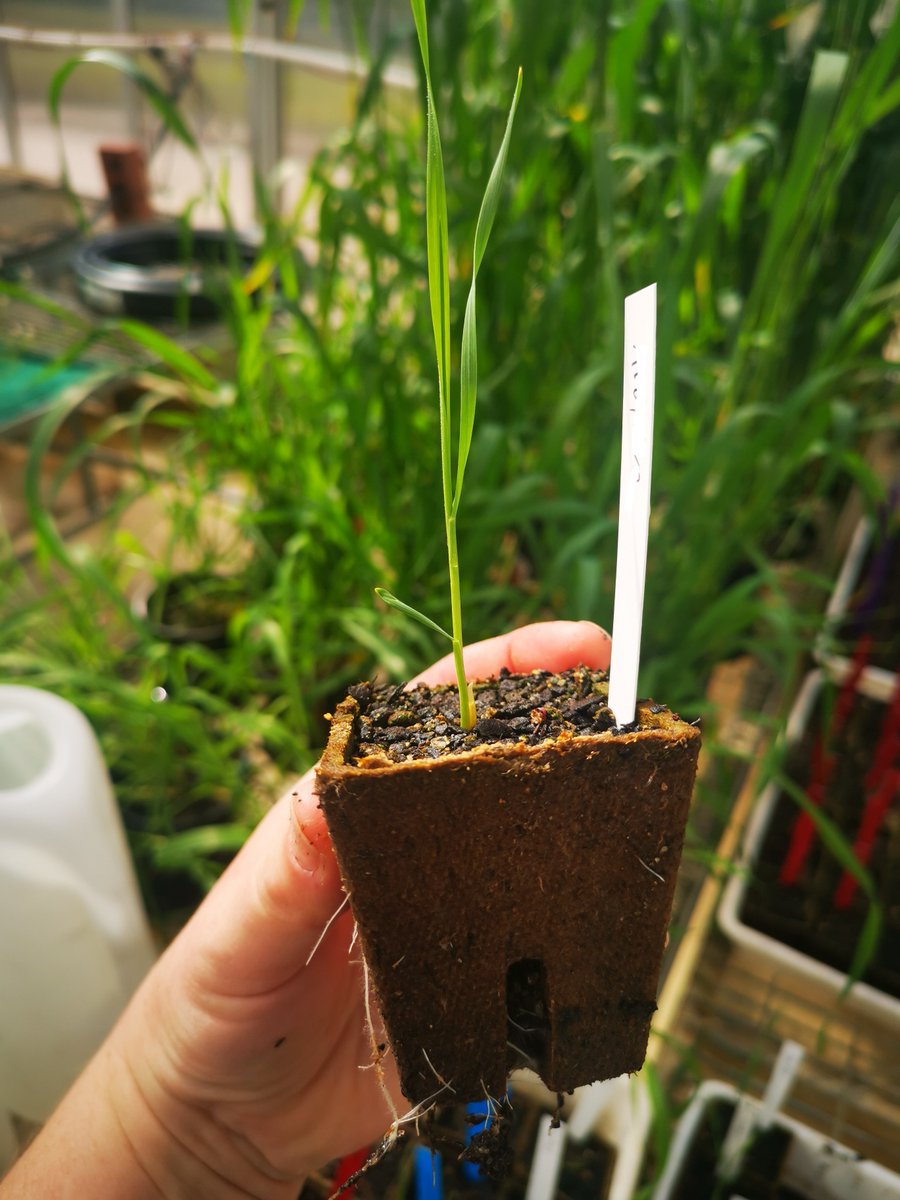
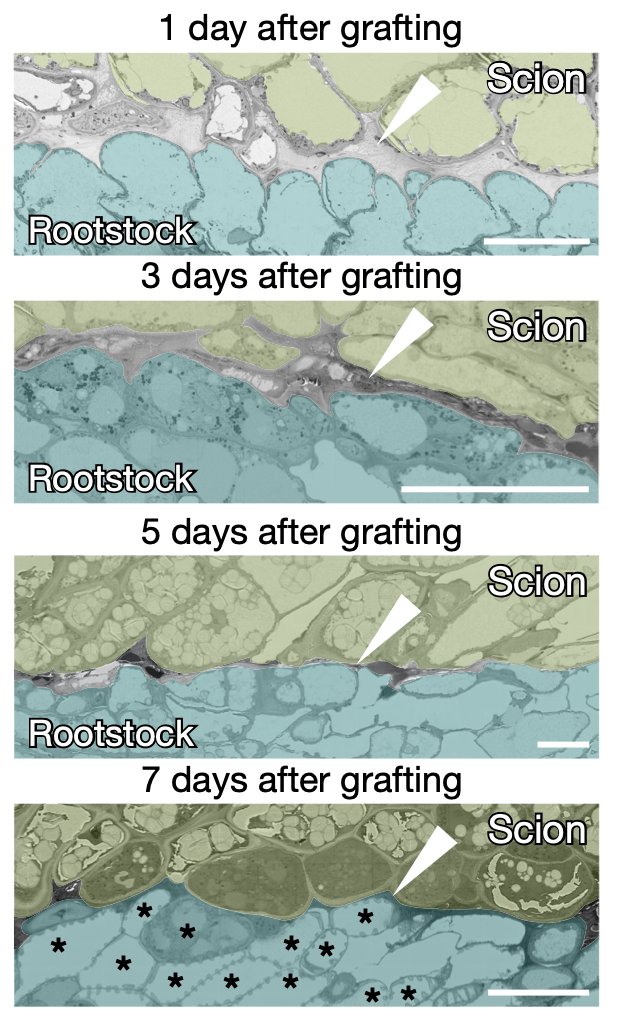
Productive day assessing our first batch of #graftedwheat Kudos to @greggiereeves and coauthors for developing this fantastic technique. Hoping to develop enough plants for a micro field trial!
@Jinlei_Liu1993@jmhibber The biopsy punches can be cleaned with ethanol and reautoclaved. I find that a single biopsy punches can perform at least 100 grafts before it goes dull. You can resharpen them if you have the right tools. The punches are only a few USD each.
I’m pleased to present my latest work on methods that solves monocot grafting which has been a problem lasting many thousands of years! Thanks everybody for all your helping getting this tremendous work done!
https://t.co/LVLqSH2YVo
@greggiereeves is the first I've ever seen published on nature who shared his work. Not that there isn't others I'm sure he's just the first. Incredible to see science show it's work. Thanks Gregg, gives hope to us Gregg's. I'm a Gregg as well.
https://t.co/EGpdOaPdAY
Tune into @BBCLookEast tonight from 18.30 📺 to see @jmhibber and members of our Molecular Physiology Group 🥼 discuss how they developed a novel way to graft seed tissue 🌱 and how this may protect food security by improving crop plants' disease resistance or stress tolerance 🍌
'We just achieved something everyone said was impossible' celebrates our @jmhibber following the first ever successful #grafting of a #monocot 🌱 His group's new technique means crops like #bananas could now be made disease resistant 🍌
Read more 👉https://t.co/o9cFHKwO0z
Monocot plants (grasses) couldn’t be grafted - until now. New approach using parts from freshly germinated seeds has been developed for all classes of monocots, wheat, rice, corn, sorghum, banana, date palm…very interesting.
(https://t.co/bpXv93Rf2c)
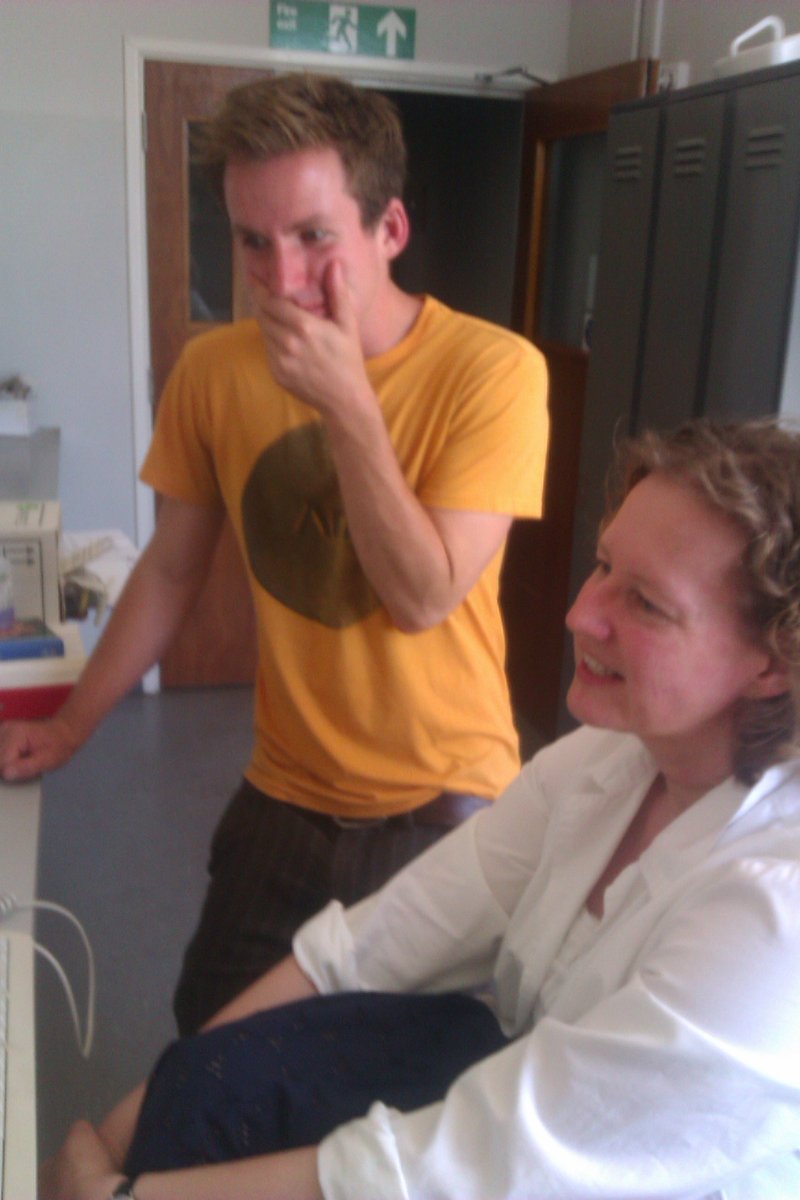
Blast from the past: love this picture of Dr Greg Reeves @greggiereeves from the early days of monocot grafting (circa June 2015) looking at first flow cytometry results on grafted cereals #Eurekamoments
Read the paper @Nature here: https://t.co/4xhSAUpKoK
Monocots graft. May be ancestral character of all vascular plants. Useful for discovery science and possibly improving perennial monocot crops. @plantsci@Thepallavisingh@greggiereeves
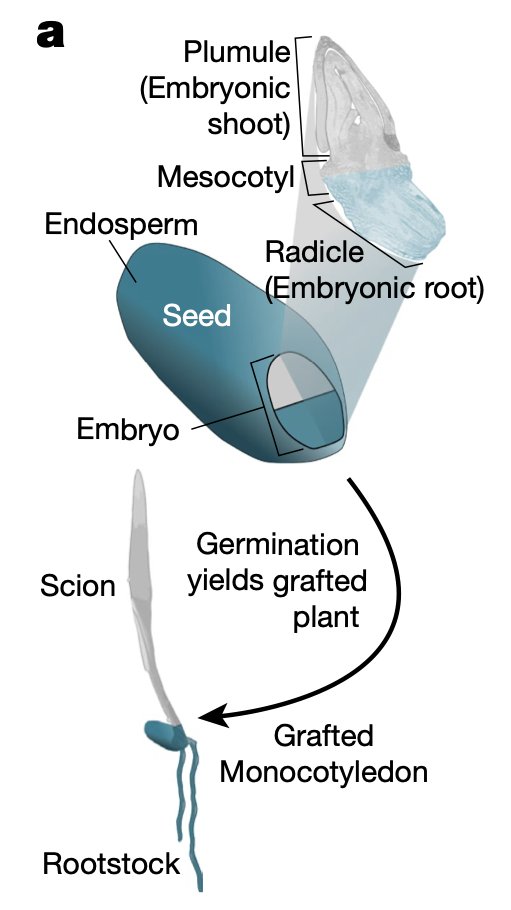
Monocotyledonous plants graft at the embryonic root–shoot interface https://t.co/NeGQD3TX5e
Our latest summarises attempts to combine C3 and C4 genomes to generate variation. And ideas about what could be learned from analysis of intraspecific variation in C4 traits.
Using breeding and quantitative genetics to understand the C4 pathway https://t.co/NHEViGZjZO
@Sealdiver can you recommend any good books about grey seals? Really keen to know more about their habits, biology, etc. I prefer more technical/science related. Any ideas would be great!