Le monde devient de plus en plus compétitif.
Seul, tu avances lentement.
Avec les bonnes personnes, tu peux changer toute une trajectoire.
Le plus difficile n’est pas de trouver des ressources.
C’est de trouver des alliés compatibles.
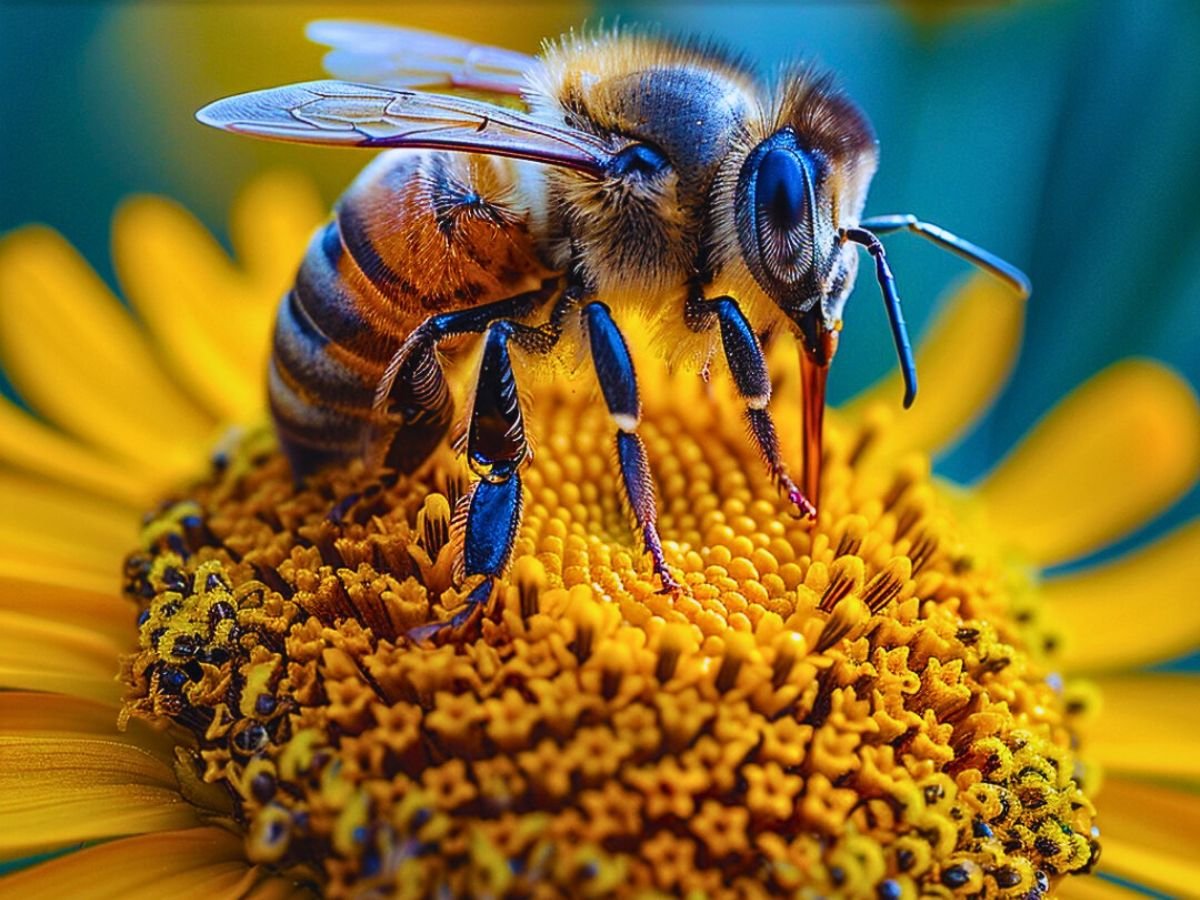
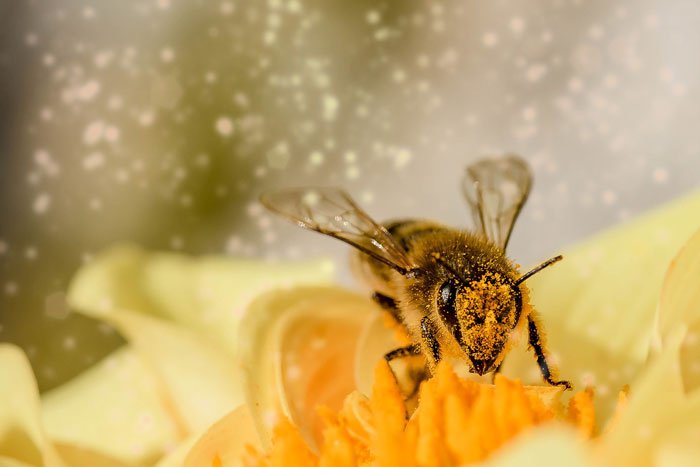
A tiny bee just did what chemotherapy couldn't.
Scientists in Australia discovered that honeybee venom can wipe out 100% of aggressive breast cancer cells in under 60 minutes.
And the healthy cells around them? Barely touched.
The breakthrough came from Dr. Ciara Duffy and her team at the Harry Perkins Institute of Medical Research, working alongside the University of Western Australia.
They tested venom drawn from 312 honeybees and bumblebees across Australia, Ireland, and England.
The target: triple-negative breast cancer and HER2-enriched breast cancer. Two of the deadliest, most stubborn forms of the disease.
The weapon: melittin. The same tiny peptide that makes a bee sting burn.
At one specific dose, melittin tore through cancer cell membranes completely within an hour. Within just 20 minutes, it shut down the chemical signals cancer cells need to grow and multiply.
Bumblebee venom, which lacks melittin, did nothing. Zero effect, even at high concentrations.
Scientists then recreated melittin synthetically in the lab and got almost identical results, meaning no bees need to be harmed to develop the therapy.
Published in the peer-reviewed journal npj Precision Oncology, the findings are still early-stage. Human trials haven't happened yet.
But one thing is clear. Nature has been hiding answers in plain sight all along, sometimes inside the smallest creatures on Earth.
Source: Harry Perkins Institute of Medical Research / npj Precision Oncology (Dr. Ciara Duffy et al.)
@LynnGedeon Les économies intelligentes transforment leurs déchets en industrie.
Ce que certains appellent fatra, d’autres l’exportent comme matière première.
@bfmtech_@sanzdidier@Fsorel La vraie question n’est pas seulement la fabrication des GPU,
mais la capacité à maîtriser toute la chaîne de valeur sur le long terme.