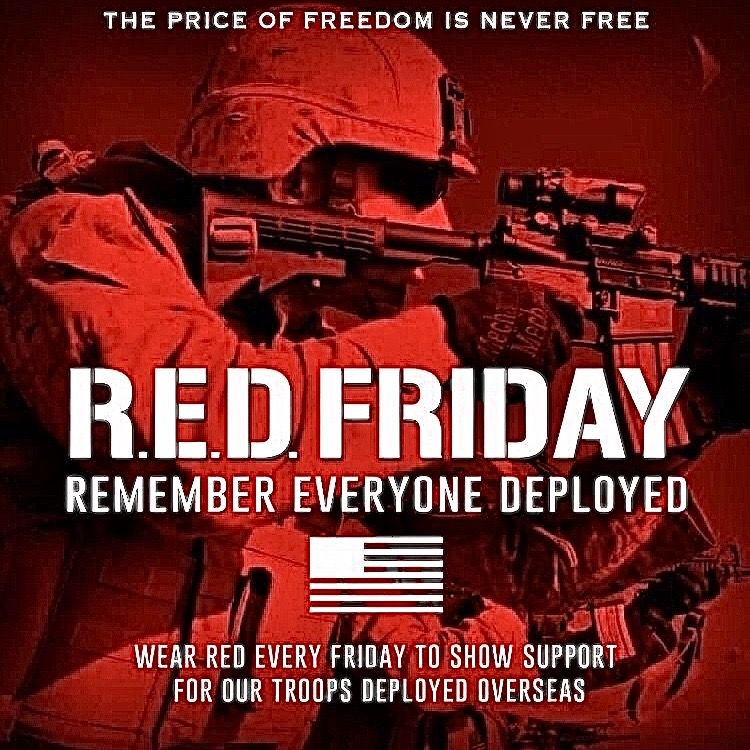
HIRE A VETERAN! Did you know the Special Employer Incentive program can reimburse an employer for up to 50% of a Veteran’s salary for up to 9 months?
Learn more about benefits in the 2026 Veterans Benefits Guide: https://t.co/WEPRmugKrg
HIRE A VETERAN! Did you know the Special Employer Incentive program can reimburse an employer for up to 50% of a Veteran’s salary for up to 9 months?
Learn more about benefits in the 2026 Veterans Benefits Guide: https://t.co/WEPRmugKrg
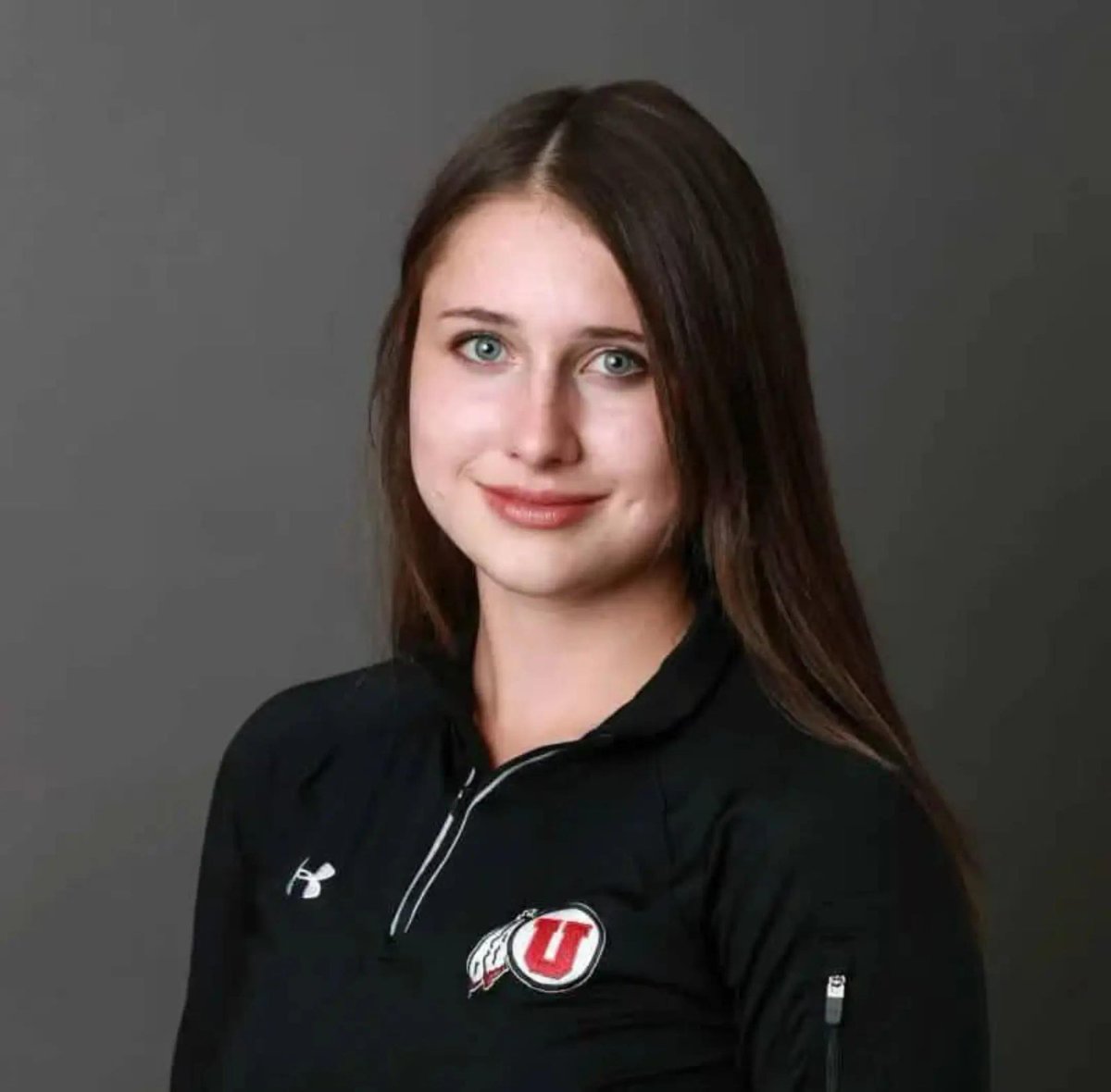
Lauren McCluskey did everything she was told to do. She still died.
She was a 21-year-old University of Utah track athlete and honors student. In October 2018 she briefly dated Melvin Shawn Rowland. When she discovered he had lied about his age and identity and was a registered sex offender on parole, she ended it.
The harassment continued. He threatened to release intimate photos unless she paid him. She reported the extortion and harassment to campus police multiple times, handed over messages and the photos as evidence, and asked for help.
Days before she was killed, an officer assigned to her case, Miguel Deras, displayed those private photographs to at least three male coworkers.
An independent Utah Department of Public Safety investigation later found the displays were not for legitimate investigative purposes.
Officers made unprofessional comments; one account described Deras saying he could look at the images whenever he wanted. The university only learned of the misconduct after media reporting, well after her death.
On the evening of October 22, 2018, Lauren was walking back toward her dorm while on the phone with her mother. Her mother heard her scream.
Rowland confronted her in a campus parking lot, forced her into a vehicle, and shot her multiple times. Officers located her after her father called, but she was already dead.
Rowland later died by suicide as police closed in.
Subsequent reviews documented serious failures in how university police handled her reports—delays, failure to properly check his status as a parolee and sex offender, and an overall minimization of the threat.
In 2020 the University of Utah settled with her family for $13.5 million ($10.5 million to the parents and $3 million to the Lauren McCluskey Foundation). The university publicly acknowledged that it had failed her and that her death was preventable.
Her family has continued advocacy through the foundation and Lauren’s Promise, an effort focused on campus safety and supporting victims. Eight years later she would be 29.
Instead, her parents and those who knew her are left marking the life she never got to finish.
When someone repeatedly reports stalking, harassment, and extortion and provides evidence, should law enforcement be required to take stronger protective steps before the situation escalates?
Lauren followed the advice victims are routinely given. She reported it. She supplied proof. She asked for help. It was not enough. 💔
On the morning of October 23, 1983, a suicide bombing carried out by Iran-backed Hezbollah destroyed the U.S. Marine barracks in Beirut, killing 299 people. The casualties included 241 U.S. Marines and Sailors, representing the Marine Corps' highest single-day loss of life since the Battle of Iwo Jima.
WE NEVER FORGET! 🇺🇸
On Oct. 23, 1983, a suicide truck bomber attacked the Battalion Landing Team headquarters in Beirut, killing 220 Marines, 18 sailors and 3 soldiers. Marine veteran and DAV member Keith “EZ” Ezell was among the survivors of the peacekeeping mission in Beirut.
Later in life, though, he would face an invisible foe lurking within his own body. An aggressive form of bladder cancer had been waging a secret war against him.
In his time of need, Ezell was able to turn to a fellow Marine veteran of Beirut and DAV benefits advocate Don Inns.
Read the full story, “Beirut veterans continue struggle after 40 years,” at https://t.co/hADVVpDkIh.