We are still recruiting for our psilocybin for early-stage Alzheimer's research study 👥
The study investigates whether psilocybin, a psychedelic substance found in some species of mushrooms, can help relieve depression in people with early Alzheimer’s disease when given in a safe and supportive setting. https://t.co/7xZV24aLzC
Minogue & Zouridakis et al. studied the brains of people with dementia and FTLD-PSP or FTLD-CBD. They found that PSP and CBD show distinct patterns of selective vulnerability, with tau pathology predominantly affecting glia in PSP and neurons in CBD. https://t.co/WGAU3ZH4ae
Scientists just captured the exact moment Alzheimer ’s-linked proteins start clumping in the brain.
Using real-time molecular tracking, researchers at Oregon State found that copper ions can drive amyloid-beta aggregation and that certain chelators can actually interrupt or reverse the process.
Why it matters: Most studies only see the damage after it happens. This work shows the reaction step by step, giving scientists a clearer path to design targeted treatments.
Still early stage, but understanding how and when these protein clumps form could change how we treat Alzheimer’s.
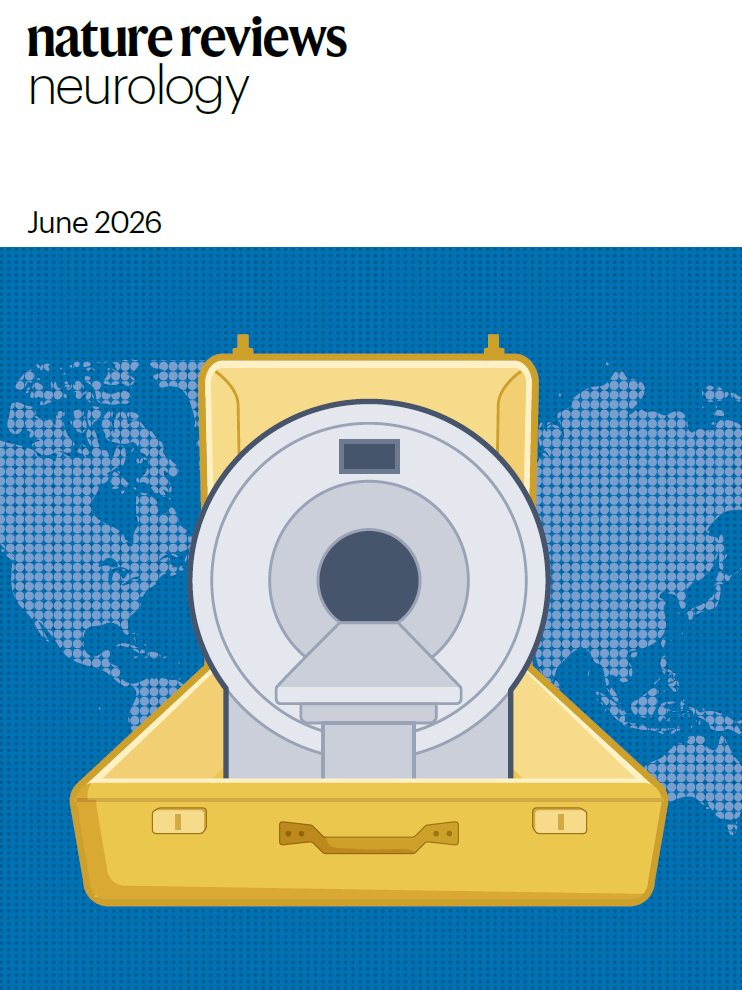
Our June issue, which includes articles on chronic traumatic encephalopathy, plasma biomarkers for Alzheimer disease, and the long-term neurological effect of SARS-CoV-2 infection, is now live! https://t.co/HCmnpdCtKO
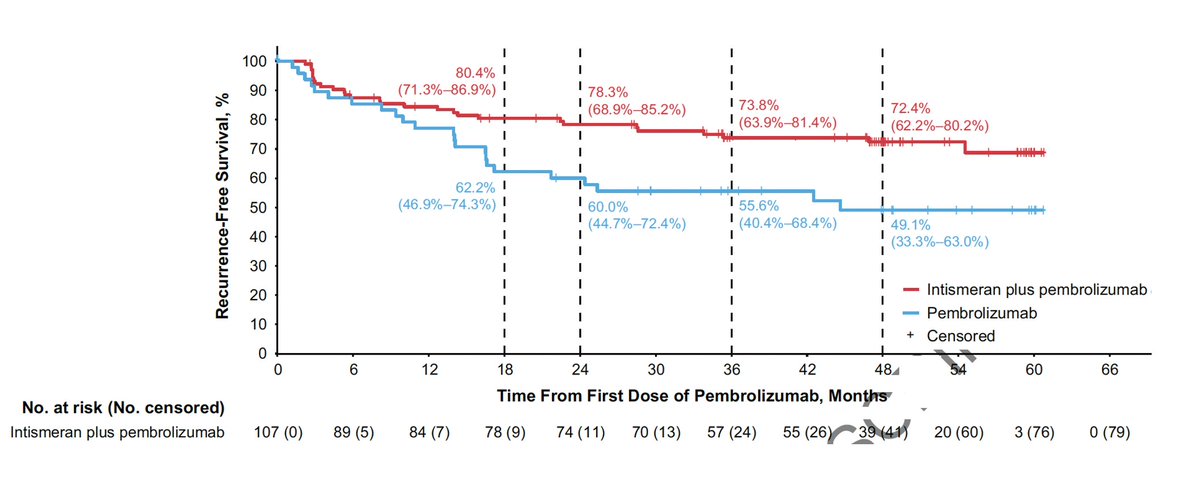
Another major advance vs cancer! @ASCO#ASCO26
Personalized neoantigen mRNA vaccine 5 year follow-up vs metastatic melanoma reduced recurrence and death by 49% (on top of Keytruda)
https://t.co/NadITTYIT2
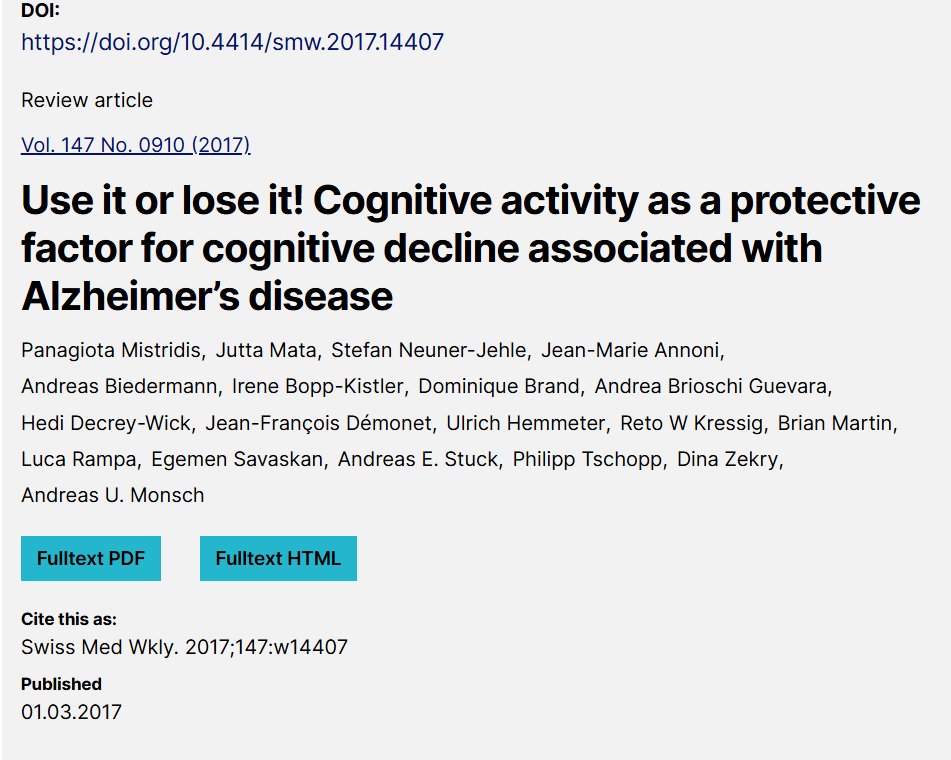
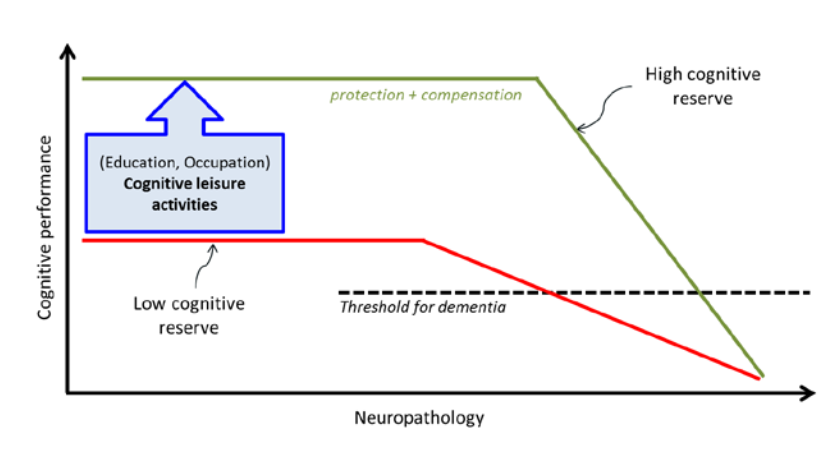
The people most at risk cognitively are not the people who stop working.
They're the people who stop learning.
Your brain was designed to adapt to challenge. Remove the challenge, and the neural systems responsible for adaptation begin to lose efficiency.
Cognitive reserve is built through demand, not comfort.
The class divide isn't just about money. It's about neighborliness. College grads are dramatically more likely to share a social evening or stay in touch w/ the people next door. Less-educ Americans are more economically struggling & more socially isolated.
Former @NHLBruins enforcer Lyndon Byers had stage 3 CTE. It’s heartbreaking, but sadly, it’s not surprising.
For years, the science has continued to grow while NHL Commissioner Gary Bettman continues to deny the link between repetitive head impacts in hockey and CTE.
Researchers at @bu_cte have now diagnosed CTE in 19 out of the 20 former NHL players they’ve studied.
This is not about attacking hockey. It’s about telling the truth, supporting players, and making sure the next generation doesn’t suffer in silence because the people in power refused to listen.
UC STEM faculty are absolutely right, and this change is long overdue.
We’re doing our kids a disservice and putting at risk the reputation of the world’s best public university system. As Governor, I’ll bring back SAT/ACT scores as part of the admissions criteria for STEM degree applicants.
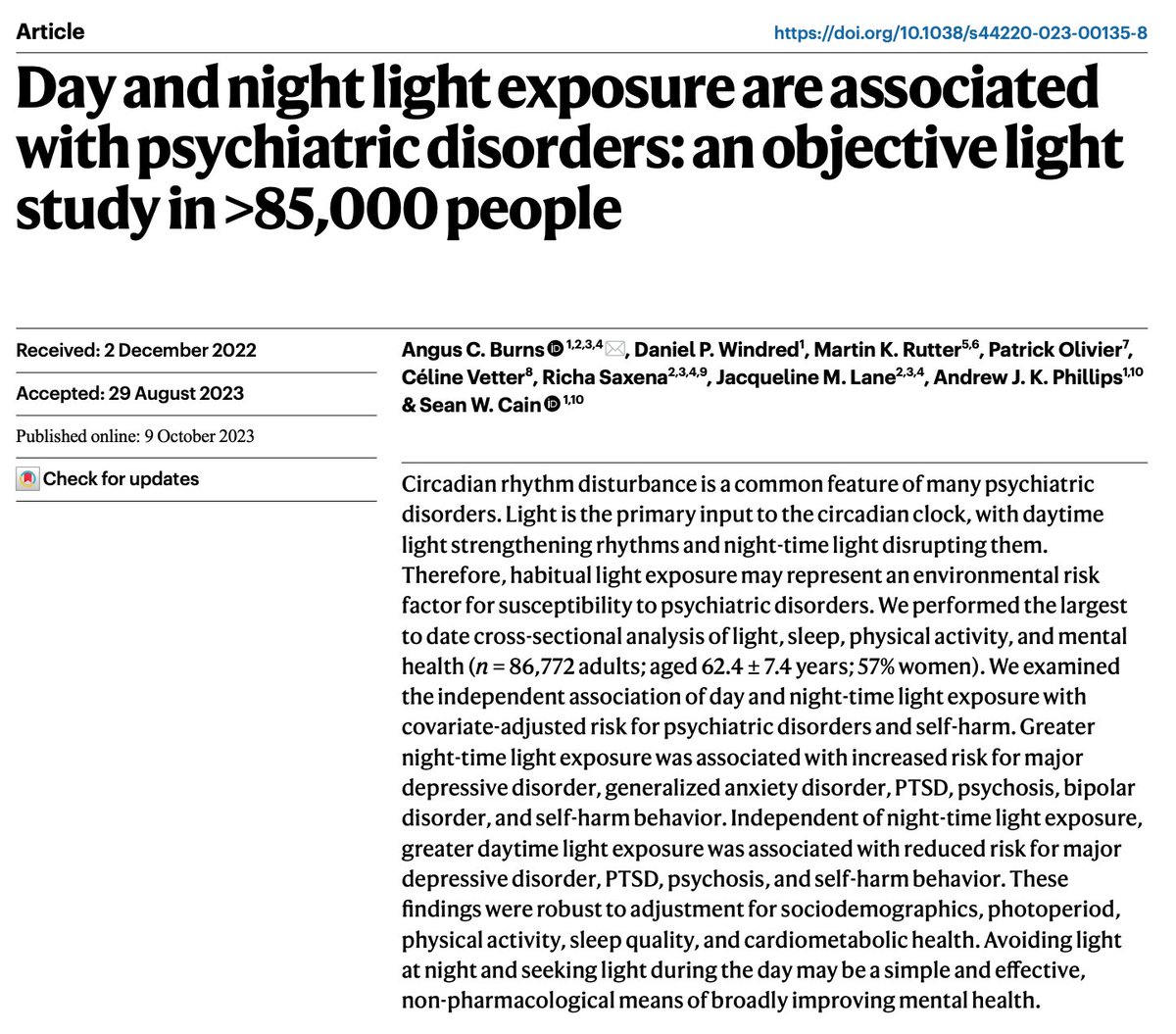
We were built for bright days and dark nights.
Among 86,772 adults, more light at night was linked to higher odds of depression, anxiety, PTSD, psychosis, bipolar disorder, and self-harm.
Respecting our natural rhythms is one of the lowest hanging fruits for mental health.
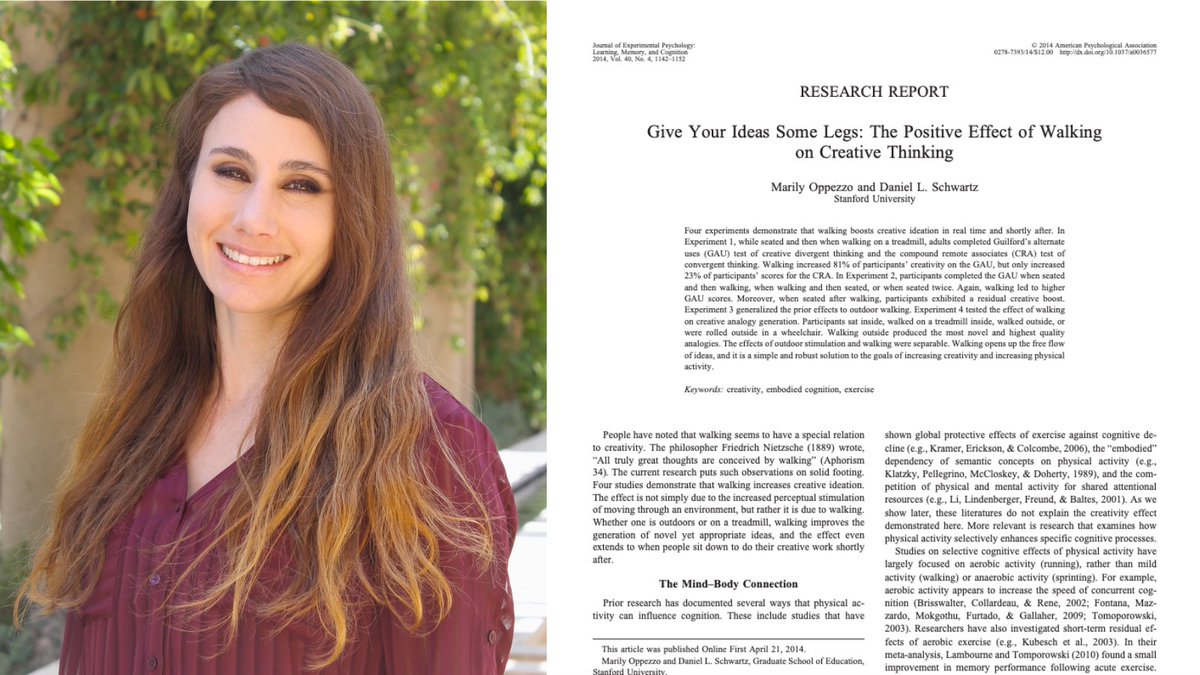
A Stanford psychologist spent 4 years proving that the simple act of walking generates 60% more creative ideas than sitting, and the experiment she designed to kill every alternative explanation is one of the most decisive findings in modern psychology.
Her name is Marily Oppezzo.
She got the idea for the study while walking with her advisor at Stanford to discuss her thesis topic, and the paper she eventually published in the Journal of Experimental Psychology in 2014 is sharp enough that it should have ended the seated meeting on the day it came out.
She ran 4 experiments on 176 people. Same person tested twice. Once sitting, once walking. The creativity tasks were the standard ones psychologists have used for decades to measure how good a brain is at generating novel useful ideas.
The result was almost too clean to publish.
81% of participants in the first experiment produced more creative ideas while walking than while sitting. In the second experiment, 88%. In the third, 100%. Every single person walked into a more creative version of themselves.
On average, people generated 60% more novel useful ideas the moment their legs started moving.
The skeptical question is the obvious one. Maybe it was the fresh air. Maybe it was the scenery passing by. Maybe it was the change of environment doing the work, not the walking itself.
Oppezzo killed every one of those explanations with one experimental decision.
She put people on a treadmill facing a blank wall. No scenery. No fresh air. No environmental change. Just legs moving in place while staring at white drywall. The 60% boost held.
Then she ran the experiment that closed the case completely. She took participants outside in two conditions. Half of them walked through a Stanford courtyard. The other half were pushed through the exact same courtyard in a wheelchair. Same outdoor stimulation. Same scenery passing at the same speed. The only difference was whether the legs were moving.
The walkers produced dramatically more novel high-quality ideas than the wheelchair group. The outdoors did almost nothing on its own. The walking did everything.
This is the part of the study that hit hardest when I read it the first time.
She also tested the opposite kind of thinking. Convergent thinking. The kind where there is one right answer and you have to narrow down to it.
Word puzzles where 3 words share a hidden fourth word that connects them. The seated participants did slightly better on these. Walkers got slightly worse.
Walking is not a general intelligence enhancer. It does one specific thing. It opens up the divergent search inside your brain. The part that generates options. The part that produces unexpected connections. The part that takes a problem and finds five ways into it instead of one.
When you need to converge on the single right answer, sit down. When you need to find the answer in the first place, get up.
The mechanism is now well understood. Walking selectively activates what neuroscientists call the default mode network, the system inside your brain that runs when you are not consciously focused on anything. The DMN is where mind-wandering happens. Where memories cross-reference each other. Where ideas that have been sitting in separate folders inside your head finally bump into each other.
When you sit at a desk and force yourself to concentrate, you suppress the DMN. When you walk at a natural pace, the executive part of your brain gets just busy enough handling the walking that the DMN comes online and starts doing the work that focus was blocking.
The most useful finding in the entire paper is the one almost nobody quotes.
The boost did not turn off the moment people stopped walking. Participants who walked first and then sat back down stayed elevated. Their next round of seated creativity work was still significantly better than people who had been sitting the whole time. The rest lingered for at least several minutes after the legs stopped moving.
You do not need to do creative work while walking. You need to walk before the creative work. The brain holds the state.
The history of this is the part that should haunt anyone who still does meetings in chairs.
Charles Darwin built a gravel loop behind his house in Kent called the Sandwalk and walked it 3 times a day for the rest of his life. The theory of evolution was developed one lap at a time on that path.
Nietzsche walked up to 10 hours a day during the years he wrote his most important books and openly said the work was conceived on his feet.
Beethoven composed for the morning and walked for 5 hours every afternoon with a pencil in his pocket for when something landed.
Kahneman said the best thinking of his Nobel Prize-winning career happened on leisurely walks with Amos Tversky. Steve Jobs refused to take important conversations sitting down. He held them on foot.
Every one of them was using the system Oppezzo would not measure until 2014. They just did not know what to call it.
The question worth sitting with is the one almost nobody asks.
Every meeting you have ever attended sitting around a table was a meeting held at a fraction of the brain power that was actually available to the people in the room. Every brainstorm that got stuck inside a conference room. Every problem you tried to solve at a desk and gave up on. Every idea you could not quite get to.
The intervention is the easiest one in modern science. No supplement. No app. No subscription. No training program. Just a pair of legs and 15 minutes.
The Stanford lab proved it. The philosophers knew it. The neuroscience explains it.
And almost everyone reading this is still trying to think their way out of problems sitting completely still.
Most people think the benefit of walking is cardiovascular.
That is only part of the story.
Walking increases cerebral blood flow to the prefrontal cortex, the region responsible for probabilistic thinking, impulse control, strategic planning, and cognitive flexibility.
The same functions that determine whether someone compounds capital intelligently over decades.
A 2021 cohort study found that adults taking ~7,000 steps per day had a 50% to 70% lower mortality risk compared with those below that threshold.
But the more important point is this:
Movement preserves the brain that makes the decisions.
Your portfolio is downstream of your nervous system.
Anxiety sensitivity and intolerance of uncertainty track distinct neurobehavioral dimensions of avoidance in anxiety-related disorders
https://t.co/xxyy8LFuuG