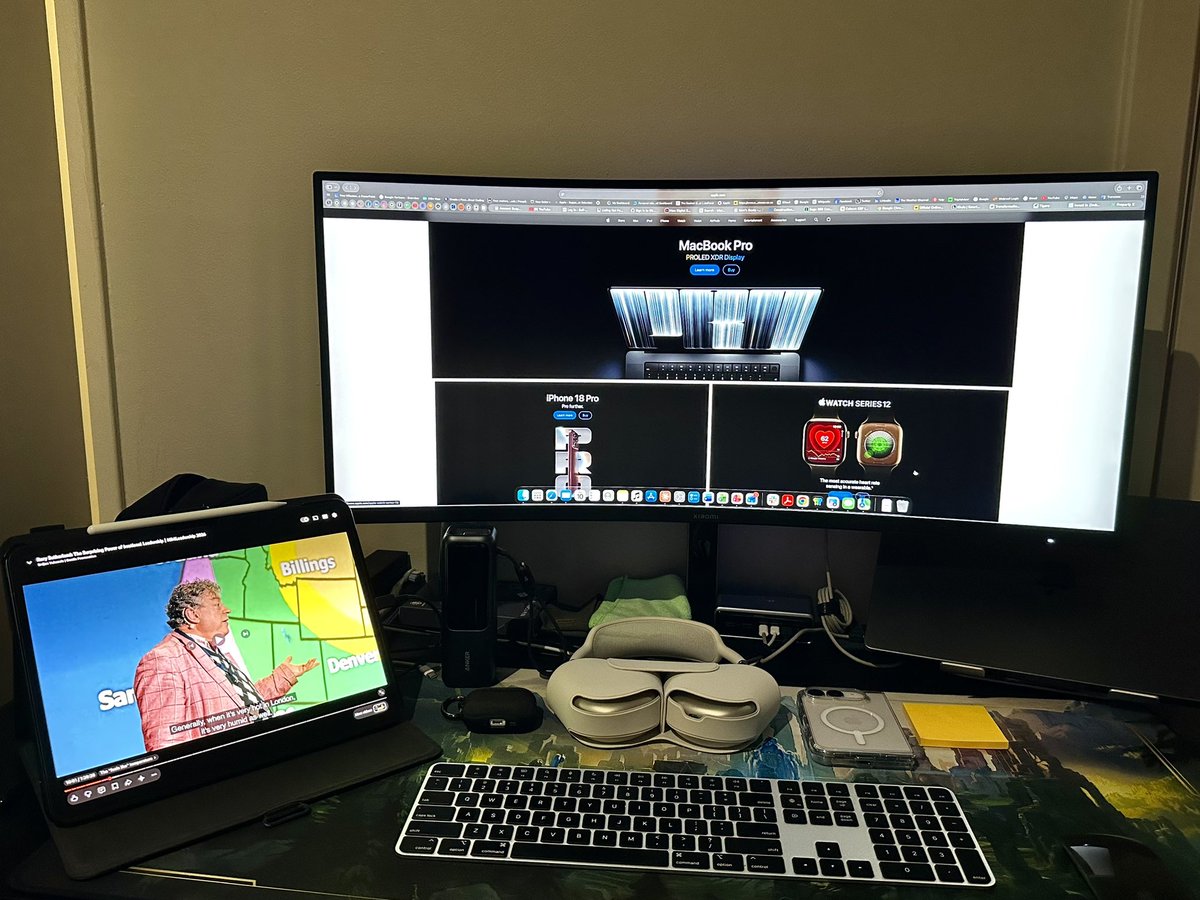
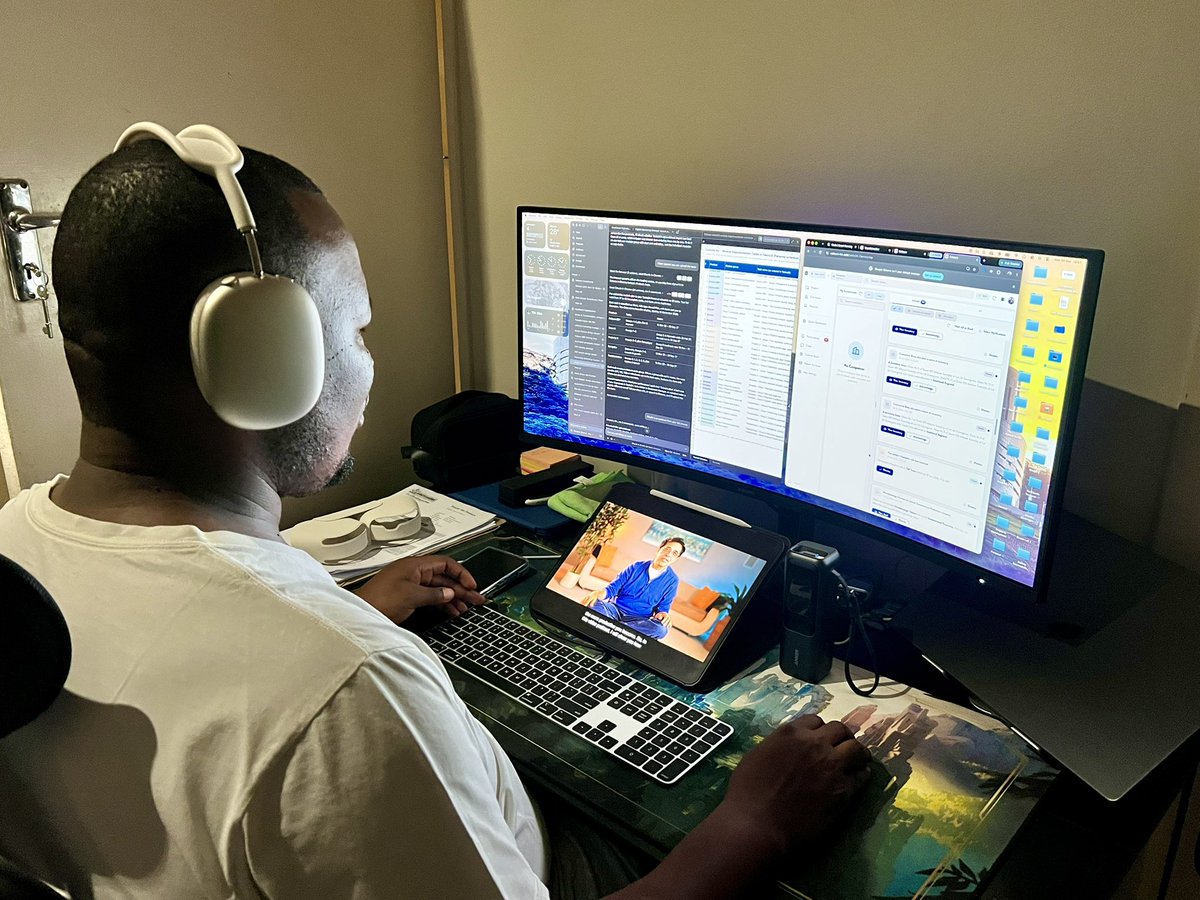
There’s something about this space that feels uniquely mine. It’s where I find my focus, get lost in thought, challenge my own thinking, and turn random ideas into something meaningful.
A space where ideas take shape, possibilities are explored, problems are solved, and seemingly impossible things start becoming plans.
Between the screens, research, creativity and endless curiosity, this is where most of my ideas are born. It’s my personal thinking space, my creative laboratory, and probably where I spend some of my most productive hours.
Sometimes, the best things you build don’t start on a construction site. They start at a desk, with an idea and the willingness to explore it.
My favourite place to think, create, learn and build what comes next.
Yes, we want Zupco to be profitable, but in most countries public transport is not built for profit. Governments typically keep fares below cost so people can afford to travel.
I know a few systems that are profitable, such as the Hong Kong MTR, where most revenue comes from property rather than fares. They apply the concept of land value capture, which works well in their favor.
Thing about ZUPCO is they get buses. Run them down, and make losses. Then they get more buses. Repeat. Just privatise it, the government has no business running a bus company
Book 13/24 📚 | The Courage to Be Ordinary – Ichiro Kishimi
Some books entertain you, some teach you, and others quietly challenge the way you see yourself and the world. This was one of those books for me.
As I turned the pages, I found myself reflecting on how much of our lives can be shaped by the need to be accepted, appreciated, recognised and validated by others.
It made me ask myself a few uncomfortable but important questions: How often do I measure my progress against someone else’s journey? How much energy do I spend worrying about how others perceive me? And am I sometimes so focused on becoming someone remarkable that I forget to appreciate who I already am?
One lesson that particularly resonated with me is that I don’t have to be extraordinary to have a meaningful life.
I am learning that growth doesn’t always have to be loud, visible or applauded. Sometimes it is found in choosing peace over approval, authenticity over expectations, and purpose over comparison.
This book reminded me that I can still be ambitious, have big dreams, pursue excellence and strive to make an impact without making my worth dependent on any of those things.
Perhaps the real courage is allowing myself to be enough, while still giving myself permission to grow.
I am taking away a reminder to live more intentionally, worry less about other people’s opinions and focus on the contribution I make in my own little corner of the world.
@Savheya_Happie One thing now boss is AI has leveled us all on this. I can do a prompt in Copilot or Cloud and get what you can spend hours working on.
I think you’re raising an important concern. Perhaps the real danger isn’t generative AI itself, but our willingness to outsource the thinking process to it. There’s a difference between using AI to expand your understanding and using it as a substitute for understanding. I see it as a tool that should enhance our ability to question, analyse and connect ideas, not diminish our responsibility to think critically. Ultimately, the quality of our thinking still depends on how deliberately we engage with it.
One AI tool that truly understands you is more valuable than five that don't. The more you use it, the better it understands how you think, works with you, and adapts to your needs. Over time, that familiarity translates into greater productivity.
That is a reasonable observation. Yet I believe there is a difference between an AI that grasps your preferences and one that merely echoes your views. The benefit of longterm use lies in context rather than compliance. You must still test its results, probe its assumptions, and invite contrary ideas. AI ought to refine your thinking instead of forming a closed loop.