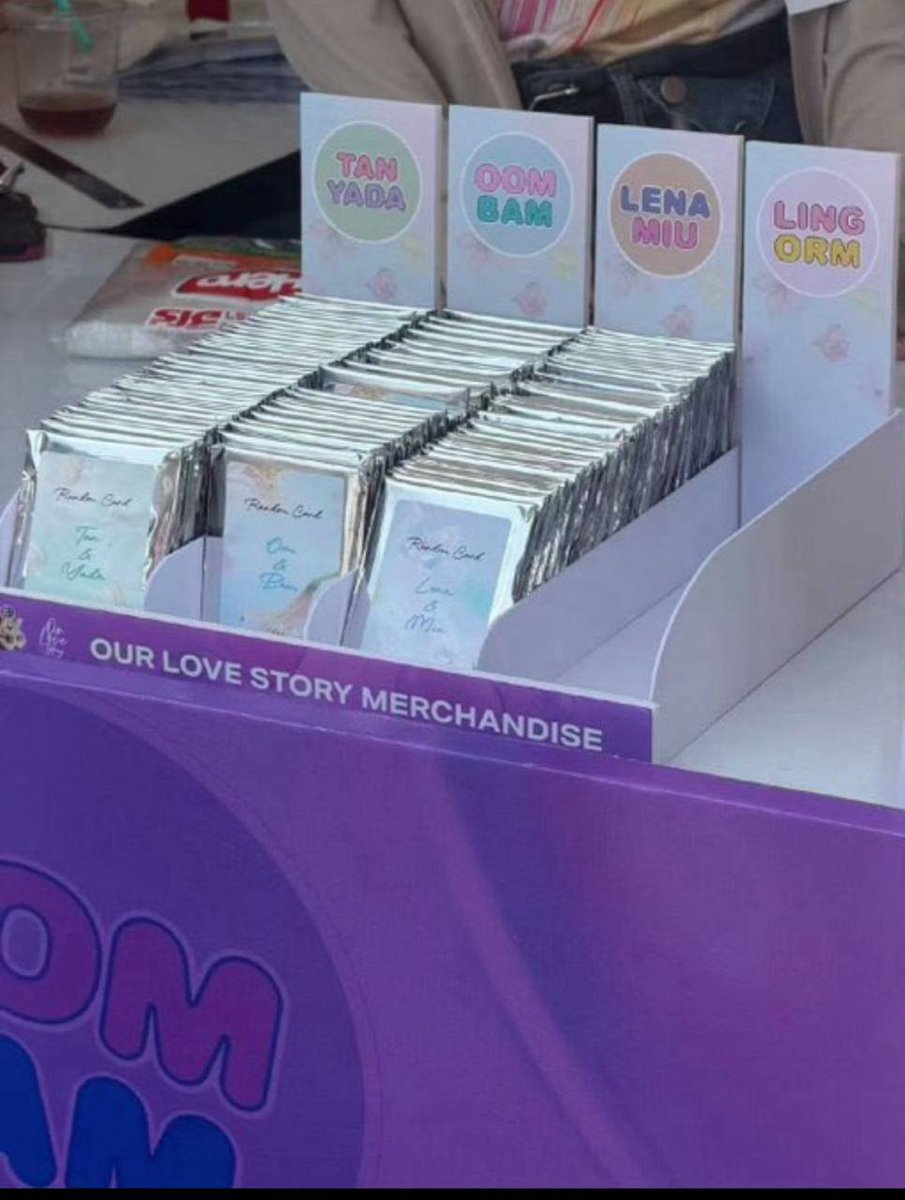
พี่ออมไปงาน OTOP ทุกปี แฟนคลับก็ไปหาทุกปี แฟนคลับทั้งคนไทย ทั้งคนต่างชาติก็ได้สนับสนุนสินค้าไทยตลอด sofr power มากๆ
ORM X YOUNG OTOP #ออมxกิจกรรมทดสอบตลาดOTOP
Có fan lại gặp P’Ling lúc đang xếp hàng mua đồ ăn nè =))) đúng là đi làm thì thôi, ngoài giờ làm việc mà gặp chị ấy thì chỉ có đi ăn một mình 😂
Cre: 胡言乱语日剂
The Share2Trade article actually highlights why LingOrm is strategically important to BEC, not because they can single-handedly solve declining TV ad revenue, but because they represent a proven commercial asset in a rapidly changing entertainment landscape.
LingOrm’s marketability goes far beyond ratings. They have established revenue-generating activities through fancons, merchandise, international appearances and multiple brand endorsements. More importantly, brands continue to invest in them because they see the value of the audience they bring.
And BEC should pay close attention to the consumer behaviour surrounding them.
When fans see brands genuinely supporting LingOrm, giving them strong campaigns and taking good care of them, fans notice. They see their idols being valued. That creates trust toward the brands, and that trust can translate directly into consumer spending.
It creates a powerful cycle:
LingOrm → brand investment → fan support → consumer spending → stronger brand confidence → more opportunities for LingOrm.
That is an ecosystem. And BEC already has the foundation.
What I don’t understand is whether BEC management is overlooking this, trying to prove something, or continuously looking for the next pairing by recreating what has already worked.
There is absolutely nothing wrong with developing new talent or new pairings. But creating something new should never mean neglecting something that has already demonstrated its ability to generate income, attract brands and build an international audience.
You don’t abandon a proven market simply because you’re developing another one. If anything, established IPs should receive more strategic attention because they already have the audience, recognition and commercial foundation.
LingOrm has built something that cannot simply be REPLICATED OVERNIGHT: audience loyalty, international visibility, brand relationships and a consumer ecosystem that continues to convert attention into spending.
BEC doesn’t need LingOrm to carry the company.
But if LingOrm is already generating measurable value across content, events, endorsements, merchandise and international activities, why wouldn’t management maximise an asset that is already working?
The entertainment business is ultimately about attention and converting that attention into sustainable revenue.
LingOrm already has the attention.
They already have the audience.
They already have the brands.
They already have the consumer behaviour.
So what exactly is BEC’s strategy?
Are they genuinely trying to build on LingOrm’s proven success, or are they continuously looking for ways to undermine it?
You don’t weaken what is already working just to prove you can build something new. You strengthen it—and then build more.
Because at some point, the question stops being:
“Can LingOrm succeed?”
They already have.
The real question is:
“Why does BEC keep acting like they haven’t?”
#LingOrm #หลิงออม