In one of the first practical newsgathering applications, @Reuters pilot with Canon and Starling Lab explores the use of an image authentication system from the point of capture to publication.
Learn more: https://t.co/WjycBKcrOn
In one of the first practical news gathering applications, @Reuterspictures have been working with Canon and Starling Lab to explore the use of an image authentication system from the point of capture to publication.
https://t.co/1OB3dGpabv
A strategic project I envisioned 4 years ago, to help journalists cover the real-world impacts of artificial intelligence tools, is now a new chapter in @APStylebook. My hope: it helps more people write about these technologies accurately + in depth.
Controlling an invasive shrimp in Lake Tahoe might be the "missing piece" to restoring the lake's famous water clarity, which has gotten steadily worse since the 1960s https://t.co/SjtRQRDMVn
In our research we found that women were told they were too young to lead, too old to lead...and middle age wasn't quite right either. As it turns out no age is the right age to be a woman leader. See my latest @HarvardBiz article for solutions.
https://t.co/j1zcrvbLLZ
Could this move have been done to avoid antitrust scrutiny? Google Registry partners with other registrars and it might have been problematic for Google’s own registrar to compete with them https://t.co/2SqnQd0NCG
What does your choice in a romantic partner have to do with your career? According to these experts, more than you might think. https://t.co/6mBjpkvLJJ
For an overview of the series, check out the letter from out editors @grimesa and @pbkauf. They detail each piece and share more about the motivates and takeaways. Don't forget to comment in-line your thoughts! https://t.co/TJp1oYuUBZ
In this auditory experience, Christine Sweeney takes us through the mixtape Pure Moods and reminds us of the powers physical media can have on our thoughts and actions. https://t.co/ESSJGq8xHA
In a very digital world, it's tough to escape the algorithms that seem to dictate so much of our lives. But "we can choose differently when we go to a bookstore and wander the shelves, picking up the books that call to us. That's our curiosity."
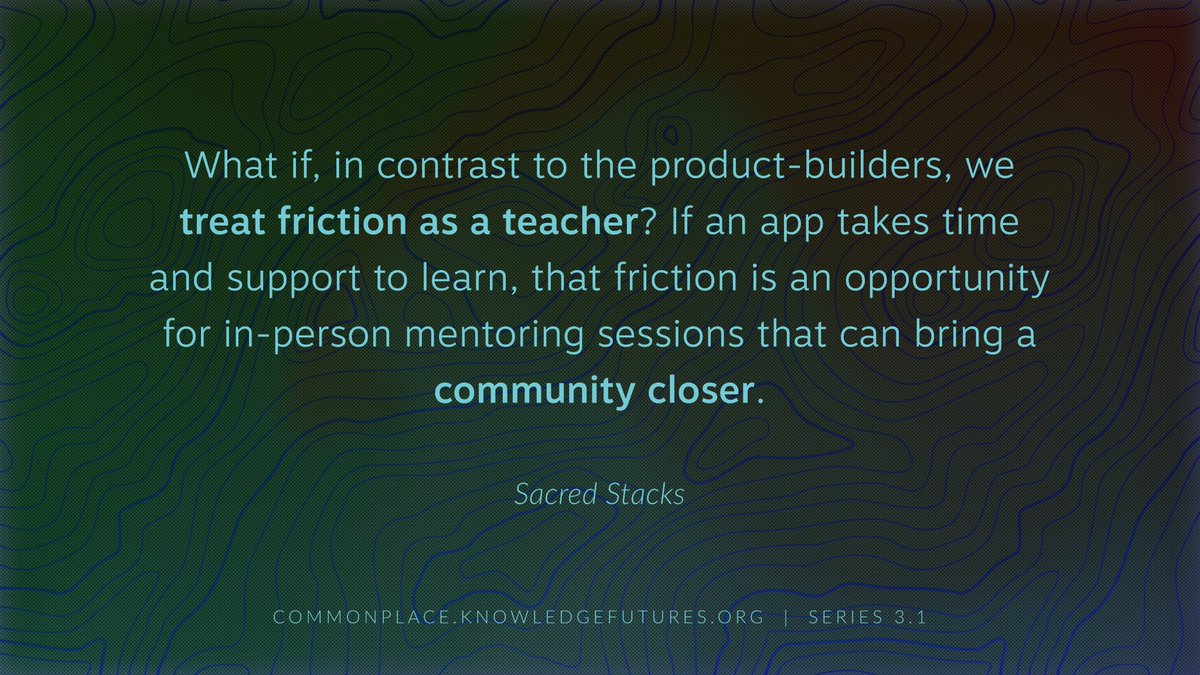
Sacred Stacks of @MEDLabBoulder describes the #magic of technology and how tech-companies seek to reduce friction (that extra click), and instead invites us to increase the technological friction to make us slow down and realize the communal and sacred. https://t.co/TPIBgRUzuv
In the piece, he describes a project that uses synthetic media to show the experiences of WWII concentration camps. While a powerful story, what could this tech do in the hands of neo-N*zis who wish to write their own narrative?
First up in our series, "The Challenge to the Photographic Record: A Reflection" by Fred Ritchin. In it, he compares the narratives of photography and #synthetic imagery.
https://t.co/RJwQ861nCH
Great to see this report by @OfficeofEdTech , and all great and thoughtful recommendations. An area that wasn't as emphasized -- but I'd love to see @usedgov focus on more in the future -- is the use of AI for accommodations for students with disabilities.
I break down the problem of trust into labor, information, and usage asymmetries, and suggest ways in which we can address them. https://t.co/ecxpiylcYu
Check out my latest piece in @commonplace_kfg: "In Open We Trust?: Building trust in the open source software ecosystem"
https://t.co/ecxpiylcYu
#opensource