I’ll be speaking about AI, business models, and investments at a Japanese-European event at @VU_LT this Thursday: building AI teammates, AI experts, personal AI twins, and control of data for private AI.
#AI#genAI#data#AITwin#AIteammate#AIexpert#conference#Vilnius
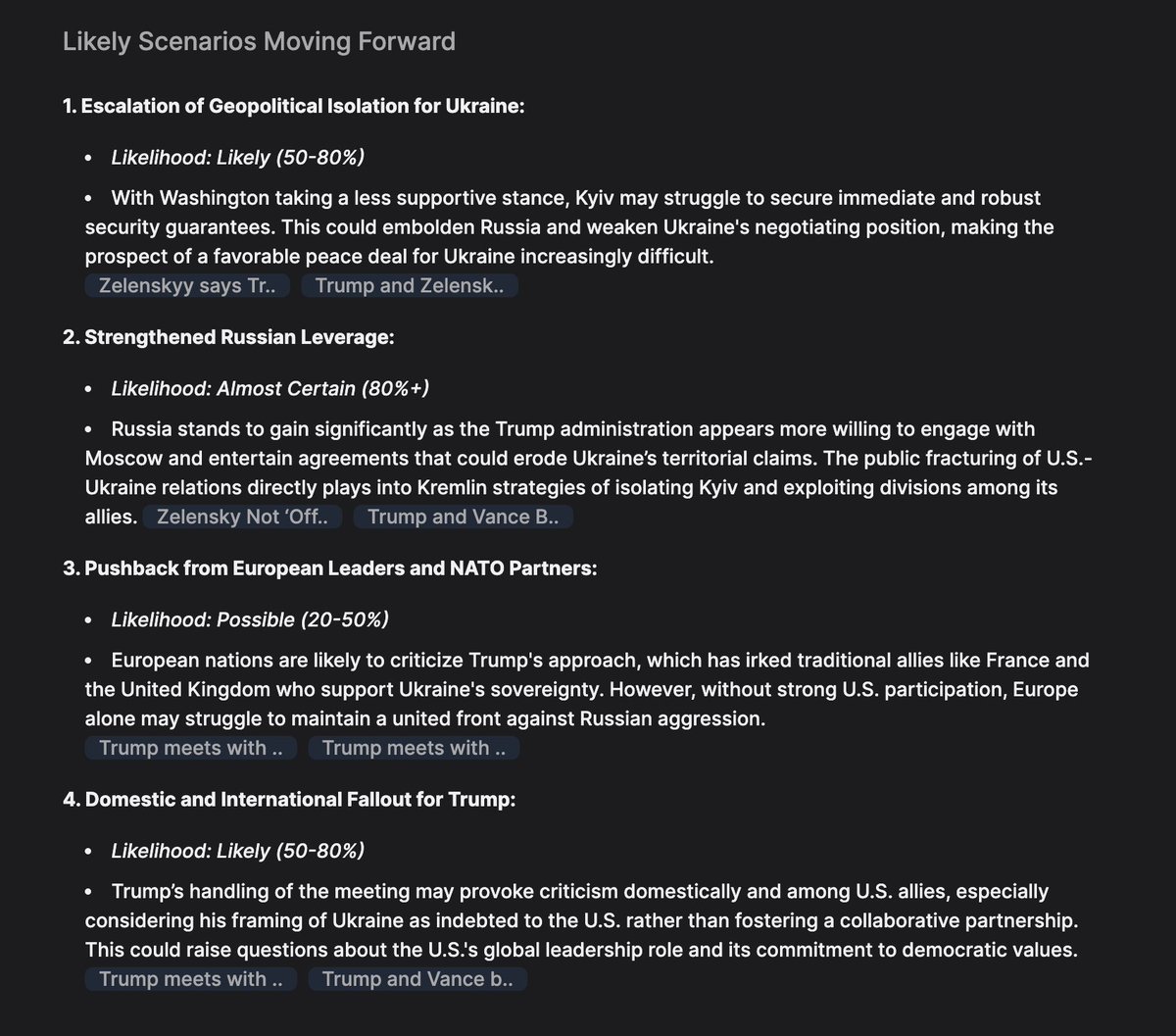
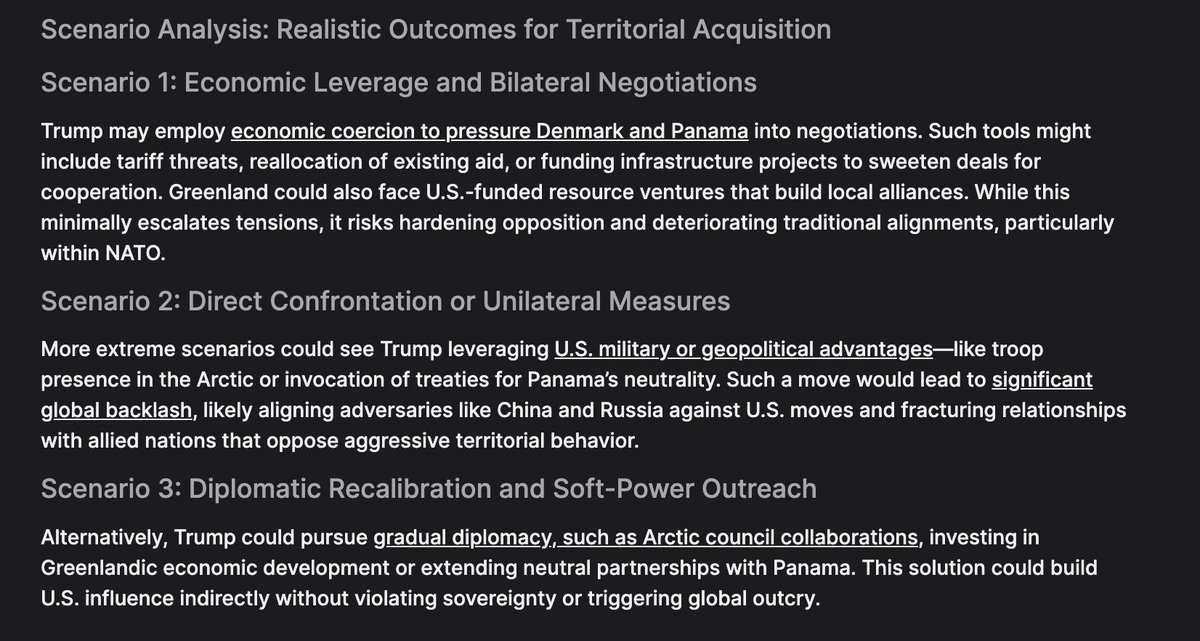
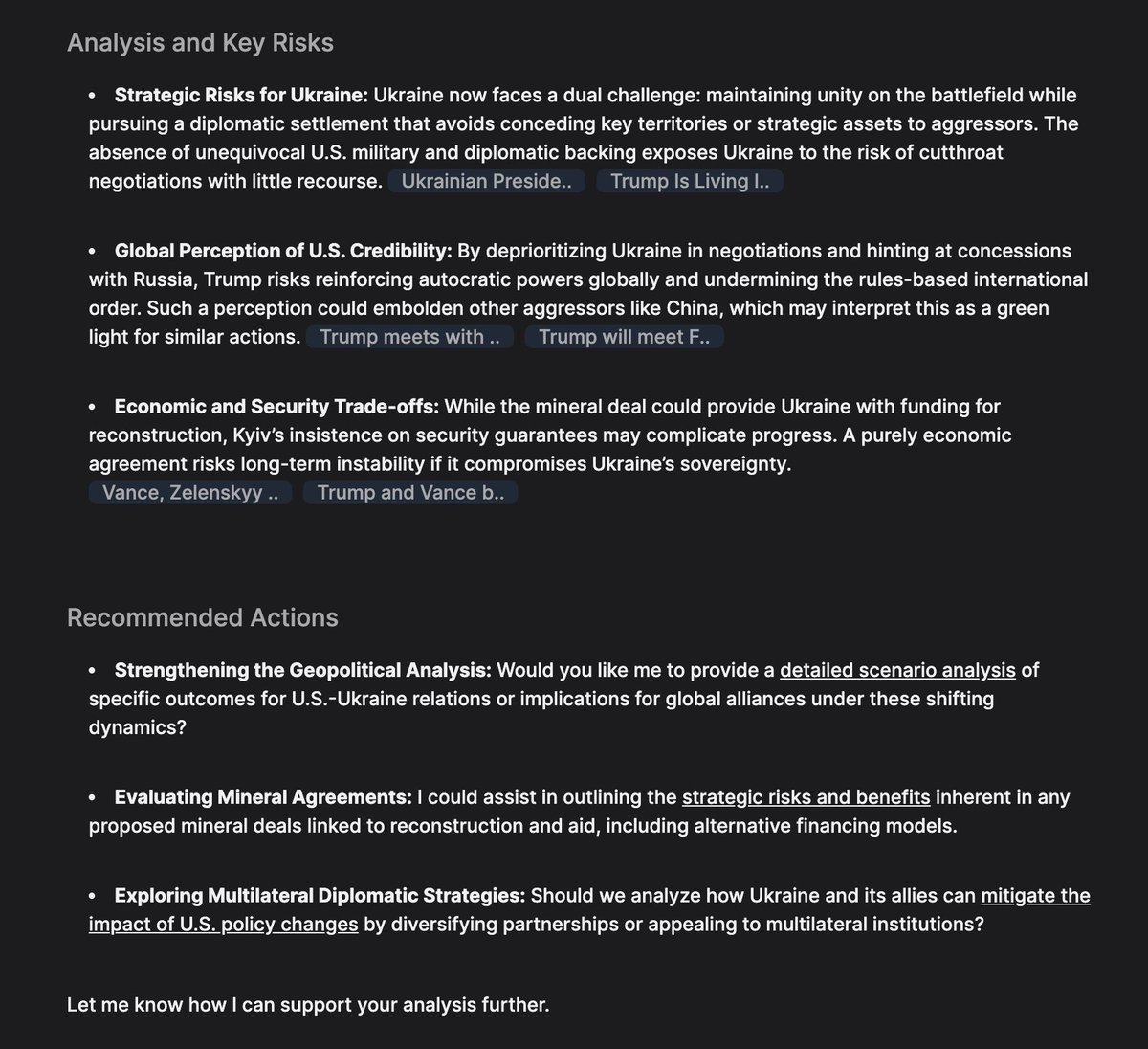
A very quick analysis based on Germany's election result forecasts. The analysis is done by @MissionGrey's geopolitical AI service, which can also provide much deeper and more detailed analyses.
#Germany#GermanyElections#defense#EU#NATO
For years, we’ve been told that creativity would save us from the machine takeover. Routine jobs? Easily replaced by automation. But creative roles? Safe. Or so we thought. Now, as AI storms into creative industries with unprecedented force: were we fooling ourselves? https://t.co/D3snWnDIGi
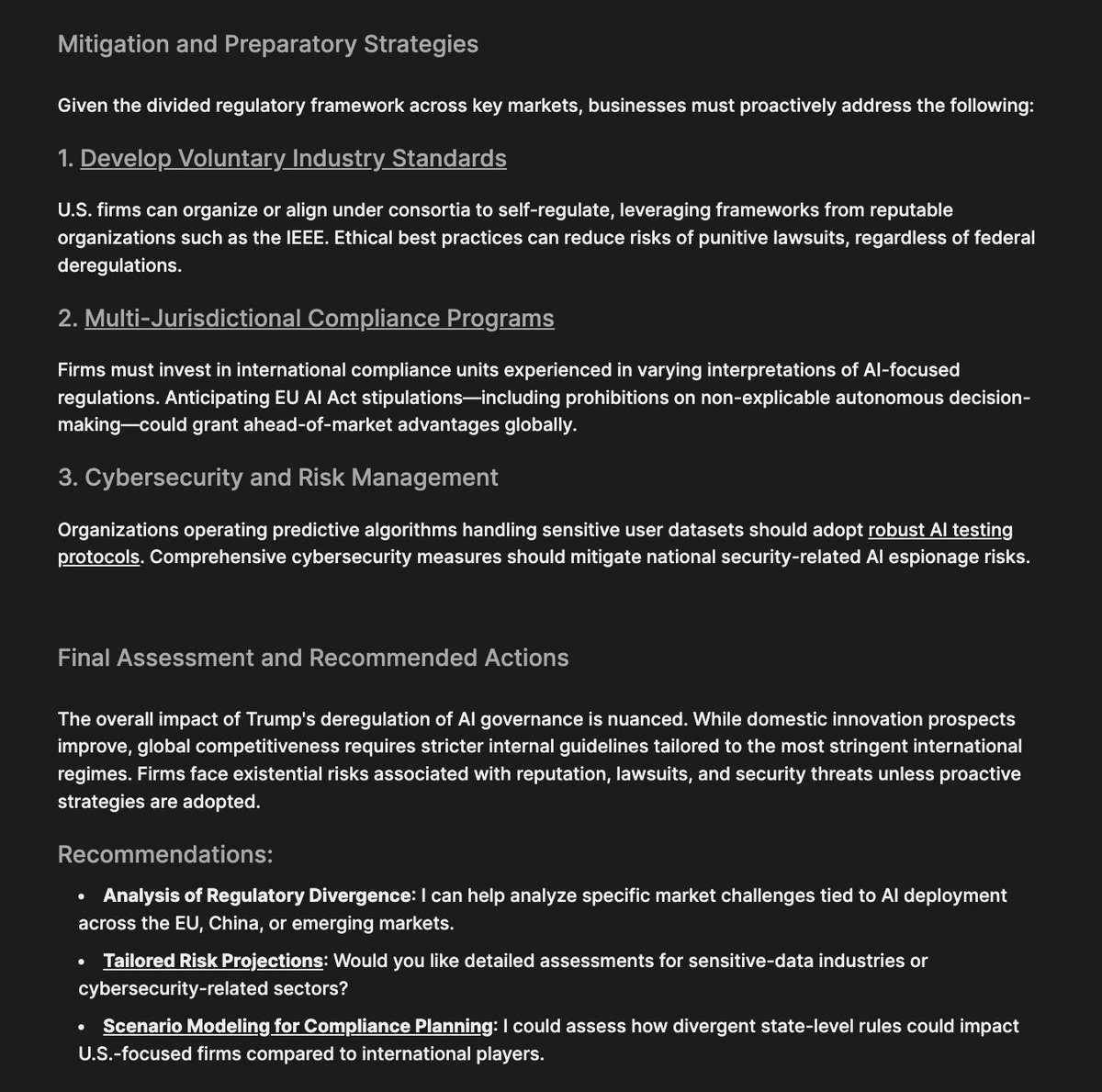
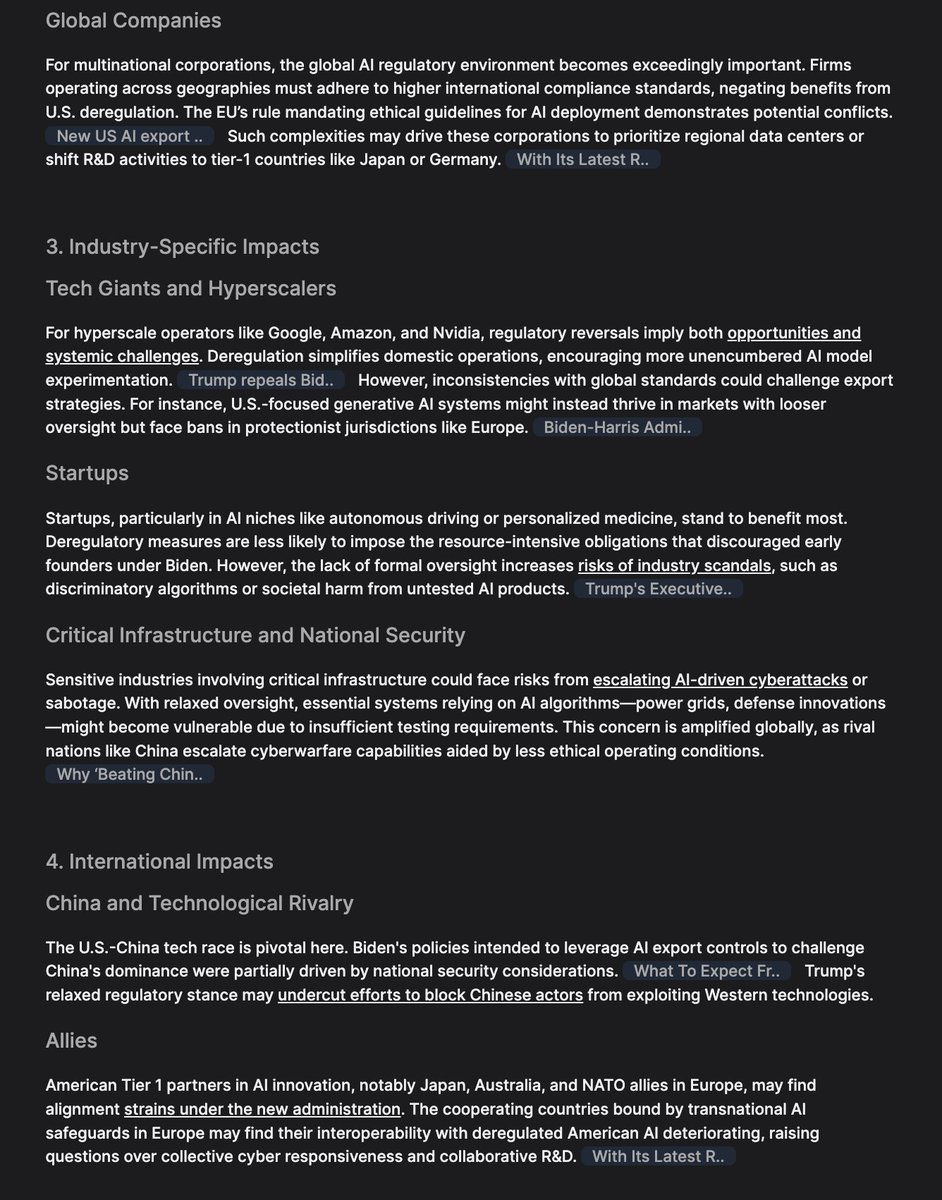
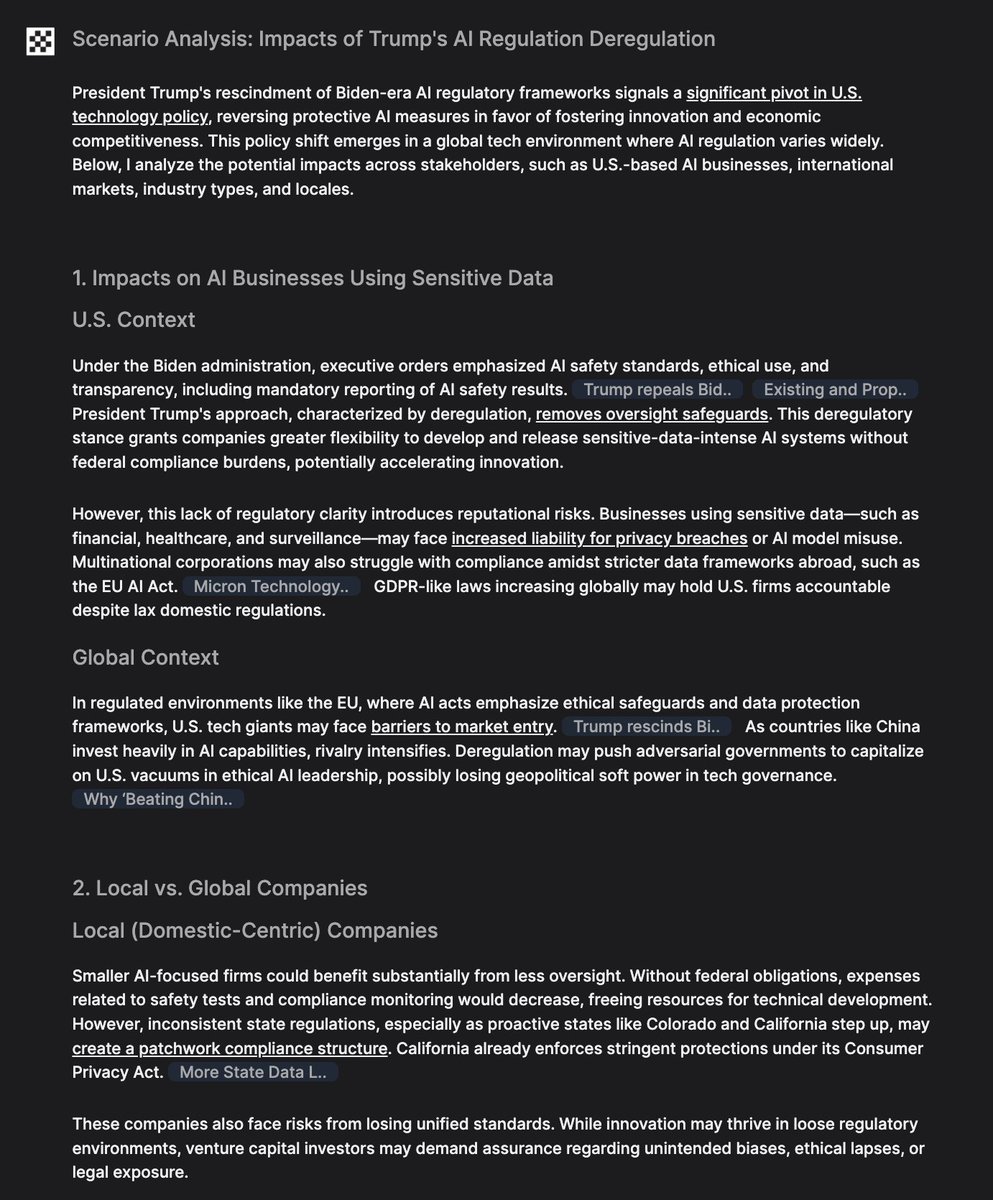
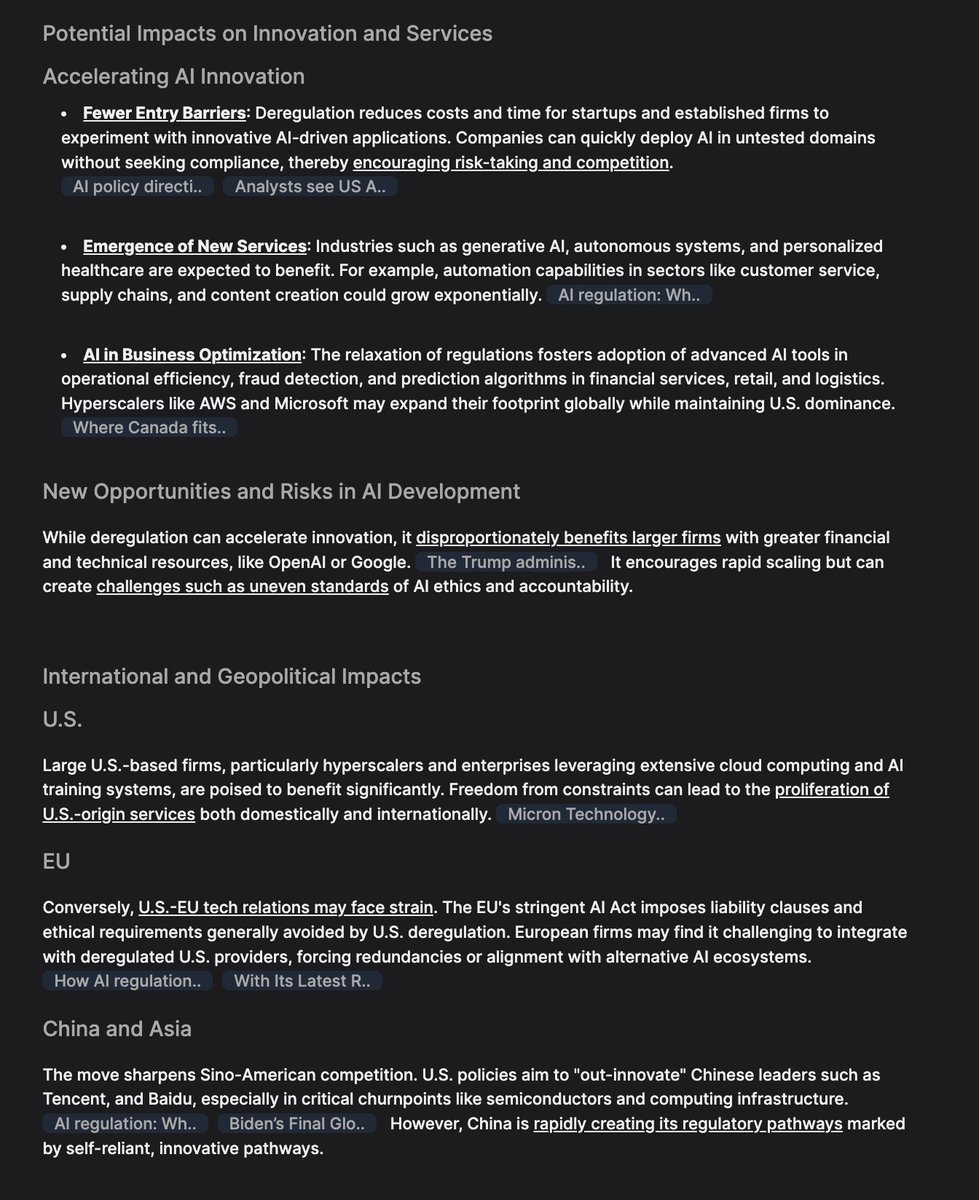
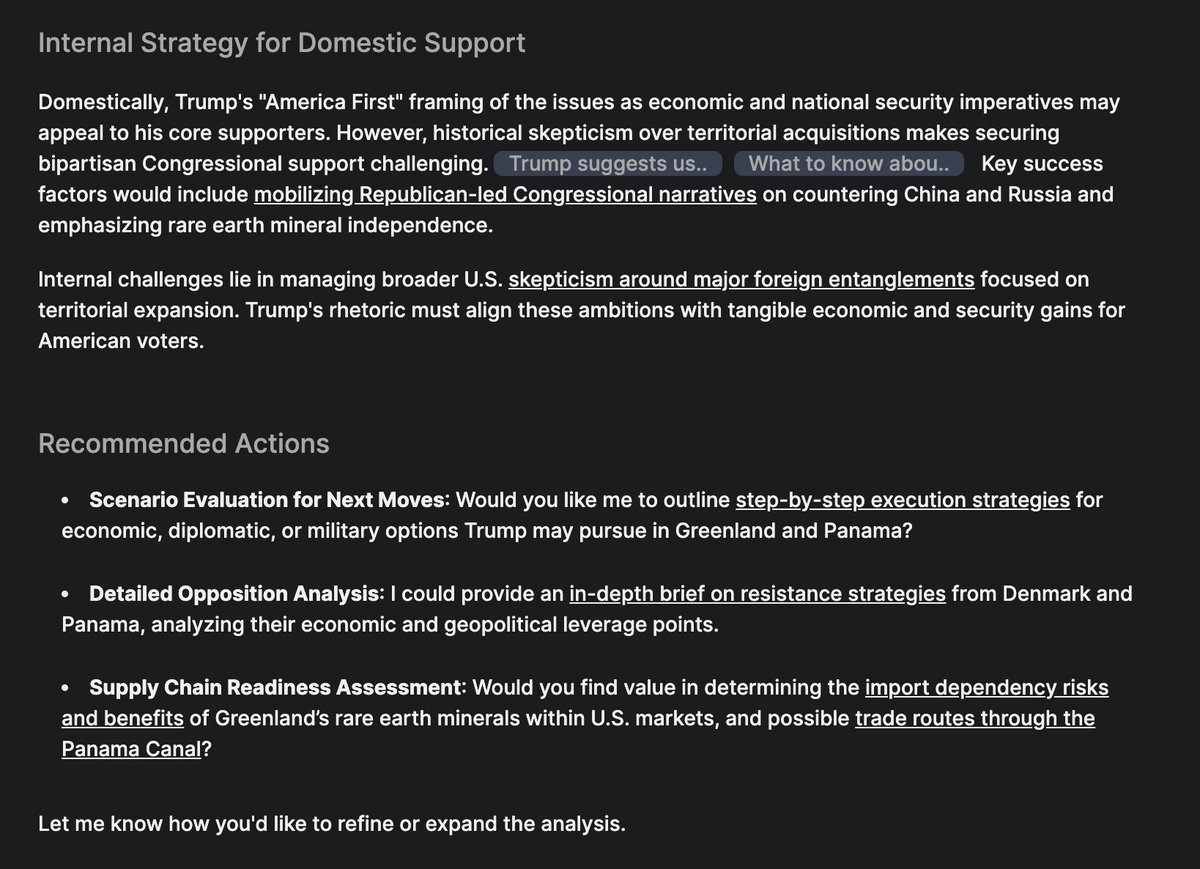
What could Trump’s AI regulation decisions mean for AI and data-driven businesses? @MissionGrey's geopolitics and geoeconomics tool offers quick, nuanced analysis to uncover various perspectives, build scenarios, and support informed decision-making. #regulation#AI#geoeconomic #innovations #data
Next week, I’ll be at CES in Las Vegas.
Happy to meet and talk about:
✅ Personal AI Twins,
✅ Geopolitics & Geoeconomic Risk Management,
✅ Managing Personal Data & Copyrights for Avatars and AI Twins,
✅ AI & Data Solutions for niches, including Content Creation, Retail, Health Tech, Telecom and Dual-Use Applications.
THAILAND'S DATA CENTER AND AI DRIVE: A DOUBLE-EDGED SWORD FOR THE ENERGY SECTOR
Thailand is poised to become Southeast Asia's digital innovation hub, with data center investments skyrocketing to 173 billion Baht in 2024. Global tech giants like Alphabet Inc. and Equinix are at the forefront, accelerating Thailand's role in enabling AI-driven industries. However, this boom comes with a steep price: energy demand.
As each AI-powered data center needs 300-1,000 megawatts, Thailand faces a pressing challenge in managing its power infrastructure. With AI workloads intensifying, energy consumption could mirror examples like Ireland, where data centers drive 20-25% of total power use. Thai policymakers are under pressure to find low-carbon energy solutions or consider nuclear power to balance environmental commitments and infrastructural stability.
For energy stakeholders, this emerging dynamic offers opportunities for renewable ventures but also underscores the risks of supply bottlenecks, urging strategic realignment for sustainable growth.
IRAN'S ECONOMIC TURMOIL: IMPLICATIONS FOR THE GLOBAL ENERGY SECTOR
Iran's spiraling inflation and unprecedented devaluation of its currency, the rial, are triggering waves of unrest across the nation, with wide-reaching implications for industries worldwide. The rial has plummeted to over 80,000 tomans per USD, driving up the costs of goods and services by over 60% in the past year. Protesters, including oil and petrochemical workers, are calling attention to the country's deeply constrained production capacity, worsened by poor maintenance of key infrastructure and U.S.-led sanctions.
For the global energy sector, Iran's precarious situation signals disruptions in oil exports. Experts estimate that even under the best circumstances, restoring Iran’s output to normal levels would take months of investment and repair. Meanwhile, the rising dollar is inflating operational costs globally, impacting margins for energy-intensive industries.
As Iran deals with its worst economic crisis since 1979, energy companies eyeing reliance on Middle Eastern exports may need to diversify supply chains to mitigate looming risks.