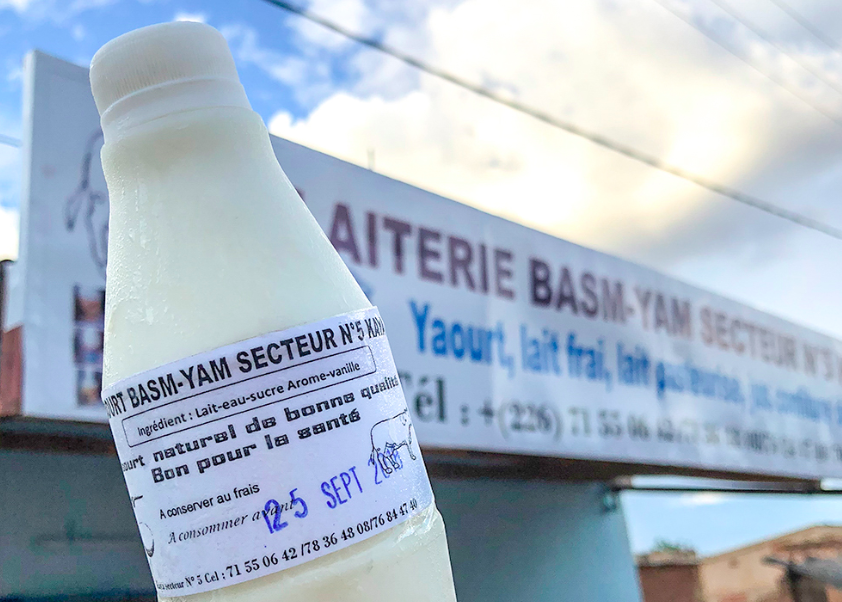
A2.3: Under our @USAID Victory Against Malnutrition project in #BurkinaFaso, Abibou Ouedraogo received a small grant to increase the processing of milk into more desirable products, like vanilla yogurt. Learn more: https://t.co/iQmeHvBHzV #WFDChat
A3: Diversifying agricultural production requires diversifying what consumers want. In #Mali, our @USAID CVC project increased producers' understanding of how to incorporate moringa + cowpea into dishes, resulting in increased consumption of these nutritious foods #WFDChat
I gave a lightning talk on "Thinking through the Food System in the POV of rural, vulnerable HHs" - important for resilience. Thanks AIARD for having me!
At the @CSIS Migration, Agriculture, and Rural Development event the common theme was that forced migration is a symptom of many larger "diseases", including food insecurity and lack of economic opportunities.
In #Bangladesh, we're working with @FeedtheFuture on a livestock and nutrition project where 80% of livestock farmers are women. We've seen milk production triple, which has resulted in increased consumption of dairy for all household members. #WorldFoodDay#WFDChat#WFD2018
In @acdivoca NAFAKA II project in Tanzania, farmers sell their maize to millers equipped with dossifiers that fortify maize flour, increasing fortified maize availability in the local market. Local government promote consumption of this maize through radio campaigns #WFDchat
A4: Being aware of price elasticity points, particularly nutrient-rich foods against cheap, staple based foods, that favor consumer preference for a healthier food environment #WFDchat
A3: Be intentional with private sector integration for larger, transformational shifts in the food system, while concurrently affecting customer preferences to pull on the demand for nutrient-rich foods #WFDchat
A 1: Several things contribute to hunger, including waste, lack of storage, preservation, poor distribution to certain areas, high food prices, and poverty.
#WorldFoodDay#WFDChat#WFD2018