日本を守ろうとした人たち。
そして全員、不審死。
① 茨城県下妻市の前市長:須藤豊次
不法就労通報制度推進。
市長就任3ヶ月目で謎の自殺。
② 元財務大臣・金融担当大臣:中川昭一
米国債の購入要求を突っぱねるなど、アメリカの金融政策に対して強硬な姿勢を取っていたが自宅で謎の死。
③ 株式会社新見ソーラーカンパニー元代表取締役社長:佐久本秀行
再生可能メガソーラー開発の発表翌日に逝去、死因不明。
④元衆議院議員:石井紘基
財務省の闇を暴露すると公言した直後、自宅前で右翼団体代表の男に刃物で刺殺される。
Fushimi Inari Taisha has finally spoken.
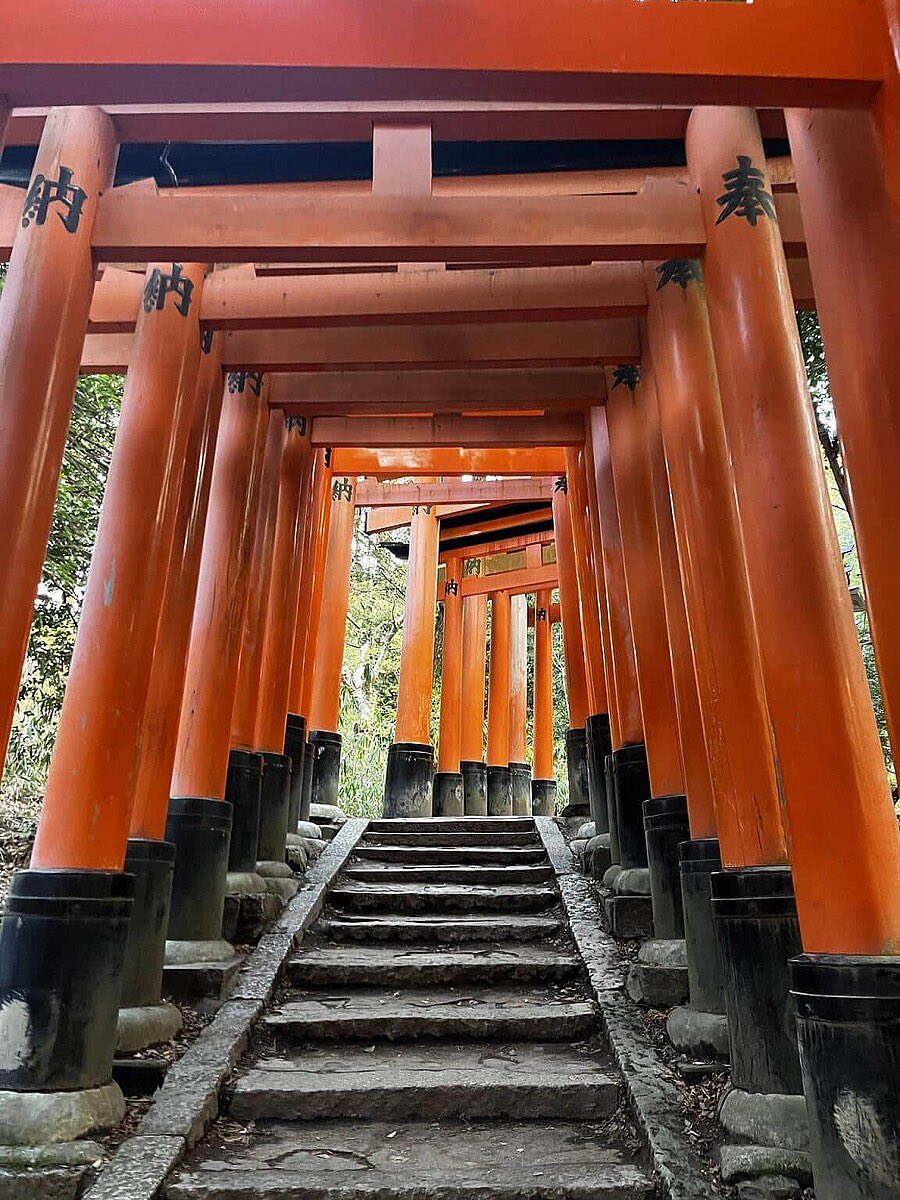
The shrine, standing since 711 AD — more than 1,300 years — has officially asked visitors to stop damaging the sacred bamboo forest, torii gates, and trees.
“Once the bamboo is carved or broken, it will never return to its original form.”
This is not just another tourist spot.
It is one of the most sacred places in Japan, where generations have come to pray.
Yet the damage from visitors — many of them foreign tourists — has become so severe that the shrine felt it had no choice but to issue this public plea.
I’m not a priest.
I’m not an activist.
I’m just an ordinary Japanese who loves this country.
Every time I see another sacred site forced to beg people to respect it, something in me aches.
Japan was supposed to be the one place where ancient traditions could still be protected.
When did we start needing to remind visitors not to destroy what has survived for over a millennium?
Japan is free to remain Japan.
Una mujer musulmana que llegó a Japón dijo enfadada:
"Apenas hay comida halal en Japón".
Los japoneses en redes sociales no se andaron con rodeos:
"Por favor, regresa a tu país".
"Así es. No tienes por qué venir".