James "Blood" Ulmer (RIP) was at the center of a guitar revolution in the '70s & beyond. His crucial roles with Ornette Coleman & Arthur Blythe brought blues, free jazz, No Wave into free-flowing conversation. Saw him do it real time at Tut's in 1982. His boldness will be missed.
On the platter today is the Rashied Ali Quintet, featuring the first recording of James Blood Ulmer’s “Theme for Captain Black”.
This one is scorching, as you can probably tell! Bob Ralston and Earl Cross are also putting in massive work on sax and trumpet.
I remember when I first heard this, I was fucking floored by his tone and picking style. I’d never heard anything like it before.
James was a true one of one.
At the family’s behest, this sad news is finally being shared. I’ve known since Friday that he left this plane on Wednesday morning.The feeling of loss, for me, & many in my circle, is profound. Blood was 1 of 1. He was made of the stuff that Blues is made of. Raw. Pure. Elemental.
In 1943, Swiss chemist Albert Hofmann accidentally absorbed a tiny amount of LSD through his fingertips and spent the afternoon mildly hallucinating at his desk. Three days later he accidentally took 10 times than the standard recreational dose.
He drank what he believed was a cautiously small dose, and unknowingly took ten times a modern recreational amount with no frame of reference whatsoever.
At precisely 4:20pm on April 19, Hofmann dissolved 250 micrograms in water and drank it.
By 5:00pm his lab journal entries were deteriorating. Dizziness. Anxiety. Visual disturbance. Writing became impossible.
He asked his assistant to take him home. Wartime Basel had banned private cars, so the only option was a bicycle.
He spent the ride convinced his neighbour was a witch and that he had gone permanently insane. April 19 is now celebrated annually as Bicycle Day.
Hofmann later discovered that 20 to 30 micrograms were sufficient for noticeable effects. He had taken more than twelve times that amount.
He lived to 102, took small doses for the rest of his life, and called LSD his "problem child." He never regretted discovering it.
Sur la peur – Khalil Gibran
"On dit que, juste avant d’entrer dans la mer,
une rivière tremble de peur.
Elle regarde en arrière le chemin qu’elle a parcouru,
depuis les sommets des montagnes,
la longue route sinueuse à travers forêts et villages.
Et devant elle,
elle voit un océan si vaste
que s’y engager
revient à disparaître à jamais.
Mais il n’y a pas d’autre choix.
La rivière ne peut pas faire demi-tour.
Personne ne peut revenir en arrière.
Reculer est impossible dans l’existence.
La rivière doit prendre le risque
d’entrer dans l’océan,
car ce n’est qu’alors que la peur disparaîtra,
car c’est là que la rivière comprendra
qu’il ne s’agit pas de disparaître dans l’océan,
mais de devenir l’océan."
One of the most iconic dance scenes in film history 🕺❤️
Anthony Quinn and Alan Bates performing the legendary “Zorba’s Dance” in Zorba the Greek (1964)
In 1986 Sonny Rollins broke his heel jumping off a 6-foot stone wall during an outdoor performance, and kept playing. The band comes to monitor the situation then they all laugh as they return to their instruments. Sonny was built different.
They called him the "Saxophone Colossus", but the title somehow never felt large enough. Sonny Rollins didn't mearly play melodies; he wrestled with them, turned them inside out. If Coltrane was the spiritual fire of Jazz, Rollins was its greatest architect. Rest in peace maestro.
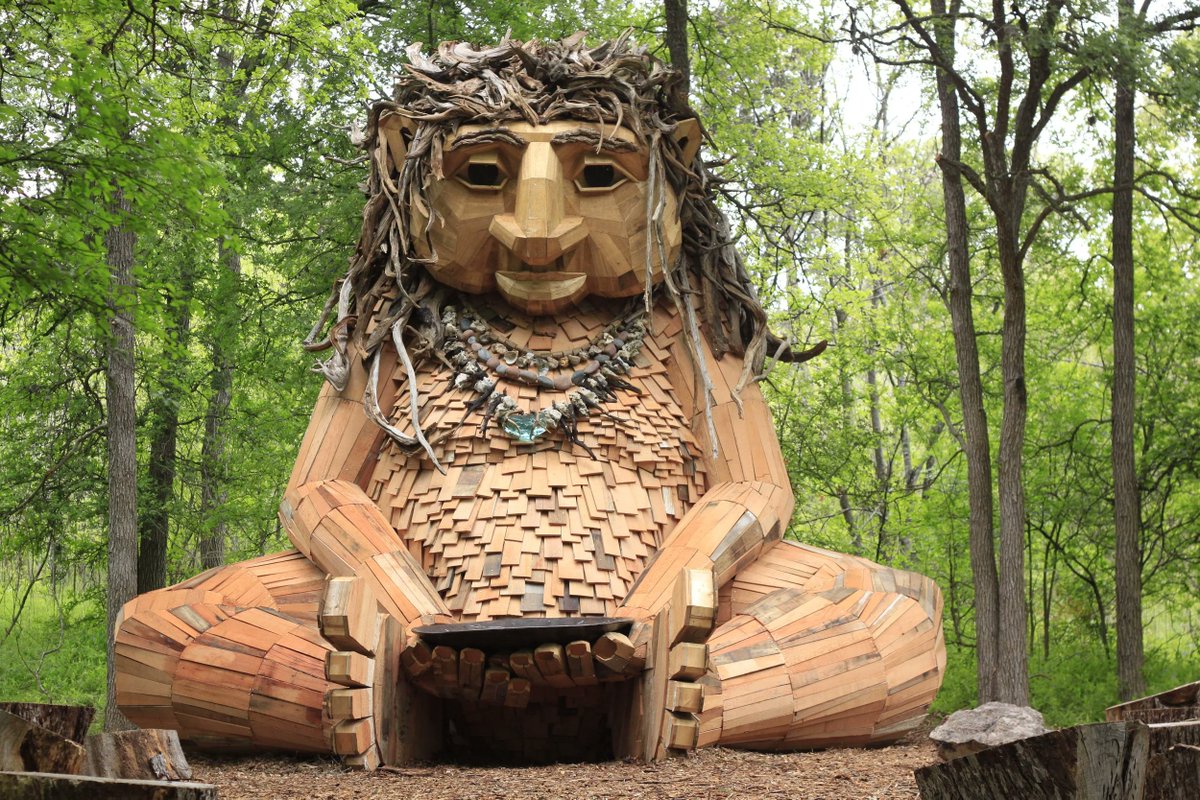
The Pease Park troll cost about $300,000 to build, funded by private donors who wanted to create something magical for Austin.
And now it sits burned down. A pile of ashes surrounded by caution tape.
A giant wooden troll where kids laughed, families took photos, and people stopped for a moment to enjoy something whimsical in the middle of the city… gone.
It’s hard not to feel like this is symbolic of something bigger. We build beautiful things in Austin, and somehow we keep finding them destroyed.
Sometimes it really feels like we just can’t have nice things anymore. #atxcouncil