Erik van Haren talks about Max
Q: When did you start following Max Verstappen's career?
Erik: I was a football specialist when the newspaper’s editorial team started sending me to cover test sessions and a few Grands Prix. From 2017 onwards, I covered more and more of them, and Formula 1 became my discipline of choice, so to speak. So, I first encountered Max when he was already in F1.
Q: How would you describe the Max of back then?
Erik: I didn’t know him when I first arrived in the paddock, and as is the case for any journalist I had to build a relationship with him. It was undoubtedly easier ten years ago than it is today in such a crowded paddock. Back then, Max didn’t need to isolate himself; he was quite approachable. You could still have brief, spontaneous conversations alongside the more formal interviews. That’s how I got to know him. The same goes for Jos and his inner circle. The Max of the early days and the Max of today are exactly the same, except that he is more guarded now. It isn’t he who has changed; rather, the environment he operates in and the way people view him have changed.
Q: Was he then largely under his father Jos’s influence during your first interactions?
Erik: In 2015, during Max’s debut season, Jos was very present. That presence eased off a bit in 2016, and continued to do so as Max matured. Today, the father-son relationship is perfect. There is a genuine rapport and a real bond between them. They speak on the phone every day. At Grand Prix weekends, they talk before every session. There is a very strong connection—stronger than ever. The same applies to his relationship with his manager, Raymond Vermeulen, though without the father-son dynamic. Jos doesn’t intervene the way he did ten years ago, simply because Max is no longer 17. He was a teenager who needed his father when he arrived in F1 in 2015. Now, he is nearly thirty, a multiple world champion, and a father himself. Their relationship has evolved, but his father remains a very important figure in his life.
Q: Is there a “before” and an “after” Abu Dhabi 2021 when it comes to Max?
Erik: Yes and no. The title was the ultimate goal, the dream becoming reality, and the relief of finally achieving it. That first title took a lot of the pressure off his shoulders. It helped, and so did the following titles, to make him more relaxed. He accepts retirements philosophically, like the one in Monaco recently (engine problem, ed.). So he has changed in that respect, but he remains that “hungry driver” when he is in the car. He can express his frustration when things don’t work the way he wants them to. Being world champion has helped him put certain things into perspective, but it hasn’t made him any less demanding, less hard-working, or less committed. He is 100% committed, just as he was before the titles.
Q: He seems less defensive lately. How would you explain that?
Erik: Simply because he achieved the goal he had set for himself: becoming world champion. He gets frustrated when he feels he isn’t getting the most out of the car, but he is far less affected by external factors. What hasn’t changed is that he still speaks his mind with the same honesty. Max has no filter. If things are going well, he says so; if they’re going badly, he says that too. When he was recently forced to use setup configurations he didn’t want, he was completely open about it. The frustration is still there, but he expresses it differently.
[https://t.co/FsUwCg9Gwc]
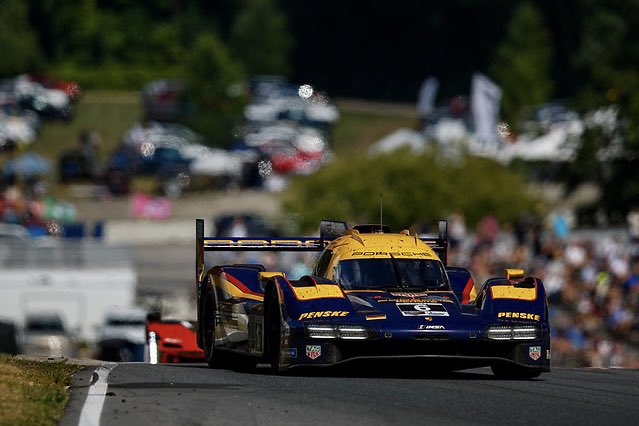
The No. 6 Penske Porsche has received a 5-minute post-race stop-and-go, dropping them from P8 to P10 in the Road America results, after the crash with Jack Aitken in the final laps. Kévin Estre has been placed on a two-race probation for "unjustifiable risk".
📸 IMSA | #IMSA
idk how the drivers don’t know the answers to these questions on gtg by now they’ve been asked the same fucking things over and over their entire career


![RBRHub's tweet photo. Erik van Haren talks about Max
Q: When did you start following Max Verstappen's career?
Erik: I was a football specialist when the newspaper’s editorial team started sending me to cover test sessions and a few Grands Prix. From 2017 onwards, I covered more and more of them, and Formula 1 became my discipline of choice, so to speak. So, I first encountered Max when he was already in F1.
Q: How would you describe the Max of back then?
Erik: I didn’t know him when I first arrived in the paddock, and as is the case for any journalist I had to build a relationship with him. It was undoubtedly easier ten years ago than it is today in such a crowded paddock. Back then, Max didn’t need to isolate himself; he was quite approachable. You could still have brief, spontaneous conversations alongside the more formal interviews. That’s how I got to know him. The same goes for Jos and his inner circle. The Max of the early days and the Max of today are exactly the same, except that he is more guarded now. It isn’t he who has changed; rather, the environment he operates in and the way people view him have changed.
Q: Was he then largely under his father Jos’s influence during your first interactions?
Erik: In 2015, during Max’s debut season, Jos was very present. That presence eased off a bit in 2016, and continued to do so as Max matured. Today, the father-son relationship is perfect. There is a genuine rapport and a real bond between them. They speak on the phone every day. At Grand Prix weekends, they talk before every session. There is a very strong connection—stronger than ever. The same applies to his relationship with his manager, Raymond Vermeulen, though without the father-son dynamic. Jos doesn’t intervene the way he did ten years ago, simply because Max is no longer 17. He was a teenager who needed his father when he arrived in F1 in 2015. Now, he is nearly thirty, a multiple world champion, and a father himself. Their relationship has evolved, but his father remains a very important figure in his life.
Q: Is there a “before” and an “after” Abu Dhabi 2021 when it comes to Max?
Erik: Yes and no. The title was the ultimate goal, the dream becoming reality, and the relief of finally achieving it. That first title took a lot of the pressure off his shoulders. It helped, and so did the following titles, to make him more relaxed. He accepts retirements philosophically, like the one in Monaco recently (engine problem, ed.). So he has changed in that respect, but he remains that “hungry driver” when he is in the car. He can express his frustration when things don’t work the way he wants them to. Being world champion has helped him put certain things into perspective, but it hasn’t made him any less demanding, less hard-working, or less committed. He is 100% committed, just as he was before the titles.
Q: He seems less defensive lately. How would you explain that?
Erik: Simply because he achieved the goal he had set for himself: becoming world champion. He gets frustrated when he feels he isn’t getting the most out of the car, but he is far less affected by external factors. What hasn’t changed is that he still speaks his mind with the same honesty. Max has no filter. If things are going well, he says so; if they’re going badly, he says that too. When he was recently forced to use setup configurations he didn’t want, he was completely open about it. The frustration is still there, but he expresses it differently.
[https://t.co/FsUwCg9Gwc]](https://pbs.twimg.com/media/HPNGvuZbcAA86nR.jpg)