What if Studio Ghibli directed Lord of the Rings?
I spent $250 in Kling credits and 9 hours re-editing the Fellowship trailer to bring that vision to life—and I’ll show you exactly how I did it 👇🏼
𝗪𝗵𝘆 𝗱𝗼𝗲𝘀 𝗚𝗼𝗼𝗴𝗹𝗲 𝗿𝗲𝗰𝗼𝗺𝗺𝗲𝗻𝗱 𝗠𝗼𝗱𝘂𝗹𝗮𝗿 𝗠𝗼𝗻𝗼𝗹𝗶𝘁𝗵𝘀 𝗶𝗻𝘀𝘁𝗲𝗮𝗱 𝗼𝗳 𝗠𝗶𝗰𝗿𝗼𝘀𝗲𝗿𝘃𝗶𝗰𝗲𝘀?
In the last decade, we have seen a massive trend of using microservices everywhere. We were building systems for a few hundred or thousand users and wanted to know how to make a system for millions of users. This was over-engineering and needed to be corrected. Why it was wrong? Because the development lasted long and we created incredibly complex systems, hard to maintain. This is especially true for startups that must go fast and stay simple.
A recent paper by authors from Google found that most of their developers split binaries for one of the following reasons: it improves performance, fault tolerance, and abstraction boundaries and allows for flexible rollouts.
Yet, splitting applications into microservices has its challenges:
🔸 𝗜𝘁 𝗵𝘂𝗿𝘁𝘀 𝗽𝗲𝗿𝗳𝗼𝗿𝗺𝗮𝗻𝗰𝗲. The overhead of serializing data and sending it across the network is increasingly becoming a bottleneck
🔸 𝗜𝘁 𝗵𝘂𝗿𝘁𝘀 𝗰𝗼𝗿𝗿𝗲𝗰𝘁𝗻𝗲𝘀𝘀. It is incredibly challenging to reason about the interactions between every deployed version of every microservice.
🔸 𝗜𝘁 𝘁𝗮𝗸𝗲𝘀 𝘄𝗼𝗿𝗸 𝘁𝗼 𝗺𝗮𝗻𝗮𝗴𝗲. Rather than having a single bi-nary to build, test, and deploy, developers must manage 𝑛 different binaries, each on their release schedule.
🔸 𝗜𝘁 𝗳𝗿𝗲𝗲𝘇𝗲𝘀 𝗔𝗣𝗜𝘀. Once a microservice establishes an API, it becomes easier to change by breaking the other services that consume the API.
So, they proposed the following approach:
𝟭. 𝗪𝗿𝗶𝘁𝗲 𝗺𝗼𝗻𝗼𝗹𝗶𝘁𝗵𝗶𝗰 𝗮𝗽𝗽𝗹𝗶𝗰𝗮𝘁𝗶𝗼𝗻𝘀 that are modularized into logically distinct components. A component is a long-lived agent, similar to an actor.
𝟮. 𝗟𝗲𝘃𝗲𝗿𝗮𝗴𝗲 𝗮 𝗿𝘂𝗻𝘁𝗶𝗺𝗲 𝘁𝗼 𝗱𝘆𝗻𝗮𝗺𝗶𝗰𝗮𝗹𝗹𝘆 and automatically assign logistical components to physical processes based on execution characteristics. So, if both components are in the same OS process, they are called regular method calls, but if they are co-located, calls are executed as RPCs over the network. Runtime decides whether these modules should be collocated or moved to different machines (and scaled, etc.).
𝟯. 𝗗𝗲𝗽𝗹𝗼𝘆 𝗮𝗽𝗽𝗹𝗶𝗰𝗮𝘁𝗶𝗼𝗻𝘀 𝗮𝘁𝗼𝗺𝗶𝗰𝗮𝗹𝗹𝘆, preventing different versions of an application from interacting.
This approach consists of two main parts: a programming model with abstraction that allows developers to write modularized applications and a runtime for building, deploying, and optimizing these applications. They claim that it reduces application latency by up to 15x and costs by up to 9x by simplifying application management and deployment.
If you want to check the framework implementing the approach from the paper, check https:// serviceweaver. dev/.
What do you think about this approach? Does it look like EJBs or CORBA?
#microservices
¡No pierdas tiempo tipando tus APIs!
Este recurso lo hace por ti en TypeScript en segundos.
Pega el JSON y te genera los tipos e interfaces.
Imprescindible recurso para devs:
→ https://t.co/bwFeAJmVkr
💨💨💨
The new #Angular "@for" template syntax with better perf really delivers!
In real world app with some (slightly questionable 😅) huge lists this translates to around of ~100ms faster rendering (7-9% faster)
Also the provided schematics
ng generate @angular/core:control-flow
got me there (like 85% of effort) which was a huge time saver ����
10/ 10 would recommend 😉
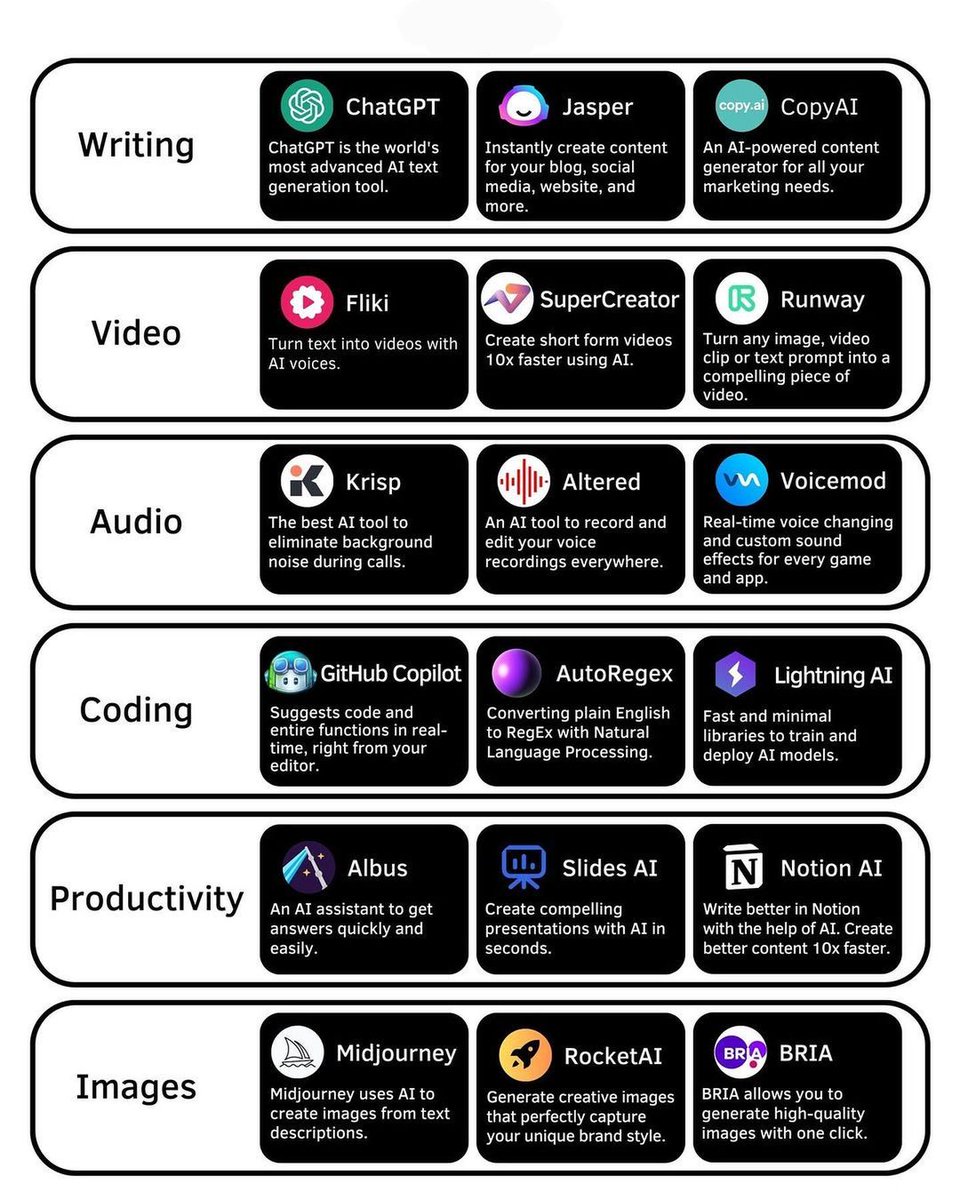
No solo es ChatGPT o AutoGPT
Hoja de herramientas de inteligencia artificial por categorías para llevar tus conocimientos al máximo nivel:
Parte 5⃣ : Mejora tu productividad🕔
@ElMundoTolkien no se si a todos les pasa igual que a mi, pero esta escena me la puedo seguir viendo y sigue poniendome los pelos de punta como si fuera la primera vez que lo veo
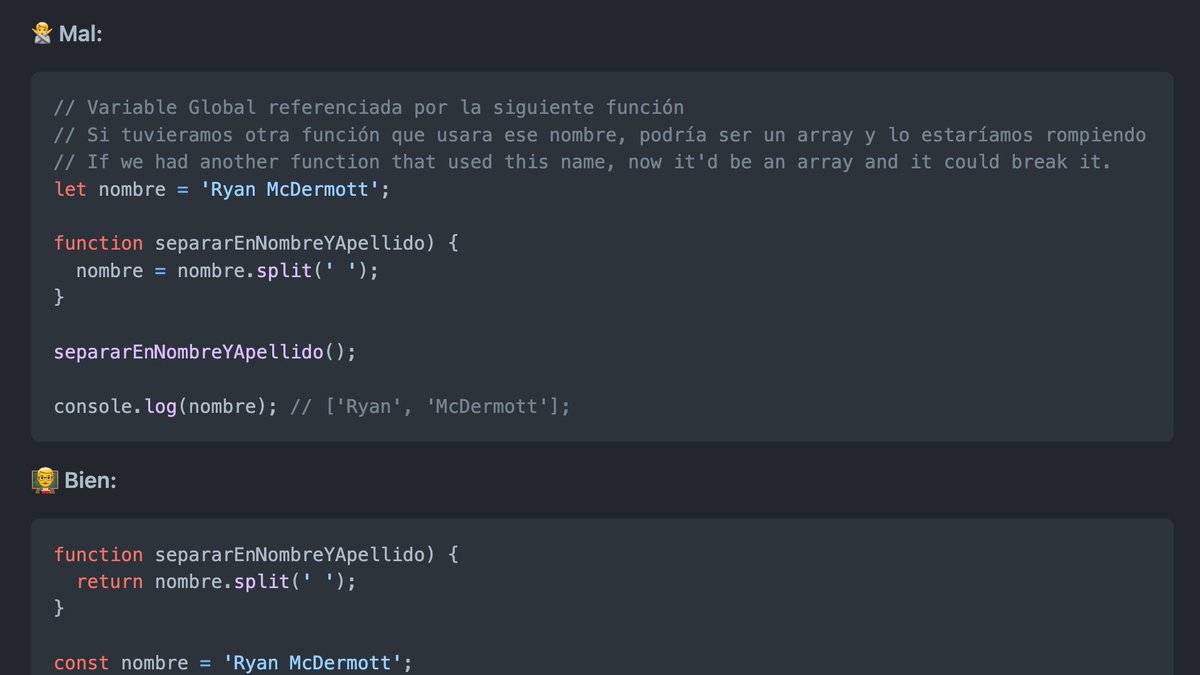
¡Descubre Clean Code JavaScript 🔥!
Un repositorio de GitHub que contiene:
◆ Consejos para mejorar la legibilidad
◆ Ejemplos y convenciones a seguir
◆ Buenas prácticas para un código limpio
◆ SOLID, Testing y mucho más
¡Recomendadísimo! ⬇️
https://t.co/a6wxWrNdbL