Road to 1,000, week 2: 211 followers
Last week it was 137. So 74 new people in seven days. Thank you guys.
Replies still carry this account. 126 replies made about 37,000 views. 52 posts made about 5,400.
789 to go
The US Department of Agriculture has taken many of its own systems offline after a security breach.
Its security team found the incident. An internal email sent on Monday said every database password had to be reset, and that knocked out the apps too. Nextgov and Government Executive saw the email.
The tools that are down handle payments to farmers and show where a loan or aid request stands. Nobody knows yet who got in or whether any data was taken. USDA has not commented.
That part bothers me. The email went out on Monday and the public found out from reporters on Thursday. It is also the same week as the leaked Visa cardholder data I posted about.
When the systems that pay people go down, I think the people waiting for the money should be told first.
Bitcoin just fell under $62,000.
It was above $85,000 in late September. Now it is down about 19% in six months and back where it sat in the summer.
The ETF money is leaving. About $1.3 billion has come out of the US spot Bitcoin funds in the last six trading days, with $306 million of that in a single day.
I posted on Wednesday when Citi cut its Bitcoin target. The bank said its number follows the money going into those funds. That money is now going out.
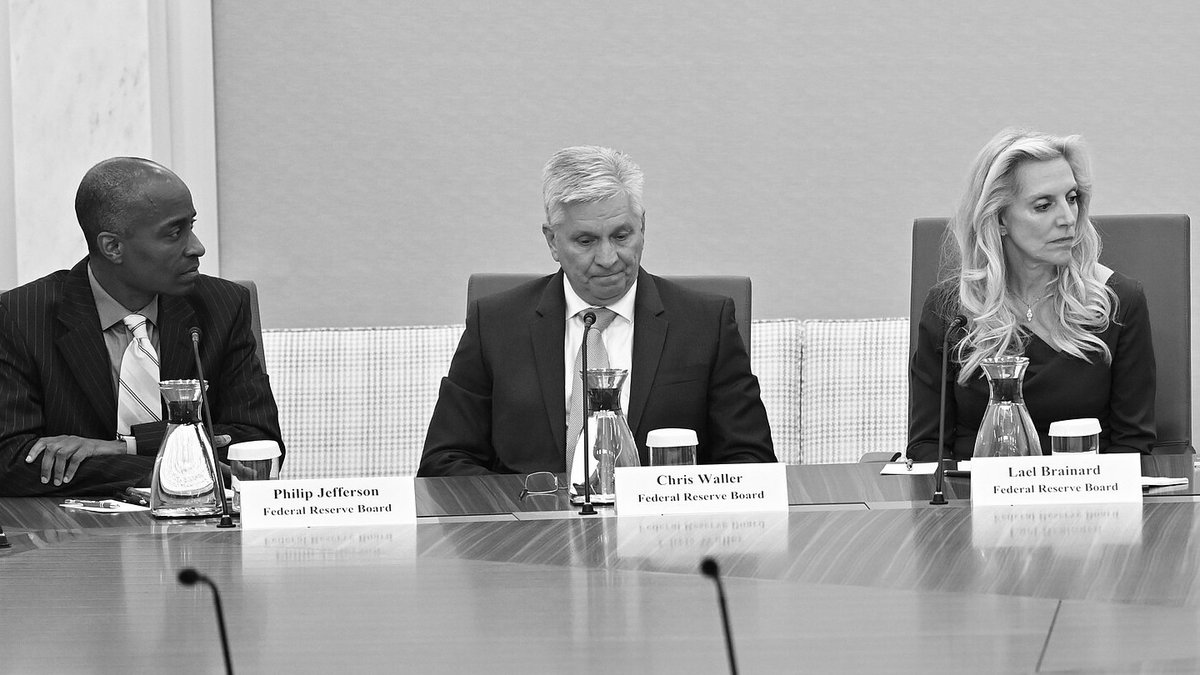
Then there is the Fed. Governor Christopher Waller talked about a bigger rate hike this week, and gold and silver fell too. So I don't think this is only a Bitcoin problem. To me it looks like money getting careful everywhere.
I am watching the ETF flows more than the price right now.
SpaceX is out to borrow at least $32 billion today, and the money is for AI chips. Bloomberg has the story.
It is one piece of a $40 billion package led by Goldman Sachs and Apollo. A separate company managed by Atlas SP, which Apollo backs, buys the Nvidia chips and sells bonds against them. The debt stays off SpaceX's own books, so SpaceX keeps its investment grade rating.
I respect how this is put together. SpaceX gets the chips, the lenders get the chips as cover, and the rocket business carries none of the debt. Lenders now treat an AI chip the way they treat a plane, as something worth lending against.
I think this is what the AI race comes down to now. Whoever can borrow for the hardware gets to build.
Hackers have leaked data on Visa's premium cardholders in Asia.
Visa confirmed a security incident this week. It says the break-in happened at an outside company it works with in Asia-Pacific and that no card numbers or payment data were touched.
The group calls itself n0n. Cybernews went through the leaked files and found more than 6,000 premium Visa customers in them. Names, emails, phone numbers and restaurant bookings with dates and addresses.
So the cards are fine. But someone now has a list of premium cardholders, how to reach them and where they like to eat. That is enough to write a scam message that looks real.
I said on Sunday that banks keep getting hacked. This time nobody had to break into Visa itself. They went through a company most of us have never heard of.
What worries me is how many small firms hold the customer lists of the big ones.
I think the outside vendor is the easy way in now
BREAKING: The Strategic Petroleum Reserve (SPR) fell -3.2 million barrels last week, to 276.4 million barrels, its lowest level since August 1982.
This follows declines of -2.65 million barrels and -399,000 barrels in the previous two weeks.
Since the March high, US SPR inventories have collapsed -139.1 million barrels, or -34%, down in 33 of the last 34 weeks.
The SPR now stands -450.3 million barrels, or -62%, below its all-time high set in 2010.
This is also just 5.9 million barrels above its lowest level on record, set in the week ending August 20th, 1982.
US oil reserves have rarely been this low.
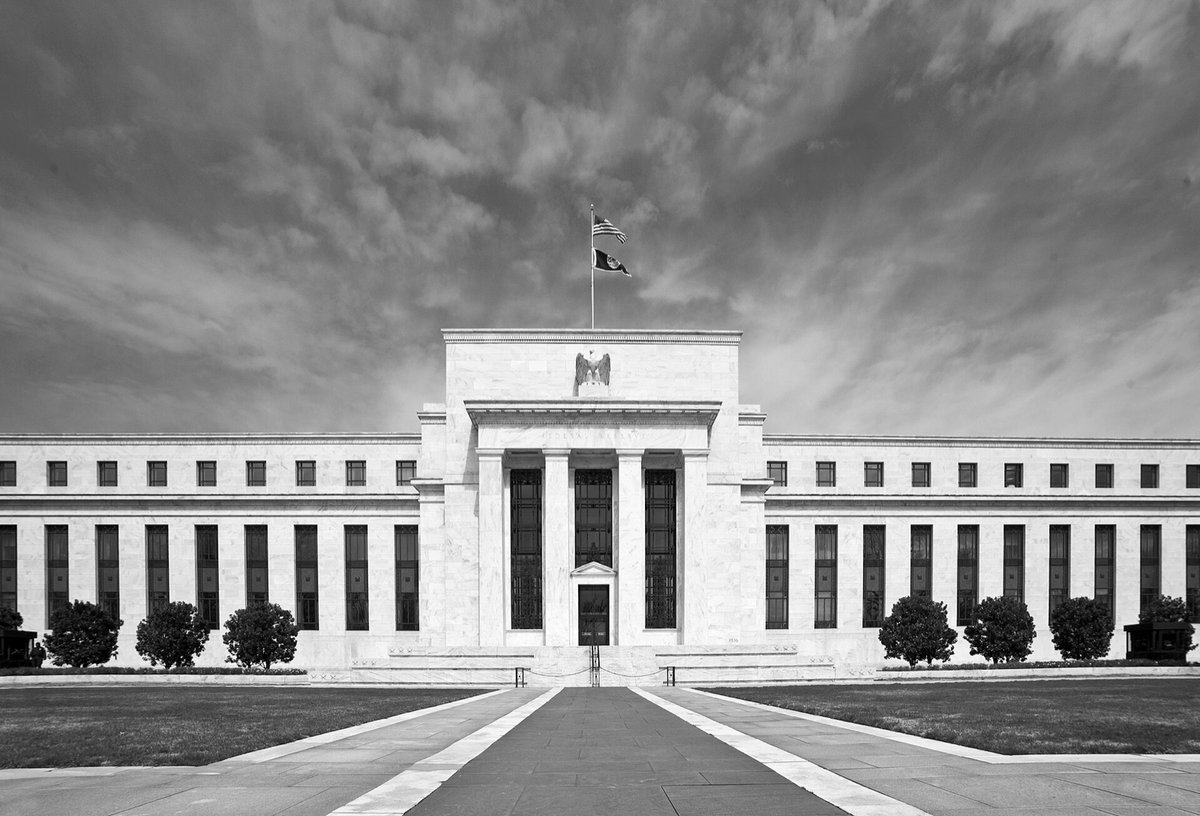
JPMorgan now expects the Fed to raise rates at each of its next three meetings. December, January and March.
Each hike would be a quarter point, which takes the Fed's rate to 4.50% to 4.75% by March. The bank's team, led by Michael Feroli, sees two small cuts in 2028. BofA and Deutsche Bank also expect a hike at all three meetings.
JPMorgan says the hikes are not meant to hurt the job market. Jobs are not what is pushing prices up, and prices are still rising too fast. The Fed has to keep people believing it will fight inflation, so it keeps going.
I posted earlier today that the IMF chief sees AI demand pushing rates up around the world. Now the biggest US bank has put three dates on it.
I worry about anyone with a loan that resets next year. Three hikes in four months is a lot to take in.
I think borrowing stays expensive for a long time
JPMORGAN SEES THREE MORE FED RATE HIKES AS U.S. GROWTH AND AI SPENDING MODERATE IN 2027
JPMorgan forecasts 1.9% U.S. GDP growth in 2027 on a fourth-quarter-over-fourth-quarter basis.
The bank expects the AI investment cycle to mature, with real business capital expenditure growth slowing from 10% in 2026 to 8% in 2027.
JPMorgan also predicts three Fed rate hikes in December, January and March, lifting the federal funds target range to 4.50%–4.75%.
The bank says further tightening would aim to preserve the Fed's inflation-fighting credibility, rather than deliberately weaken the labor market.
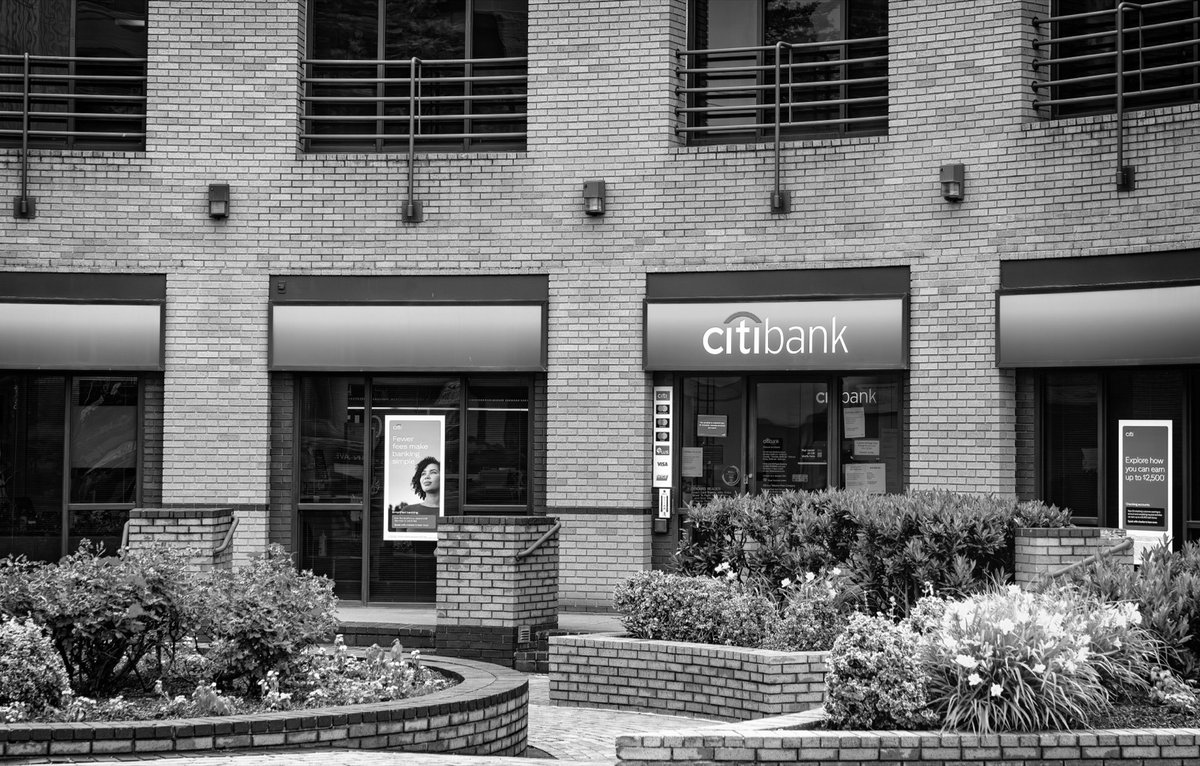
Citi just cut its Bitcoin target to $99,532. Ethereum to $2,838.
That is a 12 month guess, down to the last $32.
In March the Bitcoin number went from $143,000 to $112,000. In July it was $82,000. In October it went back up to $113,000. Now this one, with Bitcoin sitting around $64,000.
Citi says the model runs on money going into the ETFs. Money comes in and the target goes up, money leaves and it goes down. To me that reads like the target follows the price around, a few weeks late.
I respect the confidence of a number that ends in 32. I can't guess my own portfolio to the nearest thousand
HSBC customers in Hong Kong can now buy a fund with a stablecoin, and the stablecoin is HSBC's own.
From today the bank lets people use RedCoin, its Hong Kong dollar stablecoin, to buy a tokenized class of its Hong Kong dollar money market fund. The minimum is 100 RedCoin. That is HK$100, about $13.
RedCoin is only a month old. It went live in October on PayMe, a payments app with more than 3.3 million users. Hong Kong's central bank gave out its first stablecoin licenses in April and HSBC got one of them.
What gets my attention is who is doing it. This is the biggest bank in Hong Kong selling a plain money market fund to regular customers, and the token is just how the money moves.
I think most people will end up using a blockchain this way, through a bank they already use, and nobody will tell them it is one.
Money is moving on-chain
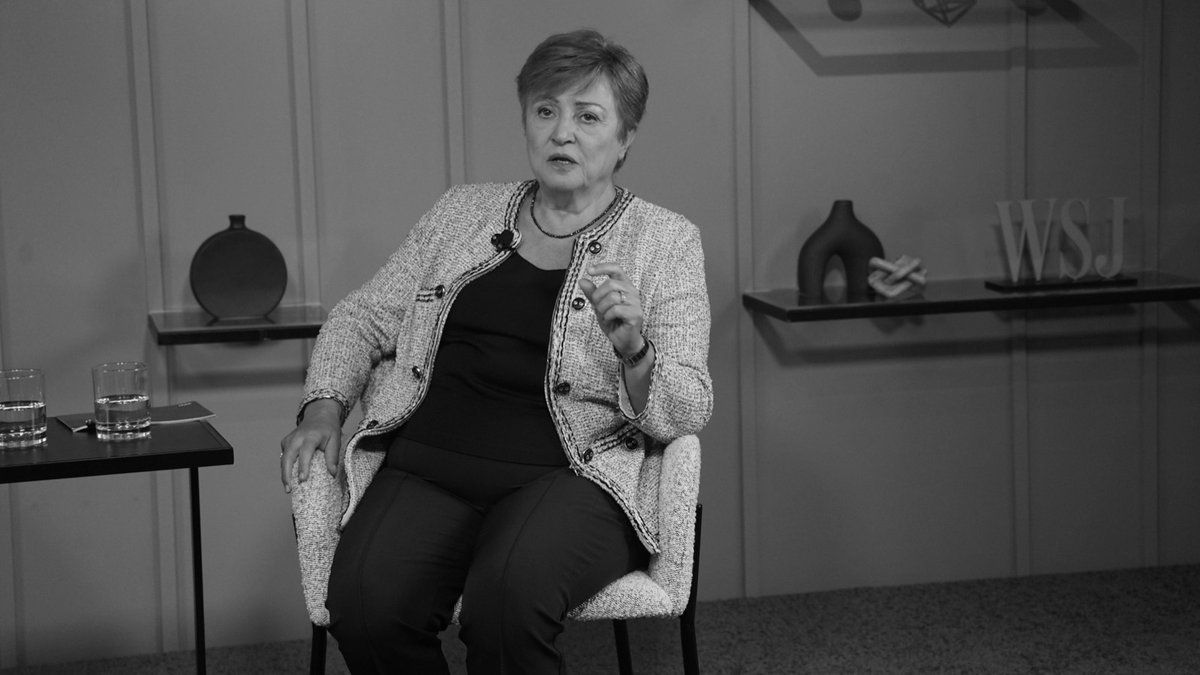
The head of the IMF says the AI boom will push interest rates up around the world.
Kristalina Georgieva said it at the APEC summit in Shenzhen, the Guardian reports. Demand for AI hardware is lifting prices, and she said that calls for tighter policy in many economies. The IMF sees global inflation at 4.7% this year.
AI hardware and related tech now make up more than a tenth of all goods traded in the world. The ECB raised rates in June, the Fed in September and the Bank of England this month. Markets expect more next year.
I always saw AI as a stock market story. Georgieva is tying it to the price of a loan. Every data center needs chips, power and borrowed money, and all three cost more when everyone wants them at once.
Someone who has never used a chatbot can still pay for this through a higher home loan rate. I think that is the part people will care about.
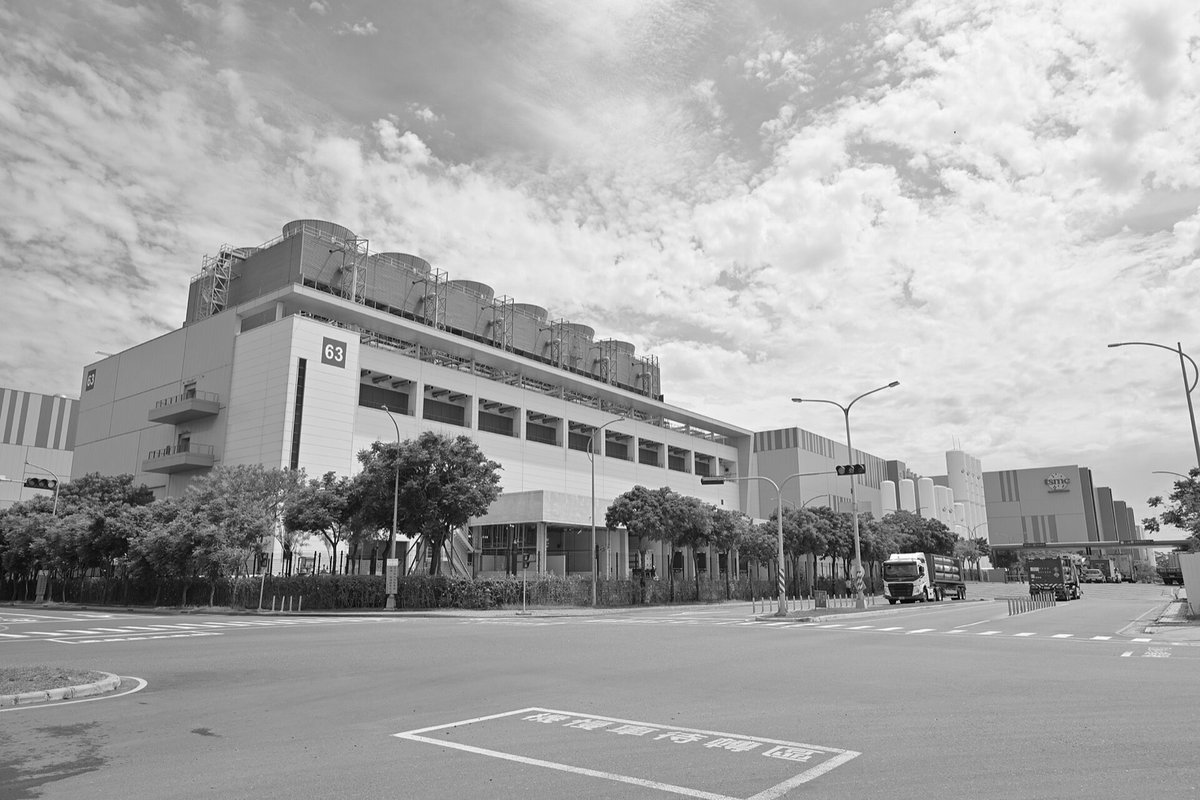
TSMC and Samsung have stopped sending some chips to Chinese customers, the Financial Times reports.
The US put out a new chip rule on November 16. Before it, the two could clear many Chinese chip designers on their own. Now an order needs a license from the US Commerce Department unless the buyer is on an approved list, so the shipments wait while both companies apply.
The buyers are big names. Xiaomi, Oppo and Vivo get chips from TSMC. Baidu's Kunlun unit and ByteDance get them from Samsung.
I posted earlier today about South Korea selling $1 trillion of goods in a year, with chips doing a lot of the work. Samsung is Korea's biggest chipmaker, and one rule from Washington can now hold up its orders.
I don't blame either company. They make some of the most advanced chips in the world and they still have to ask before they ship them. What worries me is the wait. Past rounds took weeks to months.
I think the chip trade now runs on permission from Washington
GTA VI came out today and it has already sold about 17 million copies, by early estimates Reuters reported.
Three out of four of those copies were bought on PlayStation. Sony shares rose almost 3% in Tokyo while the rest of the market there was flat.
Sony sold 2.6 million PS5s from July to September, down from 4 million a year before. Analysts said part of that drop was people waiting for this game.
Japan is different. Sony's own home market barely cares about GTA. Nintendo and anime style games win there.
Rockstar took thirteen years between two games, in a business where most studios ship something every year. I respect that, and I think more studios should take their time the same way.
One game lifted the shares of a company that did not even make it.
South Korea has sold $1 trillion of goods to the world in a single year. Only the US, Germany and China had done that before, and the last of them got there in 2007.
Korea's exports first reached $100 million in 1964. In 1970 one of its top exports was wigs made from women's hair. This year chips alone brought in $396.8 billion in the first ten months, and the trade ministry expects the full year to end near $1.17 trillion.
I respect this one a lot. Korea has a small population next to those three, and it got here in about sixty years.
What worries me is how much of it is one product. The ministry's deputy minister, Kang Kam-chan, said Korea's chip exports fell by about 25 percent in past downturns. He does not expect a big fall now.
I think this record depends on how long the AI spending lasts
JUST IN: 🇰🇷 South Korea officially reaches $1 trillion in annual exports for the first time, becoming the fourth country in history to reach the milestone.
🇺🇸 US
🇨🇳 China
🇩🇪 Germany
🇰🇷 South Korea
Elon Musk says Tesla will make a Model Y with no steering wheel and no pedals.
He said it at the NYT DealBook Summit today. The Cybercab only seats two, and Musk said a family of 4 or 6 still needs a car that drives itself. So the plan is a Model Y with no driver controls that carries 6 or 7 people.
He gave no date and no price. Tesla opened Cybercab orders at $29,990, and that is the only car it sells without a wheel so far.
I think this one matters more than the Cybercab. A two seater is for one person going to the airport, and a family needs the bigger car. Taking the wheel out is the hard part though, because nobody inside can take over if something goes wrong. I would want to see a lot of safe miles before I sat in one.
Tesla is betting the software will not need a driver at all.
Elon says @Tesla will introduce a fully autonomous version of the Model Y with no steering wheel or pedals:
"It's going to make sense for us to make cars that can seat different amounts of people. We still need autonomous vehicles if you've got 4 or 6, or a whole family. What we plan to do is have an autonomous version of the Model Y that won't have steering wheels or pedals and would be good for transporting groups of 6 or 7 people."
(via NYT Dealbook Summit today)
Gold and silver fell hard today after one Fed governor talked about raising rates faster. Bitcoin went down with them.
Christopher Waller said inflation is headed in the wrong direction and spreading. He wants the Fed to raise rates by half a point in December. Markets were mostly betting on a quarter.
Gold hit its lowest level since September last year, silver fell even harder, and Bitcoin slipped under $63,000.
I posted about gold earlier today when it broke $3,800. Back then it was traders betting on a hike. Now someone inside the Fed is saying it out loud.
When cash pays more, money leaves the things that pay nothing. Gold, silver and Bitcoin all pay nothing.
It is a Fed story more than a gold story.