Gianni Infantino knocked down all the reporting over visa concerns for this World Cup in August 2025: “I think it’s important to clarify this. There is a lot of misconception out there. Everyone will be welcome in Canada, Mexico and the United States for the FIFA World Cup next year.
“There is a process to go through to get visas and so on. This process will be smooth…
“We want to unite the world and we will unite the world next year. The world needs occasions of unity, of bringing teams together, of bringing people together, of bringing fans together... So again everyone will be welcome, be positive and you will see it will be a great, great celebration of the greatest FIFA World Cup ever.”
No, again we are just meant to look the other way and allow this thing we love so much, that we want to enjoy, that we can map our whole lives around, to be used and abused.
Again we are told about unity and inclusion when division, disparity and denial is the reality.
It is a great, great celebration of getting more money whatever it takes, no matter who has to pay the price. The greatest showpiece of allowing - unopposed! - the man who is meant to protect and grow the people’s game into playing celebrity, massaging his own ego and that of heads of state.
The biggest, most expensive, least accessible World Cup ever. The thing we love and all the beautiful pieces of it we’ve lost.
@PeterMooreUSA Blatter was finally arrested for corruption and what replaced his gang of crooks is an even greedier, nastier bunch. World cups have been sold to the highest bidder, no official game this year and an invented "peace" award that was clowned on not even months after being given
This has been weighing heavily on me, and I can’t stay quiet about it any longer.
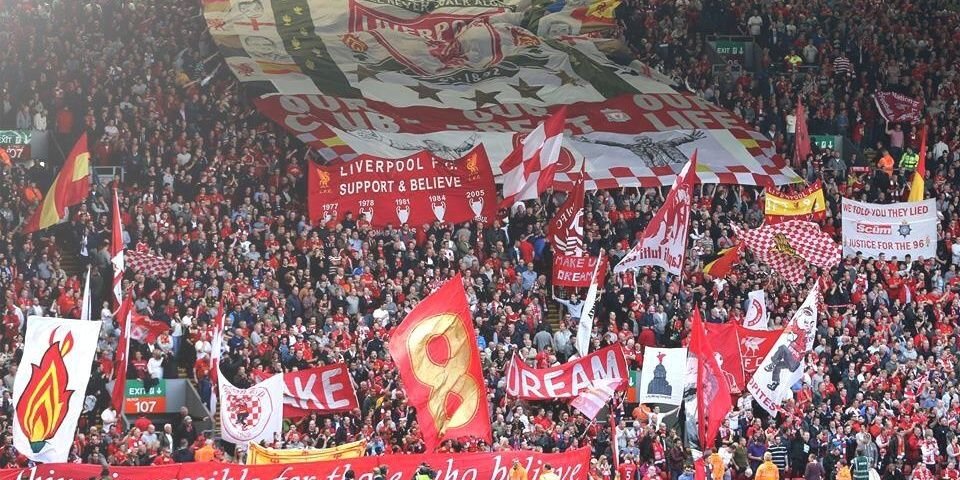
I am 71 years old. I’ve been fortunate enough to attend five World Cups, starting in 1986. Those tournaments weren’t just events to me, they were life chapters. They were about connection, about culture, about standing shoulder to shoulder with people from every corner of the world, united by the game we love.
But what I’m seeing now breaks my heart.
The current dynamic pricing strategy for the upcoming World Cup feels completely detached from the very soul of football. Yes, this tournament is being played mostly in the United States, and yes, it’s a premium market. But football was never meant to be a luxury product reserved for the highest bidder. It belongs to the people. Always has. I looked back fondly at USA 94 and everything we did then to fill stadiums and bring the game to life for Americans who were just dipping their toes into the water of the beautiful game.
Right now, it feels like the average, passionate supporter, the ones who save for years, who travel across continents, who bring the color, the noise, the spirit, are being pushed out. Replaced by a model that prioritizes revenue over reality.
That’s a dangerous road because once you lose the authentic fan, you lose the essence of what makes the World Cup special.
I say this not just as a fan, but as someone who has spent a lifetime in and around the game. During my time at EA SPORTS, we stood shoulder to shoulder with FIFA when they needed it most. Our game kept millions of fans connected to football and to the World Cup when trust in the organization was at its lowest. We helped carry the flame.
Which is why this moment feels even more disappointing.
This may well be one of the last World Cups I have the chance to attend and I find myself wondering if the game I’ve loved all my life is slowly drifting away from people like me, and far more importantly, from the next generation who deserve to feel what I felt in 1986.
The World Cup should unite the world. Not divide it by price.
Football deserves better. And so do the fans. Come on @FIFAcom , sort this out… It’s not too late.
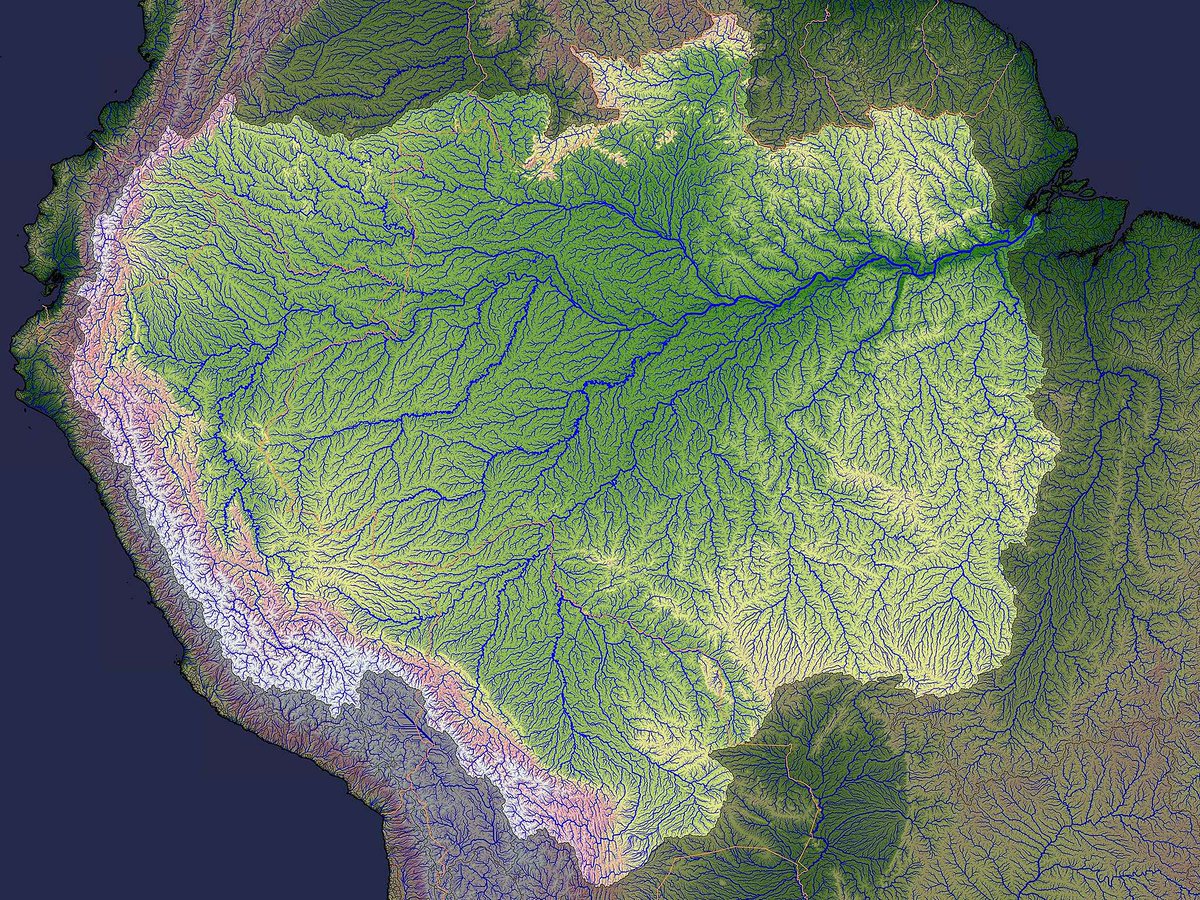
The full extent of the Amazon River basin
The Amazon River basin covers about 7 million km², making it the largest drainage basin on Earth. It stretches across nine countries, with around 60 percent lying in Brazil and the rest spanning Peru, Colombia, Venezuela, Ecuador, Bolivia, Guyana, Suriname, and French Guiana. It drains close to 40 percent of South America through more than 1,100 tributaries, including about 17 considered major rivers.
The Amazon River itself is the most voluminous in the world. On average it discharges around 200,000 cubic metres of water per second into the Atlantic Ocean. That accounts for roughly 15 to 20 percent of all the freshwater entering the world’s oceans. In flood season the river can swell to more than 40 kilometres across in places and flood vast areas of forest, creating seasonal wetlands that support enormous biodiversity.
The Amazon basin contains the largest tropical rainforest on the planet. It is home to at least 10 percent of all known species, including more than 40,000 plants, over 2,000 fish, around 1,300 birds, 400 mammals, and hundreds of amphibians and reptiles, with millions of insect species still being catalogued. The rainforest acts as a critical carbon sink and plays a central role in regulating the global climate.
The region is also home to more than 30 million people, including over 350 Indigenous groups, many of whom rely directly on the forest and rivers for their livelihoods and cultural traditions. Some communities remain largely uncontacted, living deep within the forest.
The Amazon is often called the "lungs of the Earth" because of its immense role in producing oxygen and storing carbon. Scientists emphasise that its health is vital not only for South America but for the entire planet.