Ok it’s time for the $BP thread. I will demonstrate that BP is a terrible company to interact with in any way, whether you work there, doing business with BP, or (heaven forbid) are a shareholder. I’ll try to organize this in a logical faction.
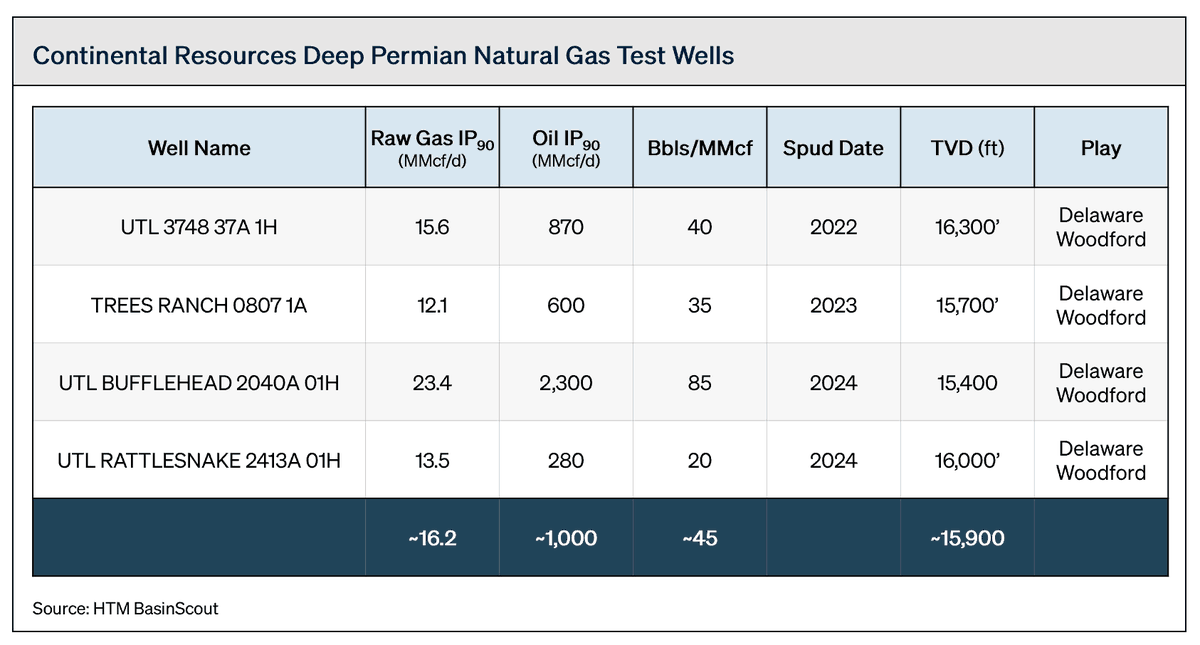
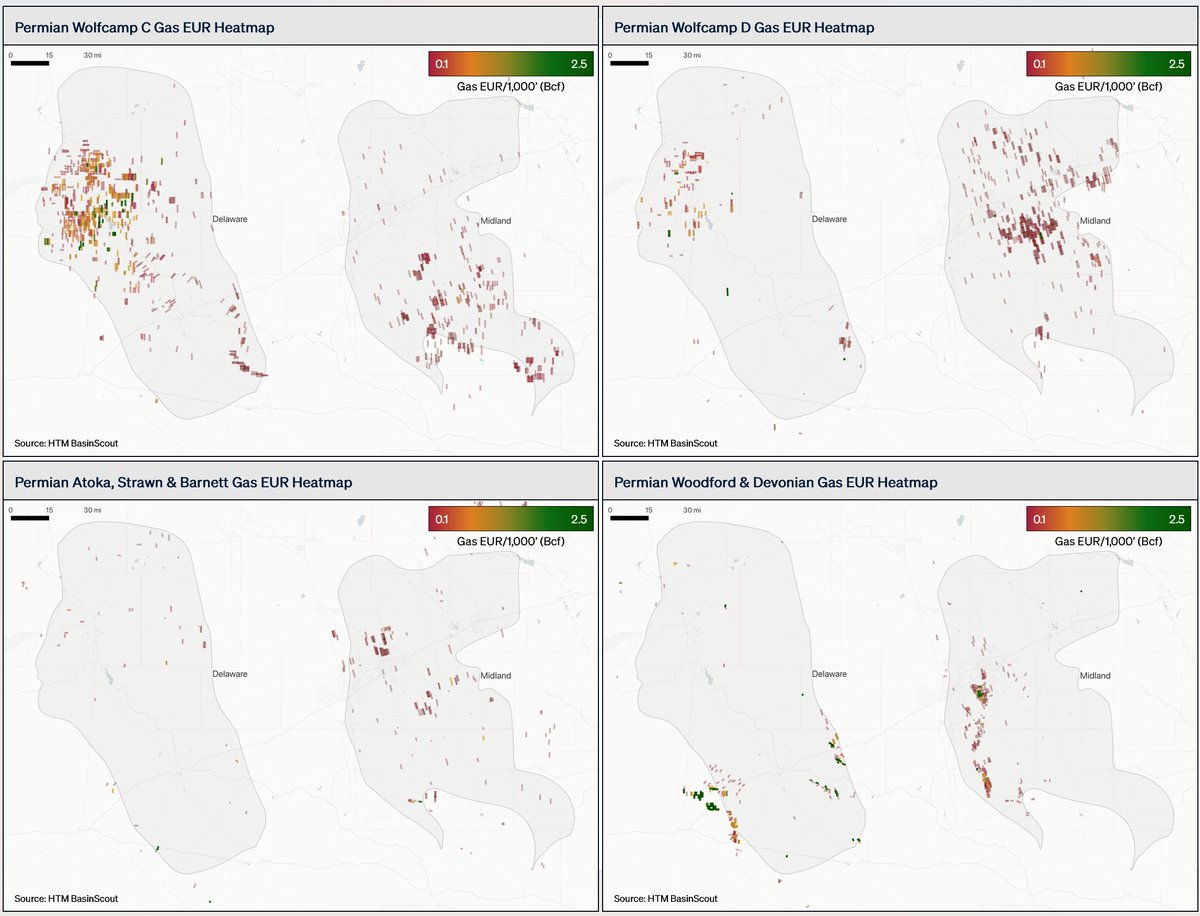
@NextWaveEFT@ShaleTier7 You also didn’t include ultra deep dry gas like Highlander and Davy Jones. They just drilled one more a couple months ago. The think they can put like 5 or 6 of those things down.
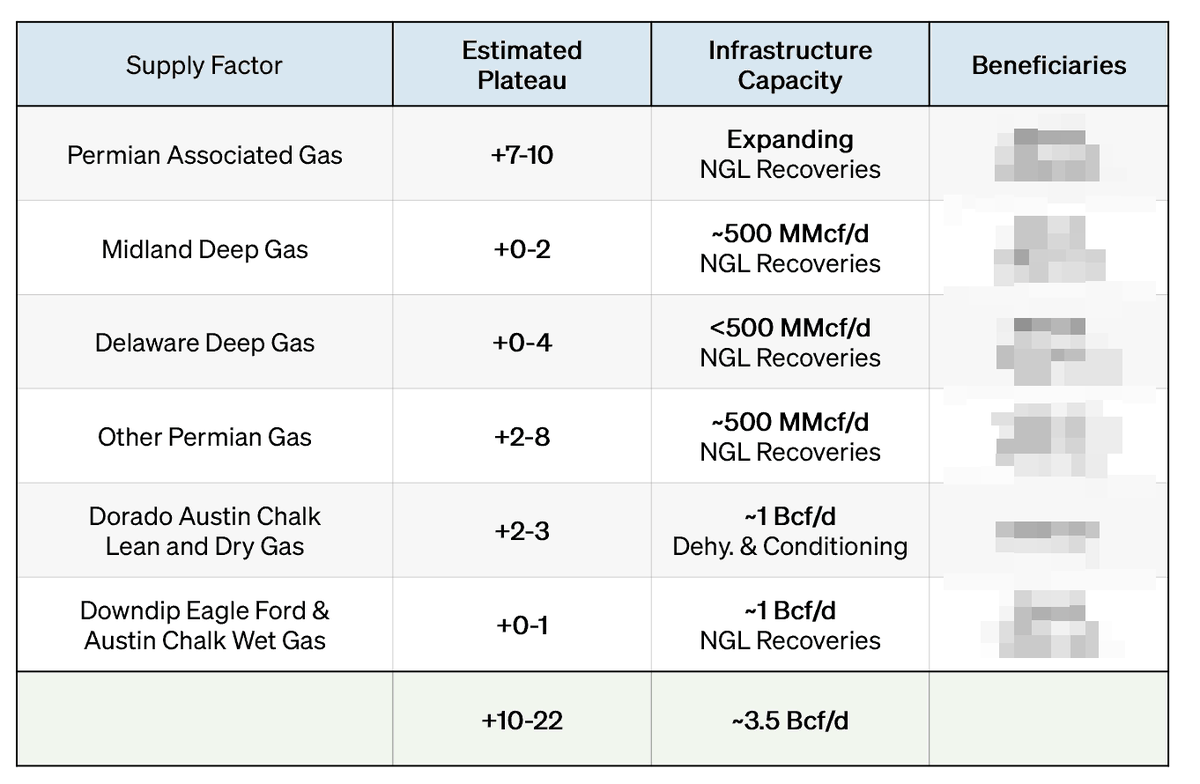
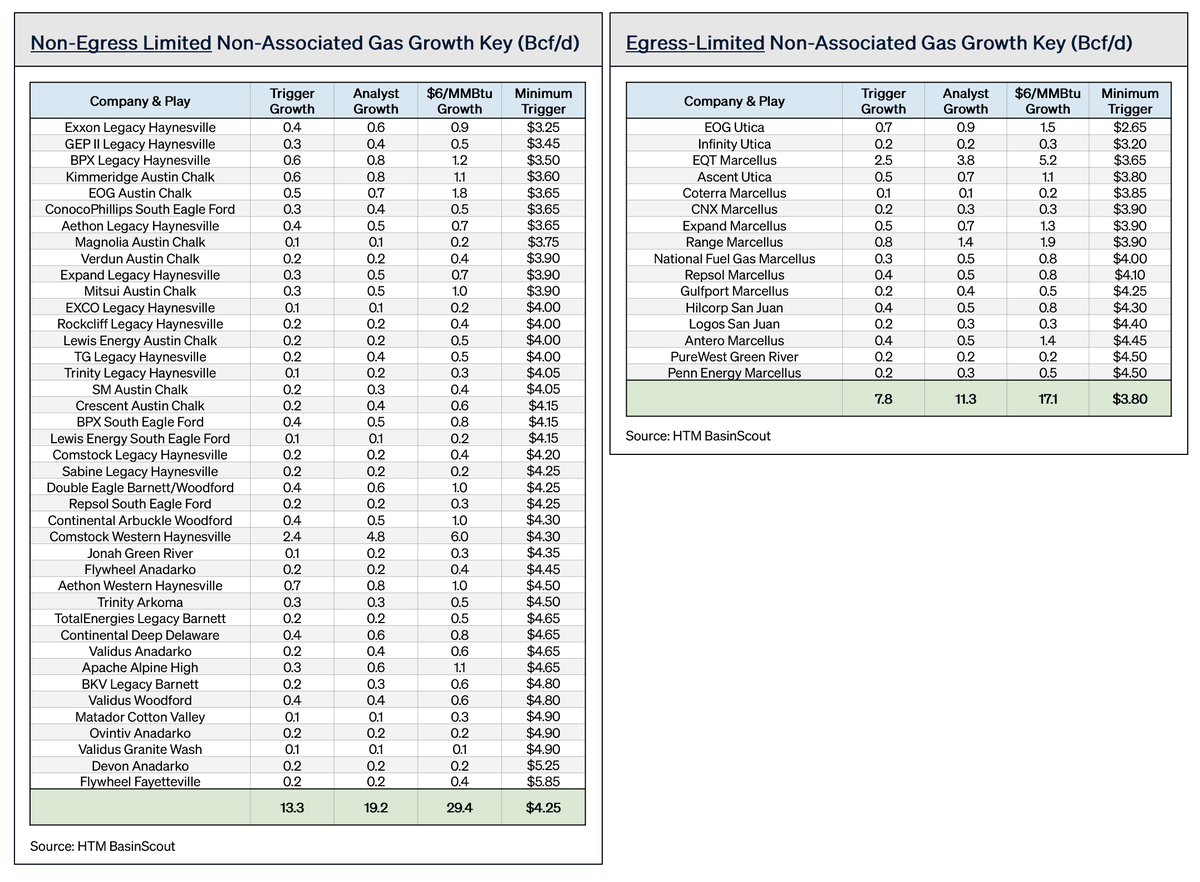
I did the same thing. How can the conclusions be so radically different. Nobody that truly forecasted out *EVERY* single asset, especially the upstream supply part of things; can arrive at the conclusion we'll be short of gas.
At best you can arrive at the conclusion the price of gas will be like $1.50/MMBtu higher. I have a feeling that the "16 months of research" was just shoe-horning data to fix a preexisting narrative.
Again, I'm bullish gas. But a fatal flaw of a lot of these guys models, is they; a) grossly underestimate the amount of supply that isn't "obvious", and they b) grossly overestimate the inelasticity of international demand. Remember that $10/MMBtu gas in the US is $15/MMBtu gas in Asia, and electricity switching is becoming easier, especially as China tries to push their solar exports.
On the supply side, it's easy to not understand what "Tier 2" really means. A core/Tier 1 Marcellus well might do, for our sake, 25 Bcf EUR and have a $2.15/MMBtu realized gas breakeven behind ~$1.10/MMBtu of basis/tolls/whatever. A Tier 2 Marcellus well (of which there are thousands) may recover just half the gas at 12 Bcf EUR, but has a realized gas breakeven of $2.90/MMBtu, so ~$4/MMBtu Hub. Even if new pipe tolls are $1.65/MMBtu that's ~$4.50/MMBtu to bring like another 50-100 Tcf of gas into the market. Or effectively 15 Bcf/d of production for 10 years.
This doesn't even touch the Green River, Piceance, San Juan, Arkoma, and Barnett, Fayetteville & Haynesville refracs, Canada imports -- anything. There are too many moving parts to say "we're going to run out of gas" with any level of reasonable confidence. Again, maybe "a buck higher sounds fair within 5-10 years", but not "2030 we're going to run out of storage".
If the thesis was infrastructure is a limiter -- I'm all for that. We haven't built new Appalachia pipelines, we might not even know how to anymore. Absolutely there will be massive regional gaps, or productive capacity that can't make it to an end user somewhere else; but those don't last long and typically aren't structural (well, on a long enough timeline).
But you truly have to have made some massively fatal error to say that we; a) don't have the inventory available, b) we don't have the ability to build infrastructure at all, and c) demand is rigid and won't adjust to higher prices.
Again, I AM BULLISH GAS, for a lot of the reasons within, but it's just blasphemous to say there "is no future supply response". I would like to debate this guy I'll come to your city and we can do it on whatever podcast you choose.
@EnergyCynic when you're oversupplied, marginal cost of supply is what you're trying to drive down - so of course it doesn't hit that today. The market is telling production to go down.
This is fine and interesting, but in both past scenarios there was a war (Middle East, Ukraine) that had people buying energy exposure. Today, war risks all feel like they are for more peace, not less, so not sure you can count on getting bailed out by another war.
Oil divided by the S&P is at the same level as in 1998 and 2020.
In both cases, oil massively outperformed the S&P afterward.
What’s the similarity?
In all instances, oil was hated:
- 1998: The dot-com bubble sucked all liquidity out of the market, espec
- 2020: Oil went negative.
- Today: AI is absorbing all liquidity while trade wars spread uncertainty.
Lesson:
At extremes, you want to rotate out of hype and into hate.
@EnergyCynic Kid over here. We’re not all dumb, and the only difference between a good 50 year old analyst and a good 30 year old analyst is the number of times they’ve been wrong (20 more years of it), but hit rate isn’t necessarily better
@StreetBomber Yeah this is dumb. Doesn’t mention frac crew composition (simuls, larger pads) and acreage changes (a whole lot less rig move time) that makes a huge difference.
@EnergyCynic While I don’t disagree, the problem with “inflation adjusted” oil prices is that service costs are down in absolute and real dollars, so it’s really not as bad as this makes it look
@FracSlap Problem is permanent impairment to acreage from doing things the wrong way. We might get a lot smarter from here, but the best stuff has all been chewed through, so you’re just gonna make crappy less crappy
It’s amazing how after hearing about LNG, data centers, etc. we’re about to head into shoulder season and gas is sub $3.00 again.
What are these people doing?