Every time a new tool is released to the public, the same quiet drama unfolds.
Some complain about the tool itself.
Some complain about the people who dare to use it.
Some complain the loudest while secretly using it behind closed doors.
It happened when photography took the place of painting.
It happened again when digital photography took the place of film.
I watched it when I first stepped into computer graphics.
I felt it when I switched to digital photography.
I even heard it in a coffee shop — people asking what was wrong with the traditional tea house, as if the new ritual somehow insulted the old one.
Now they say it’s time to go paperless.
I already know the script by heart.
Yet one quiet truth sits underneath all of it, the same truth I once noticed about accounting:
the tools keep improving, keep changing, keep arriving with new names and new surfaces…
but the work itself remains exactly what it was on day one.
Paper or screen.
Pencil or stylus.
Ledger or software.
Canvas of any kind.
The tools are temporary.
What matters is that you still have something in mind to fill them with.
That part never changes.
#ArtificialIntelligence #Innovation #Creativity #Leadership #Technology #FutureOfWork #DigitalTransformation #DesignThinking #Adaptability #CreativeProfessionals #Photography #Craftsmanship #AI
I came back after a decade.
The streets looked the same at first glance—same dusty corners, same old shop signs, same faces that had just aged a little. But something felt off. The city seemed… cheaper.
Not in a good way. In a strange, quiet way.
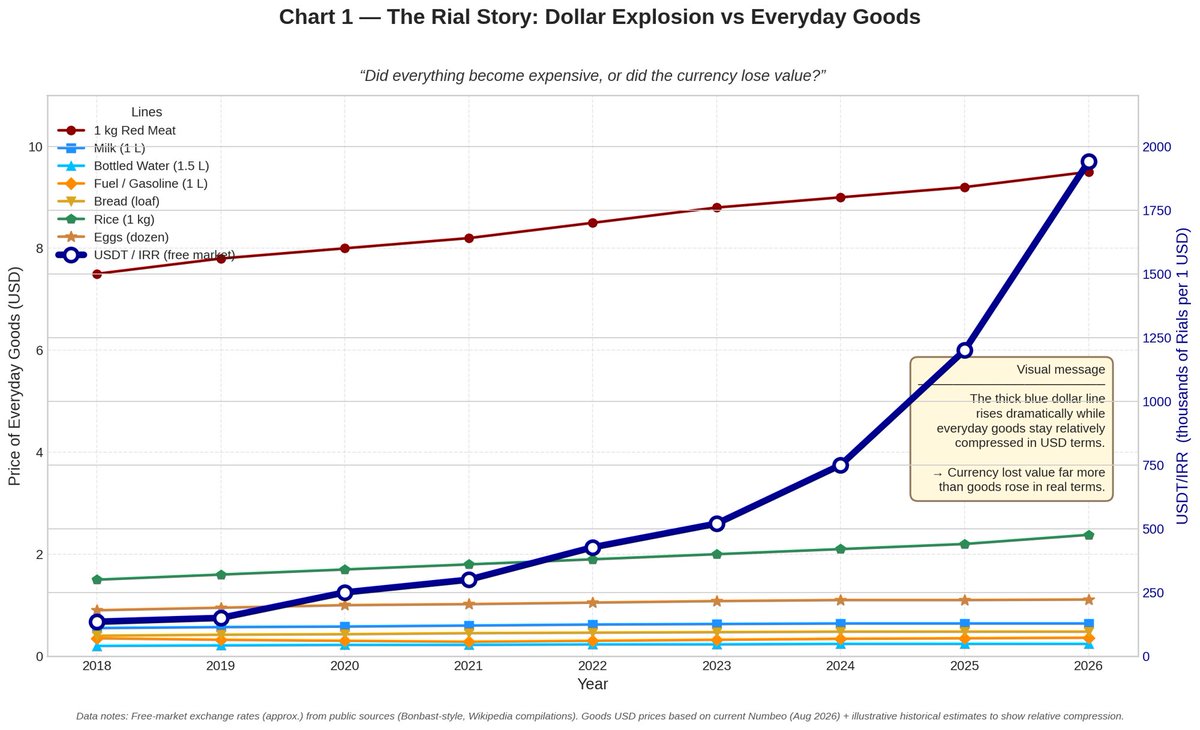
A kilo of meat still cost what it roughly cost in dollars ten years ago. A bottle of water, a loaf of bread, a liter of fuel—when you translated them into real money, they hadn’t exploded the way the numbers on the price tags suggested. The tags themselves were insane. Six zeros where there used to be three. Prices that felt almost unreal if you still measured value the way you once did.
Yet the city felt lighter somehow. As if the weight of things had been hollowed out.
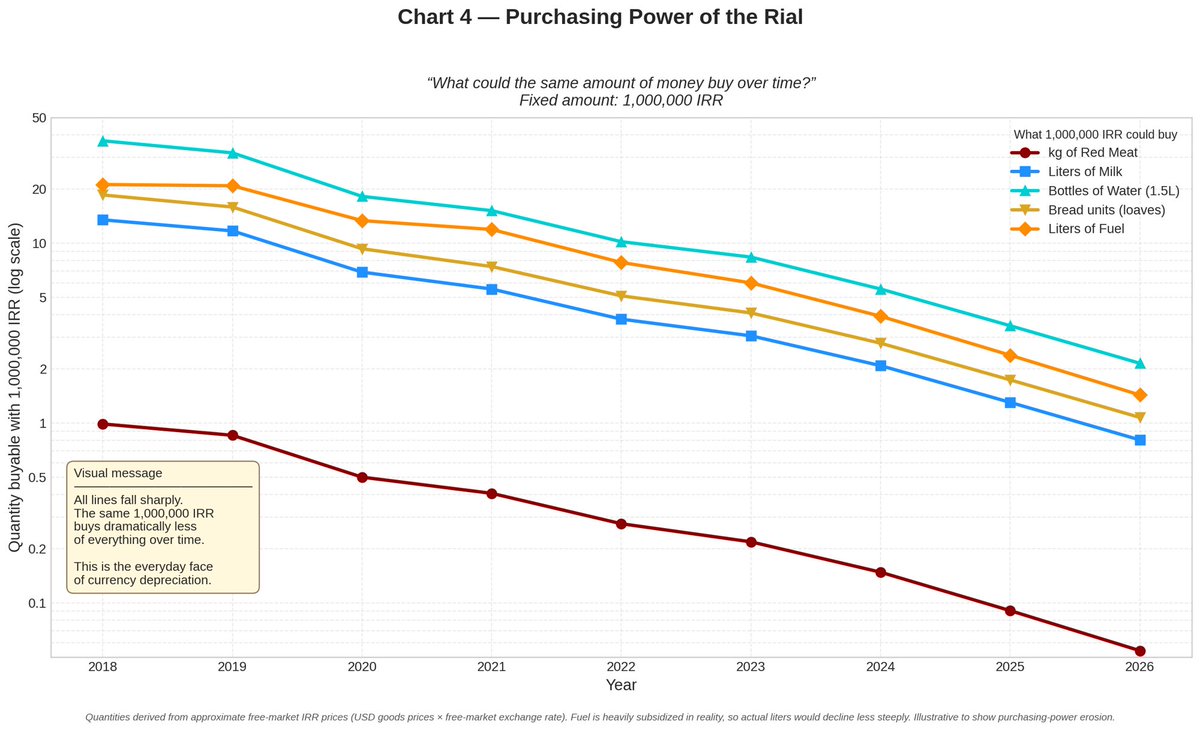
I stood in the market holding a note that used to mean something. Now it bought almost nothing. The same amount of paper that once filled a small basket now barely covered a few items. People counted money faster, stacked thicker piles, spoke in higher units without blinking. The numbers had grown enormous, but the actual things they represented had stayed roughly the same size—or even shrunk a little when measured against the outside world.
That was the quiet truth I kept running into.
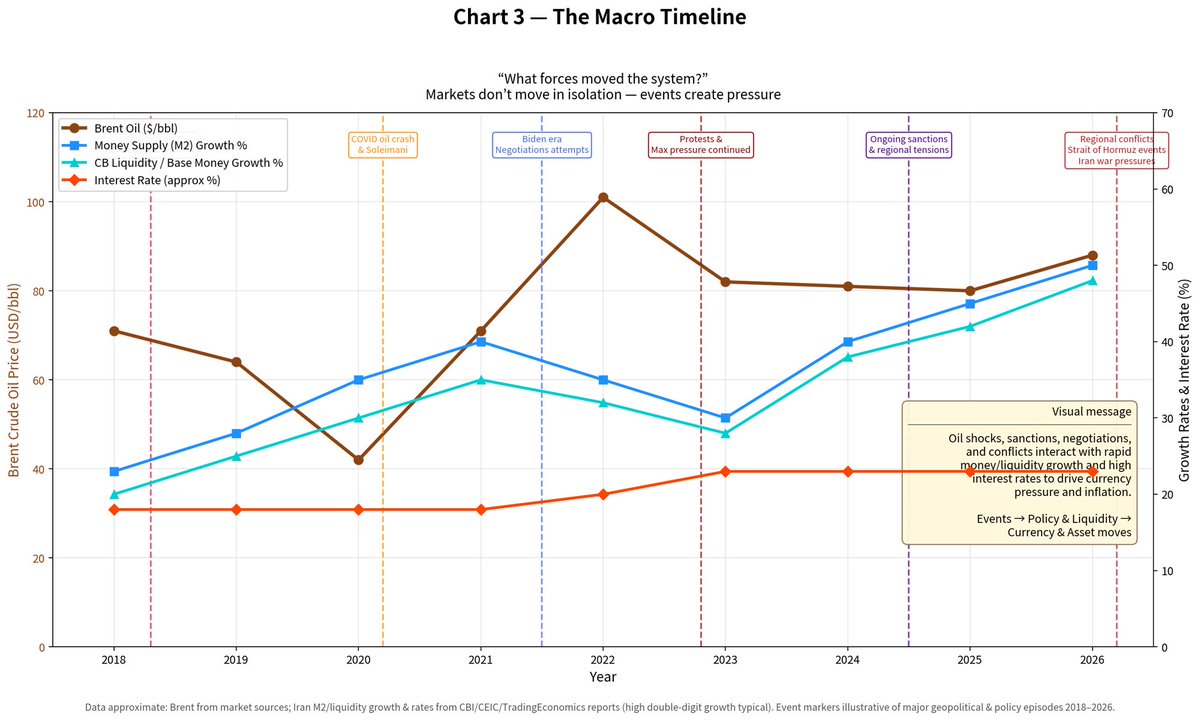
The currency had collapsed. Not the goods. Not the city itself. The measuring stick had been stretched until it became almost meaningless. What looked like wild inflation from the inside was mostly the slow, steady disappearance of the rial’s value. Everything else was just trying to keep up with a vanishing unit of account.
I walked past my favorite pizzeria. The same smell hit me the moment I opened the door. Same quality, same crust, same sauce. But the pizza itself had quietly shrunk an inch or two in radius. The price on the board was a number I would have laughed at a decade ago. Yet when I converted it, it was almost exactly what it had been. The city hadn’t become richer or poorer in real terms the way the headlines suggested. It had simply been forced to speak in a louder, emptier language.
And that emptiness was everywhere.
The expensive-looking numbers. The thick stacks of cash. The quiet resignation in people’s eyes when they paid. All of it pointed to the same fact: the money itself had become the problem. Not the meat, not the milk, not the rent measured in hard terms. The unit we used to measure value had lost most of its meaning.
If you ask me, I was the richest man of now, back then — for the quality I’d been consuming is a luxury now.
I stood there for a long time, watching people buy the same things with far more zeros.
The city seemed cheaper. The numbers were way higher.
And both things were true at the same time.
#Rial #IranEconomy #PurchasingPower #CurrencyCollapse #BackHome
The time of our parents was the time of photographs.
A fixed frame… Like a window that remained open toward the same garden for years.
A single moment… Captured in the passage of time, becoming a lifetime of memories. A moment that often showed only one side of life — just one good side.
Our time was the time of movies and series. Like a long river. A river you could sit beside, watch its flow, and revisit its moments again and again in your mind;
a film that was not merely watched, but slowly settled inside you. We played a song so many times that, like the quiet sediment of a river, it formed deep layers inside our minds.
But now we live in the era of 30-second lives.
Today’s generation is the generation of scrolling; the generation of endless glass windows in a never-ending shopping mall. The world feels like an elevator with infinite floors. They only feel one fingertip touching the screen, and every small movement takes them to another floor—without ever truly standing anywhere, without ever stepping out. Every floor, every emotion, is only a passing wave; it arrives, trembles for a moment, and before it can settle, it is replaced by the next one.
It feels as if behind every scroll, a door opens to a new world; and this endless hope prevents any place from ever becoming a “shore.”
Everything remains in motion.
Nothing ever settles.
An image… Like a spark inside the dark elevator of the mind. Then darkness again.
A feeling…Another spark, never given enough time to stay.
An experience… Like a wall in front of an elevator — something you only pass by, never truly encounter.
The next image… A small movement to leave. Like blowing out a candle that never had the chance to give warmth.
The next image… Skipping past it… Like a wave that disappears before ever reaching the shore.
The next image… Forgetting… Like sediment that dissolves back into the river before it can settle.
Maybe what we are losing is not the images.
Maybe we are losing the ability to stand at one point in the river — the place where the water becomes calm, where things settle,
and where meaning begins to form.
The ability to stay… Like a stone at the bottom of a river: allowing the water to pass around it, but never losing itself.
The ability to focus… Like sediment slowly building layers of meaning in stillness.
And the ability to go deeper… Like someone who finally steps out of the elevator and, for the first time, chooses to stay on one floor.
#AttentionEconomy #DigitalAge #DigitalMinimalism #SlowLiving #DeepThinking #HumanPsychology #TheScrollGeneration #The30SecondGeneration
#TheScrollGeneration
#TheAgeOfScrolling
#FragmentsOfAttention
#TheLostArtOfStaying
#DepthOverSpeed