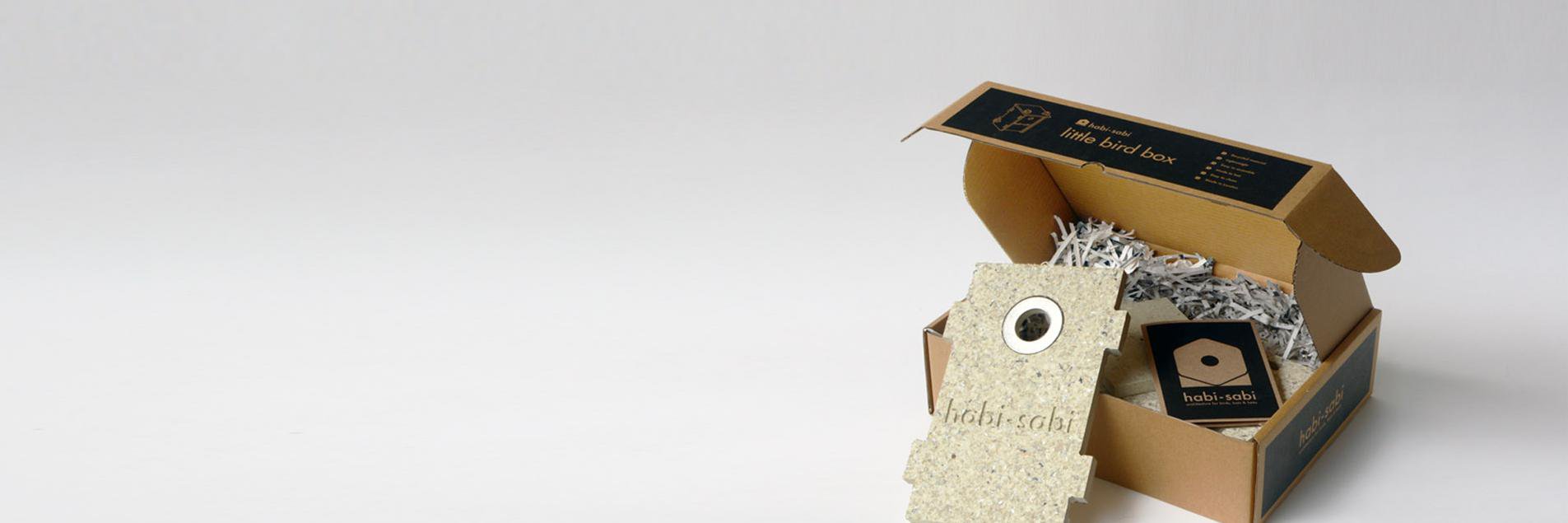
Architecture for birds, bats and bees. Flat packed homes for our urban wildlife. Proudly designed and made in London by @51architecture from recycled material.
But seriously , what has nature ever done for us ? You know , apart from the air we breathe , the food we eat , making us healthier . . .
Brilliant new ad from @zerohour_uk to promote their Climate & Nature Bill campaign , take action at https://t.co/wKiNkqgGsn
#EarthDay
Despite this sad news the habi-sabi garden has toad spawn for the first time - in a reclaimed Belfast sink kept topped up for them - after finding and rescuing one in the street a years back 🐸 #architectureforotherspecies https://t.co/Q1iKxpRiiO
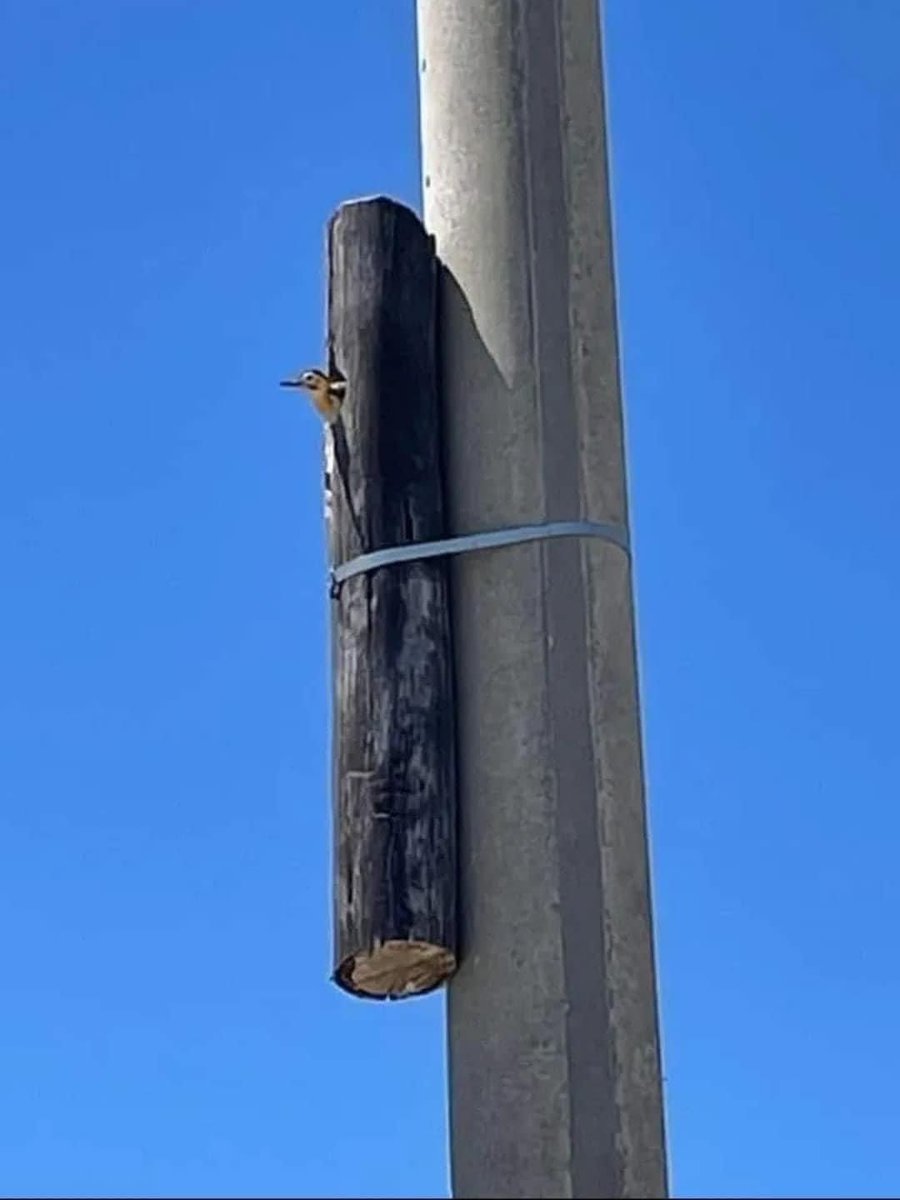
In Ucacha, Argentina, wooden light posts were replaced with concrete ones. Parts of the wooden posts with woodpecker nests were cut and attached to the corresponding concrete post, at the same height and nests were saved!#architectureforotherspecies via David Attenborough fans
Swift eggs are laid in May. By August, the young birds fly: a maiden journey lasting 2-3 years without landing. As babies they snuggle + winnow like this, inches away from where we sleep, sharing our walls. Help them Sign #TheFeatherSpeech petition https://t.co/lboVopkAgB
Community orchards provide food for humans, but they also benefit wildlife, cool the urban landscape, and clean our air, making them one of our most powerful assets in the fight against climate change.
#NoBrainerDay#conservation#urbanhabitat
Bravo @cityoflondon ! & lest we forget, humans are not the only species to concern - the majority of other mammals and many birds are nocturnal and severely impacted by light @FT#architectureforotherspecies
Packing the pollen!
Hazels are such a great source of pollen for bees at the moment. They collect pollen because it’s the protein needed to feed bee larvae.
If you’d like to know more about which plants to grow to help bees then take a look at our book - 80 Flowers for bees