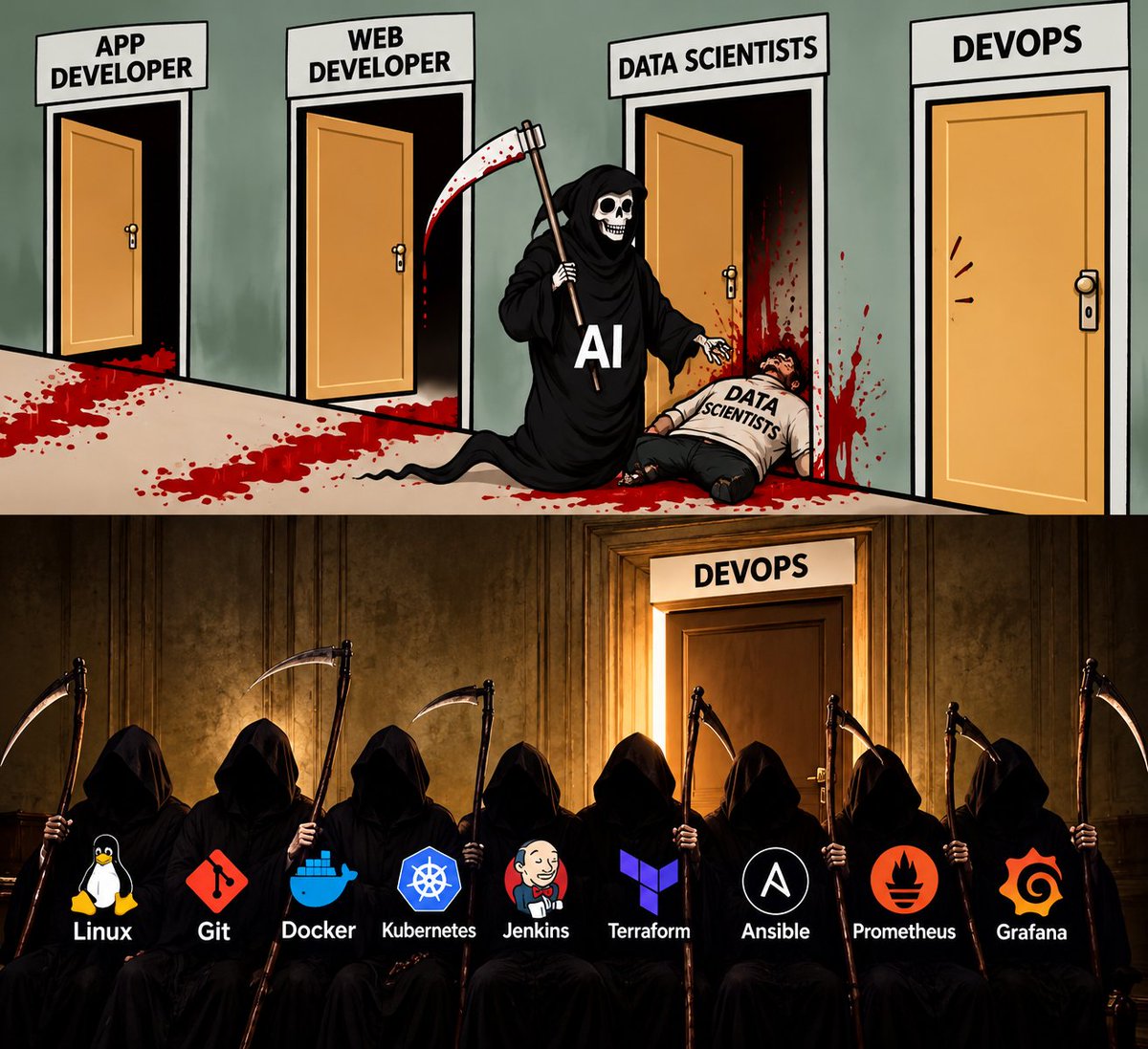
Kubernetes feels overwhelming…Until you break it into small steps.
Step-1: Understand Why Kubernetes Exists
Step-2: Learn Pods
Step-3: Learn ReplicaSets
Step-4: Master Deployments
Step-5: Understand Namespaces
Step-6: Learn Services
Step-7: Work with ConfigMaps
Step-8: Secure Apps with Secrets
Step-9: Learn Persistent Storage
Step-10: Master Ingress
Step-11: Learn Observability & Debugging
Step-12: Run Real Applications on a Cluster
One step at a time.
WAF Bypass Techniques + Tools
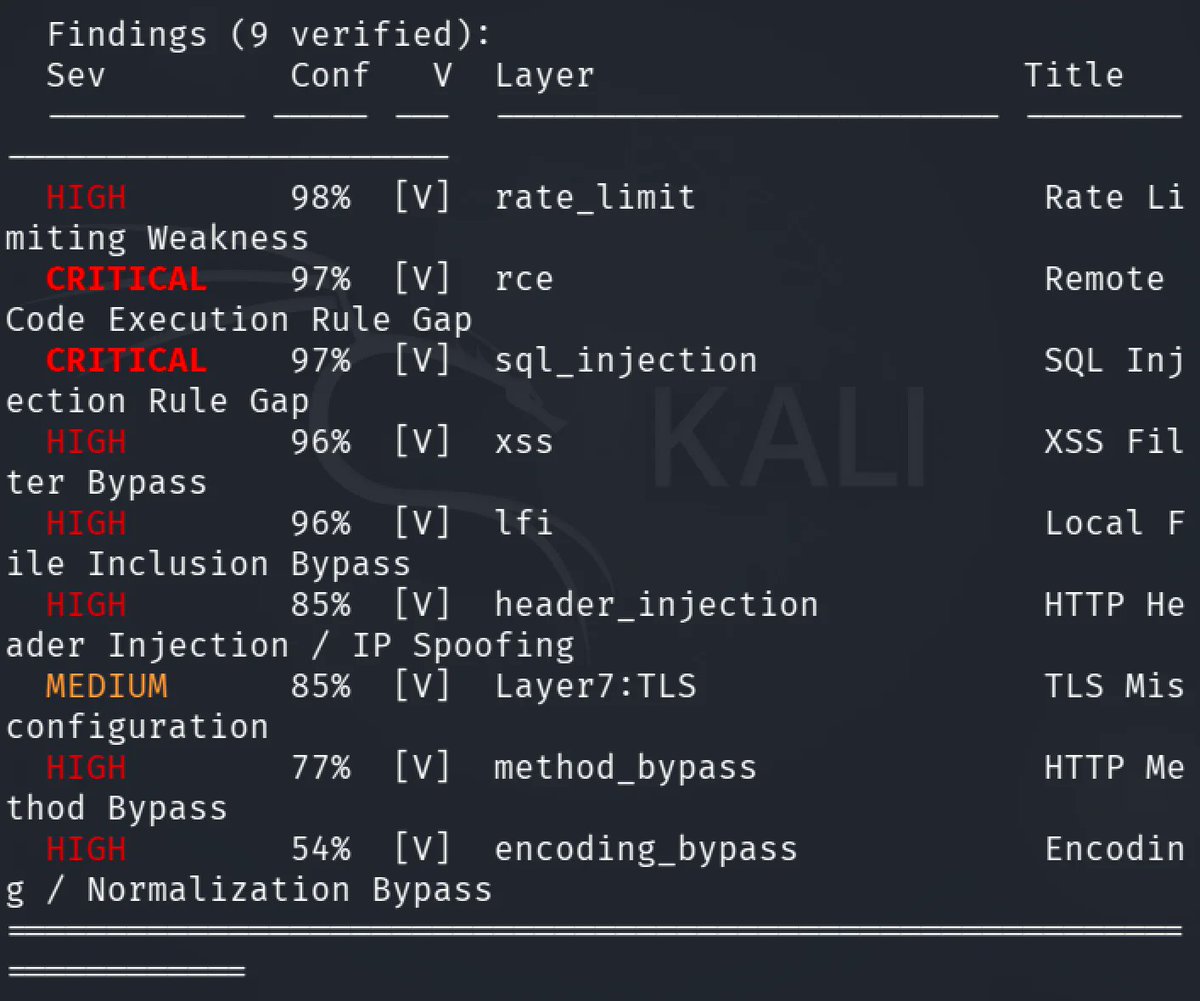
Here are some powerful tools and methods to help you bypass Web Application Firewalls during bug hunting:
### Tools:
- wafw00f — WAF fingerprinting tool
→ https://t.co/mGQrjWEmWx
- bypass-firewalls-by-DNS-history — Discover origin IPs via old DNS records
→ https://t.co/h2XF2LkjNe
- CloudFail — Excellent for bypassing Cloudflare
→ https://t.co/46wNsZubh1
### Effective Bypass Techniques:
1. Origin IP Discovery — Use historical DNS records (Censys, etc.) to find the real server IP and connect directly.
2. Dev/Staging Subdomains — These often don’t have WAF protection.
3. Case Variations — Try SeLeCt instead of SELECT
4. Comment Injection — SE//LECT
5. Multiple Encodings — URL → Double URL → Unicode, etc.
6. Parameter Pollution — ?id=1&id=2
7. HTTP Method Swap — Change from GET → POST → PUT
8. Content-Type Swap — Switch between form-data, JSON, XML
9. HTTP/2 Cleartext — Some WAFs only inspect HTTP/1.1
Quick WAF Detection Command:
curl -I https://t.co/PA5t3ork0c | grep -iE "server|cdn|cf-|x-"
Save this for your next bug bounty hunt! 🔥
#BugBounty #WAFBypass #BugBountyTips #Infosec
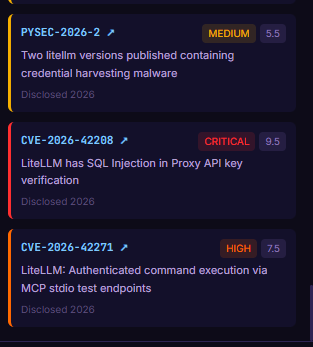
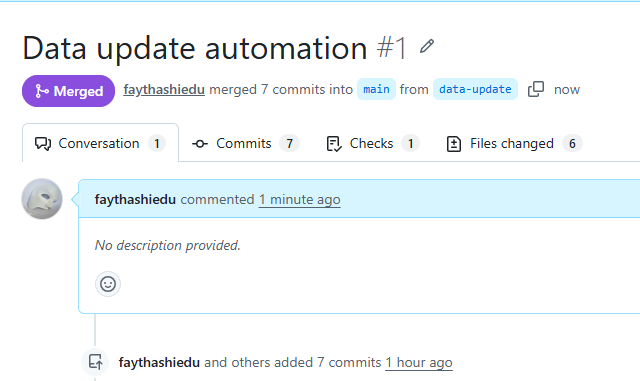
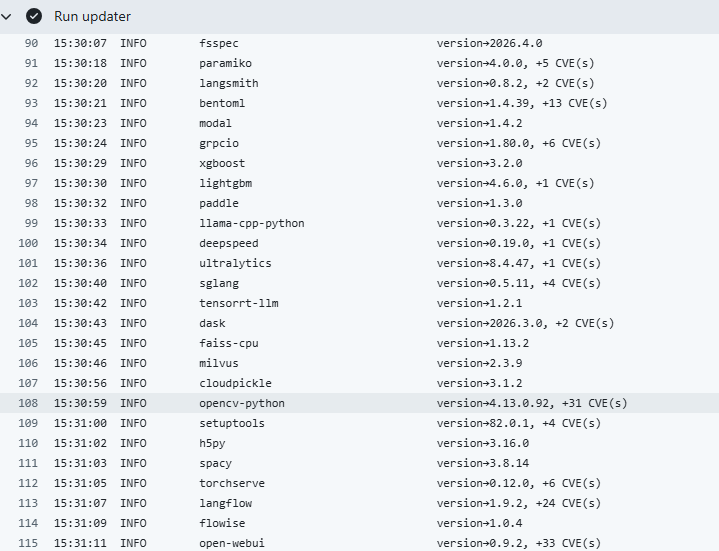
New update!!!
Data automation process done.
It now fetches latest CVE's and incidents for all packages/nodes available automatically
Check it out here: https://t.co/oWOLAYBM02
Give it a star on github 🥹 : https://t.co/lHaqobrdQZ
Thank you for your feedback everyone, keep it rolling😊
What feature should I implement next?
Top Security & Common Ports + Easy Ways to Memorise Them
22 → SSH
Memorise: "22 looks like two Ss" → Secure Shell
80 → HTTP
Memorise: "80 = Hold The Phone" or "Ate the web" (everyone uses it)
443 → HTTPS
Memorise: "443 = triple lock (4-4-3)" or "Four Four Three = Secure Me"
23 → Telnet
Memorise: "23 = Michael Jordan (jersey 23) hits nothing but net" (Tell ’em = Telnet)
25 → SMTP
Memorise: "She Mailed Twenty-five Packages" or "2+5=7 → postman at 7"
21/20 → FTP
Memorise: "20-21 = FTP → Full Time Partier until 21 got self Control" (20=Data, 21=Control)
53 → DNS
Memorise: "Dad! No Salt! You’re 53!" or "5-3 syllables = Domain Name System"
3389 → RDP
Memorise: "RDP to see my screen at 3389" or "big remote number (33+89)"
445 → SMB
Memorise: "445 = bad port" (WannaCry favourite)
3306 → MySQL
Memorise: "3306 = My SQL" (easy database association)
Comment your favourite port number from this.😂
Follow for more and Save for Later.
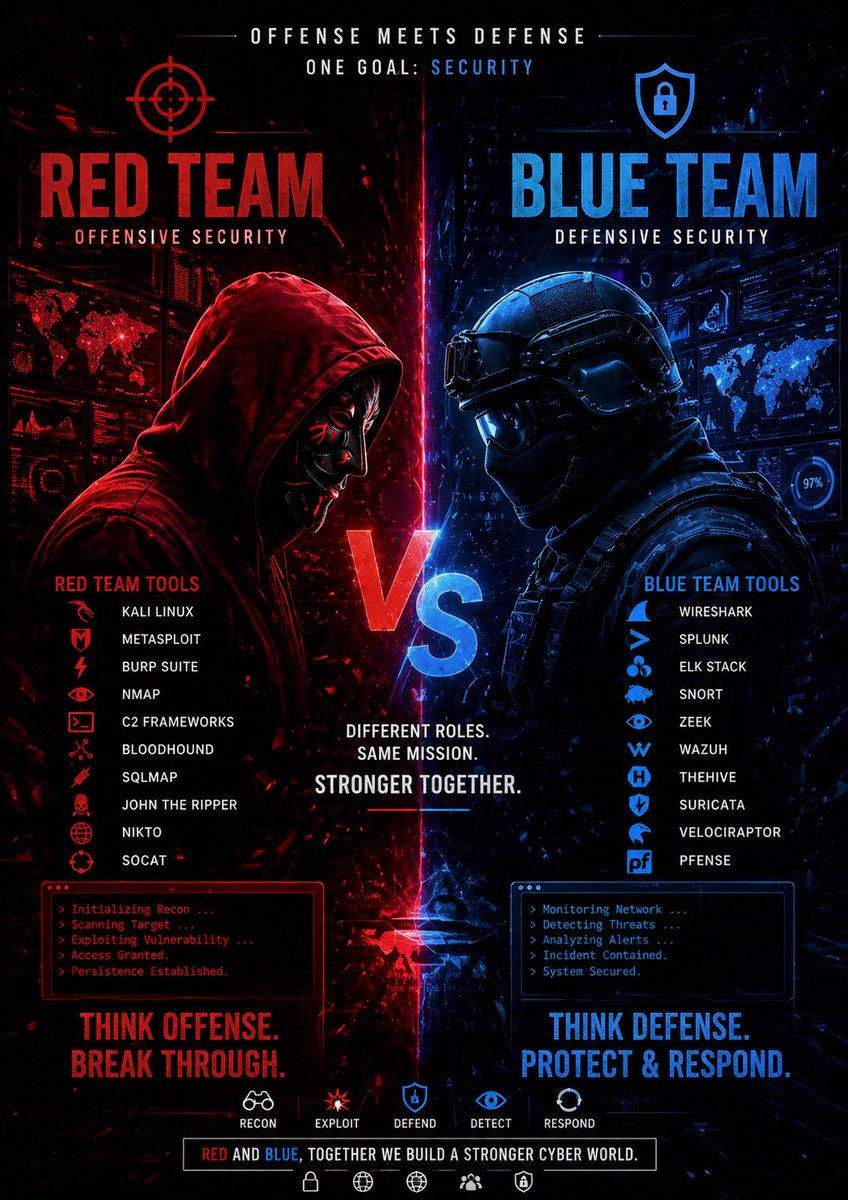
Red Team vs Blue Team: Offense Meets Defense 🔴🔵
In cybersecurity, Red Teams simulate real-world attacks to uncover vulnerabilities, while Blue Teams focus on detection, defense, and incident response.
#RedTeam#BlueTeam#CyberSecurity#DefensiveSecurity#OffensiveSecurity
🚀 Mastering GitOps with Argo CD
Tired of manual kubectl updates? It’s time to switch to Argo CD. Here’s why it is a game-changer for Kubernetes:
🛠️ What is Argo CD?
Argo CD is a declarative, GitOps continuous delivery tool for Kubernetes. Instead of "pushing" code to your cluster, Argo CD "pulls" the desired state directly from your Git repository.
🔄 How the Workflow Works:
✔️Source of Truth: Your Git repo holds all Kubernetes manifests (YAML, Helm, or Kustomize).
✔️Continuous Monitoring: Argo CD tracks your repo 24/7.
✔️Drift Detection: It identifies when the live cluster state doesn't match your Git config.
✔️Self-Healing: It can automatically revert manual "out-of-band" changes to keep your cluster secure.
💡 Top Use Cases:
✔️Automated Deployments: Just merge a PR and let Argo CD handle the rest.
✔️Disaster Recovery: Rebuild your entire cluster in minutes using your Git history.
✔️Multi-Cluster Consistency: Manage Dev, Staging, and Prod from one single pane of glass.
✔️Enhanced Security: Reduce direct cluster access by using Git-based workflows and audit trails.
-> GitOps makes deployments predictable, visible, and incredibly easy to roll back.