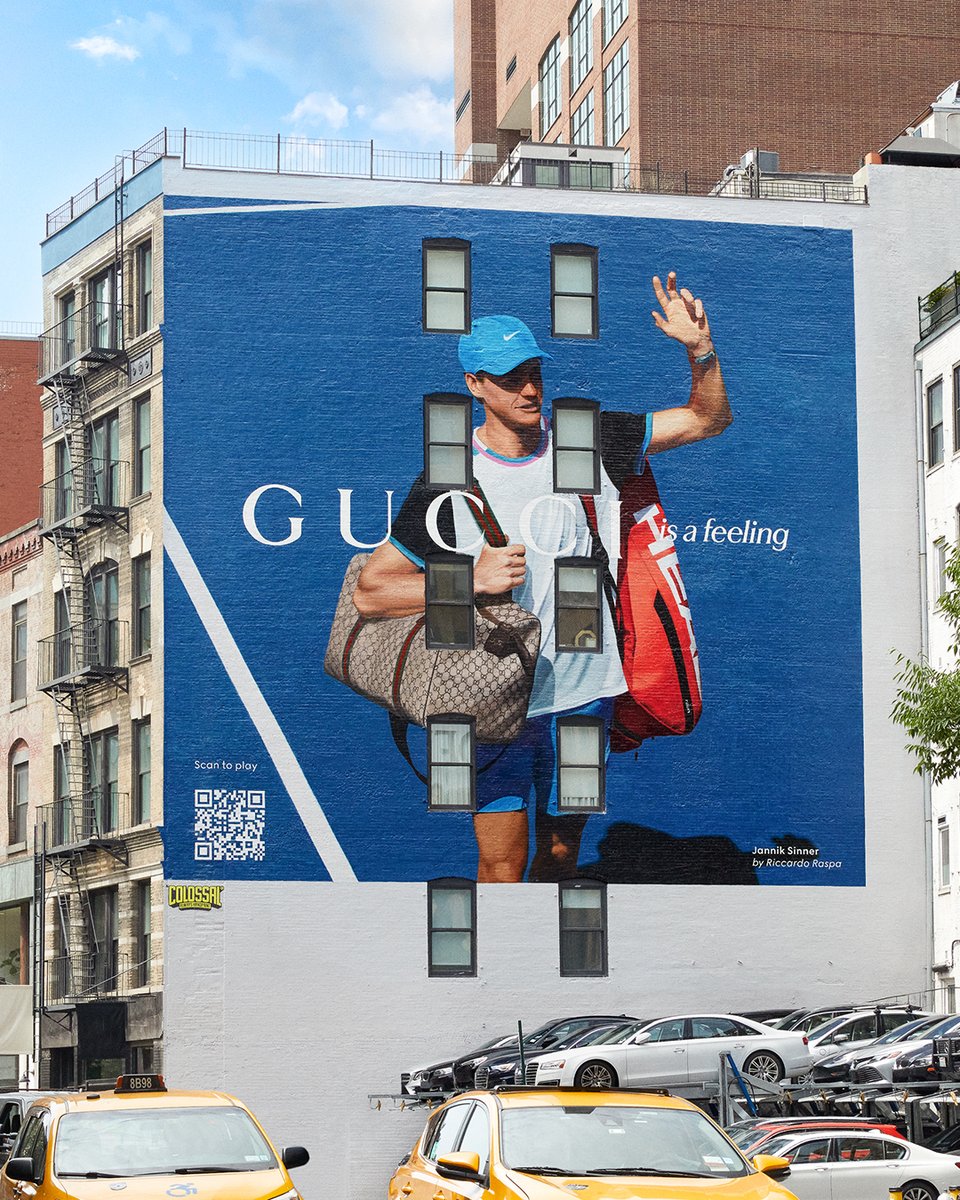
Global Brand Ambassador @janniksin continues his journey with #Gucci in a reportage-style campaign highlighting the tennis player’s talent and unwavering dedication to the sport, captured at training and global tournaments by Riccardo Raspa. https://t.co/IpJobZngSa #JannikSinner
Gucci is a feeling, all around the world. A campaign with Global Brand Ambassador and tennis champion @janniksin pays tribute to the House’s connection with the sport, conveyed through words drawn from an archival #Gucci advertisement. #JannikSinner
Brand Ambassador #ZhangLinghe and #HeCong in Chengdu at a special event for the arrival of #GucciFW24, Sabato De Sarno’s first menswear collection for the House.
Happy #Olympics Opening Ceremony, Hubble-style.
These “rings” show different Hubble views of places in space – from Saturn in our solar system, to dying stars thousands of light-years away.
For more Hubble images: https://t.co/lHpbJ8QqzL
Okay, hear us out: hockey.
Hubble's a great team player, and gets some amazing shots in.
Plus, Hubble captured a pretty cool view of the Hockey Stick Galaxy. Check out the wider view in the thread if you don't believe us!
Here's a look back 100 million years in time.
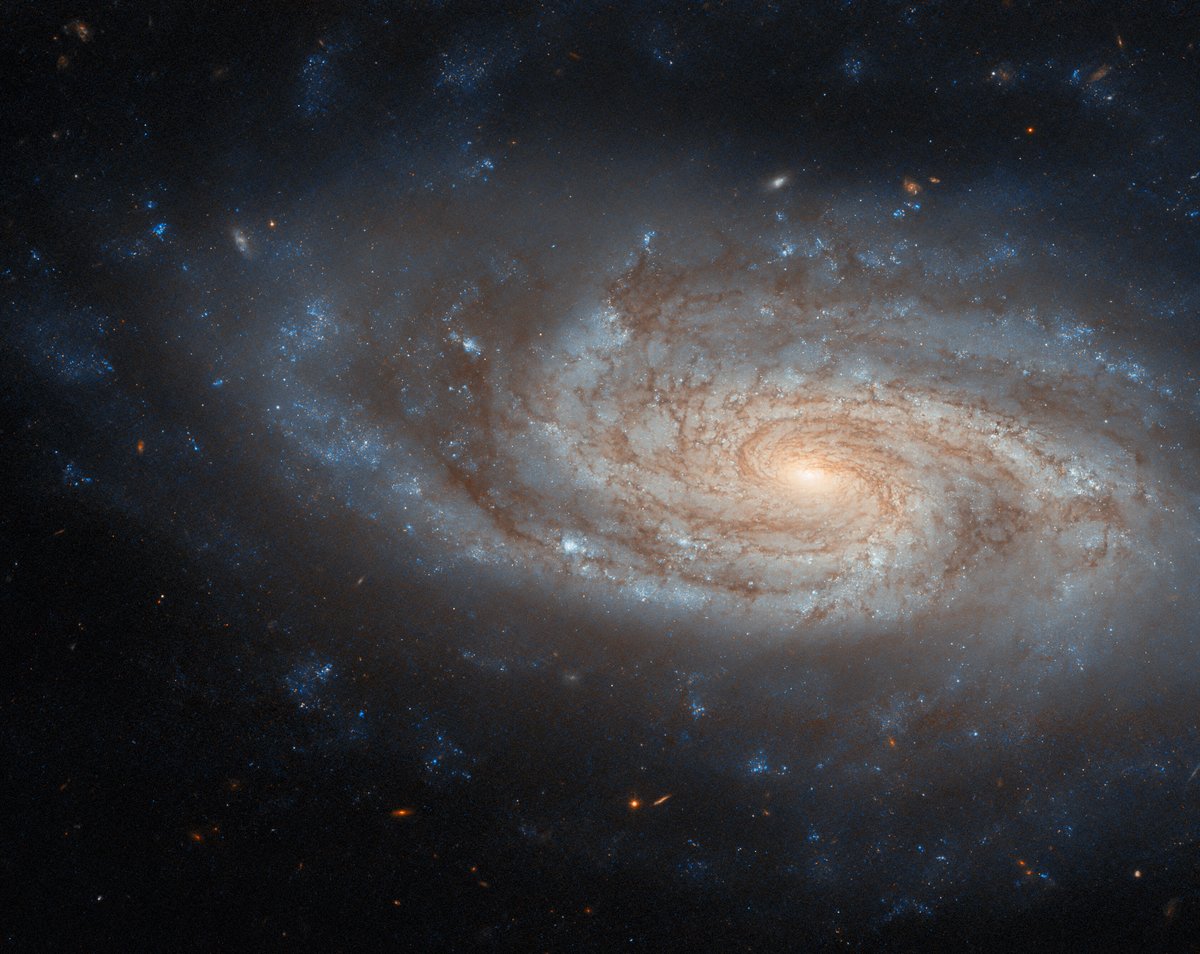
Light from the galaxy NGC 3430 traveled that long to reach us, which means it's located 100 million light-years away!
This #HubbleFriday image shows the galaxy's bright core and array of spiral arms: https://t.co/72Of5m7xYR
Happy birthday, @ChandraXRay! 🥳
For 25 years, Chandra has revealed an unseen universe and answered questions about how our cosmos works and evolves.
Its unparalleled X-ray vision investigates very hot regions, like exploded stars and galaxy clusters: https://t.co/hc5tVDSPCF
@chandraxray When combined with Hubble’s vision – which spans ultraviolet, visible, and near-infrared light – the result is both scientifically and visually stunning.
The images above show just a few examples of how exciting our universe looks across multiple wavelengths!
#Chandra25
A galactic group project!
This image of galaxy NGC 3627 features data from three space-based telescopes!
Hubble's visible-light data is seen in red, green, and blue. @ChandraXRay contributed X-ray data (purple) and @NASAWebb brought the infrared (also in red, green, and blue).
@chandraxray@NASAWebb NGC 3627 resides about 36 million light-years away from Earth.
Chandra reveals evidence for a supermassive black hole in the galaxy's center, in addition to other dense objects like neutron stars.
See more images and information here!
https://t.co/C5JT8PqDkO
@chandraxray@NASAWebb Tomorrow marks 25 years of the Chandra mission!
Its valuable X-ray information has uncovered our universe's most exotic environments and helps scientists understand the structure and evolution of the cosmos.
Hungry, hungry galaxies!
This #HubbleFriday view of the galaxy NGC 5238 seems serene, but its cosmic history shows that it likely once devoured a smaller galaxy.
Find out more about how astronomers use Hubble to find potential galactic mergers: https://t.co/LgI3BBr9Xt
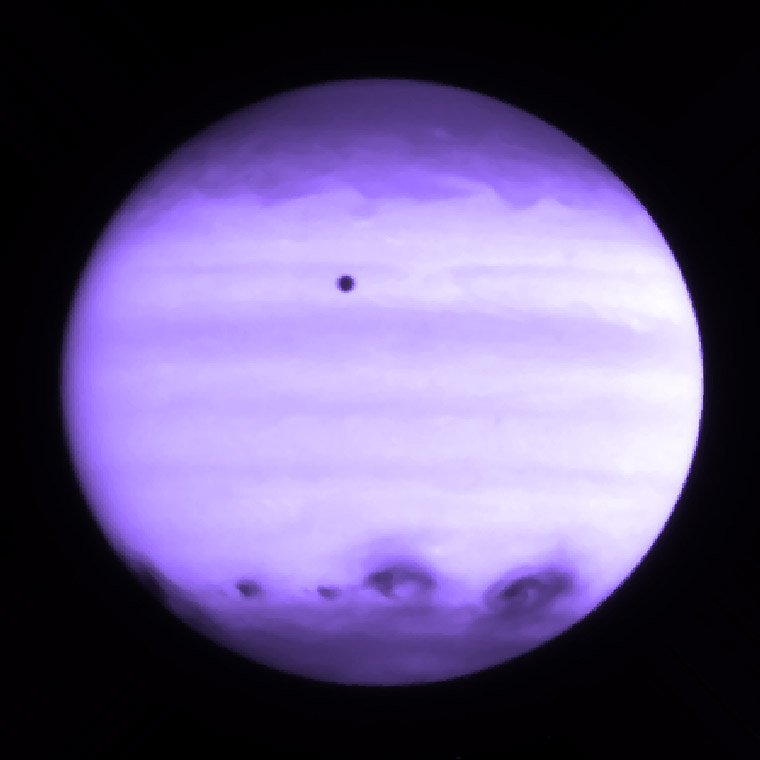
Though you might not recognize it at first, this image shows the planet Jupiter.
Thirty years ago this week, Comet Shoemaker-Levy 9 fragments collided into Jupiter. Hubble made several observations, including this ultraviolet view of the aftermath: https://t.co/OPbGFAOgnw
The impact spots (near the bottom) appear dark in ultraviolet light because a large amount of dust was deposited high in Jupiter's stratosphere, and that dust absorbs sunlight.
Jupiter's moon Io is the dark spot just above the center of the planet.
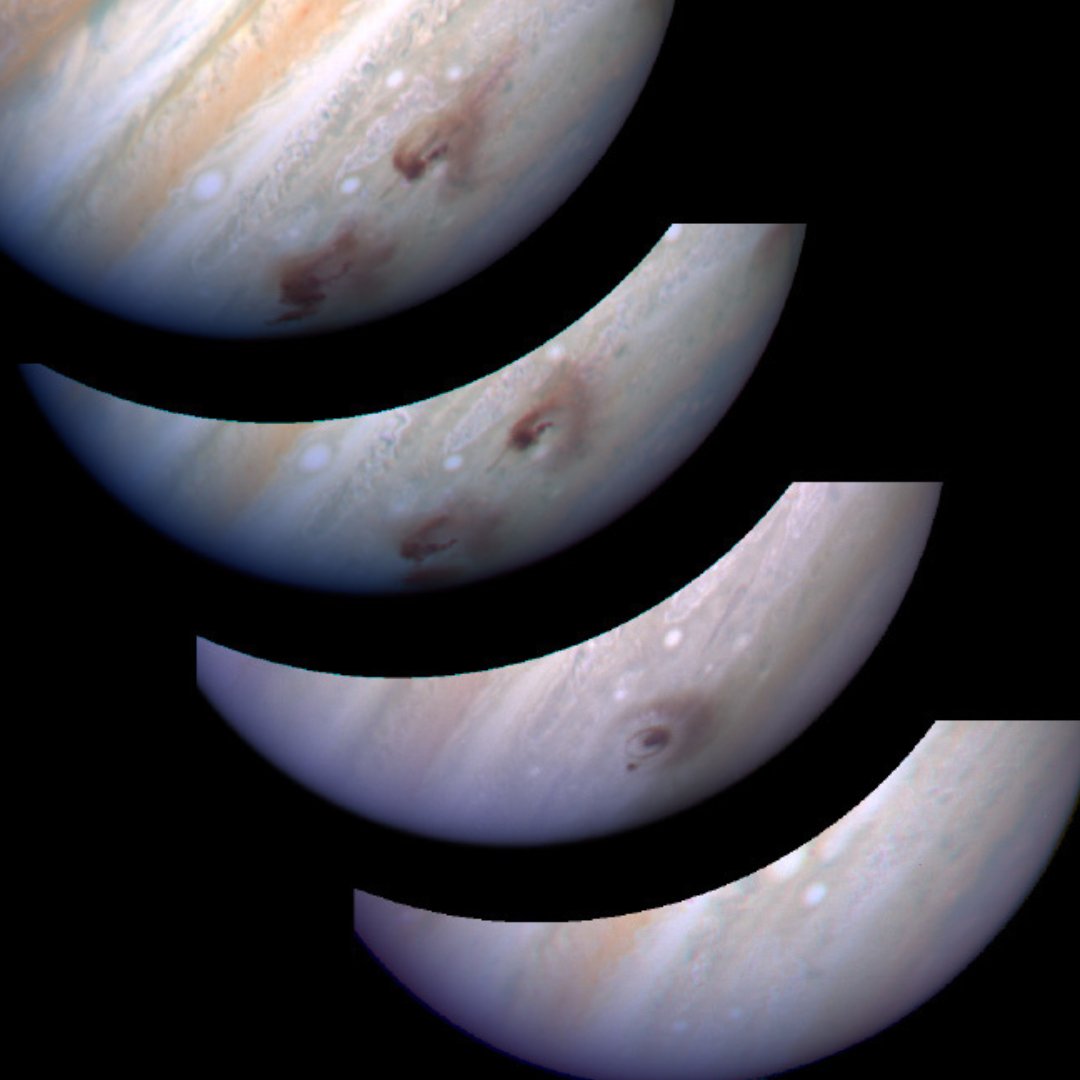
Jupiter went through a lot 30 years ago. ☄️
Fragments of Comet Shoemaker-Levy 9 slammed into the surface in July 1994, leaving deep impact scars, seen in these #HubbleClassic views.
Hubble captured how Jupiter's atmosphere changed these scars over time: https://t.co/HgO5GI4YW1