We have only a few senior Hanafi scholars remaining in Tajikistan. One day I hope to write about them. This land is a part of the once known Transoxiana (Mā Warāʾ an-Naḥr). The least we owe is a heartfelt prayer. Your earnest du'as are requested. May Allah deal with the tyrants.
🇹🇯 In a country that is almost entirely Muslim, their government decided that Islamic clothing is ‘alien’ to its culture.
Along with banning hijab, the gov also banned celebrations of Eid and Ramadan and beard for Muslim men.
Recently published my travelogue on my retreat to Uzbekistan. Those interested in the country’s historical sites, scholars buried here, and my personal affiliation to these lands can check it out.
https://t.co/BIwTNdULn4
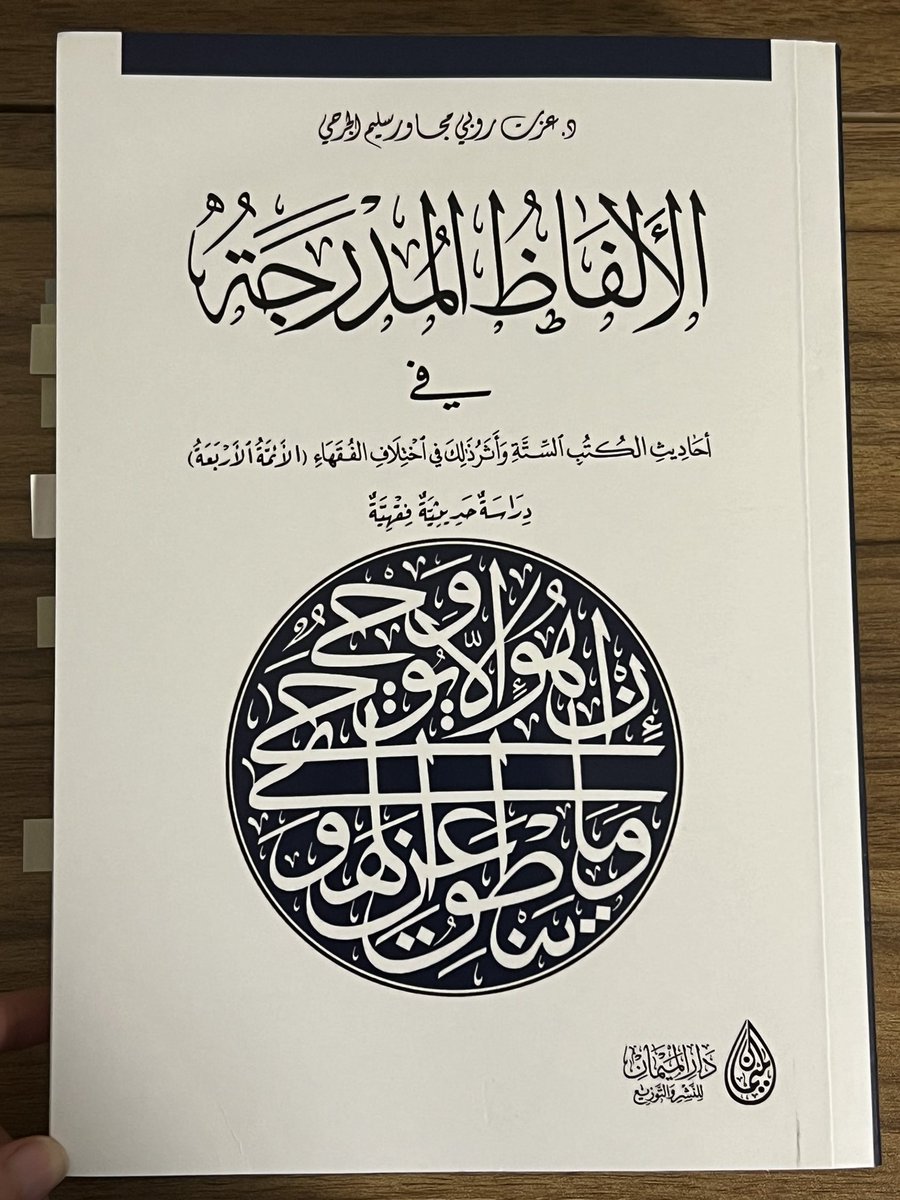
Brilliant work in which the author searches through the Six Books and finds 247 instances of idrāj, a number that no one reached before him. He studies them & finds that 60/247 instances of idrāj in ḥadīth have impacted fiqh, all of which he presents, ranging across 22 chapters.
Shaykh Albani’s general principle was, in his words: “I imitate no one in their academic approach.” In grading hadith, he followed the methodology of the later scholars like Imam Ibn Hajar with a heavy focus on asanid over mutun, leaving little consideration for ‘ilal. Thoughts?
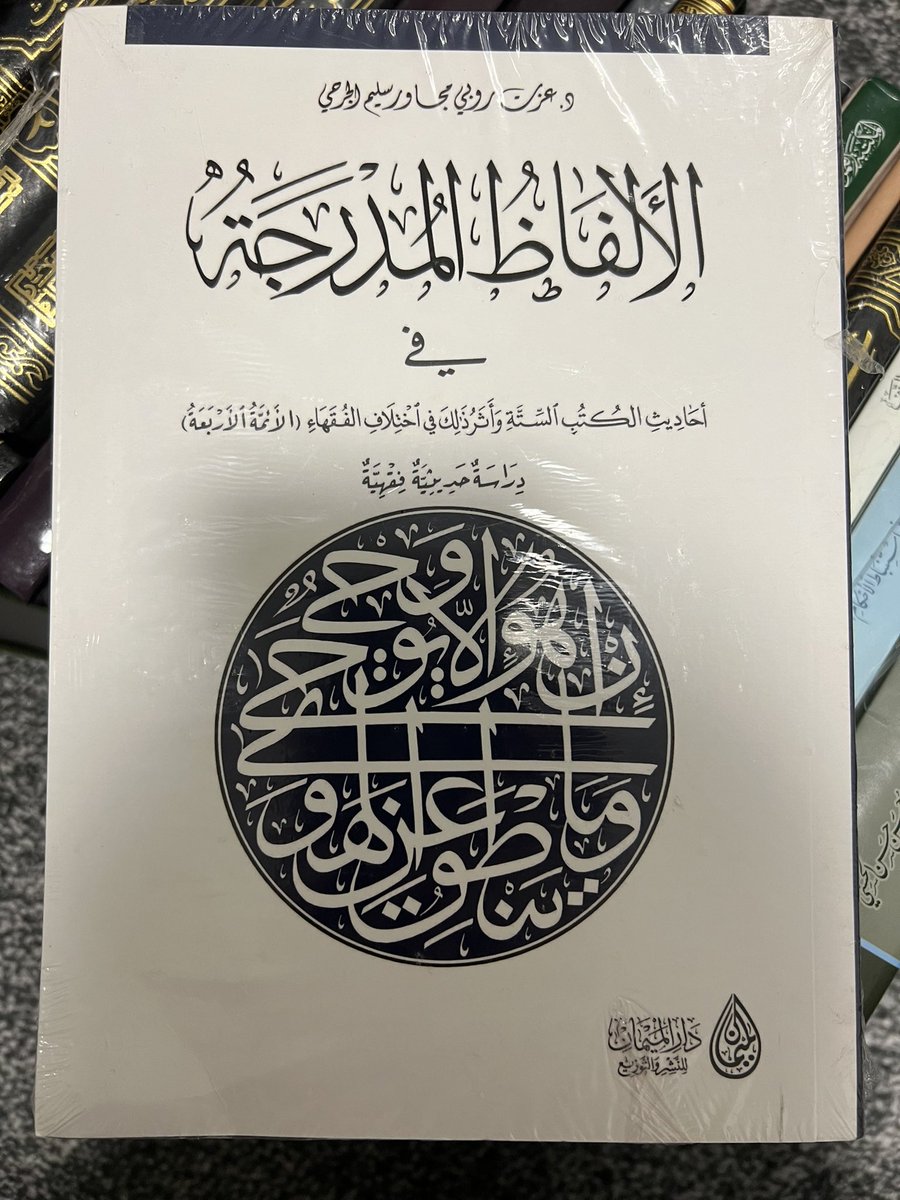
Editor of ‘al-Alfādh al-Mudraja’ lists all the ways he searched for mudrajāt throughout the six books, their commentaries & other related works, covering around 40,437 reports. As in the footnote, he even checked all version without hamza al-qatʿ. Impressive level of hard work.
Got my delivery from @daralmuttaqin today. A few dirasahs in ḥadīth I’m looking forward to reading soon…
—Mudrajāt in the 6 books & their effect on fiqh
—Collection of 17 ajzāʾ on mutawātir reports
—Reports that are marfūʿ ḥukmī and their effect on deduction of legal rulings
As a side task, I’m curious to identify which scholars were –accurately– a part of the forty council of Imām Abū Ḥanīfa. If you have something re this, kindly do share.
Few biographical dictionaries to go through–sure am expecting to stumble upon many fawā’id (@Ismaeelbooksuk).
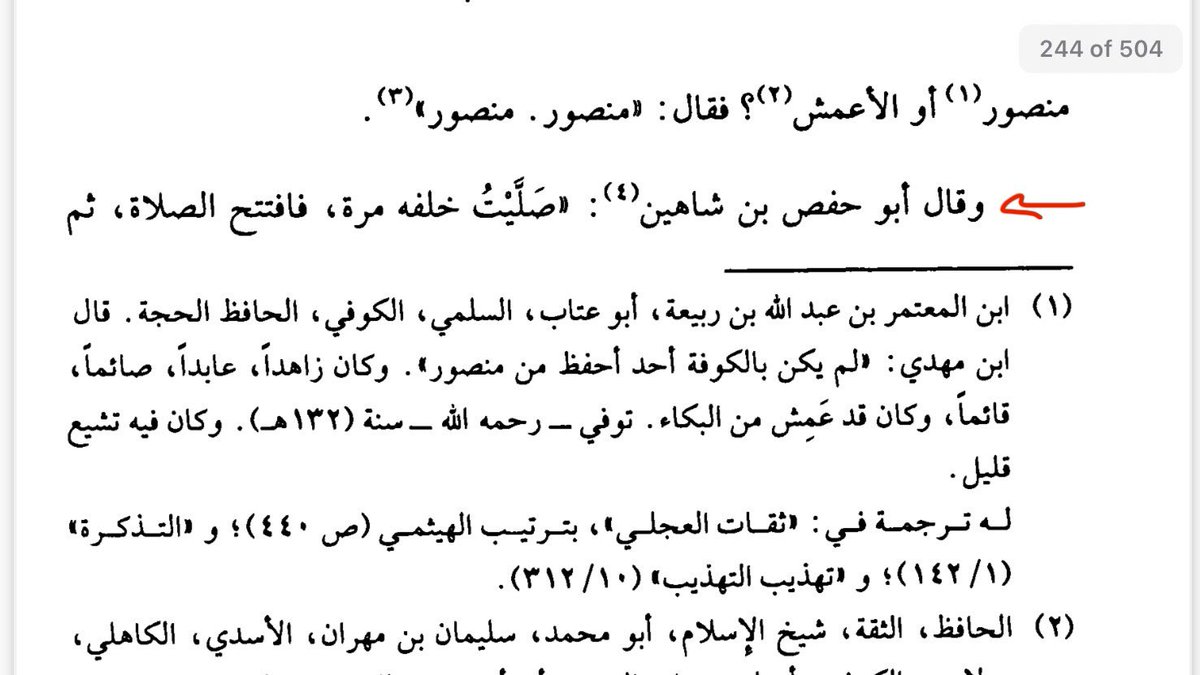
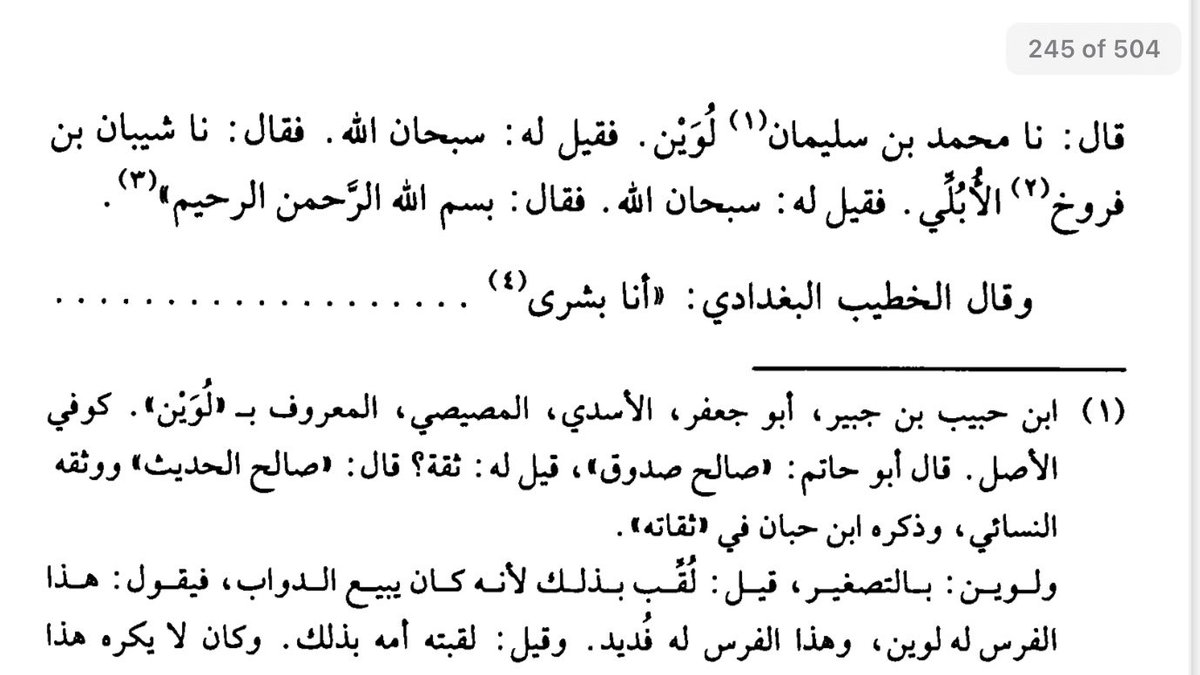
Read this in al-Badr al-Munīr today…muscle memory?
Ibn Shāhīn related: I once prayed behind Muḥammad al-Bāghandī and after saying the taḥrīma, he proceeded to quote a chain ‘haddathana… haddathana...’ After being alerted twice with a ‘subḥānallah’, he recited the basmala.
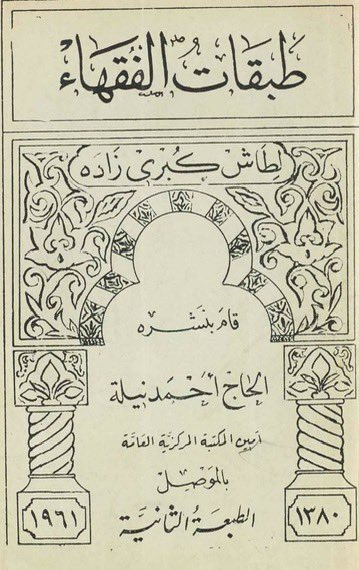
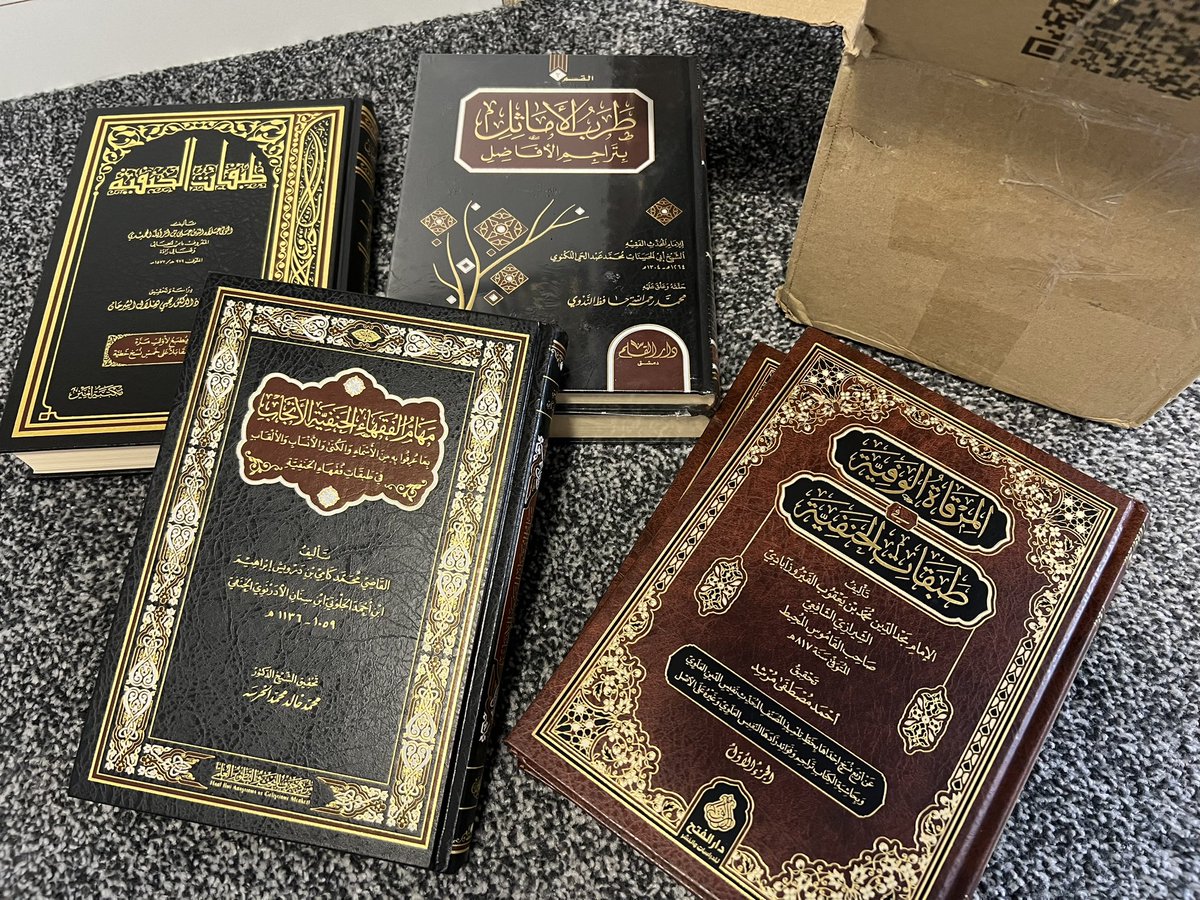
Dr. Muḥyī Hilāl Sirhān, when editing Ibn al-Hinnāʾī tabaqat work (left, 2021) realised that the text closely resembled Ṭāsh Kubrizāda’s (right, 1961, 2nd ed), which was his first clue in investigating a gravely incorrect attribution of Ibn al-Hinnāʾī’s work to Ṭāsh Kubrizāda.
Appreciate this, but I’ve collected these reports already. What I’m looking for are reports mentioning who the 40 scholars were by name. The report of Asad b. al-Furāt only mentions 6 names, and we can infer another 7 names from similar reports, but that’s no where near 40.
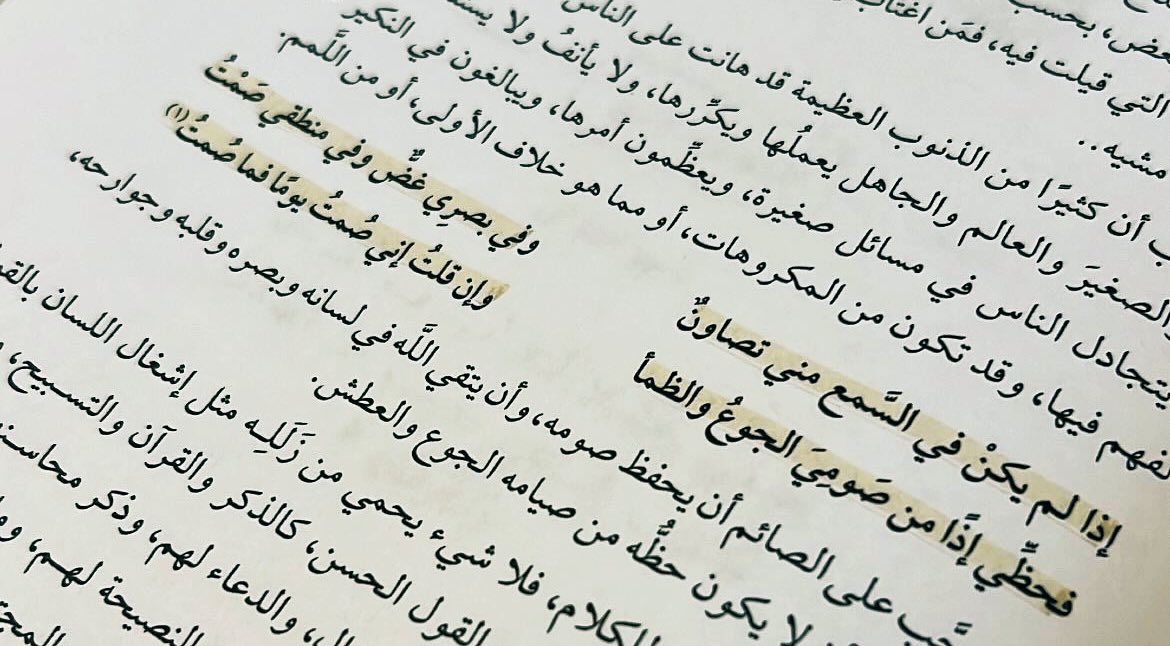
A short & profound reminder:
“If in my hearing there’s no heed, and in my sight restraint is not found, and in my speech silence does not abound, then my share in fasting is but hunger and thirst, even if I say I’ve fasted for a day, truly, I have not.”
Finished wrapping up Imam Udfuwi's ‘Al-Imtāʿ bi Aḥkām as-Samāʿ; a captivating read on the legal verdicts regarding reciting Qur’an in tunes, poetry, singing, & musical instruments. Definitely challenged some preconceived notions of mine and shifted my perspective for the better.
@piersmorgan Don’t forget: the last time the Palestinians took them in as refugees, they formed Israel and started a genocide. I don’t blame the Russians.
This is a gold piece of advice that I have written in my ‘scholarly advice’ notebook. Our teacher advised us: ‘strive and have your own source of income; something you are not reliant on, for if you are reliant on it, it causes you to become lax in guarding & preserving the dīn.’
I don’t know how common it is today, and this is simply a reflection on the attached tweet, but it was a common occurrence among some of the rulers of the past to weaponise the paycheques of the scholars/imams in order to coerce them upon saying/doing what benefitted them…[🧵]
This meant that he always said/wrote what was haqq, w/o the fear of jeopardising his paycheque. Similar to this is Imām Nawawī, when he spoke against Baibars, who then commanded that his salary be cut, they said: ليس للشيخ راتب وليس له منصب —the Shaykh has no salary or position!