How exegesis can influence the contents of Hadith 🧵
In a Sunni hadith, the Prophet warns against a hellbound group of women who are “kāsiyāt ͑āriyāt” (clothed & naked). This seemingly contradictory phrase troubled exegetes: how can one be clothed & naked at the same time? [1/8]
@MayShaddel Early Muslims tolerated names like أسباط (granted it is a Qur'anic loanword from Hebrew/Aramaic), so it's not totally far fetched.
Still the Muhammad b. Abba theory does seem a lot more promising
@shahanSean Finally we have an official English transliteration of his name & we can save a few cents on extra & special characters in publishing
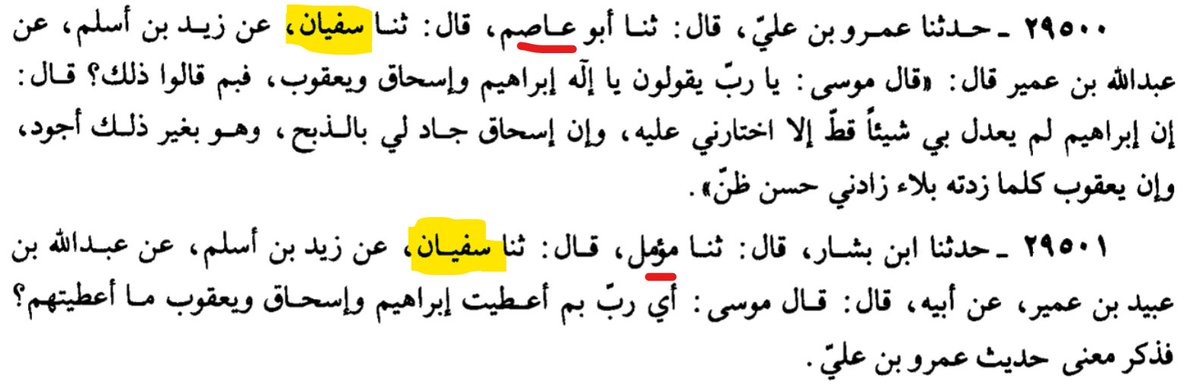
@adam7867863 Transmitters would often attribute Isra'iliyyat material to Companions not known to have been experts in past lore. They often did this to boost the pedigree of a tradition & conceal its pre-Islamic origin.
'Ali b. Zayd or another late transmitter in the Isnad may have done this
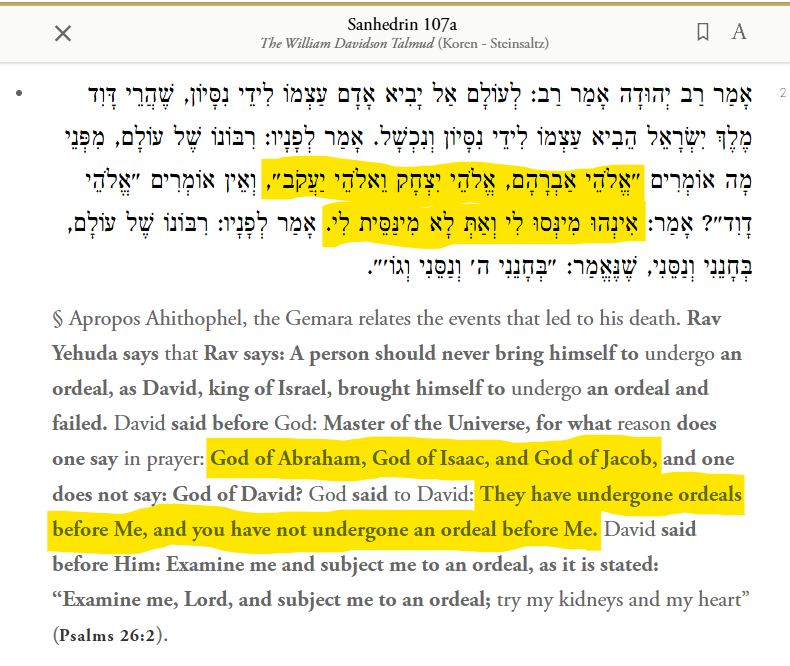
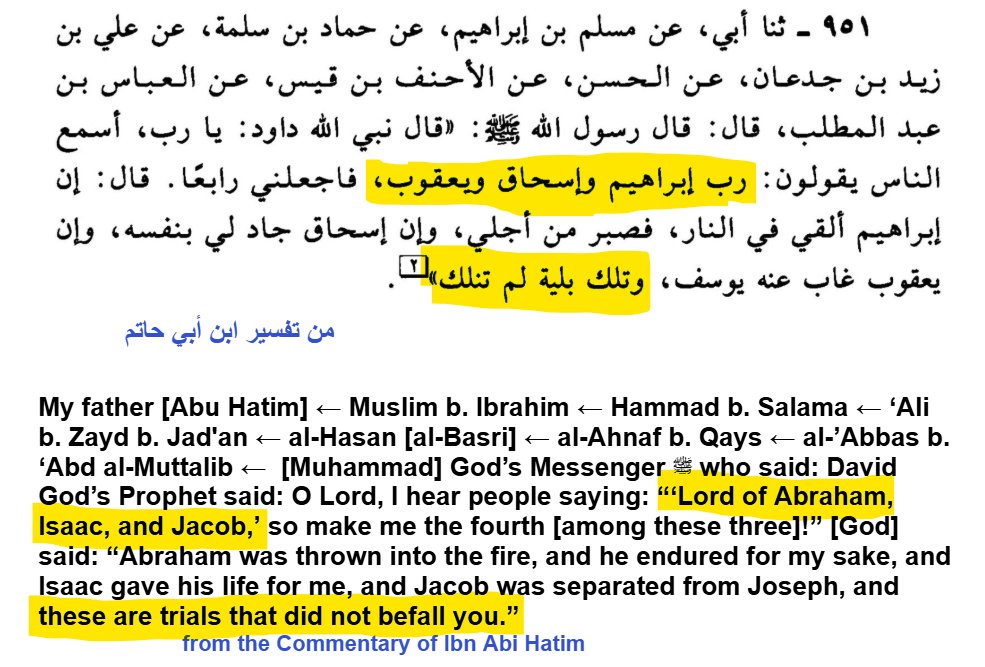
Hadith & the Talmud:
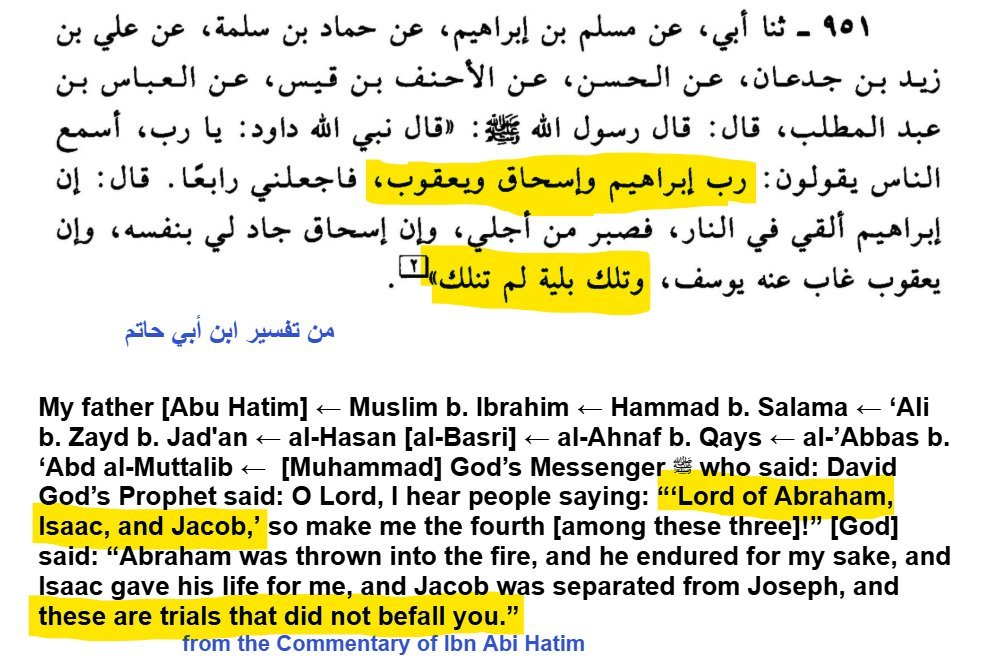
David asked why people say "God of Abraham, Isaac, & Jacob" but they don't say "God of David".
God answered "because they were tested & withstood the tests & David wasn't". [Then God tested David]
The Hadith is clearly Rabbinic in origin, as it identifies Isaac as the son whom Abraham attempted to sacrifice.
The identification of Isaac as the sacrificed son likely led many traditional Hadith critics to deem this tradition as "weak"
@rouderik Yes, but did transmitters 1st consider the isnad weak, or did they 1st consider the contents weak, & then to dismiss they attacked its isnad.
https://t.co/gASUHB5OzT
The Hadith is clearly Rabbinic in origin, as it identifies Isaac as the son whom Abraham attempted to sacrifice.
The identification of Isaac as the sacrificed son likely led many traditional Hadith critics to deem this tradition as "weak"
But, of course, the Quran is a taboo subject. Muslim scholars don’t dare to critically examine it or acknowledge that its contents and transmission were influenced by early Sahaba who had Jewish affiliations and leanings.
6/23